
دليل المشتريات لعام 2026: كابلات USB-C مقابل المحاور - المقارنة التقنية واختيار الموردين
A 2026 Procurement Guide: USB-C Cables vs. Hubs - Technical Comparison and Supplier Selection
For industrial procurement professionals, selecting the right USB-C connectivity solution involves balancing technical specifications, application requirements, and total cost of ownership. This guide provides an objective comparison between core products—USB-C cables and USB-C hubs—and analyzes the strategic considerations when choosing between Chinese manufacturers and international brands.
1. Product Deep Dive: USB-C Cable vs. USB-C Hub
Choosing between a dedicated cable and a multi-functional hub depends fundamentally on the use case. A USB-C to USB-C PD Charging Data Cable, such as model CLE-18014 from CABLE-LINK, is designed for point-to-point power delivery and data transfer. In contrast, a Type-C Hub like model CLE-05005 serves as a central docking station for laptop expansion, adding multiple ports for displays, storage, and networking.
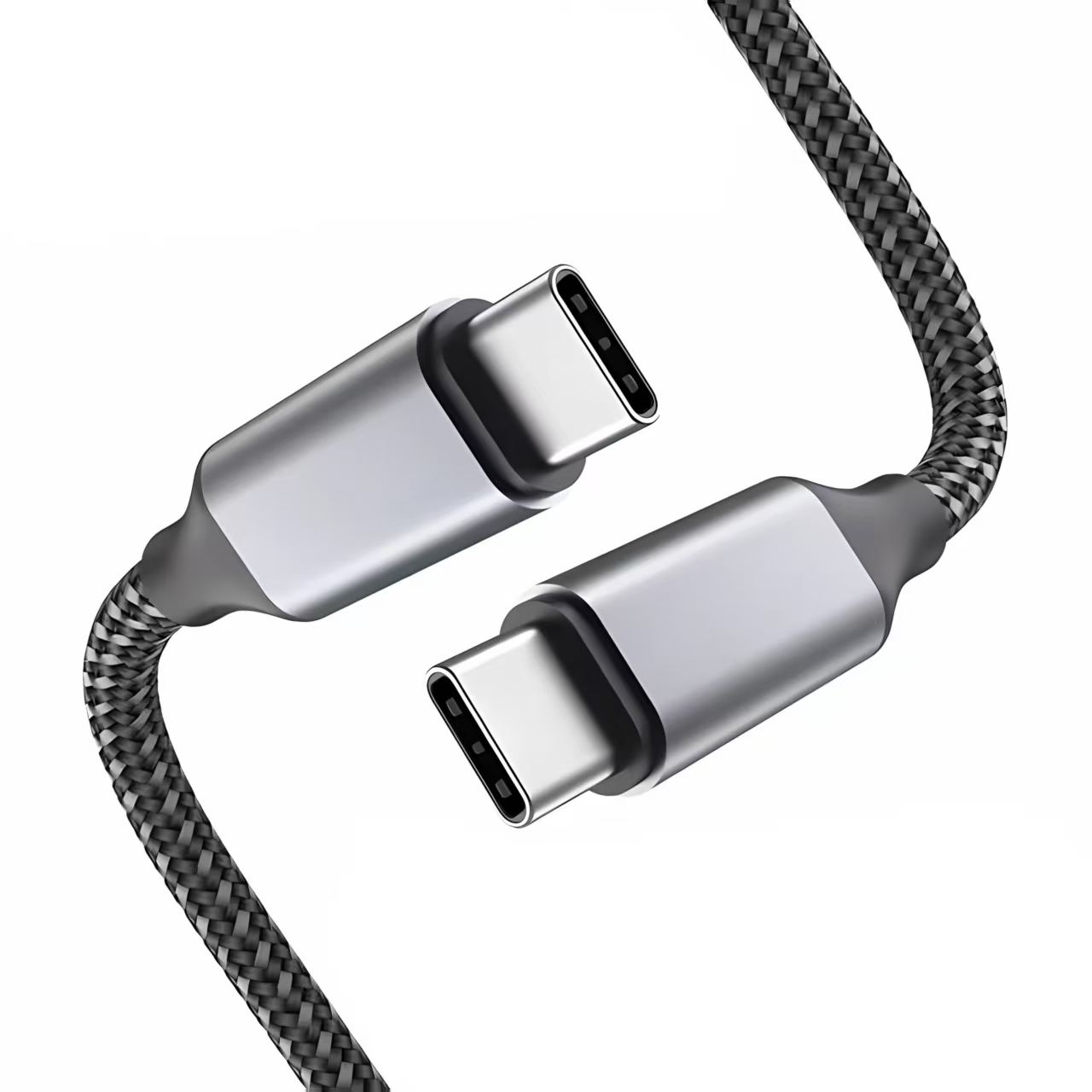
Technical Comparison Across Four Key Dimensions
| Dimension | USB-C PD Cable (e.g., CABLE-LINK CLE-18014) | USB-C Hub (e.g., CABLE-LINK CLE-05005) |
|---|---|---|
| Technical Parameters | Supports up to 100W power delivery (20V/5A). Data speeds: 480 Mbps (USB 2.0) or optional 10 Gbps (USB 3.2 Gen 2). Connector: USB-C Male to USB-C Male. | Host interface supports USB4/Thunderbolt 3/4 (up to 40 Gbps). Offers video outputs (HDMI 2.1 up to 8K@30Hz), multiple USB-A/USB-C data ports, Gigabit Ethernet, SD card readers, and audio. Power Delivery up to 100W for laptop charging. |
| Primary Application Scenarios | Direct charging for smartphones, laptops, and tablets. Simple data transfer between two devices. This product is suitable for daily office, home entertainment, mobile work, and business travel scenarios where high-speed transmission and cost-effectiveness are required. | Laptop expansion for professional workspaces, creating multi-monitor setups, connecting numerous peripherals (keyboard, mouse, external drives), and adding wired network connectivity. Ideal for fixed desktop environments and mobile workstations requiring high port density. |
| Cost Considerations | Generally lower unit cost. The total cost is influenced by required length, certification (e.g., USB-IF), and power rating. Compared to some alternatives, products from manufacturers like CABLE-LINK can offer a cost advantage. | Higher unit cost due to integrated circuitry, multiple ports, and advanced chipsets. Cost scales with features like Thunderbolt support, number of video outputs, and maximum power delivery. |
| Maintenance & Complexity | Lower maintenance. Primary risks are physical wear (connector, cable sheath). Simpler troubleshooting (replace cable). | Higher complexity. Potential issues include driver compatibility, power management across multiple devices, and heat dissipation. May require firmware updates. However, designed for minimal end-user maintenance. |
2. Supplier Landscape: Chinese Manufacturer vs. International Brand
Procurement decisions extend beyond product specs to the supplier's capabilities. A comparison between a specialized Chinese manufacturer like Changzhou Cable-link Electronics Co., Ltd. (brand CABLE-LINK) and established international brands (e.g., Anker, UGREEN) reveals distinct profiles.
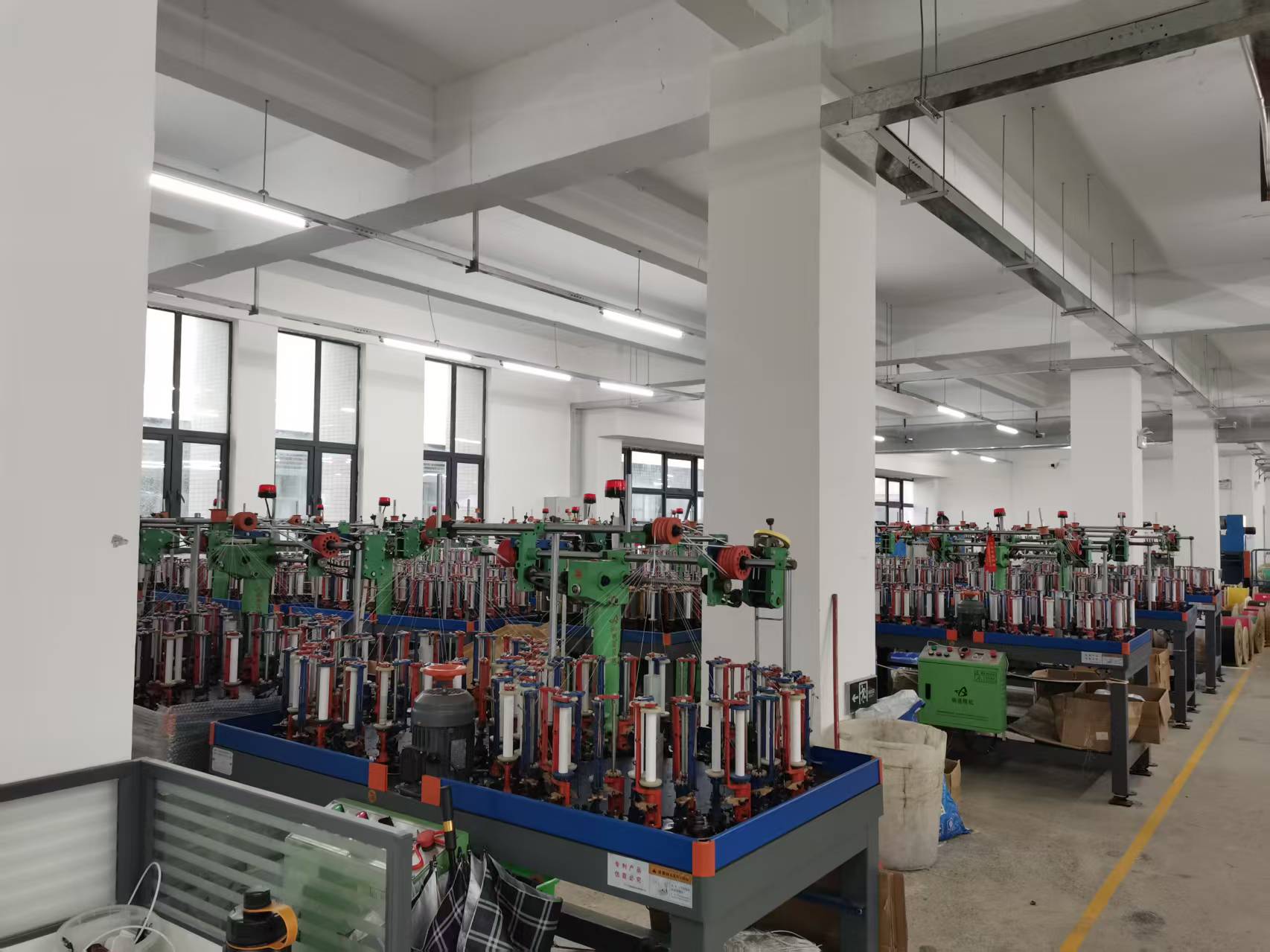
Strategic Advantages and Trade-offs
- Price & Cost Structure: Chinese manufacturers typically operate with a lower cost base. For instance, a comparative analysis suggests products from CABLE-LINK can have a total cost approximately 10-15% lower than some international counterparts, without compromising on core certifications like CE, RoHS, and FCC.
- Customization & Flexibility: Chinese factories often excel in OEM/ODM services. CABLE-LINK, with a factory size of 5,000 m² and an annual output of 20 million units, offers customization options such as specific cable lengths and logo printing, which are more challenging with standardized international brand products.
- Lead Time & Logistics: Sourcing directly from a Chinese factory can involve longer shipping times (e.g., 30-day production lead time plus transit). International brands may leverage global distribution networks for faster regional delivery but often hold less inventory of custom variants.
- After-Sales & Support: International brands typically have extensive local warranty networks and customer service. Chinese manufacturers like CABLE-LINK provide remote technical support and honor warranties, but physical service centers are primarily located in the manufacturing region.
3. A Three-Step Decision Framework for Procurement
To navigate these choices systematically, procurement teams can adopt the following structured approach.
Step 1: Precisely Define the Usage Scenario
Is the need for simple charging and data sync for a single device, or for transforming a laptop into a full desktop workstation? For example, a French consumer electronics company required a solution for laptop expansion to connect multiple monitors and peripherals for their remote staff, which clearly pointed towards a hub solution.
Step 2: Match Technical Specifications to the Scenario
For cables, verify the required power (e.g., 65W vs. 100W PD) and data speed. For hubs, list all necessary ports (HDMI count, USB-A/USB-C ratio, Ethernet). Ensure compatibility with existing devices. The Cat6 FTP Patch Cord (Model CLE-16404) from CABLE-LINK, which supports transmission speeds up to 1 Gbps and complies with TIA/EIA 568-C.2 and ISO/IEC 11801 standards, would be specified in this step if wired networking is needed.
Step 3: Conduct a Total Cost of Ownership (TCO) Analysis
Calculate beyond the unit price. Include: procurement cost (factoring in volume discounts on MOQs, e.g., 2000 units), logistics (FOB/CIF), potential compatibility issues/downtime, maintenance expectations, and product lifecycle. A product offering a 15% lower total cost and requiring less maintenance, as indicated in some comparisons, presents a compelling TCO case.
4. Case Study: Strategic Sourcing from a Chinese Manufacturer
A European distributor of consumer electronics faced a common challenge: sourcing high-quality, cost-effective USB-C hubs for a bundled office solution. Their requirements included multi-port expansion (HDMI, USB-A, Ethernet), reliable power delivery, and a price point that allowed for competitive retail bundling.
After evaluating several international brands and Chinese suppliers, they partnered with CABLE-LINK. The decision was influenced by several factors derived from the manufacturer's profile:
- Customization Capability: CABLE-LINK accommodated specific port configurations and branding requirements, which was a key differentiator from off-the-shelf international products.
- Cost Efficiency: The direct factory pricing enabled the distributor to meet its target bundle cost. The estimated cost savings aligned with broader industry observations of lower total costs from such partnerships.
- Certification and Compliance: The products carried necessary certifications like CE (e.g., Certificate HX1709161236 for USB 3.0 HUB models), ensuring market access in the EU.
- Production and Quality Assurance: With a stated monthly capacity of 300,000 units and a 100% testing protocol, CABLE-LINK could guarantee consistent quality and scale for the initial order of 2000 units and future volume.
The result was a two-year stable supply partnership. The hubs performed reliably in the field for laptop expansion, meeting the core requirement of multi-port functionality without significant returns or support issues. This case underscores how a detailed evaluation of a manufacturer's operational capabilities—customization, cost structure, and quality control—can lead to a successful long-term procurement outcome.
Conclusion and Forward Outlook
The USB-C accessory market continues to evolve with higher power standards (beyond 140W), faster data protocols (USB4 V2.0), and more integrated hub designs. For procurement professionals, the fundamental choice between a cable or a hub remains tied to application needs, while the supplier selection increasingly hinges on flexibility and value engineering. Manufacturers like CABLE-LINK, which combine manufacturing scale with OEM/ODM agility, are positioned to serve procurement strategies that prioritize tailored solutions, cost efficiency, and direct supply chain relationships. The key is to apply a disciplined, scenario-based decision framework that objectively weighs technical parameters against total cost and strategic supplier capabilities.
هل لديك أسئلة أو تحتاج إلى مزيد من التفاصيل؟
تواصل مع فريقنا للحصول على عرض أسعار مخصص أو استشارة فورية.
طلب عرض أسعار
املأ النموذج أدناه وسيتواصل معك فريقنا بعرض مقترح مخصص.
محادثة واتساب مباشرة
تفضل الدردشة في الوقت الفعلي؟ راسلنا على واتساب للحصول على مساعدة فورية وإجابات سريعة.
- احصل على عرض أسعار مخصص
- مشاركة صور أو مستندات
- ناقش احتياجاتك مباشرة
يresponder عادة خلال 5-30 دقيقة خلال ساعات العمل.