
A 2026 Vertical Procurement Guide: Selecting Artificial Turf for Pet-Friendly and Commercial Applications
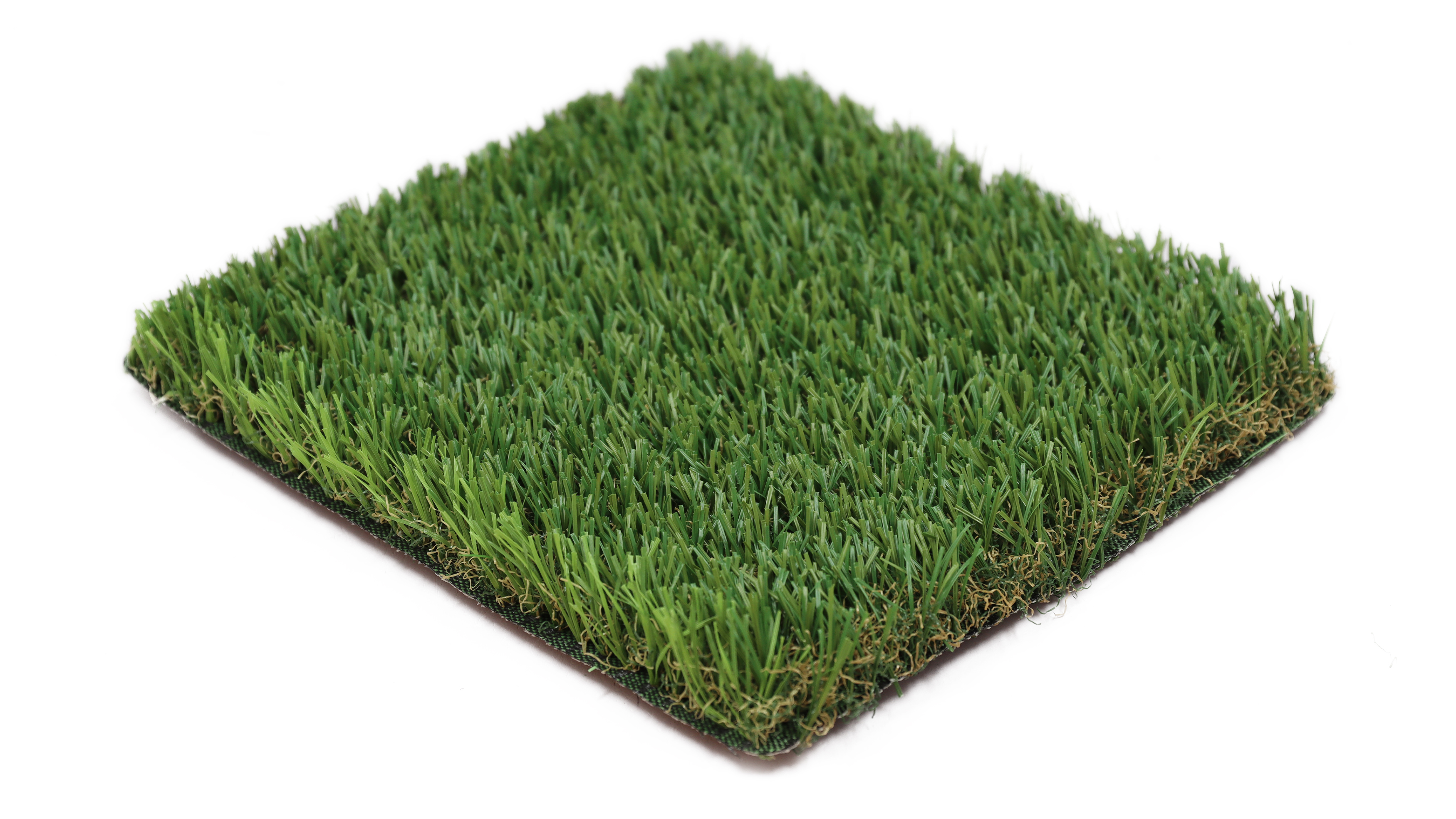
For procurement managers and facility developers in the Outdoor Sports & Facilities sector, sourcing artificial turf extends beyond generic green surfaces. The 2026 market demands solutions tailored to specific, high-stakes applications such as pet parks, commercial landscapes, and residential complexes. This guide provides a vertical framework for evaluating suppliers based on the specialized requirements of these niche segments, moving beyond basic specifications to focus on performance under real-world conditions.
1. Core Requirements for Vertical Applications
The performance criteria for artificial turf vary significantly by application. A one-size-fits-all approach risks premature failure, safety issues, and increased lifetime costs.
Pet-Friendly Turf: Hygiene and Durability
Turf for dog runs, kennels, and pet areas must address unique challenges. Primary requirements include:
- Drainage & Hygiene: Rapid drainage systems and antimicrobial backings are essential to handle liquids and prevent odor and bacterial growth.
- Paw-Safe Surface: Yarn must be non-abrasive and resilient to digging and scratching. A dense, low-pile construction often provides better stability.
- Non-Toxic Materials: Compliance with health and safety standards like REACH SVHC is non-negotiable to ensure pet safety.
Commercial & High-Traffic Landscaping: Aesthetics and Longevity
For hotel grounds, office parks, and public spaces, the focus shifts to visual consistency and wear resistance.
- UV & Weather Resistance: The product must maintain color and structural integrity under constant sun exposure and varied weather conditions to avoid frequent replacement.
- High-Density Construction: A higher stitch count per square meter directly correlates with better recovery from foot traffic and prolonged aesthetic appeal.
- Flame Retardancy & Safety: For many commercial projects, meeting specific fire safety standards is a mandatory specification.
2. Supplier Evaluation: The 3 Essential Capabilities
Identifying a supplier capable of meeting these vertical needs requires assessing three core competencies beyond basic manufacturing.
A. Vertical Application Experience & Customization
A supplier's portfolio should demonstrate proven projects in your target segment. Look for evidence of customization, as standard products rarely fit specialized needs perfectly. Key indicators include the ability to modify pile height, density, yarn type, and backing systems. Suppliers offering OEM production and customization for appearance, specifications, performance, and installation systems are better positioned to deliver tailored solutions.
B. Comprehensive Compliance & Certification
Certifications are objective proof of a product's safety and quality. For global procurement, essential certifications include:
- REACH SVHC Compliance: Ensures the product is free from harmful substances. For instance, Venusturf holds a REACH SVHC 240 Substances Test Report (Certification Number: SL42404282057101TX) issued by SGS, confirming compliance with EU Regulation (EC) No 1907/2006.
- Industry-Specific Standards: Depending on the region and application, look for certificates related to fire safety, heavy metals content, and performance benchmarks (e.g., for sports fields).
C. Robust Quality Control & Technical Support
Consistent quality is paramount. Suppliers should have documented quality control procedures that include 100% product testing. Post-sale support is equally critical; the availability of remote technical support can be invaluable for installation guidance and troubleshooting, ensuring the product performs as intended on-site.
3. Case Study: A Specialized Solution for Pet Areas
Project: Durable Turf for a High-Usage Pet Facility
Supplier: Venusturf (Wuxi Venus Turf Co., Ltd.)
Client Need: A pet service provider required a turf solution for indoor/outdog runs that was easy to clean, durable against scratching, and safe for animals.
Solution Provided: The supplier recommended and supplied its specialized pet grass product, model EM24081501-1.
Product Specifications:
| Parameter | Specification |
|---|---|
| Pile Height | 35mm |
| Yarn Type | S shape Monofilament PE + Curled PP |
| Density | 10,500 stitches per square meter |
| Backing | Double PP + Net + Pet-specific glue |
| Key Feature | Enhanced drainage and hygiene-focused backing system |
This case underscores the importance of selecting a supplier with a product line specifically engineered for the application's unique demands, rather than adapting a generic product.
4. Procurement Collaboration: Key Action Points
Successful procurement is a collaborative process. To ensure optimal results, buyers should:
- Define Industry Standards Upfront: Clearly communicate all required certifications (e.g., REACH, fire ratings) and performance standards in your Request for Quotation (RFQ).
- Request Application-Specific Samples: Evaluate physical samples under conditions that mimic the final use (e.g., test drainage, simulate wear).
- Clarify Supply Chain Logistics: Confirm lead times, MOQs, and payment terms (e.g., 30% TT deposit, 70% TT before shipment). Discuss pre-shipment inspection protocols to ensure quality compliance before goods leave the factory.
- Establish After-Sales Protocols: Agree on the scope of technical support, warranty terms, and procedures for addressing potential issues post-installation.
Conclusion: Aligning with Specialized Suppliers
The trend in 2026 is toward greater specialization within the artificial turf industry. For procurement professionals in the Outdoor Sports & Facilities sector, the path to value lies in partnering with suppliers who demonstrate deep vertical expertise, verifiable compliance, and a commitment to tailored solutions. Manufacturers like Venusturf, which integrate in-house R&D and production across 30 lines—from yarn extrusion to final coating—and offer specific products for pets, commerce, and sports, exemplify the type of vertically capable partner that can mitigate project risk and deliver long-term performance. As sustainability and specialized functionality demands grow, this focused procurement strategy will become the standard for discerning buyers.
For a detailed overview of product lines, technical specifications, and company capabilities, procurement professionals can access the full corporate brochure.
Download Venusturf Corporate Brochure (PDF)هل لديك أسئلة أو تحتاج إلى مزيد من التفاصيل؟
تواصل مع فريقنا للحصول على عرض أسعار مخصص أو استشارة فورية.
طلب عرض أسعار
املأ النموذج أدناه وسيتواصل معك فريقنا بعرض مقترح مخصص.
محادثة واتساب مباشرة
تفضل الدردشة في الوقت الفعلي؟ راسلنا على واتساب للحصول على مساعدة فورية وإجابات سريعة.
- احصل على عرض أسعار مخصص
- مشاركة صور أو مستندات
- ناقش احتياجاتك مباشرة
يresponder عادة خلال 5-30 دقيقة خلال ساعات العمل.