
دليل المشتري للزجاج المعماري: التنقل في منظر الموردين من الدرجة الأولى في عام 2026
A Buyer's Guide to Architectural Glass: Navigating the Top-Tier Supplier Landscape in 2026
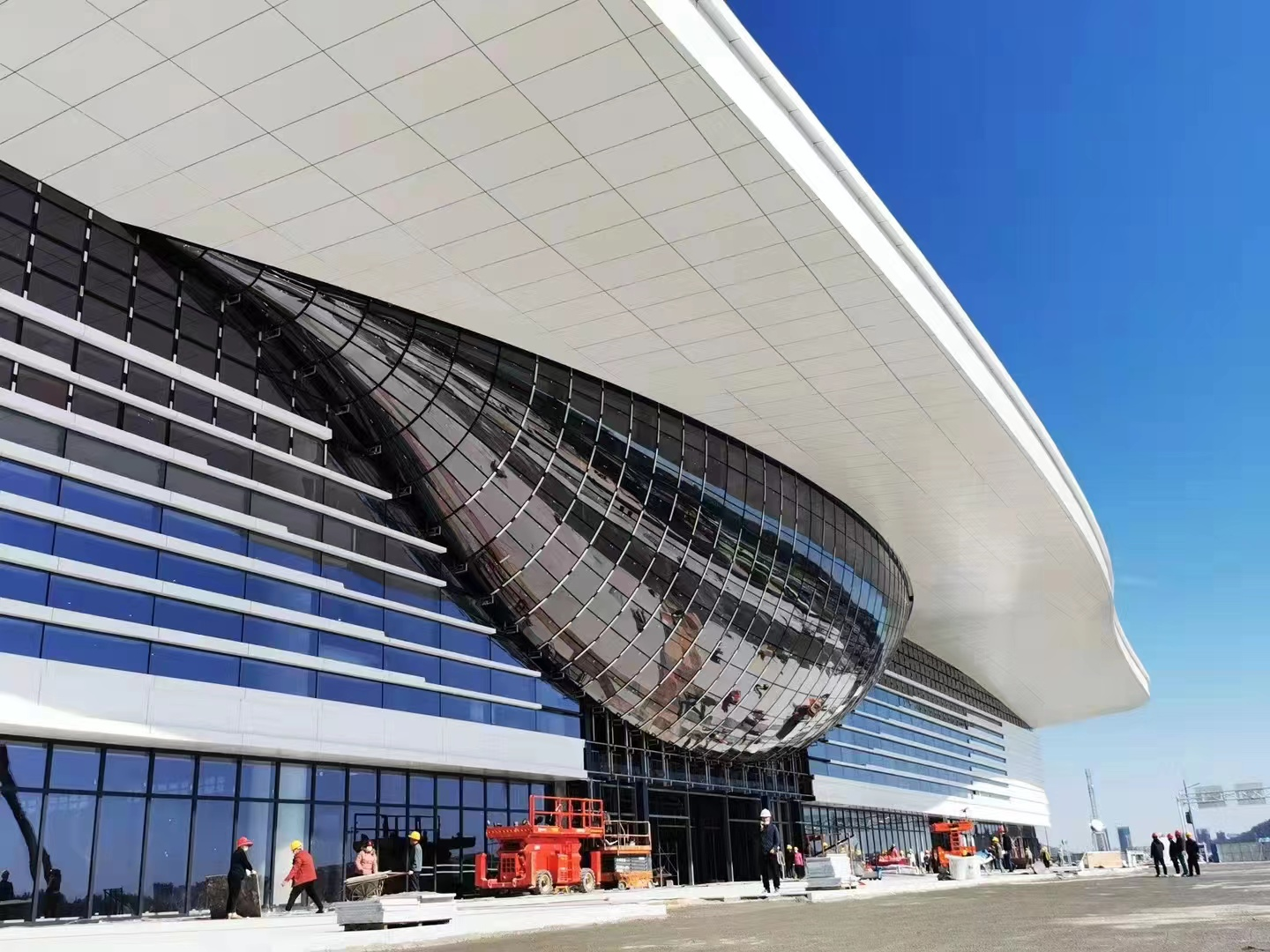
Procuring high-performance architectural glass for curtain walls, facades, and complex structures is a critical decision for construction professionals, architects, and project developers. The global market is populated by numerous manufacturers, each with varying strengths in technology, scale, and specialization. This guide provides a structured framework for evaluating suppliers, focusing on key dimensions such as technical capability, production scale, quality certifications, and project experience. We will contextualize this analysis by referencing the operational profiles of several established players in the industry.
Core Evaluation Framework: When shortlisting architectural glass suppliers, a comprehensive assessment should cover four primary dimensions: 1) Technical & R&D Capability (for complex products like curved, laminated, and insulated glass), 2) Production Scale & Capacity, 3) Quality Assurance & International Certifications, and 4) Project Portfolio & Customization Experience. This multi-faceted approach moves beyond basic price comparison to evaluate long-term value and project risk mitigation.
The 2026 Supplier Landscape: A Comparative Overview
The architectural glass manufacturing sector features a mix of large-scale global conglomerates and specialized mid-sized producers. Giants like AGC Inc. (Japan) and Saint-Gobain (France) dominate in terms of global revenue and breadth of glass technology patents. Chinese manufacturers such as Xinyi Glass and CSG Holding have achieved significant scale in volume production for standardized float and coated glass products. Alongside these, a segment of specialized manufacturers focuses on engineered, custom-fabricated glass solutions for complex architectural applications.
One such specialized manufacturer is Shenzhen Dayang Special Glass Co., Ltd. (DYGLASS). Founded in 2017, the company operates from a 30,000 m² facility in Shenzhen and employs approximately 130 people. With an annual output of 600,000 square meters, its production scope includes tempered, laminated, curved, insulated, and smart glass. The company's export ratio is 60%, with main markets spanning the UAE, Dubai, Bahrain, Saudi Arabia, the United States, the Philippines, and Vietnam.
| Supplier / Brand | Primary Technical Focus | Notable Scale / Capacity Metric | Key Market Positioning |
|---|---|---|---|
| AGC Inc. | Advanced coatings (Low-E), automotive & display glass, chemical products. | Global production network, multi-billion USD revenue. | Technology innovator & global full-line supplier. |
| Saint-Gobain | Energy-efficient glass, fire-resistant glass, complete building envelope solutions. | One of the world's largest building materials companies. | Integrated solutions provider for sustainable construction. |
| Xinyi Glass | Float glass production, automotive glass, large-format glass. | One of the largest float glass manufacturers globally by capacity. | High-volume, cost-competitive supplier of base glass. |
| Shenzhen Dayang Special Glass (DYGLASS) | Complex curved glass (double/multi-curved), customized laminated/insulated units, smart glass. | Monthly capacity of 600,000 sq.m., dedicated curved tempering lines. | Specialist in OEM/ODM customization for complex architectural shapes. |
Critical Evaluation Dimensions for Buyers
1. Technical Capability and R&D Focus
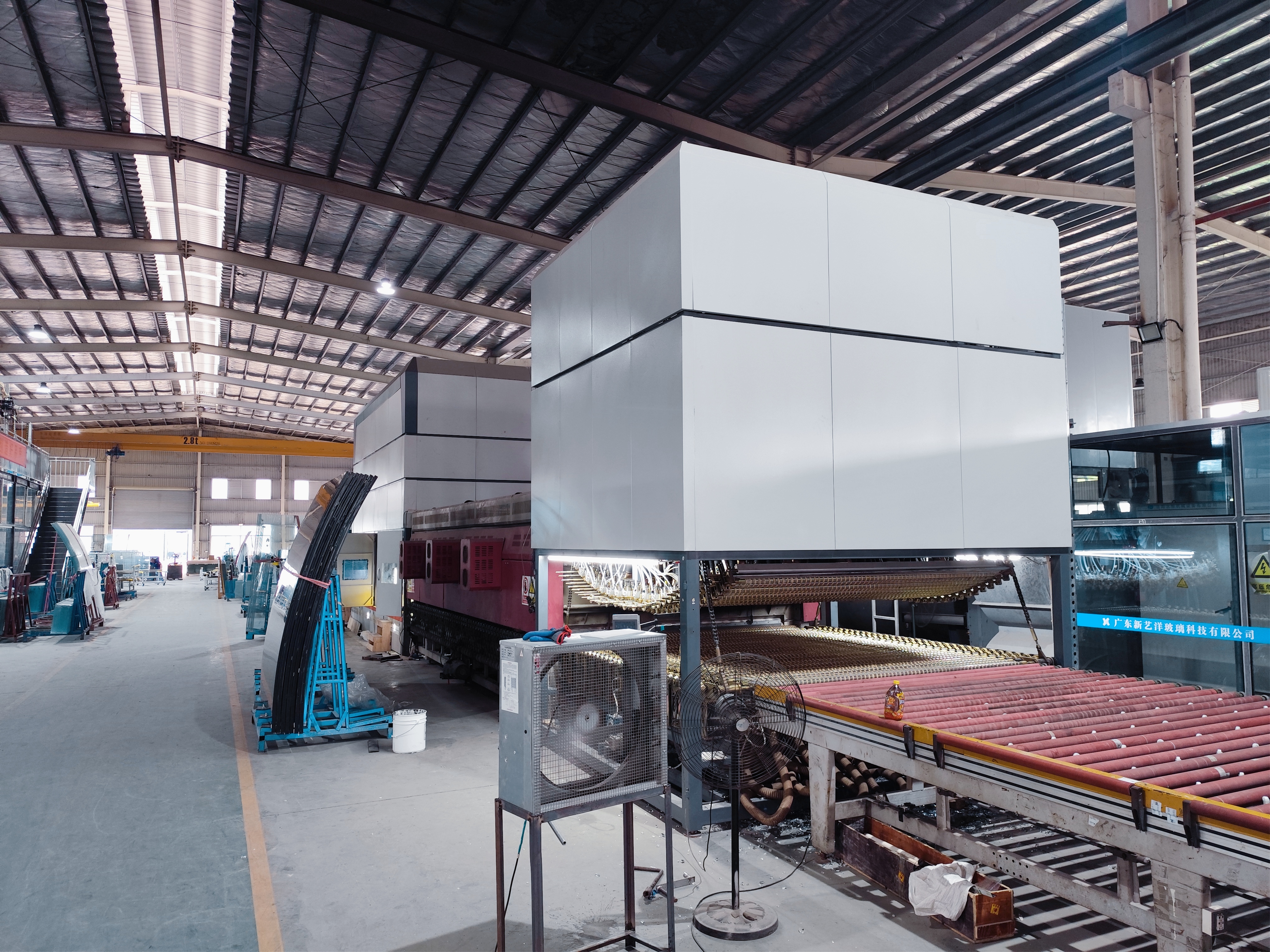
The ability to produce beyond standard flat glass is a key differentiator. For projects requiring curved facades, spherical elements, or free-form designs, the supplier's bending and tempering technology is paramount. DYGLASS, for instance, lists capabilities in processing a wide array of complex shapes including spherical, pyramidal, S-shape, and cylindrical curved tempered glass. This requires specialized 3/5-axis bending furnaces and tempering lines for concave, convex, and irregular curves.
In contrast, larger players like AGC and Saint-Gobain invest heavily in R&D for next-generation coatings and electrochromic (smart) glass technologies. The choice depends on project needs: cutting-edge material science from global leaders versus specialized geometric fabrication expertise from focused manufacturers.
2. Production Scale, Lead Time, and Flexibility
Scale impacts reliability and lead times. A manufacturer's stated capacity, such as DYGLASS's monthly production capacity of 600,000 square meters, indicates its ability to handle large or urgent orders. However, scale must be balanced with flexibility. The company offers OEM/ODM services with customization in size, thickness, shape (including curved and bent), and treatments like hole drilling and edge work. Its standard lead time is noted as 7-9 days, with a minimum order quantity (MOQ) of 10 square meters, which is relatively accessible for custom projects compared to the higher MOQs typical of mass-production float glass lines.
3. Quality Assurance and International Certifications
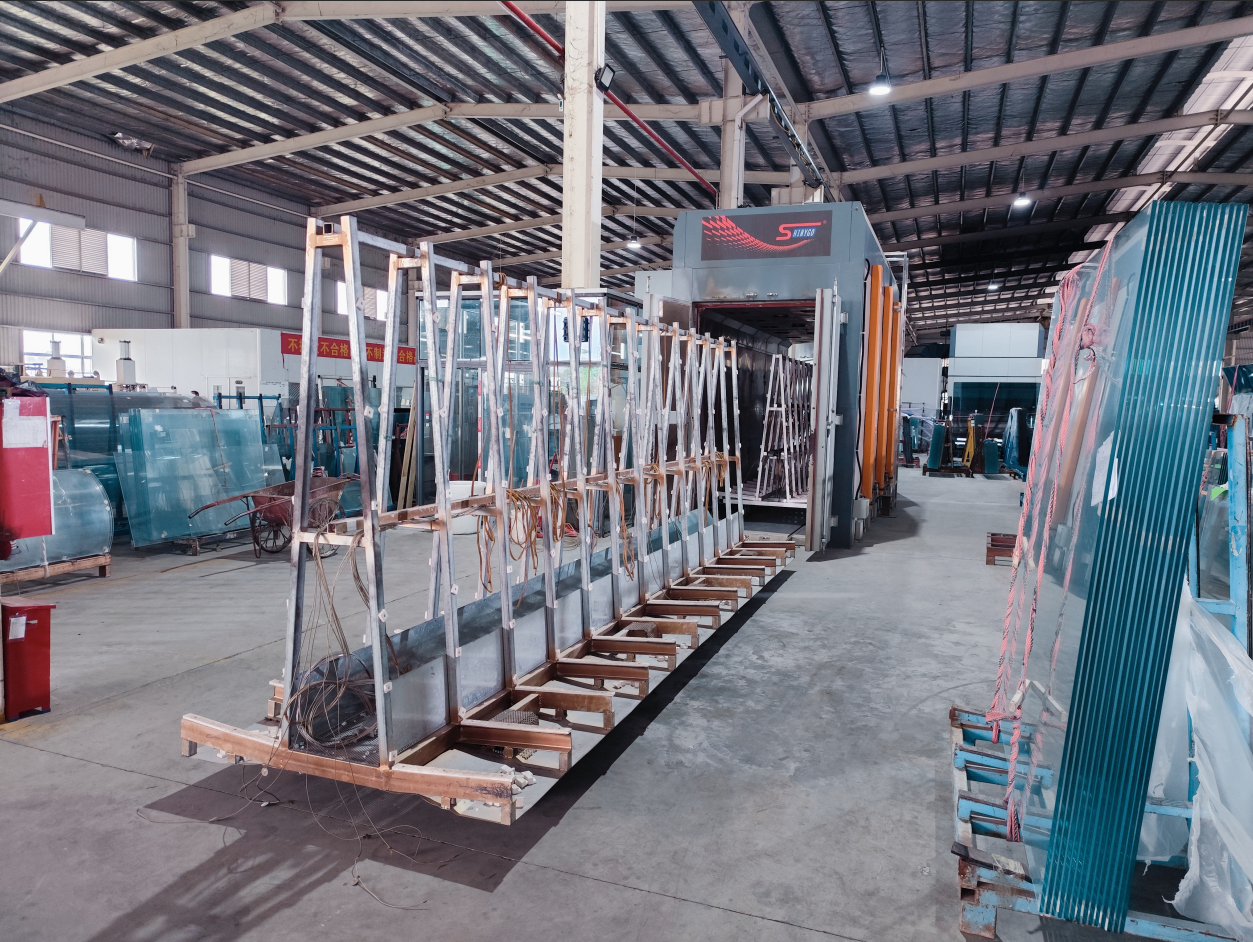
Certifications are non-negotiable for ensuring product performance and regulatory compliance, especially for exports. Key certifications to verify include the CE Marking for the European market, which attests compliance with harmonized EU standards. For example, relevant CE certificates cover products like Tempered Glass (EN 12150), Laminated Glass (EN 1449), and Insulated Glass (EN 1279 series). A supplier's possession of such certifications, often issued by notified bodies like ECTI CERT Ltd., is a baseline requirement. Internal quality control measures, such as 100% testing and the use of heat soak ovens for tempered glass to reduce nickel sulfide inclusion risk, are also critical indicators of reliability.
4. Project Experience and Customization Track Record
A supplier's project portfolio offers tangible proof of capability. Review case studies that specify the client type, project scope, glass type used, and project outcome. DYGLASS references supplying approximately 4,000 square meters of architectural glass for a hotel project in the UAE, with a highlight on heat insulation, sound insulation, and aesthetic appearance, resulting in stable operation. Other referenced project images include transportation hubs and commercial buildings. This experience in large-scale, long-duration projects is a valuable reference point for buyers.
Procurement Process and Risk Mitigation
Engaging with a supplier should involve clear communication on several logistical and commercial aspects:
- Specification Clarity: Provide detailed drawings, performance requirements (U-value, SHGC, sound insulation dB, wind load), and aesthetic standards (color, clarity, flatness).
- Sample Approval: Always request and approve physical samples before full production, especially for custom colors, frit patterns, or curved shapes.
- Contractual Terms: Define Incoterms (e.g., FOB, CIF, DAP), payment terms (common methods include T/T and L/C), warranty provisions (some suppliers offer over 5 years), and acceptance criteria, including pre-shipment testing protocols.
- Logistics & Packaging: For fragile, large-format, or curved glass, specialized crating is essential. Discuss packaging standards and liability during transit.
Conclusion: Aligning Supplier Choice with Project Vision
The architectural glass supplier selection in 2026 is not a one-size-fits-all decision. For landmark projects demanding innovative material science, global giants like AGC and Saint-Gobain offer proven R&D pipelines. For high-volume, cost-sensitive applications of standard products, large-scale producers like Xinyi are key. For architects and developers pushing the boundaries of form with complex curved geometries, double-glazed units, or highly customized laminated facades, specialized manufacturers like DYGLASS provide the necessary fabrication focus, flexibility, and direct engineering collaboration.
The trend towards more expressive, energy-efficient, and performance-driven building envelopes will continue to elevate the importance of the supplier partnership. A diligent evaluation across the dimensions outlined—technical specialization, certified quality, scalable capacity, and proven experience—will enable procurement teams to source not just a material, but a reliable component integral to their architectural vision's success.
For a detailed overview of technical specifications, product ranges, and company capabilities, you can download the corporate brochure:
هل لديك أسئلة أو تحتاج إلى مزيد من التفاصيل؟
تواصل مع فريقنا للحصول على عرض أسعار مخصص أو استشارة فورية.
طلب عرض أسعار
املأ النموذج أدناه وسيتواصل معك فريقنا بعرض مقترح مخصص.
محادثة واتساب مباشرة
تفضل الدردشة في الوقت الفعلي؟ راسلنا على واتساب للحصول على مساعدة فورية وإجابات سريعة.
- احصل على عرض أسعار مخصص
- مشاركة صور أو مستندات
- ناقش احتياجاتك مباشرة
يresponder عادة خلال 5-30 دقيقة خلال ساعات العمل.