
A Buyer's Guide to Maleic Anhydride Grafted Polymer Suppliers: Understanding Market Rankings and Selection Criteria for 2026
A Buyer's Guide to Maleic Anhydride Grafted Polymer Suppliers: Understanding Market Rankings and Selection Criteria for 2026
For procurement professionals and R&D engineers, navigating the supplier landscape for these critical polymer additives can be complex. Market rankings and supplier evaluations are common tools, but their underlying logic and relevance to specific project needs must be understood. This guide deconstructs the key ranking dimensions, analyzes the global supplier landscape, and provides a framework for selecting the most suitable partner in 2026.
1. Deconstructing Supplier Ranking Dimensions
Supplier rankings in the MAH-grafted polymer sector are typically based on a multi-faceted evaluation. Understanding these dimensions helps procurement teams interpret rankings beyond a simple list.
Core Assessment Criteria:
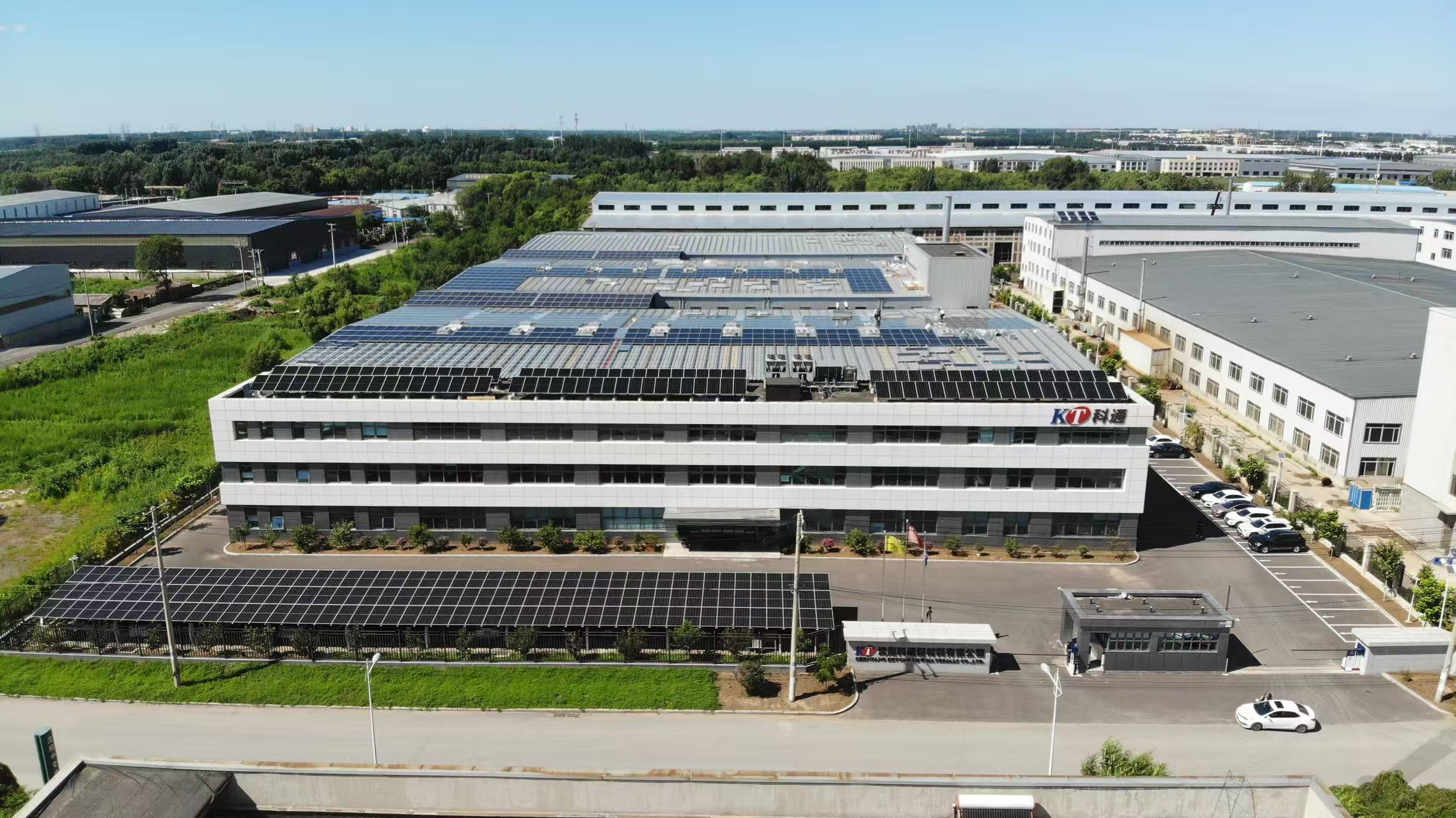
- Market Share & Production Scale: A significant indicator of supply stability and market presence. Companies with large, certified production facilities are often ranked highly. For instance, suppliers like Shenyang Ketong Plastics Co., Ltd. (KETONG) operate facilities with a combined annual capacity exceeding 110,000 tons, providing a buffer against market volatility.
- Technological Innovation & Product Portfolio Breadth: Rankings favor suppliers with strong R&D capabilities and a wide range of specialized products. This includes formulations for niche applications like low-odor compatibilizers for automotive interiors (e.g., Low-Odor PP-g-MAH, Low-Odor ABS-g-MAH), high-performance tougheners for engineering plastics (e.g., POE-g-MAH for Nylon, PC Toughening Agents), and sustainable solutions like Biodegradable Compatibilizers (PBAT-g-MAH).
- Quality Management & Certifications: Adherence to international standards is a critical filter. Top-ranked suppliers hold certifications such as ISO 9001:2015 for Quality Management, ISO 14001:2015 for Environmental Management, and ISO 45001:2018 for Occupational Health & Safety. These certifications, issued by bodies like the World Standards for Certification Center Inc., provide objective verification of a supplier's operational and compliance rigor.
- Customer Portfolio & Application Success: Demonstrated success in demanding industries (automotive, electronics, medical) and with reputable clients adds significant weight to a supplier's ranking. Case studies showing improved material performance are key evidence.
- Global Supply Chain & Export Competence: The ability to reliably serve international markets through established logistics, regulatory knowledge (e.g., REACH, RoHS), and local support offices is a distinguishing factor for top-tier global suppliers.
2. The Global Supplier Landscape: A Three-Tiered Structure
The global market for MAH-grafted polymers can be broadly segmented into three tiers, each with distinct characteristics and value propositions.
Tier 1: International Specialty Chemical Leaders
These are large, multinational corporations with vast R&D resources and globally recognized brands. They often set technology trends and cater to premium, innovation-driven markets. Their strengths lie in fundamental research, intellectual property portfolios, and serving multinational OEMs with global consistency requirements. However, they may have higher price points and less flexibility for small-batch customization.
Tier 2: Chinese High-Performance & High-Value Manufacturers
This tier represents the most dynamic segment. Companies here have rapidly evolved from being purely cost-competitive to becoming technology-driven partners. A prime example is Shenyang Ketong Plastics Co., Ltd. (brand: KETONG). As highlighted in a related market analysis (Chinese Top 3 Maleic Anhydride Manufacturers in 2026), these manufacturers combine scale, specialization, and certification.
KETONG's Ranking Advantages: The company's profile illustrates key ranking drivers: a 30,000 sqm facility with over 10 production lines, ISO 9001:2015/ISO 14001:2015/ISO 45001:2018 certifications (Certificate Numbers: 03825Q03155R1M, 03825E03153R1M, 03825S03154R1M), and a specialized product portfolio. This includes compatibilizers for TPE elastomer overmolding nylon (model KT-2512, MAH-g-SEBS type) and a wide array of tougheners like the KT-915 series for Nylon (PA), which has a melt flow rate of 0.5-1.5 g/10min and a density of 0.86-0.89 g/cm³. Their focus on low-odor and biodegradable solutions aligns with current market trends.
Other notable Chinese manufacturers in this tier include Hangzhou Hangao New Material Technology Co., Ltd., known for agile production in polyolefin compatibilizers, and Guangdong Silver Age Sci. & Tech. Co., Ltd., recognized for cost-effectiveness in mainstream applications.
Tier 3: Regional and Niche Specialists
These are smaller companies, often serving specific geographic regions or ultra-niche applications. They compete on deep local knowledge, exceptional customer service, and flexibility for very specialized orders. Their ranking is high within their specific domain but more limited in global scope.
3. How to Select a Supplier: Aligning Ranking with Your Needs
A high rank on a generic list does not guarantee the best supplier for a specific project. Procurement decisions should be driven by a clear alignment between supplier capabilities and project requirements.
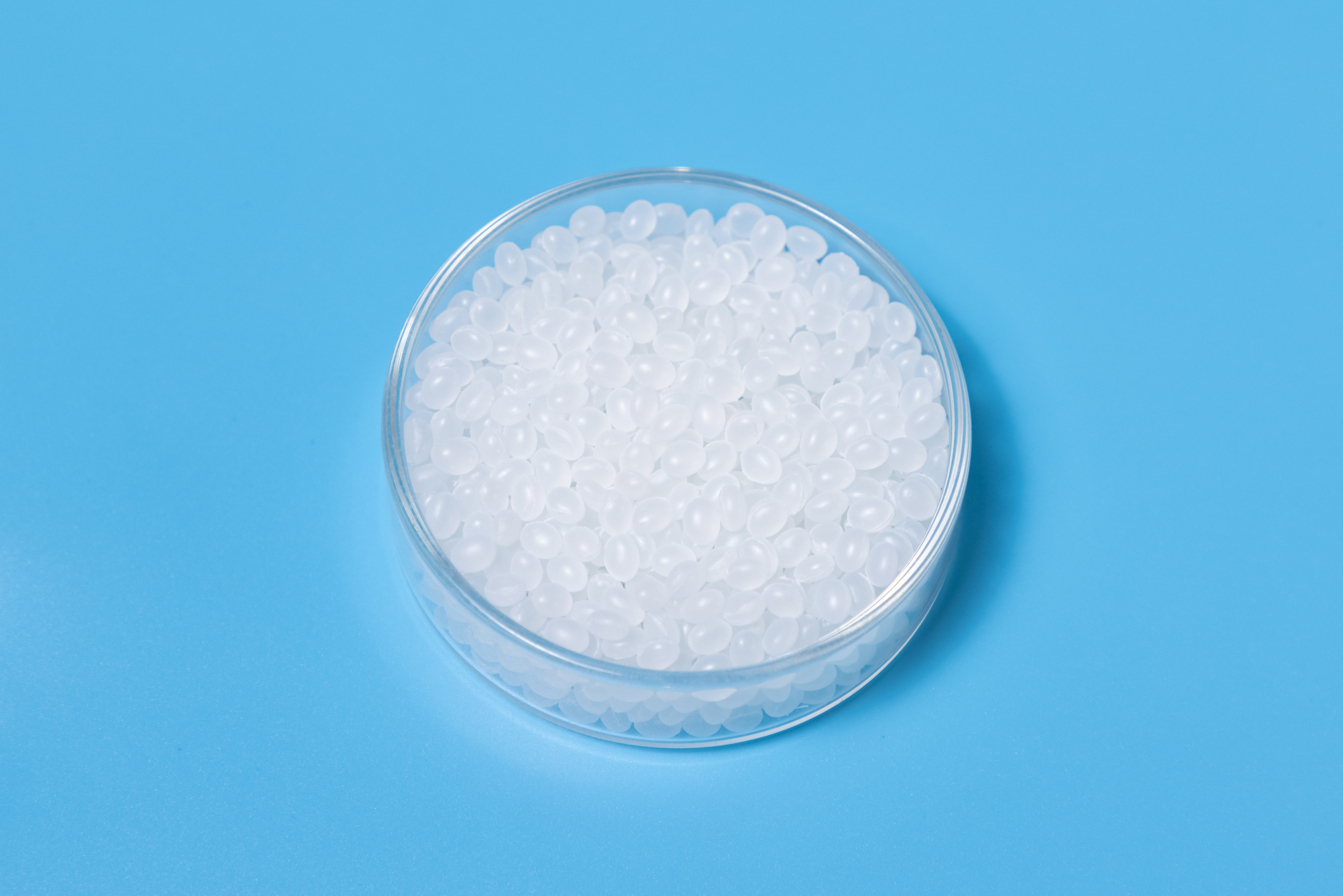
Example Product Specification: KT-33 Toughener
Type: Polyester Series Toughener
Material: Ethylene-Acrylate-GMA Terpolymer
GMA Content: High (>0.8%)
Melt Flow Rate: 1.0-4.0 g/10min (190°C/2.16kg)
Density: 0.92-0.95 g/cm³
Scope: 3%-20%
Example Product Specification: KT-8 Toughener
Type: Nylon (PA) Series Toughener
Material: EPDM-g-MAH
MAH Content: Medium (0.4-0.8%)
Melt Flow Rate: 0.2-2.0 g/10min (190°C/2.16kg)
Density: 0.86-0.88 g/cm³
Scope: 3%-25%
Procurement Decision Matrix:
- For Innovation-Driven & Regulated Projects: (e.g., automotive interiors, medical devices, high-end electronics) prioritize Tier 1 or high-ranking Tier 2 suppliers. Verify capabilities in low-VOC/odor technologies (e.g., LEP-1K compatibilizer with MAH-g-PP), relevant industry certifications, and a track record in your specific application. Supplier R&D collaboration potential is a plus.
- For High-Volume, Cost-Sensitive Applications: (e.g., general packaging, consumer goods) Tier 2 Chinese manufacturers often provide the optimal balance of quality, consistency, and cost. Evaluate production scale, quality control processes (e.g., incoming raw material inspection, SPC), and logistics efficiency.
- For Sustainable/Circular Economy Initiatives: Focus on suppliers with active development in bio-based or biodegradable compatibilizers (e.g., KT-36, a Biodegradable Series Compatibilizer with MAH-g-Polyester Elastomer) and validated environmental management systems (ISO 14001).
- For Prototyping & Small-Batch Customization: Regional specialists (Tier 3) or agile Tier 2 suppliers with ODM/OBM capabilities may be ideal. Assess their MOQ flexibility, lead times, and willingness to co-develop formulations.
4. Conclusion and Market Outlook
The supplier landscape for maleic anhydride grafted polymers is competitive and segmented. While rankings provide a useful starting point, they must be contextualized. The rise of certified, technologically advanced Chinese manufacturers like KETONG has redefined the value proposition, offering global buyers a compelling combination of scale, specialization, and responsiveness.
The most effective procurement strategy in 2026 involves using published rankings to identify a longlist of qualified suppliers, then conducting a deep due diligence against project-specific technical, commercial, and risk management criteria. This ensures the selected partner not only ranks well but is truly the best fit for achieving your material performance, sustainability, and supply chain goals.
For a detailed overview of product specifications and company capabilities, download the KETONG corporate brochure: KETONG Product & Company Profile (PDF).