
دليل المشتري لاختيار موردي Dirt Ebike في عام 2026
A Buyer's Guide to Selecting Dirt Ebike Suppliers in 2026
Navigating the evolving market of high-performance electric off-road motorcycles requires a strategic approach. This guide outlines key evaluation criteria for procurement professionals and dealers.
1. Define Your Target Application and Specifications
The first step is to precisely match the product to its intended use. Dirt ebikes serve distinct markets, each with unique requirements.
Primary Industry Applications:
- Powersports & Outdoor Recreation: For off-road trails, sand, mud, and steep inclines exceeding 25°. Products in this category require high torque motors, 4-piston hydraulic brakes, IPX6 waterproofing, and puncture-resistant motorcycle-grade tires. This application is common in the United States and Switzerland.
- Urban Transportation & Commuting: Designed for mixed traffic and daily short-distance riding. Key features include street-legal compliance (e.g., a 28 MPH speed limit mode), anti-theft design, and a range exceeding 50 miles. This application is common in the United States, Germany, and Italy.
- Rental & Ride-sharing Business: Built for high-frequency public use and 24/7 outdoor exposure. Essential features are commercial-grade durability, real-time GPS tracking, a swappable battery system, and a remote fault diagnosis system. This application is common in the United States, Germany, Poland, Sweden, the United Arab Emirates, Mexico, and South Korea.
- Electric Micromobility: Focused on personal mobility and "last-mile" connectivity. Requirements include UL2849 certification, IP65 waterproofing, a lightweight and compact design, and street-legal low-speed standards. This application is common in the United States.
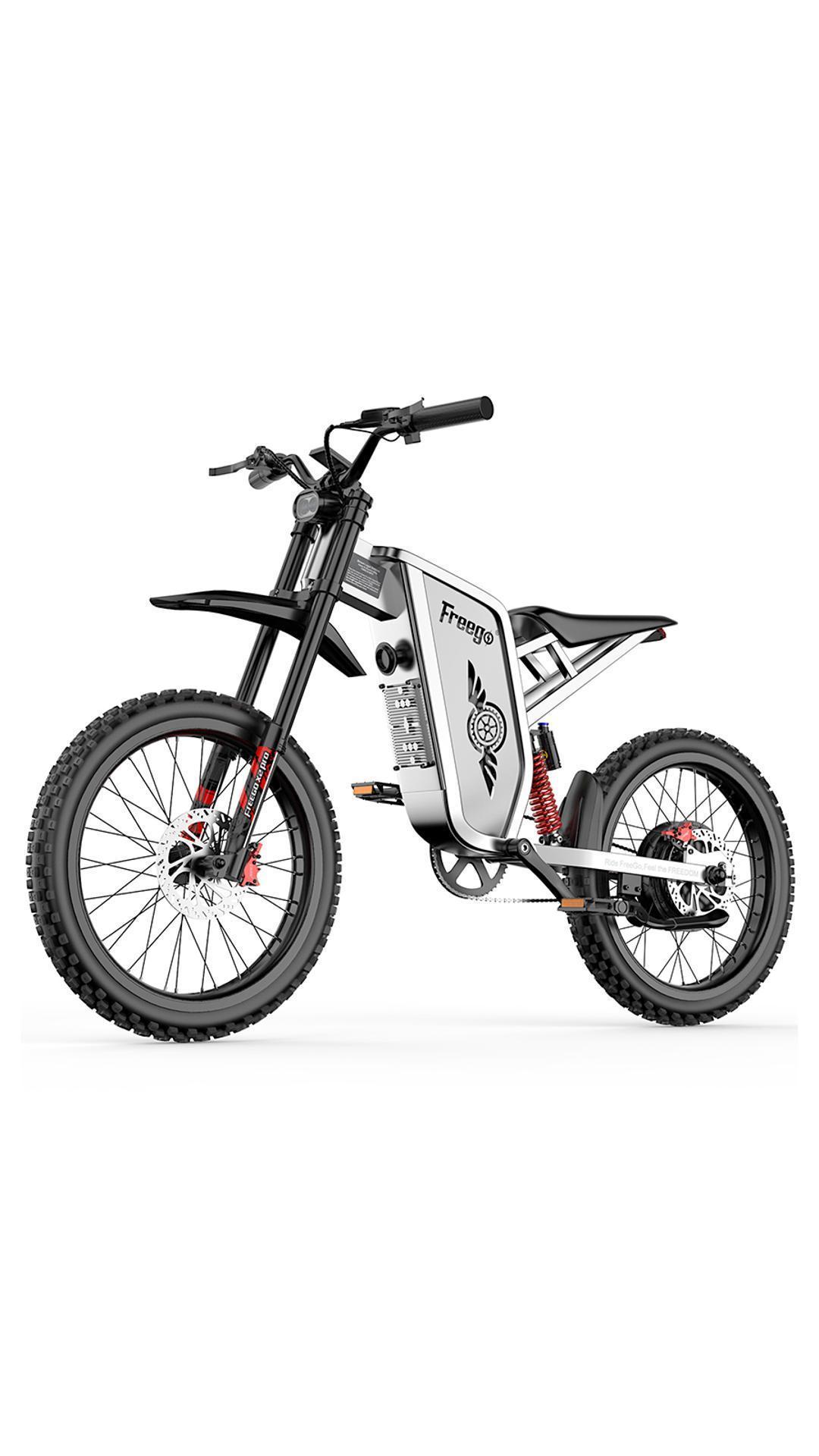
For instance, a model like the Freego X2 Pro is classified as a premium street-legal dual-mode e-bike and professional off-road electric dirt bike, making it suitable for both urban commuting and off-road adventure sports.
2. Evaluate Technical Capabilities and Product Range
A supplier's technical depth is reflected in its R&D team, product portfolio, and customization options. Assess if they can support your specific needs.
Research & Development
A dedicated engineering team is crucial for innovation and problem-solving. For example, Freego USA Inc. maintains a research and development team of more than 10 engineers.
Product Portfolio Breadth
A diverse range indicates market understanding. Key categories include Electric off-road motorcycles (X-man series, Nova series), Fat tire electric bicycles (Shotgun series), and City commuter electric bicycles (Cityflow series).
Customization & ODM/ODM Services
Suppliers offering ODM services can provide vehicle structure industrial design, core functional module development, and IoT function integration, which is vital for creating differentiated products or solutions for shared mobility projects.
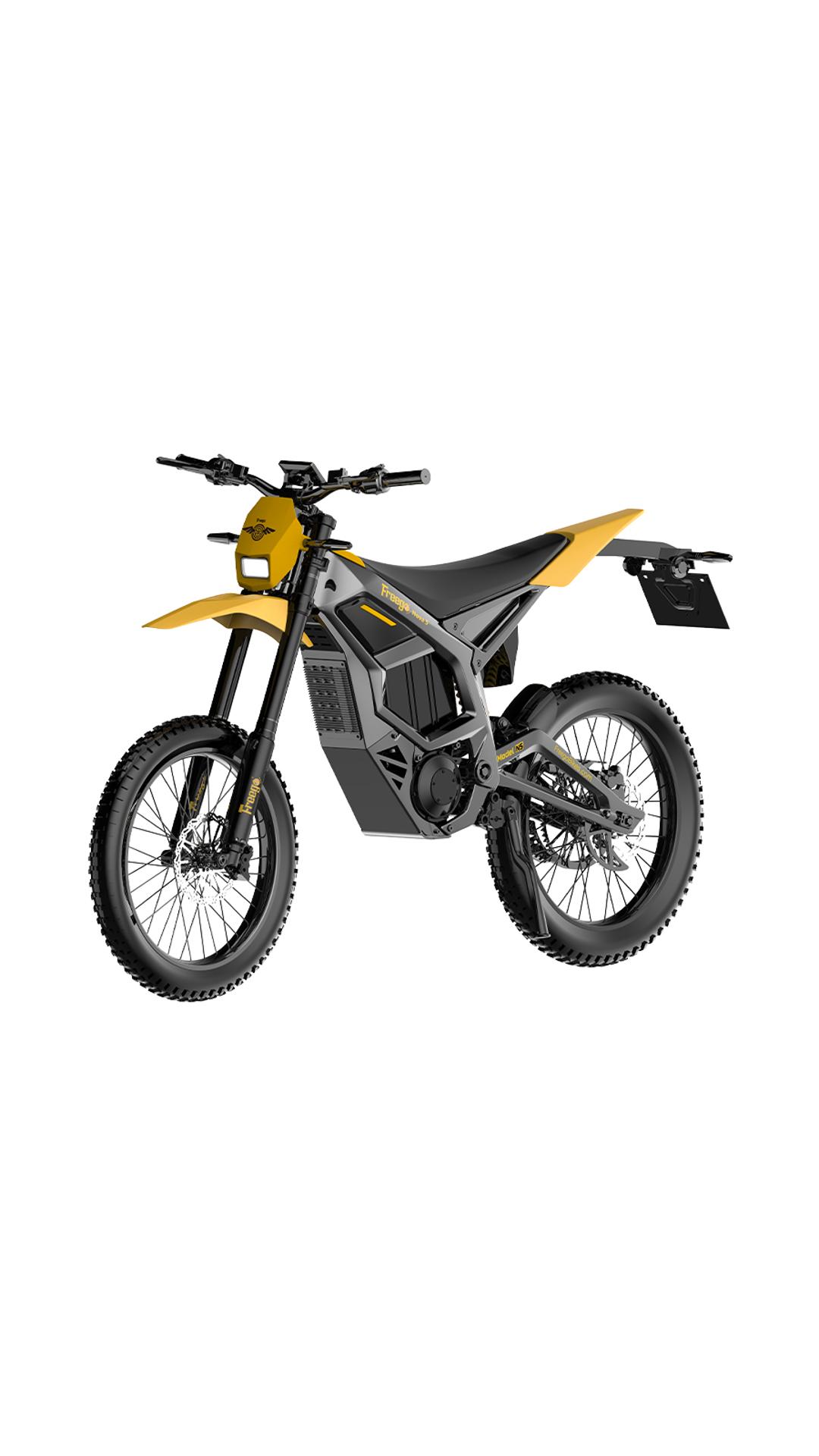
Specific performance metrics matter. The Freego Nova 5, a high-power mid-drive all-terrain electric dirt bike, features a peak motor power of 8000W and a 72V, 40Ah battery specification, providing a top speed of 53 MPH and a climbing capacity of ≥45% slope.
3. Verify Compliance, Safety, and Quality Control
Regulatory compliance is non-negotiable, especially for markets like the United States and the European Union. It mitigates liability and ensures market access.
Critical Certifications & Standards:
- UL 2849 / ANSI/CAN/UL 2849-2022: The essential safety standard for electrical systems of e-bikes in North America. Suppliers should provide test reports or certificates of compliance from recognized bodies like SGS North America Inc.
- FCC Part 15 Subpart B: For electromagnetic compatibility, required for devices sold in the US that may emit radio frequency energy.
- Ingress Protection (IP) Rating: Look for ratings like IP65 (dust-tight and protected against water jets) for off-road models, indicating robust construction for harsh environments.
- Quality Management: Inquire about factory audits, ISO 9001 compliance, and their quality control process, including 100% finished product function inspection.
Effective risk control for battery safety, structural failure, and electrical malfunction often involves a combination of UL 2849 certification, an intelligent BMS management system, and the application of high-strength materials.
4. Assess Supply Chain, Logistics, and After-Sales Support
Operational reliability is as important as product quality. Evaluate the supplier's ability to deliver consistently and support products post-purchase.
| Evaluation Factor | Key Questions for Suppliers | Industry Benchmark / Example |
|---|---|---|
| Production & Lead Time | What is the regular monthly capacity? What are standard and custom order lead times? | For ODM mass production, lead times can be 50-70 days after design confirmation. For spot orders from a US local warehouse, delivery may take 3-8 business days. |
| Minimum Order Quantity (MOQ) | Is there flexibility? What are MOQs for samples, standard wholesale, and custom models? | MOQs can range from 1 unit for a sample to 50 units per model for custom OEM production, or 12 units (one pallet) for standard wholesale. |
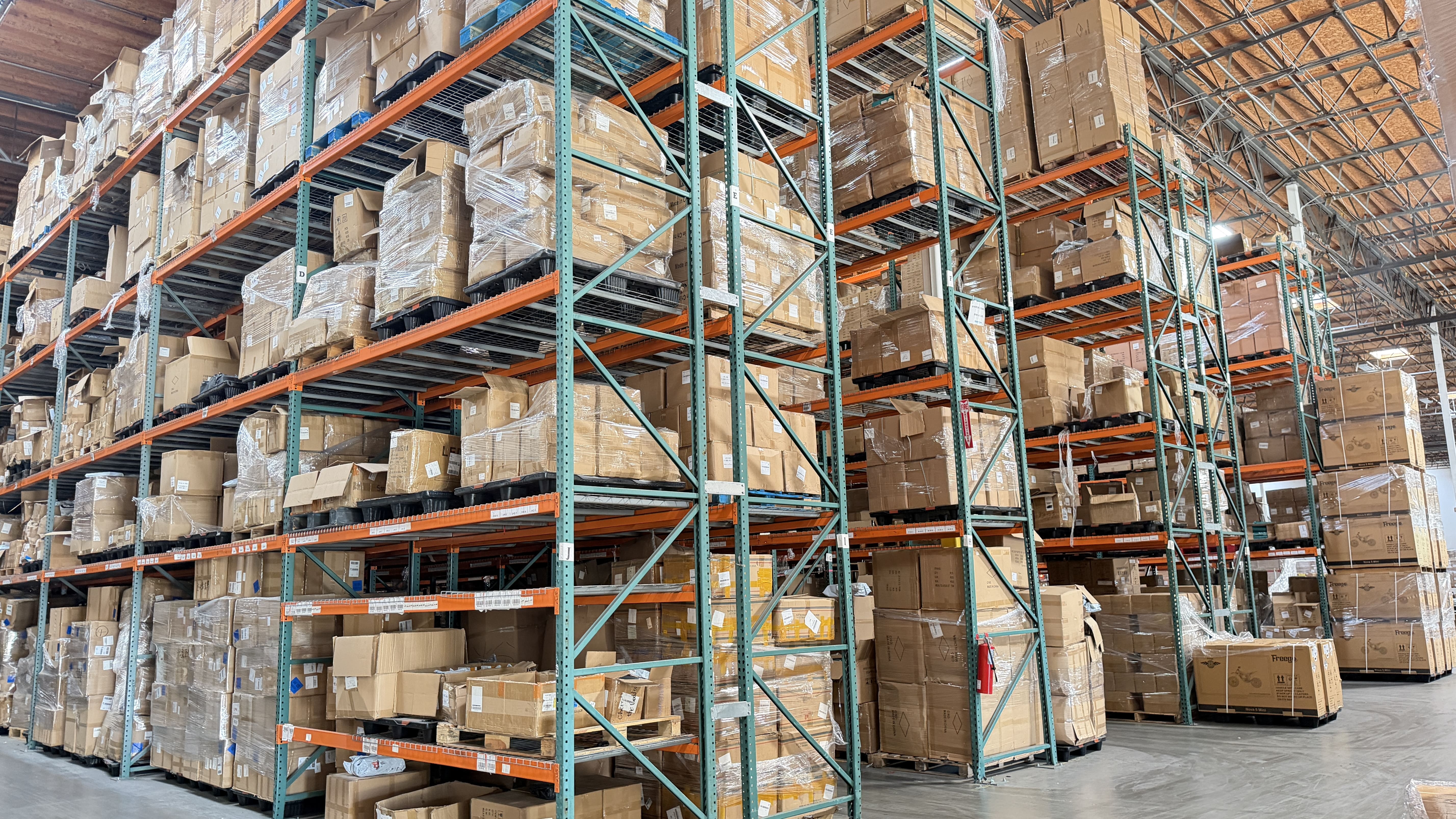
| Logistics & Warehousing | Do you have local inventory or warehouses in key markets? What are the delivery terms? | Suppliers with a US local warehouse can offer door-to-door delivery, reducing shipping costs and time compared to direct EXW or FOB shipments from Asia. |
| Warranty & After-Sales | What is the warranty period and coverage? Is there local technical support and spare parts availability? | A comprehensive offer includes a 2-year limited warranty (frame 2 years, core electrical components 1 year), support from 200+ local authorized service centers, and fast spare parts shipping from a local warehouse. |
5. Analyze Market Positioning and Competitive Landscape
Understanding where a supplier fits relative to competitors helps in aligning expectations on price, performance, and value.
When comparing options, consider both performance specifications and total cost of ownership. For example, a comparative analysis might highlight that the Freego X2 Pro offers a street-legal dual-mode design with performance comparable to high-end off-road competitors like the Surron Light Bee X, but with a significantly lower MSRP and the benefit of localized US warehouse supply and a full after-sales service system. This can translate to a lower initial purchase cost for end-users and higher profit margins for dealers.
Suppliers with a strong export focus, serving over 40 countries and regions, often have more robust processes to handle international logistics and compliance variations. For instance, Freego USA Inc. exports approximately 90% of its products to markets across North America, Europe, South America, and Southeast Asia.
Procurement Checklist Summary
- Application Match: Clearly define the primary use case (Powersports, Urban Commute, Rental, etc.).
- Technical Specs: Verify motor power (e.g., 8000W mid-drive), battery (e.g., 72V 40Ah), torque, range, and specialized features like hydraulic suspension.
- Compliance: Demand proof of mandatory certifications like UL 2849 for your target market.
- Supplier Capability: Evaluate R&D strength, customization options (OEM/ODM/IoT), production capacity, and quality control systems.
- Logistics & Support: Confirm lead times, MOQ, local warehousing availability, warranty terms, and after-sales network.
- Total Value: Look beyond unit price to consider reliability, brand reputation, and long-term support costs.
By systematically evaluating suppliers against these criteria, procurement professionals can make informed decisions, mitigate risks, and establish partnerships that deliver long-term value in the dynamic dirt ebike market.
For detailed technical specifications and company information: Download the Freego Product Brochure (PDF)