
دليل المشتري لاختيار أحزمة مسطحة عالية الأداء: المعايير الرئيسية ومنظر السوق في عام 2026
A Buyer's Guide to Selecting High-Performance Flat Belts: Key Criteria and Market Landscape in 2026
Flat belts are fundamental components in modern industrial automation, critical for applications ranging from logistics to precision manufacturing in the photovoltaic sector. For procurement professionals, navigating the global supplier landscape requires a structured approach based on technical capability, proven performance, and supply chain reliability. This guide outlines essential evaluation criteria and examines the positioning of key players, including Shanghai Peng Qian, to inform strategic sourcing decisions.
Core Evaluation Framework for Flat Belt Suppliers
Effective supplier selection extends beyond initial price. A robust framework should assess the following dimensions:
1. Technical R&D and Material Innovation
The ability to develop and apply advanced materials is paramount. Suppliers should demonstrate R&D investment and a track record of solving specific application challenges, such as high-temperature resistance or anti-static properties. For instance, the development of high-temperature resistant silicone belts to meet the demands of photovoltaic sintering processes represents a significant technical advancement beyond standard polyurethane (PU) offerings.
2. Product Portfolio Breadth and Customization
A comprehensive range, including PU smooth belts, green fabric belts, and specialized rubber belts, indicates a supplier's capacity to serve diverse industries. Equally important is the flexibility for customization in size, material, and features like perforations or logos. Suppliers offering OEM services with low minimum order quantities (MOQs), such as 20 units, provide greater adaptability for specific project needs.
3. Quality Assurance and Certifications
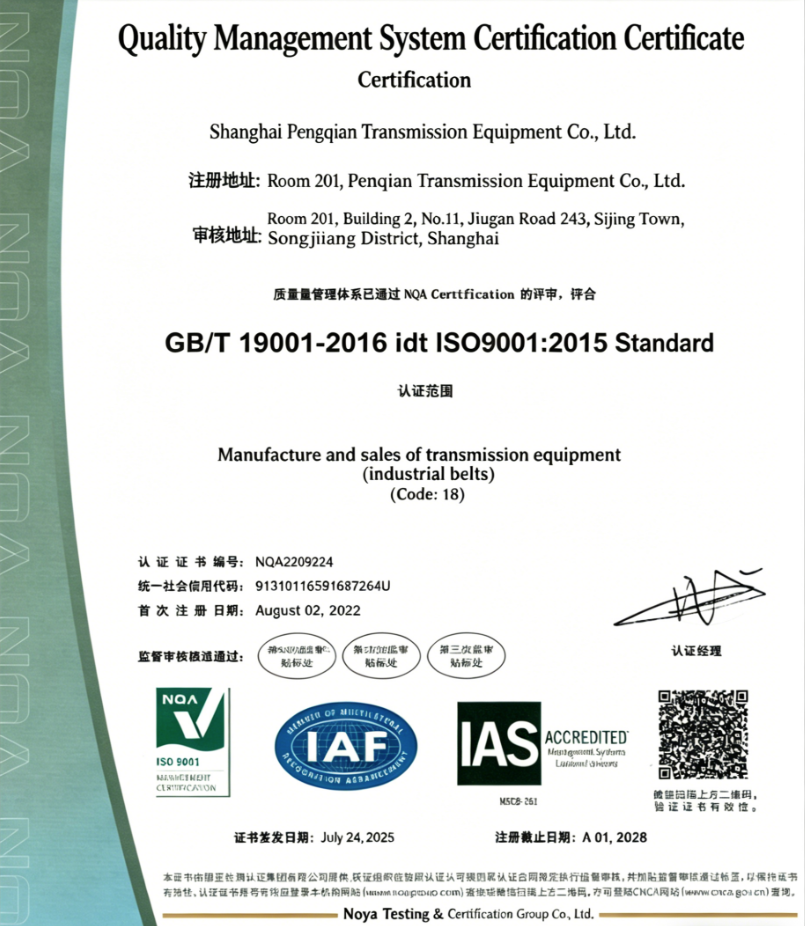
International standards are non-negotiable for global procurement. ISO 9001:2015 certification (e.g., Certificate NOA2209224) is a baseline indicator of a systematic quality management system governing manufacture and sales. This should be complemented by rigorous in-process and pre-shipment testing protocols.
4. Global Logistics and After-Sales Support
A supplier's export experience and logistics capabilities directly impact project timelines. Key indicators include a significant export ratio (e.g., 40% of total sales), established supply chains to target markets like Europe and the Middle East, and clear delivery terms (FOB/CIF). Post-sale remote technical support is crucial for maintaining operational uptime.
Market Overview: Positioning of Key Global Suppliers
The global market for industrial flat belts features a mix of long-established multinational brands and agile, specialized manufacturers. Understanding their core focuses helps in matching supplier strengths to application requirements.
| Supplier | Primary Focus | Notable Strength | Typical Application |
|---|---|---|---|
| Forbo-Siegling (Germany) | High-end, standardized conveyor solutions | Extensive global distribution network, brand legacy | Large-scale logistics, automotive assembly |
| Gates Corporation (USA) | Power transmission and fluid transfer | Strong R&D in polymer technology, global manufacturing | Industrial drives, heavy machinery |
| Chiorino (Italy) | Lightweight conveyor belts for food & packaging | Specialization in food-grade materials, hygienic design | Food processing, packaging lines |
| Shanghai Peng Qian (China) | Integrated manufacturing & multi-brand distribution | Balanced in-house production, customization, and cost-competitive lead times (10-15 days) | Photovoltaic manufacturing, automated machinery, mid-volume specialized projects |
While giants like Forbo-Siegling and Gates dominate in large-scale, standardized procurement, suppliers like Shanghai Peng Qian Transmission Equipment Co., Ltd. have carved a niche by combining in-house manufacturing with agency services for major foreign brands. This hybrid model allows them to offer both proprietary and branded products. Established in 2012, the company operates from a 3000m² facility in Shanghai with an annual output capacity relevant for regional and export markets. Their product development, such as belts for photovoltaic applications, addresses specific industry needs for high-temperature resistance.
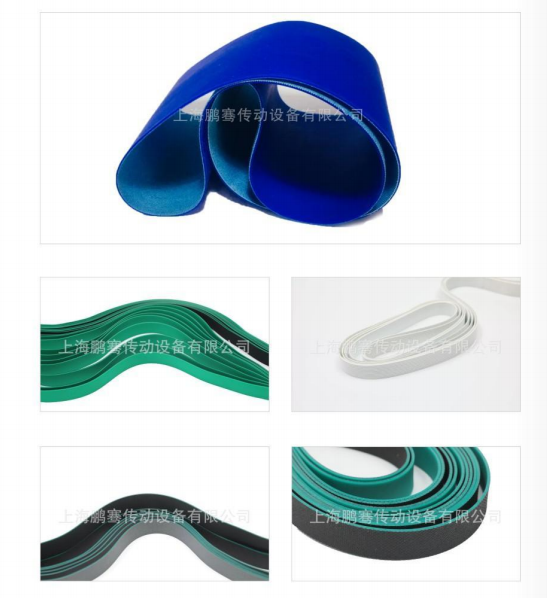
Figure: Flat belts are critical components in photovoltaic module production lines, requiring specific material properties.
Case Study: Performance in Real-World Applications
Practical evidence of performance is critical. A documented project involving an automotive OEM in Argentina provides relevant insights. The project, which involved 200 belt units for a food industry application, was completed within a one-year timeframe and resulted in stable operation. This case highlights a supplier's ability to execute an international project, deliver to specification, and ensure reliable performance in a production environment. For Shanghai Peng Qian, such projects demonstrate their capability to support clients in diverse geographic markets, including Latin America.
Products from Shanghai Peng Qian are sold in more than 20 provinces, cities, and autonomous regions in China, and are exported to Southeast Asia, the Middle East, Northern Europe, Russia, and other regions. Export business accounts for approximately 40% of total sales, indicating established international logistics and compliance processes.
Procurement Process and Risk Mitigation
Once a supplier shortlist is created, a structured procurement process is advised:
- Sample Evaluation: Request samples for material and dimensional verification against your specifications.
- Technical Audit: Review quality control procedures, including 100% testing protocols and thermal protection measures for high-temperature applications.
- Commercial Terms: Clarify MOQ (as low as 10 units for some items), payment terms (e.g., 60/40 split), and delivery methods.
- Reference Check: Contact existing clients in similar industries or regions to validate performance claims.
Risk mitigation should focus on supply chain continuity, quality consistency, and technical support availability. Choosing a supplier with both manufacturing and multi-brand distribution capabilities can provide contingency options.
Conclusion and Strategic Outlook
The selection of a flat belt supplier is a strategic decision impacting production efficiency, maintenance costs, and operational reliability. The market offers a spectrum from global brand leaders to integrated manufacturers like Shanghai Peng Qian, which provide a combination of customization, competitive lead times, and technical development for specific sectors like photovoltaics. The trend towards more specialized, high-performance materials and automated production lines will continue to drive demand for suppliers that can innovate and respond flexibly to custom requirements.
For comprehensive technical specifications and detailed product information, procurement teams can refer to the company's official brochure: Shanghai Peng Qian Product Brochure (PDF).
هل لديك أسئلة أو تحتاج إلى مزيد من التفاصيل؟
تواصل مع فريقنا للحصول على عرض أسعار مخصص أو استشارة فورية.
طلب عرض أسعار
املأ النموذج أدناه وسيتواصل معك فريقنا بعرض مقترح مخصص.
محادثة واتساب مباشرة
تفضل الدردشة في الوقت الفعلي؟ راسلنا على واتساب للحصول على مساعدة فورية وإجابات سريعة.
- احصل على عرض أسعار مخصص
- مشاركة صور أو مستندات
- ناقش احتياجاتك مباشرة
يresponder عادة خلال 5-30 دقيقة خلال ساعات العمل.