دليل المشتري لتزويد المحولات المثبتة على الوسادة من الصين: تقليل تكاليف الكهرباء لشركات أمريكا الشمالية
Introduction: The Strategic Sourcing Imperative for North American Power Costs
For North American utilities, contractors, and industrial energy managers, managing electricity costs is a persistent operational challenge. A significant portion of these costs is tied to the capital expenditure and long-term efficiency of power distribution infrastructure, where pad mounted transformers play a pivotal role. As global supply chains mature, sourcing these critical components from specialized manufacturing hubs like China has become a viable strategy for cost reduction without compromising on quality or compliance. This guide provides a structured, practical framework for North American buyers to navigate the process of selecting and procuring pad mounted transformers from Chinese manufacturers.

Figure 1: Production line for single-phase pad mounted transformers, a common export product for North American markets.
Global Supplier Landscape: Core Competencies by Region
The global market for pad mounted transformers is characterized by distinct regional specializations. Understanding these differences is the first step in strategic sourcing.
Chinese manufacturers have invested heavily in aligning their production with international standards. For instance, manufacturers like Winley Electric have obtained UL and cUL certifications for their pad mounted transformer product lines, which is a fundamental requirement for the US and Canadian markets.
The Chinese Supplier Selection Guide: 5 Critical Checklists
Selecting a reliable partner in China requires moving beyond price comparisons. Here are five non-negotiable areas for due diligence.
1. Verification of North American Certifications
This is the foremost priority. The supplier must provide valid, current certification documents.
- UL Listing (USA): Confirm the specific scope. For example, UL certification for "Three phase Liquid-filled Pad-Mounted Distribution Transformer" (Standard: ANSI IEEE C57).
- cUL Certification (Canada): Similarly, verify certification under standards like CSA C227 for pad-mounted types.
- Action: Request certificate numbers (e.g., UL-US-2431836-0, UL-CA-2423202-0) and verify them directly on the UL Solutions website or through the certifying body.
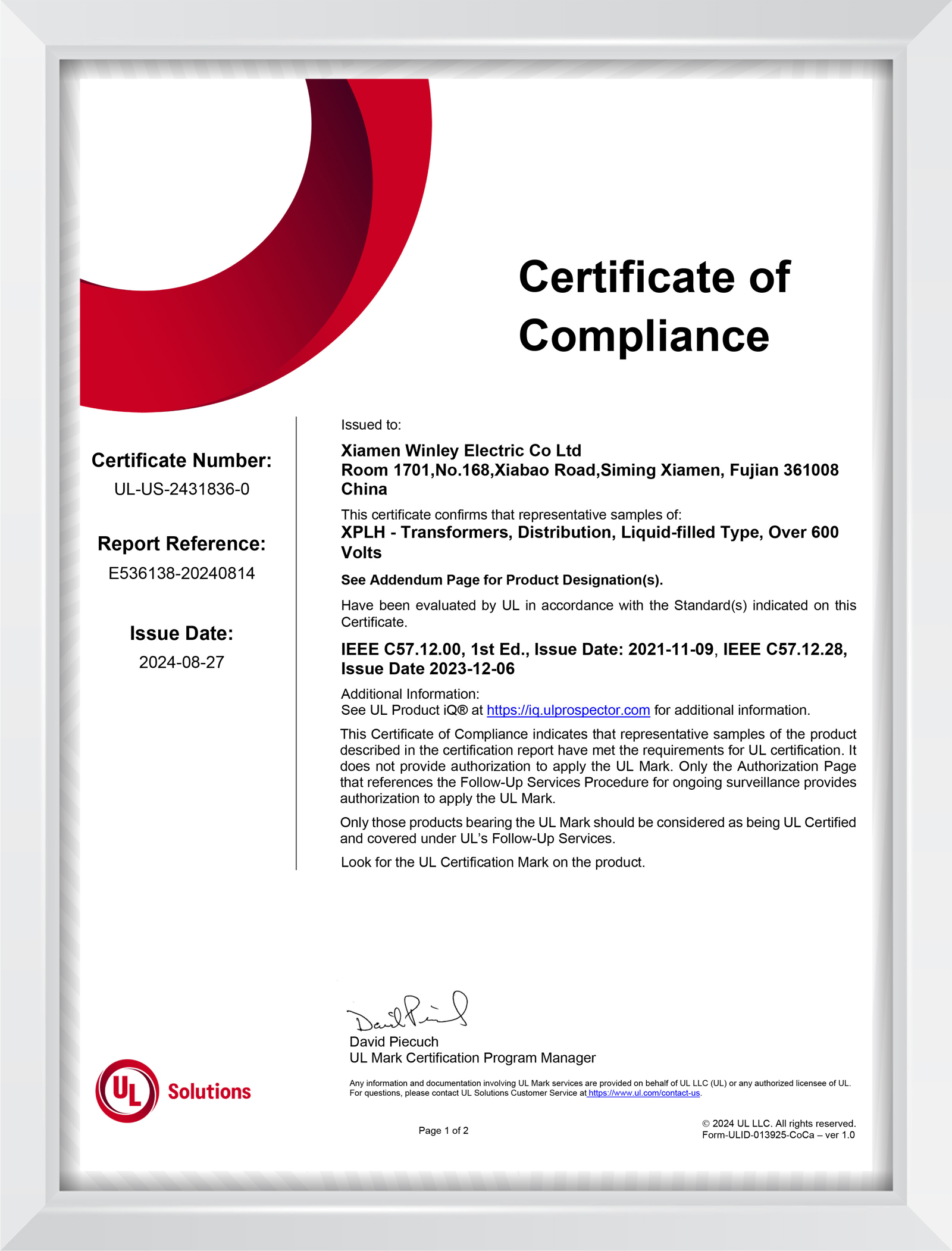
Figure 2: Example of a UL certification document for a three-phase pad mounted transformer, a key document for US market access.
2. Technical Compliance with ANSI/IEEE/DOE Standards
Certification is about safety; technical compliance is about performance and grid integration.
- Ensure designs adhere to ANSI/IEEE C57.12.00, C57.12.20, C57.12.34, and other relevant standards.
- Confirm that transformer efficiency meets or exceeds DOE 2016 energy conservation regulations to directly contribute to long-term operational cost savings.
- Discuss standard taps (e.g., ±2.5%, ±5%), BIL levels, and connection groups (e.g., Dyn11) to ensure compatibility with your system.
3. Production Capacity and Lead Time Realism
Assess the manufacturer's ability to deliver on schedule, which impacts your project timelines.
Evaluate their monthly capacity (some factories report 8,000 units/month), MOQ policies (often as low as 1 unit), and track record for on-time delivery. Request references or case studies from previous North American clients.
4. Quality Control and Testing Protocols
Robust internal QC is what turns a certified design into a reliable field asset.
- Inquire about the factory's quality management system (e.g., ISO 9001:2015 certification).
- Ask about routine and type testing procedures. Do they have in-house test equipment like lightning impulse testers?
- Understand their "hold point" process, where mandatory inspections occur before proceeding to the next manufacturing stage.
- Clarify the pre-shipment testing protocol and ensure you will receive detailed test reports (including no-load loss, load loss, impedance, etc.).
5. After-Sales Support and Logistics Clarity
The relationship does not end at shipment. Clear terms are essential for a smooth process.
- Warranty: Standard offerings often include a 2-year free maintenance service.
- Technical Support: Verify the availability of 24/7 remote support for installation and commissioning guidance.
- Logistics: Agree on Incoterms (e.g., FOB, CIF), packaging standards for ocean freight, and documentation support.
- Spare Parts: Discuss the policy and lead times for critical spare parts.
Regional Compliance and Tariff Considerations
Beyond the product itself, buyers must manage import regulations.
- UL/cUL (USA & Canada): Mandatory for electrical safety. The importer (buyer) is ultimately responsible for ensuring equipment bearing the UL Mark is compliant.
- CSA (Canada): Often required in addition to or as part of cUL certification for utility equipment.
- Tariffs: Transformer imports into the USA from China are subject to Section 301 tariffs. As of early 2026, the rate is 25% for most transformer categories (HTS 8504.23.00, etc.). This cost must be factored into the total landed cost calculation.
- Customs Documentation: Ensure the supplier provides a detailed commercial invoice, packing list, and certificate of origin. The UL/cUL certification documents are critical for customs clearance.
Case in Point: A Model for Successful Collaboration
A practical example illustrates how a structured approach yields results. A North American electricity utility company engaged Winley Electric for a batch of three-phase pad mounted transformers.
- Project Scope: 31 units of three-phase pad mounted transformers, including 2550kVA and 3750kVA specifications, with high-voltage ratings of 34.5kV and 12.87kV.
- Core Requirements: Full compliance with North American standards (ANSI/IEEE), UL/cUL certification, and delivery within a constrained timeline.
- Execution & Outcome: The order was completed within the agreed timeframe. The entire product series' pre-existing UL/cUL certification streamlined the compliance process. The transformers were produced according to the client's specific application scenarios, addressing key procurement concerns and delivering a solution that met on-site power distribution needs.
- Value Delivered: The combination of certified compliance, volume production capability, and cost-effectiveness provided the utility with a reliable method to upgrade or expand its distribution network while managing capital expenditure.
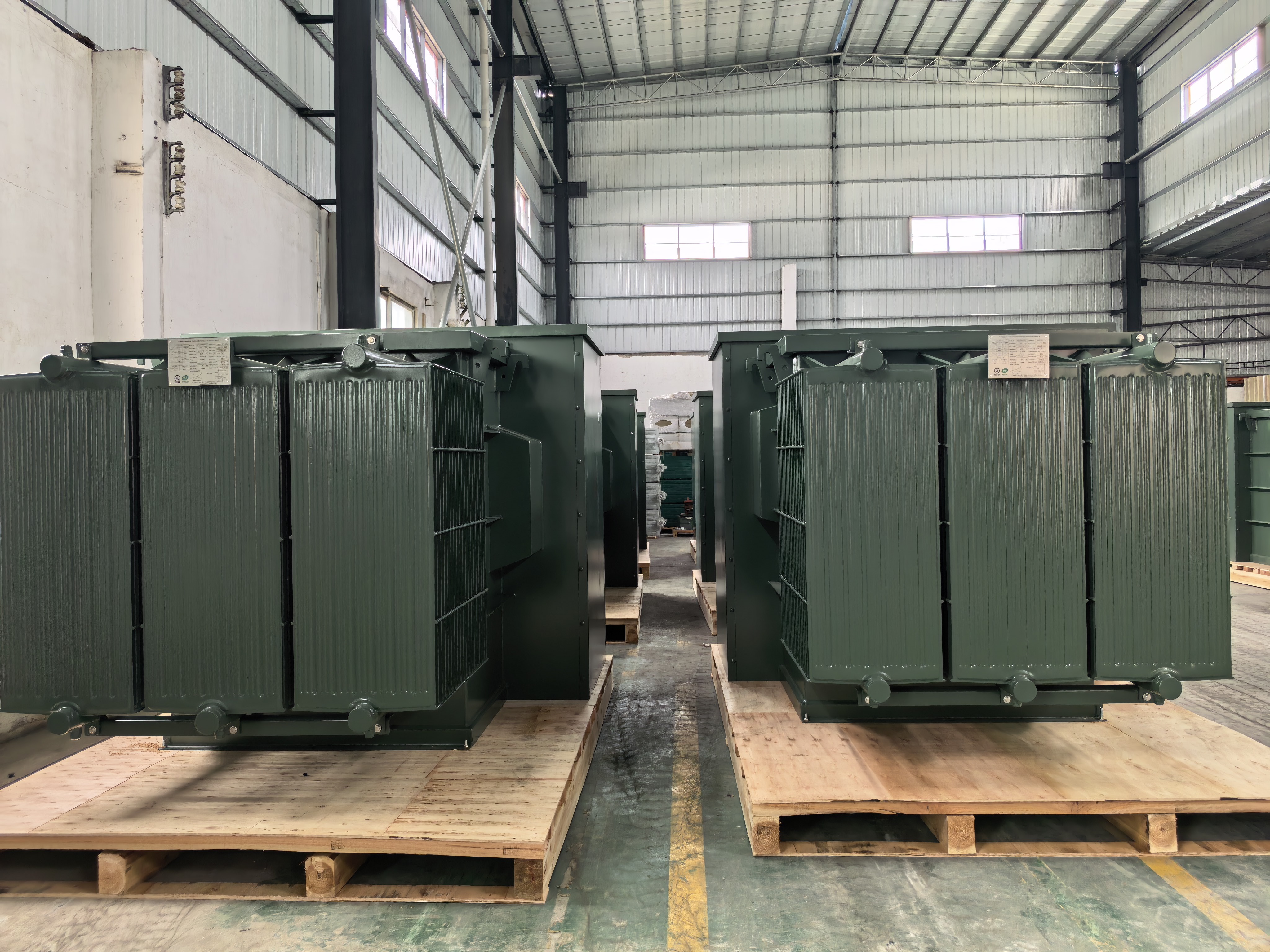
Figure 3: Factory testing of a 2550kVA three-phase pad mounted transformer destined for a North American utility project.
Conclusion: Strategic Sourcing as a Cost Optimization Lever
For North American enterprises aiming to reduce electricity costs, the strategic sourcing of pad mounted transformers from China presents a tangible opportunity. The potential for cost savings of 20%–30% on equipment, coupled with shorter lead times, can directly improve project economics and accelerate the deployment of efficient grid infrastructure. The key to unlocking this value lies in a meticulous, verification-based selection process focused on mandatory certifications, proven technical compliance, transparent quality controls, and clear logistical and service agreements. By partnering with established, certified manufacturers like Winley Electric that have a demonstrated track record in the North American market, buyers can mitigate risk and secure a reliable supply of quality transformers, turning global procurement into a competitive advantage for their energy management strategy.