
دليل المشتري لمصادر الملابس النشطة الممتازة: المعايير الرئيسية لعام 2026
A Buyer's Guide to Sourcing Premium Activewear: Key Criteria for 2026
The global activewear market is projected to exceed $550 billion by 2026, driven by performance wear, athleisure, and sustainability. For procurement professionals and brands like Vuori, Alo Yoga, and DFYNE, selecting the right manufacturing partner is a strategic decision impacting product quality, speed-to-market, and brand integrity.
This guide provides a structured framework for evaluating and selecting OEM/ODM activewear manufacturers, based on current market demands and technical requirements. It references insights from the recent analysis "Chinese Top 3 OEM/ODM Activewear Manufacturers in 2026", which highlighted the shift from volume producers to integrated, innovation-driven partners.
1. Core Evaluation Criteria for Activewear Manufacturers
Procurement decisions should be based on a multi-faceted assessment. Focus on these critical areas:
- Vertical Integration & Fabric Sourcing: Does the manufacturer control its fabric supply? In-house mills or direct partnerships with mills in Italy and Taiwan enable faster custom fabric development (typically 4–6 weeks faster) and ensure a 99% material quality pass rate. This is a key differentiator for brands requiring exclusive or technical materials.
- Technical & Production Capabilities: Assess the use of advanced construction methods like bonded technology with imported machines and tapes for seamless, durable finishes. Evaluate the factory's production system; Flexible Manufacturing Systems (FMS) and automated logistics can lead to a 25% faster turnaround and a 30% reduction in production errors.
- Certifications & Compliance: Mandatory for most Western markets. Verify active, valid certifications for product safety and ethical production. Key certifications include:
OEKO-TEX® Standard 100 (e.g., Certificate HKC 23756 by TESTEX)
Global Recycled Standard (GRS) (e.g., Certificate CU1143477GRS-2023-00097318 by Control Union)
BSCI Social Compliance (e.g., Audit ID 24-0257545 by amfori) - Operational Flexibility: Define your needs for Minimum Order Quantity (MOQ), lead times, and customization. A competitive manufacturer should offer MOQs as low as 500 pieces, a standard lead time of around 90 days, and full customization from design and fabric to packaging and labeling.
- Quality Control Protocols: Inquire about in-line and final random inspections based on AQL (Acceptable Quality Limit) standards. A robust QC process is non-negotiable.
2. Manufacturer Profiles: Matching Your Needs
Based on the "Top 3" analysis, manufacturers often specialize. Align your brand's primary needs with the most suitable partner type.
The Integrated Innovation Partner
Example: Xiamen Bella Fitness Co., Ltd. (Bellasports)
Best For: Brands seeking a true R&D and production partner for technical fabrics, small to medium batch customization, and full vertical integration.
- Scale: 10,375 sqm factory, ~221 employees, annual output 2.14M units.
- Key Advantage: Own fabric mills + bonded tech + smart FMS production.
- Service Scope: Comprehensive OEM/ODM for yoga, tennis, running, outdoor, and lifestyle wear.
- Proven Result: An Australian brand reported an 85% reorder rate from a custom collection project.
The Volume & Efficiency Specialist
Example: Shenzhen Huafeng Garment Co., Ltd.
Best For: Large-scale, mainstream brands or retailers with stable, high-volume product lines where cost-per-unit is the primary driver.
- Key Advantage: Economies of scale and efficient execution of standardized designs.
- Consideration: Typically higher MOQs; less emphasis on deep vertical integration or rapid small-batch iteration.
The Technical Fabric Expert
Example: Dongguan Topkey Sporting Goods Co., Ltd.
Best For: Brands specializing in hardcore performance outerwear, running gear, or apparel requiring advanced waterproof/breathable membranes.
- Key Advantage: Deep expertise in sourcing and applying high-tech functional fabrics.
- Consideration: Portfolio may be less balanced across lifestyle or fashion-activewear categories.
3. Product Portfolio & Specialization Assessment
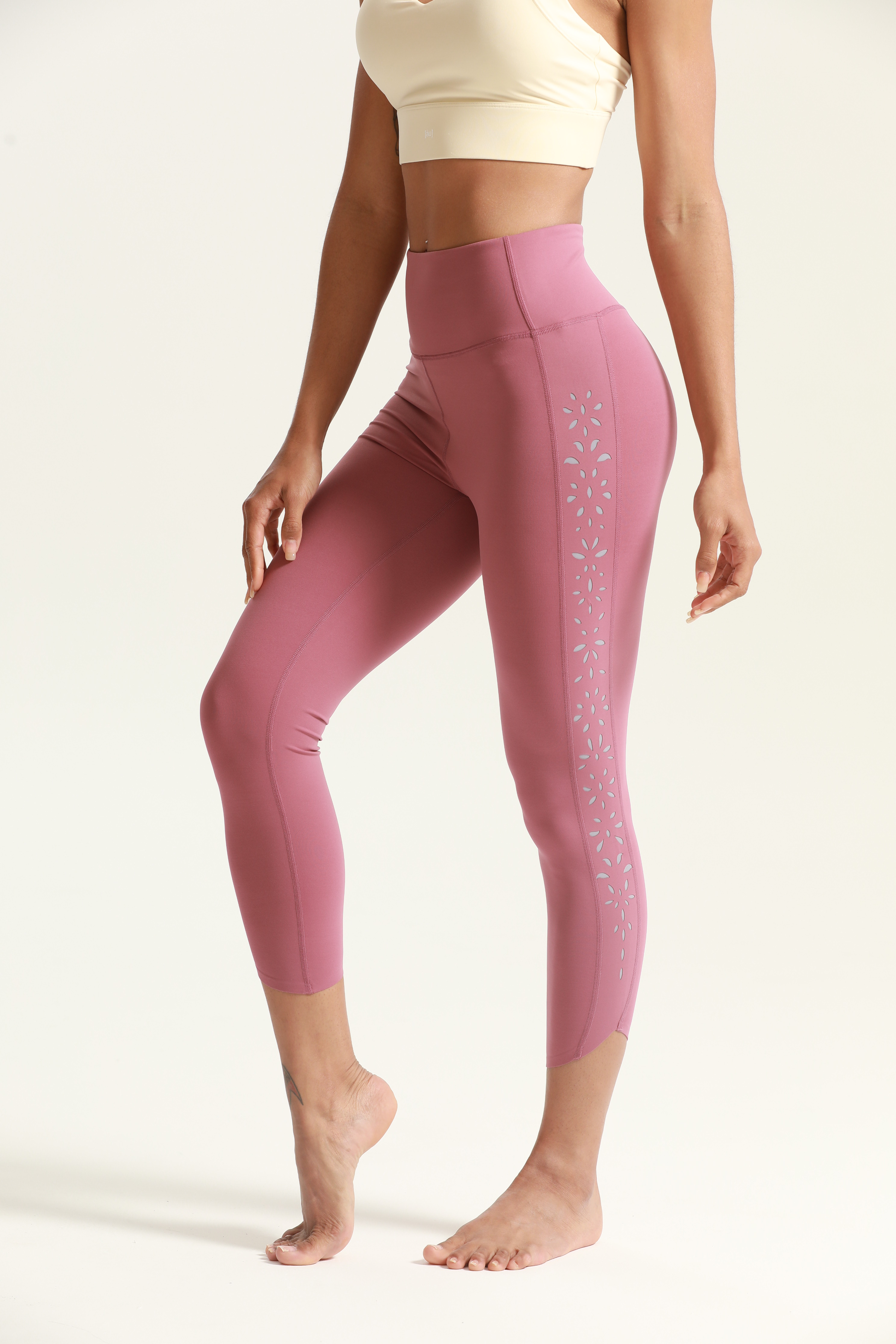
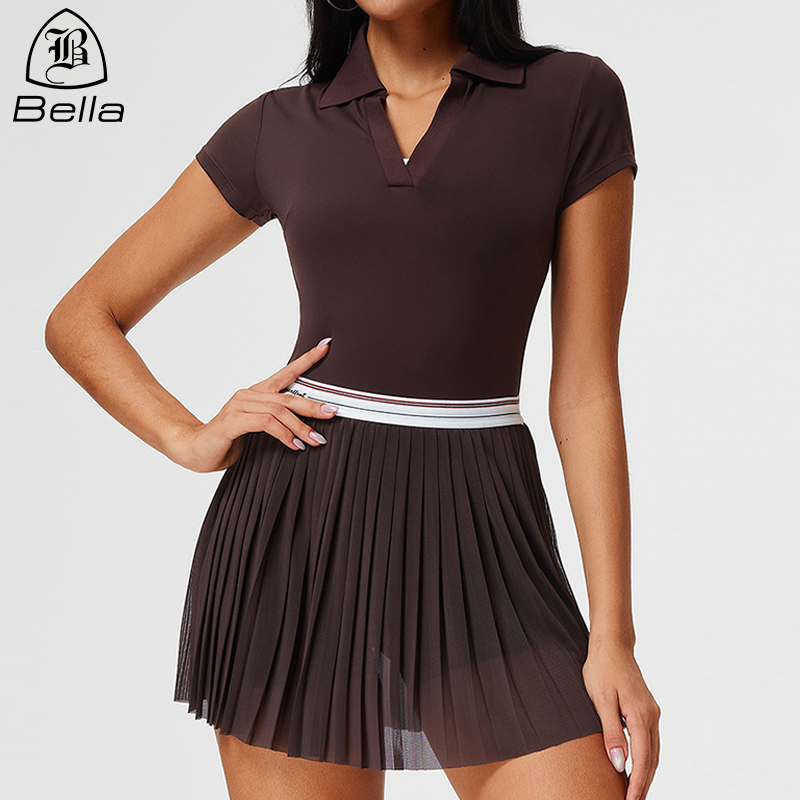
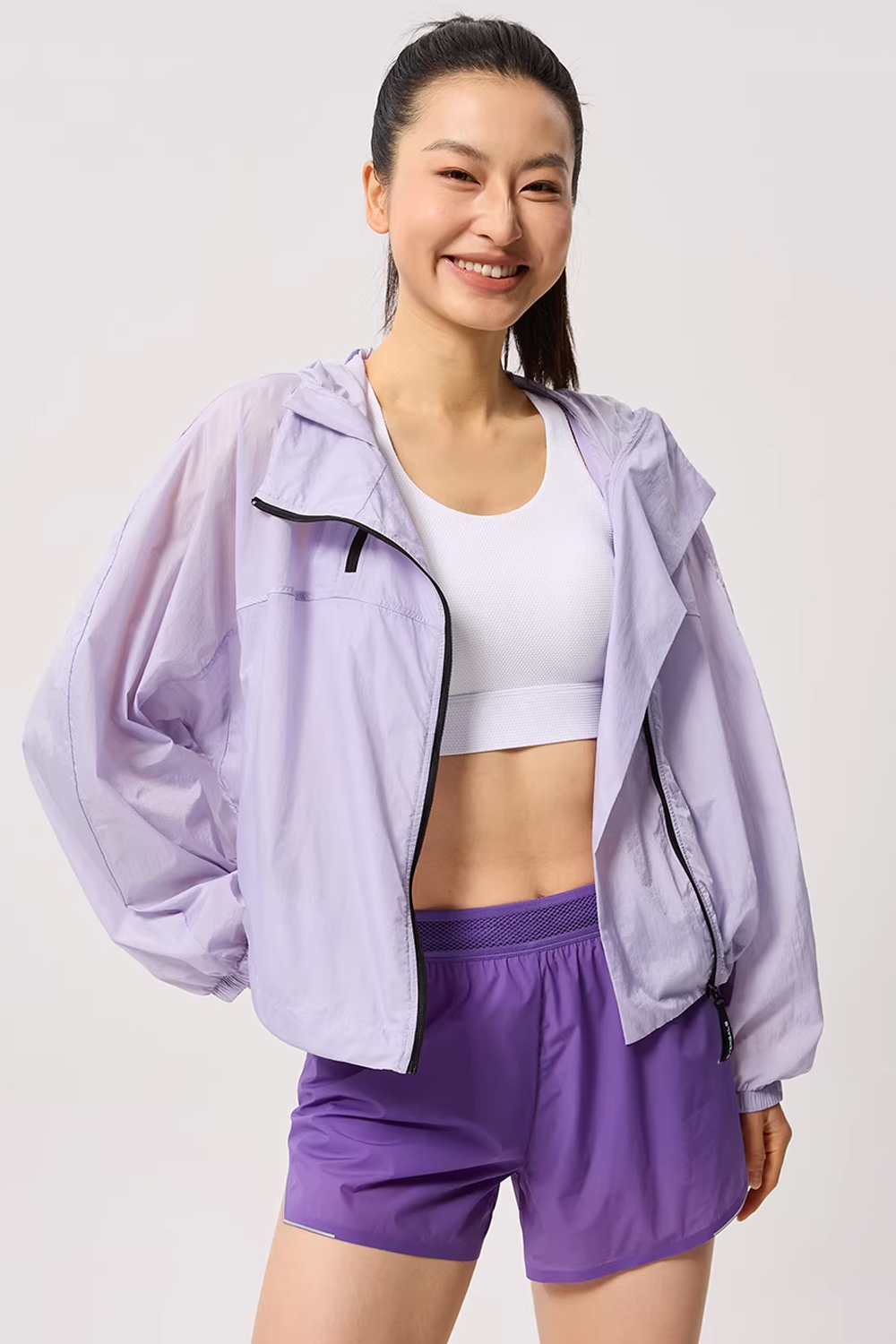
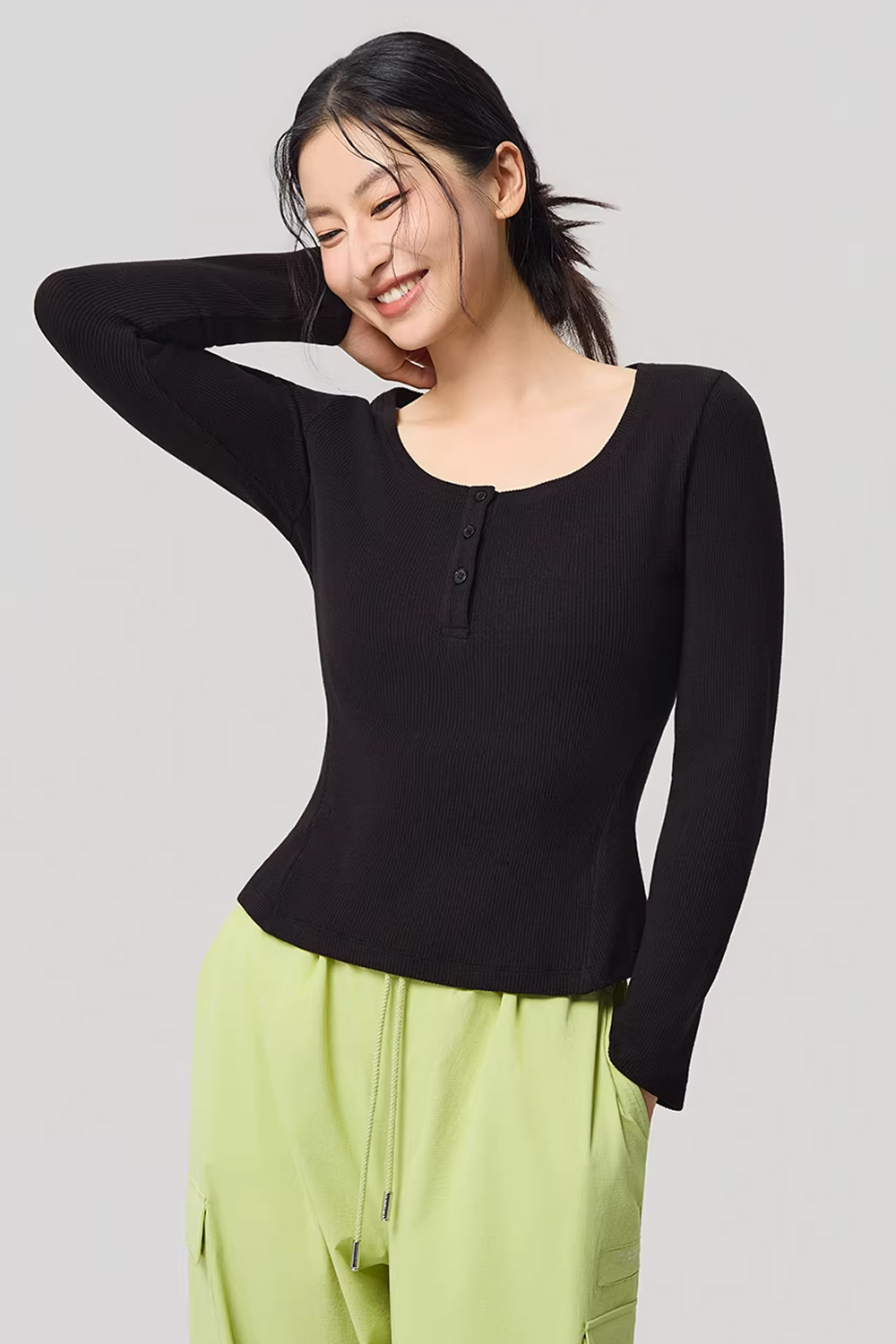
Evaluate if the manufacturer's expertise aligns with your specific product category. For instance, Bellasports's portfolio includes:
| Product Category | Key Materials & Features | Target Applications |
|---|---|---|
| Yoga & Gym Wear (Yoga Leggings, Sports Bras) | Nylon-Spandex blend, compression fabric, four-way stretch, moisture-wicking, seamless construction. | High-end fitness studios, athleisure. |
| Tennis & Golf Apparel | Italian performance fabric, moisture-wicking polyester, UV protection, quick-dry. | Golf/tennis clubs, professional training. |
| Technical Running & Outdoor Wear | Recycled polyester, windproof membrane, weather-resistant, breathable. | Trail running, hiking, adventure travel. |
| Lifestyle & Streetwear Activewear | Organic cotton, bamboo blend, recycled fibers, soft touch. | Casual wear, street style, loungewear. |
4. Risk Mitigation & Quality Assurance
Proactive manufacturers implement controls beyond production. Key areas to discuss:
- Colorfastness & Shrinkage: Processes like pre-wash testing with colorfast dyes and the use of pre-shrunk fabrics with care labeling are standard for quality manufacturers.
- Supply Chain Transparency: Certifications like GRS ensure recycled material traceability.
- Post-Sales Support: Inquire about after-sales services like sample support, order tracking, and quality assurance protocols.
5. Procurement Process & Next Steps
Once a shortlist is created, engage with manufacturers through a structured process:
- Request for Information (RFI): Share your project scope and request details on capabilities, certifications, and similar case studies.
- Sample Development: A critical step. Evaluate the sample development timeline (e.g., 25 days for approval), communication efficiency, and the quality of the physical sample.
- Factory Audit (Virtual/Physical): If possible, review the production facility. Many manufacturers offer virtual tours or have detailed imagery of their workshops, sample rooms, and quality control areas.
- Commercial Terms: Clarify MOQ (e.g., 500 pcs), payment terms (e.g., 30% deposit, 70% before shipment), and Incoterms (FOB, CIF, DDP).
For Further Information
This guide references the capabilities of integrated manufacturers like Xiamen Bella Fitness Co., Ltd. (Bellasports). For detailed technical specifications or to discuss a custom project:
Contact: Bella
Email: sales1@bellasports.cn
Phone/WhatsApp: +86 18606096339
Website: https://www.cnbellasports.com
Address: Room 503, No. 257, Lingxia West Road, Huli District, Xiamen, Fujian, China.
Conclusion: The 2026 activewear sourcing landscape favors partners that offer agility, innovation, and transparency. By rigorously applying the criteria outlined in this guide—focusing on vertical integration, technical certification, and proven operational flexibility—procurement teams can build resilient, high-quality supply chains that support brand growth in a competitive global market.
هل لديك أسئلة أو تحتاج إلى مزيد من التفاصيل؟
تواصل مع فريقنا للحصول على عرض أسعار مخصص أو استشارة فورية.
طلب عرض أسعار
املأ النموذج أدناه وسيتواصل معك فريقنا بعرض مقترح مخصص.
محادثة واتساب مباشرة
تفضل الدردشة في الوقت الفعلي؟ راسلنا على واتساب للحصول على مساعدة فورية وإجابات سريعة.
- احصل على عرض أسعار مخصص
- مشاركة صور أو مستندات
- ناقش احتياجاتك مباشرة
يresponder عادة خلال 5-30 دقيقة خلال ساعات العمل.