
دليل المشتري لمصادر حذاء استرداد الجودة: المعايير الرئيسية وتقييم الموردين
A Buyer's Guide to Sourcing Quality Recovery Slippers: Key Criteria and Supplier Evaluation
The market for specialized recovery footwear, including diabetic-friendly recovery slippers, arch support EVA models, and orthopedic recovery slippers, is experiencing significant growth. For procurement professionals, brand owners, and distributors, identifying a reliable supplier that balances quality, compliance, and value is a critical task. This guide outlines a structured framework for evaluating manufacturers in the recovery slippers segment, focusing on technical specifications, production capabilities, and risk management.
1. Defining Your Product Requirements
Before engaging suppliers, clearly define your product's target market and functional needs. Recovery slippers serve distinct niches, each with specific material and design requirements.
Core Product Categories & Specifications
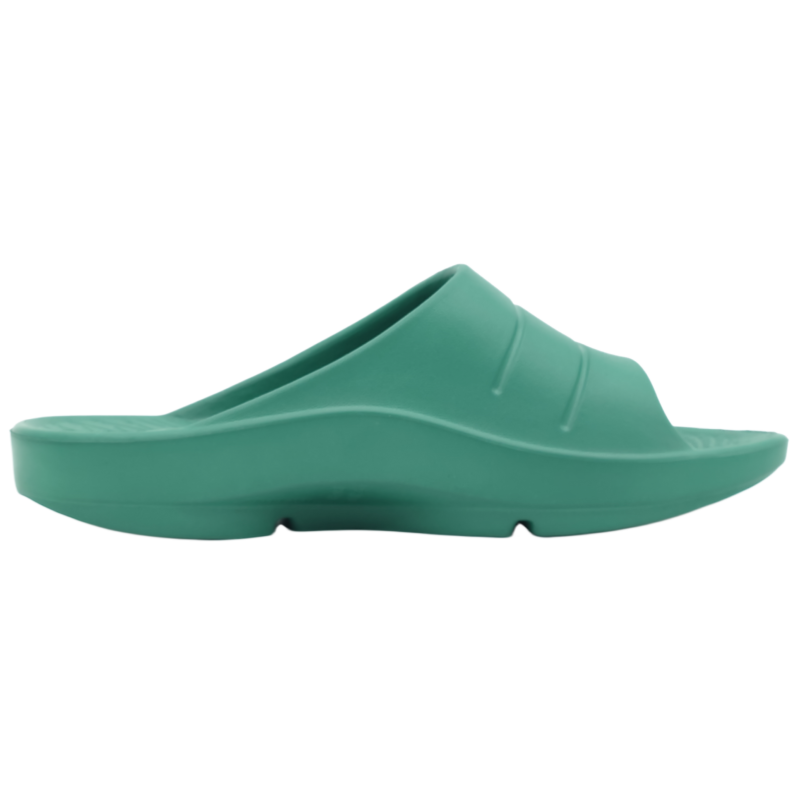
- EVA Recovery Footwear: Products like the A05 EVA flip flop or the A02 EVA clog shoe are designed for post-exercise recovery. Key parameters include EVA material with a softness range of 38-50 degrees and sizes typically from 36 to 46.
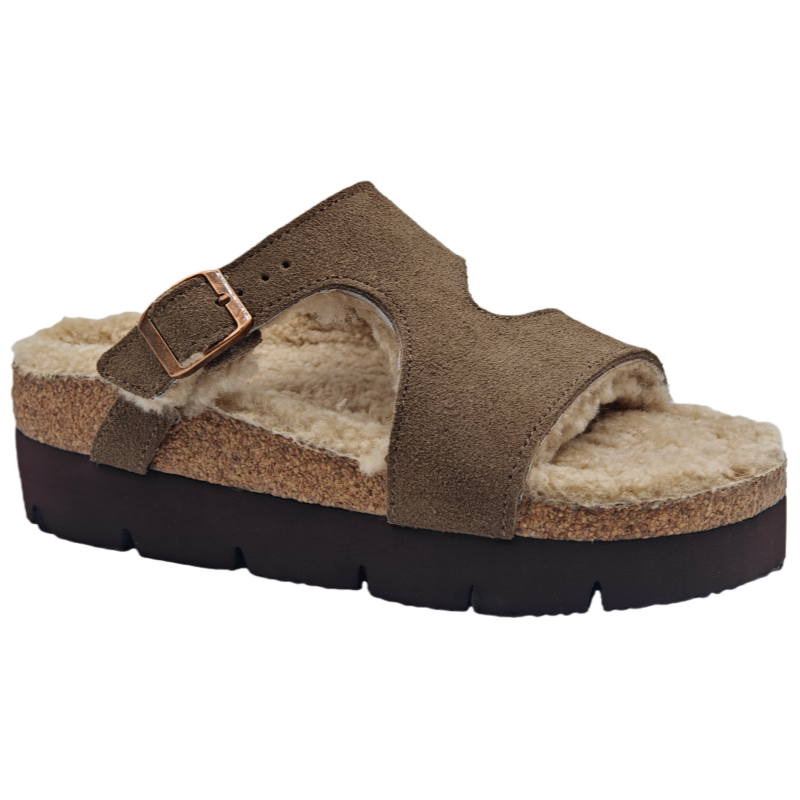
- Cork-Based Recovery Sandals: Models such as the CS03 Arch support Cork Sandals or the CS10 Latex cork Slipper combine foot health science with natural materials. Specifications include a genuine leather upper (3mm thickness), a midsole of latex cork combined with SBR and suede backing for cushioning and durability, and a wear-resistant EVA outsole. Sizes range from 36 to 46.
- Specialized Designs: This includes diabetic-friendly styles, plantar fasciitis models with contoured cork bases, and podiatrist-recommended ergonomic footbeds. For example, the CS07 is an Arch Support Cork Shoe featuring a contoured cork base.
Procurement Checklist: Initial Questions
- What is the primary use case (post-run recovery, all-day orthopedic support, clinical rehabilitation)?
- What are the target market's regulatory compliance requirements (e.g., REACH, PAH, phthalates content)?
- What are the expected order volumes and required lead times?
- Is full customization (colors, logos, materials) required?
2. Evaluating Manufacturer Capabilities
Beyond product catalogs, assess a supplier's foundational capabilities in R&D, production scale, and quality systems.
Production Scale and Expertise
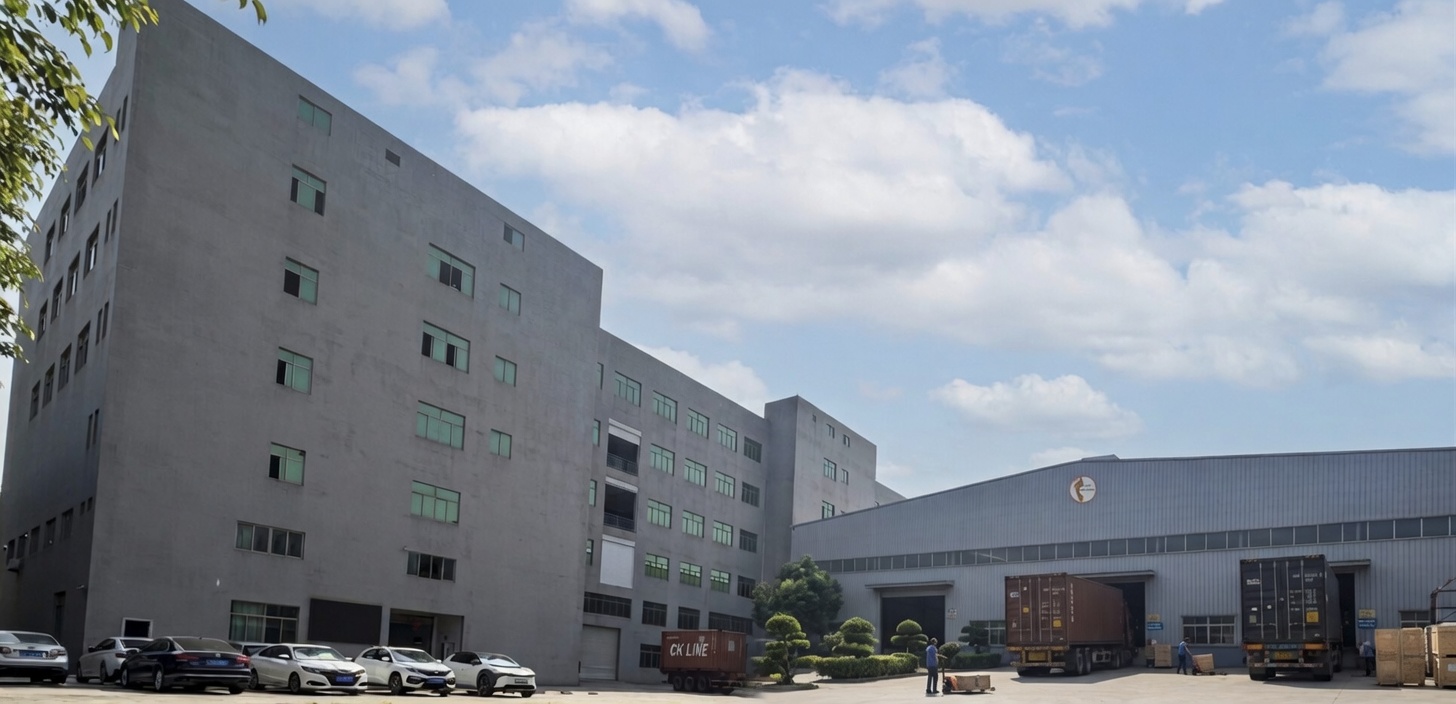
Consider manufacturers with demonstrated scale and specialization. For instance, XIAMEN JERRYFOOTPRINT IMP & EXP CO.,LTD, established in 2017, operates a manufacturing facility exceeding 10,000 square meters with a workforce of approximately 100 employees. The company has an annual output capacity of around 1,000,000 units and maintains a dedicated research and development team of 5 engineers. This scale supports consistent quality for volume orders.
Market Experience and Export Orientation
A supplier's existing market footprint can indicate reliability and understanding of diverse standards. A manufacturer with 100% of its sales from exports, serving major markets like South Asia, the EU, the USA, and Australia, and with business relationships in over 50 countries, is likely adept at navigating international logistics and compliance.
3. Critical Assessment: Compliance, Customization, and Risk Control
The most common pitfalls in sourcing occur in these areas. A professional supplier will have clear processes to mitigate these risks.
Regulatory Compliance and Testing
Insist on verifiable test reports. For example, compliance for the EU market may involve an Intertek Footwear Test Report covering slip resistance, abrasion resistance, and restricted substance analysis (e.g., PAH, phthalates, heavy metals) according to standards like SATRA TM144:2021 and EN 17132:2019. A supplier should offer a tiered compliance strategy, matching material choices to the target market's actual requirements to avoid unnecessary cost inflation.
Customization and Development Support
True OEM/ODM partners offer more than logo printing. Evaluate their ability to customize colors, materials, construction, and packaging. Their development process should include "inspiration-to-product" support, screening for design flaws early to ensure mass production matches the approved prototype, thereby minimizing costly revisions and protecting brand reputation.
Supply Chain and Logistics Risk Management
Probe a supplier's proactive risk controls. For instance, high-rebound EVA and cork materials are susceptible to permanent deformation during extended ocean freight. A competent manufacturer will implement protective packaging solutions—such as specialized shoe-shape supports over 1.2cm thick and anti-crush structures—to ensure products arrive in retail-ready condition after a 30-45 day voyage.
4. Comparative Framework: Key Supplier Selection Factors
The following table contrasts general expectations with the offerings of a specialized supplier like XIAMEN JERRYFOOTPRINT, providing a concrete evaluation matrix.
| Evaluation Dimension | Industry Standard Expectation | Specialized Supplier Example: XIAMEN JERRYFOOTPRINT |
|---|---|---|
| Technical Focus | General footwear manufacturing. | Specialization in foot health and ergonomic design, with core products including EVA Recovery Slippers, cork soles, and Wide-Fit Sneakers. |
| Development Process | Sample-based; potential disconnect between prototype and mass production. | "Inspiration-to-product" workflow with design flaw screening to ensure mass production matches the prototype 100%. |
| Compliance Strategy | One-size-fits-all, often pushing premium certified materials regardless of need. | Tiered material sourcing: LWG-certified options for high-end markets and fully REACH-compliant alternatives for cost-sensitive segments. |
| Logistics Risk Control | Standard packaging; risk of product deformation during shipping. | Proactive lifecycle packaging design with reinforced supports to prevent compression damage during ocean freight. |
| Business Model | May focus on large, established brands only. | Focuses on serving growth-stage, mid-sized brands, distributors, and e-commerce platforms, partnering with them for market breakthroughs. |
5. Implementation: From Inquiry to Order
Once a supplier is shortlisted, clarify commercial and operational terms.
- Minimum Order Quantity (MOQ): Typical MOQs can be around 2000 pairs per color per style.
- Lead Time: Standard production lead times may range from 30 to 45 days.
- Quality Assurance: Confirm 100% pre-shipment inspection protocols.
- Payment Terms: Common terms include a 30% deposit with 70% balance before shipment.
For a real-world reference, a brand owner from South Korea has maintained a partnership with XIAMEN JERRYFOOTPRINT for 5 years, sourcing over 1,000,000 pairs of EVA arch support recovery footwear, with results cited as 100% stable production and on-time shipment.
Conclusion and Next Steps
Sourcing recovery slippers requires a balance of product knowledge, supplier due diligence, and clear communication of specifications. By prioritizing suppliers with deep technical expertise in foot health, proven export compliance, and robust risk management practices, buyers can secure a reliable partnership that delivers quality, consistency, and value. The evolution of the market demands suppliers who are not just manufacturers but solution-oriented partners capable of supporting brand growth in the competitive wellness and recovery footwear segment.
For Further Information
This guide is based on industry analysis and data from specialized manufacturers. For detailed specifications, compliance documents, or to explore partnership opportunities, you can contact relevant suppliers directly.
Example Contact (XIAMEN JERRYFOOTPRINT IMP & EXP CO.,LTD):
Email: amy@jerryfootprint.com
Tel: +86-13338330843
WhatsApp: +86-13338330843
Website: www.walkrecovery.com
To review a comprehensive overview of product lines, capabilities, and certifications, you can download the company's brochure:
Download Company Brochure (PDF)هل لديك أسئلة أو تحتاج إلى مزيد من التفاصيل؟
تواصل مع فريقنا للحصول على عرض أسعار مخصص أو استشارة فورية.
طلب عرض أسعار
املأ النموذج أدناه وسيتواصل معك فريقنا بعرض مقترح مخصص.
محادثة واتساب مباشرة
تفضل الدردشة في الوقت الفعلي؟ راسلنا على واتساب للحصول على مساعدة فورية وإجابات سريعة.
- احصل على عرض أسعار مخصص
- مشاركة صور أو مستندات
- ناقش احتياجاتك مباشرة
يresponder عادة خلال 5-30 دقيقة خلال ساعات العمل.