
تحليل مقارن للمشترين الصناعيين: أجهزة استشعار جودة المياه متعددة المعلمات مقابل معلمات واحدة
A Comparative Analysis for Industrial Buyers: Multi-Parameter vs. Single-Parameter Water Quality Sensors
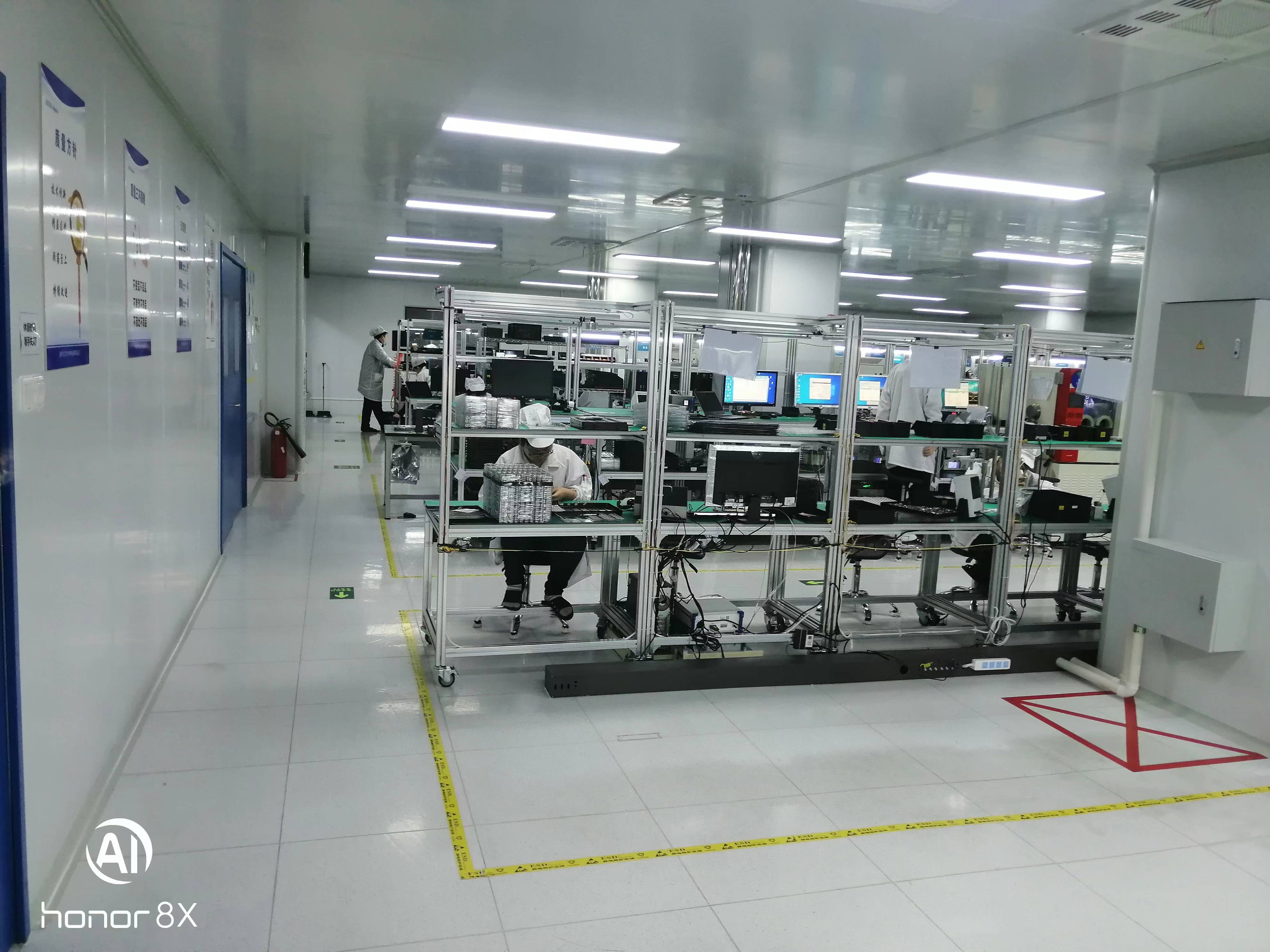
Water quality sensor production and testing at a manufacturing facility.
For industrial procurement managers, selecting the right water quality monitoring technology is a critical decision that impacts operational efficiency, compliance costs, and long-term system reliability. A primary choice facing buyers is between integrated multi-parameter sensors and dedicated single-parameter probes. This analysis provides a detailed, objective comparison to guide this decision, with a specific focus on the offerings from manufacturers like KACISE, alongside industry benchmarks from established players such as Hach, Endress+Hauser, and Siemens.
1. Product Comparison: Integrated System vs. Dedicated Probes
To illustrate the core decision, we compare a typical multi-parameter sensor (e.g., KACISE KWS-800 series) against a suite of individual sensors for key parameters like pH, Dissolved Oxygen (DO), Conductivity, and Turbidity.
Technical Parameters & Performance
| Dimension | Multi-Parameter Sensor (e.g., KWS-800) | Single-Parameter Probes (e.g., pH, DO, Conductivity separately) |
|---|---|---|
| Measurement Scope | Simultaneous monitoring of up to 7 parameters (DO, conductivity, turbidity, pH, ORP, chlorophyll, oil) + temperature. | One specific parameter per sensor probe. |
| Output & Integration | Single RS485 (Modbus) output for all parameters; all-in-one design with one waterproof connector. | Multiple outputs required (one per probe); multiple cables and connections needed for system integration. |
| Accuracy (Typical) | Designed for comprehensive trend monitoring. Accuracy varies by parameter (e.g., pH: ±0.1pH). | Potentially higher individual accuracy for specialized applications (e.g., lab-grade pH probes). |
| Physical Footprint | One compact housing, simplifying deployment in confined spaces like wells or compact monitoring stations. | Multiple probes and housings, requiring more physical space and mounting hardware. |
Applicable Scenarios
- Multi-Parameter Sensors are more suitable for river/lake/ocean monitoring, environmental protection online monitoring, aquaculture, and water treatment plants where a holistic water quality profile is needed from a single point.
- Single-Parameter Probes are more suitable for scenarios requiring extreme precision on one metric, specialized industrial process control (e.g., ultra-pure water conductivity), or when parameters need to be measured at physically distinct points in a process stream.
Cost & Maintenance Complexity
The initial procurement cost for a multi-parameter system is typically lower than purchasing 4-5 individual high-quality probes from brands like Hach or Endress+Hauser. According to industry estimates, a multi-parameter solution can offer a system cost approximately 25% lower than an equivalent set of single-parameter probes. Maintenance is centralized with one device to calibrate and service, though a failure could affect multiple data streams. Single-parameter systems offer modularity—a failed pH sensor doesn't affect DO readings—but require maintaining a larger inventory of spare parts and more frequent site visits for calibration of multiple units.
2. Supplier Landscape: Chinese Source Factory vs. International Brand
The choice of supplier type carries significant implications for procurement strategy. Below is a comparison based on common procurement criteria.
| Criterion | Chinese Source Factory (e.g., KACISE) | International Brand (e.g., Hach, Endress+Hauser, Siemens) |
|---|---|---|
| Price Point | Generally offers a 25-50% lower cost for comparable functional performance, as indicated in comparative analyses. | Premium pricing reflecting brand legacy, extensive R&D, and global sales networks. |
| Customization Ability | High flexibility for OEM/ODM projects, including modifications to voltage, output protocol (RS485/4-20mA), communication protocols, cable length, and branding. MOQ can be as low as 1-2 units. | Limited customization; primarily offer standard catalog products. Custom solutions involve lengthy lead times and high minimum orders. |
| Delivery Lead Time | Standard lead time is approximately 30 days, with expedited options possible. This is often faster than the 6-8 weeks typical for some international brands. | Longer lead times (often 6-12 weeks) due to centralized manufacturing and complex global logistics. |
| After-Sales & Service Network | Primarily remote technical support, with service handled through distributors or local partners. Spare parts are cost-effective. | Extensive global service network with local field engineers, certified calibration services, and readily available spare parts—often at a higher cost. |
For instance, a comparative analysis notes that for radar level measurement, a product from a manufacturer like KACISE, designed for chemical storage tanks and water treatment scenarios, may offer an accuracy of ±2mm, while a comparable Endress+Hauser product offers ±1mm, but at a significantly higher cost. The choice hinges on whether the application demands the highest precision or prioritizes cost-effectiveness for monitoring trends.
3. A 3-Step Decision Framework for Procurement
To navigate this complex landscape, industrial buyers can adopt a structured decision process.
Step 1: Precisely Define the Application Scenario
Is the need for broad-spectrum monitoring at a single point (e.g., a wastewater treatment plant inlet) or for precise, distributed measurement of specific parameters (e.g., pH at multiple points in a chemical reactor)? Scenarios like outdoor river stations or aquaculture farms often benefit from the integrated, lower-maintenance design of multi-parameter sensors.
Step 2: Match Technical Parameters to Operational Requirements
Beyond the list of parameters, evaluate required accuracy, measurement range, output signal (e.g., need for Modbus integration), material compatibility (e.g., 316L stainless steel for corrosion resistance), and environmental protection rating (IP68 for submersion). For example, the KACISE KWS-800 series uses titanium alloy and 316L stainless steel housing with IP68 rating, suitable for long-term immersion.
Step 3: Conduct a Total Cost of Ownership (TCO) Analysis
Calculate not just the initial purchase price, but also installation labor, calibration frequency and cost, expected lifespan, spare parts pricing, and potential downtime costs. A multi-parameter sensor from a source factory may have a lower upfront cost and simpler installation, reducing TCO for many industrial monitoring applications.
4. Case Reference: Selecting a Chinese Supplier for a Municipal Project
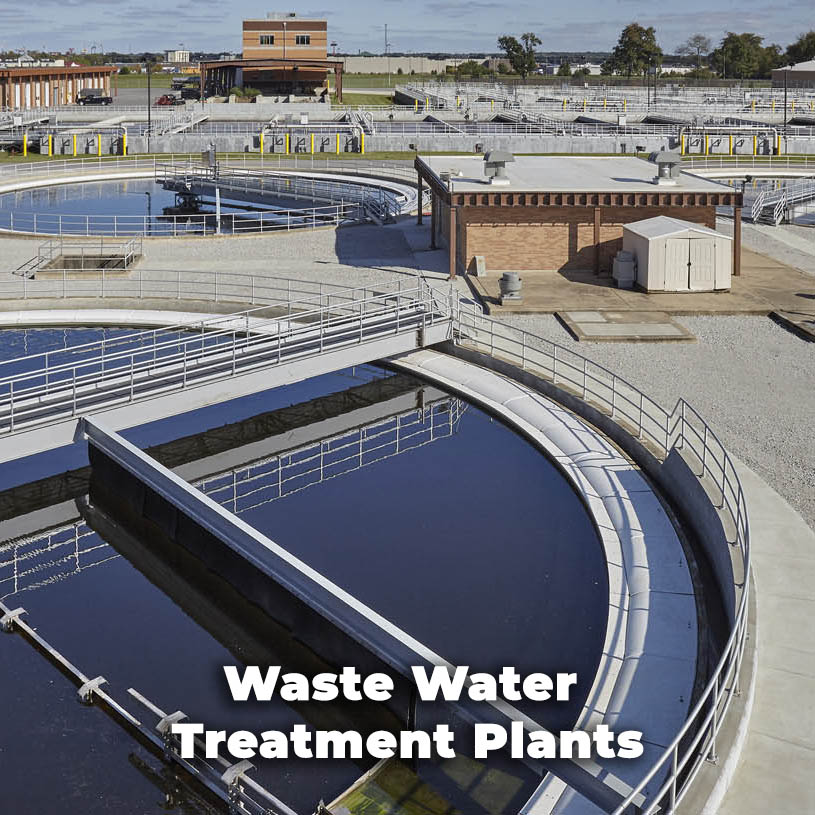
Sensor deployment in a wastewater treatment context.
Project Background
A municipal water authority in North America required a reliable, cost-effective solution for monitoring key parameters at several remote wastewater lift stations. The primary challenge was high turbidity and the need for low-maintenance operation.
Supplier Selection & Solution
After evaluating international brands and Chinese manufacturers, the authority selected KACISE. The decision was driven by three factors aligned with the framework above:
- Scenario Match: The integrated multi-parameter design (like the KWS-850 series measuring COD, ammonia nitrogen, DO, pH, etc.) was more suitable for the comprehensive inlet monitoring required.
- Technical Compliance: The sensors offered RS485 Modbus output for easy SCADA integration, automatic cleaning functions to combat fouling, and an IP68 rating for the wet environment.
- TCO Advantage: The total project cost, including 35 units of sensors and controllers, was significantly lower than quotes for equivalent systems from established Western brands, without compromising on the required functionality for trend monitoring.
Outcome
The installed KACISE turbidity and multi-parameter sensors have provided stable operation for over 3 years, enabling consistent environmental reporting. The anti-fouling optical design of the sensors has minimized maintenance interventions. This case highlights how a Chinese source factory like KACISE can meet the technical demands of municipal applications while offering compelling economic value through integrated product design and direct manufacturing efficiency.
Conclusion
The choice between multi-parameter and single-parameter water quality sensors, and between different supplier types, is not about finding a universal "best" option. It is about aligning technology and commercial terms with specific operational needs and financial constraints. For many industrial and municipal applications requiring robust, cost-effective trend monitoring, integrated multi-parameter sensors from capable Chinese manufacturers present a viable and strategic alternative. As the global market evolves, suppliers like KACISE, with their focus on flexible design, direct manufacturing, and certifications like CE (EMC), are increasingly positioned to serve the mid-range market segments where performance, reliability, and cost intersect.
Procurement teams are advised to move beyond brand perception alone and apply a disciplined, scenario-based evaluation framework to make optimal, data-driven sourcing decisions for water quality monitoring assets.
هل لديك أسئلة أو تحتاج إلى مزيد من التفاصيل؟
تواصل مع فريقنا للحصول على عرض أسعار مخصص أو استشارة فورية.
طلب عرض أسعار
املأ النموذج أدناه وسيتواصل معك فريقنا بعرض مقترح مخصص.
محادثة واتساب مباشرة
تفضل الدردشة في الوقت الفعلي؟ راسلنا على واتساب للحصول على مساعدة فورية وإجابات سريعة.
- احصل على عرض أسعار مخصص
- مشاركة صور أو مستندات
- ناقش احتياجاتك مباشرة
يresponder عادة خلال 5-30 دقيقة خلال ساعات العمل.