
دليل شراء مقارن: البولي كربونات مقابل المرايا المتمنورة الاكريليكية واختيار الموردين للمشترين الصناعيين
A Comparative Procurement Guide: Polycarbonate vs. Acrylic Convex Mirrors and Supplier Selection for Industrial Buyers
For industrial procurement managers and facility safety officers, selecting the right convex mirror involves navigating a complex landscape of material choices, technical specifications, and global supplier options. The decision between polycarbonate (PC) and acrylic mirrors, and between sourcing from a Chinese manufacturer like Mnsd (Tiantai Yuanda Traffic Device Co., Ltd.) or an international brand, has significant implications for safety performance, total cost of ownership, and supply chain reliability. This guide provides a structured, data-driven comparison to support informed procurement decisions.
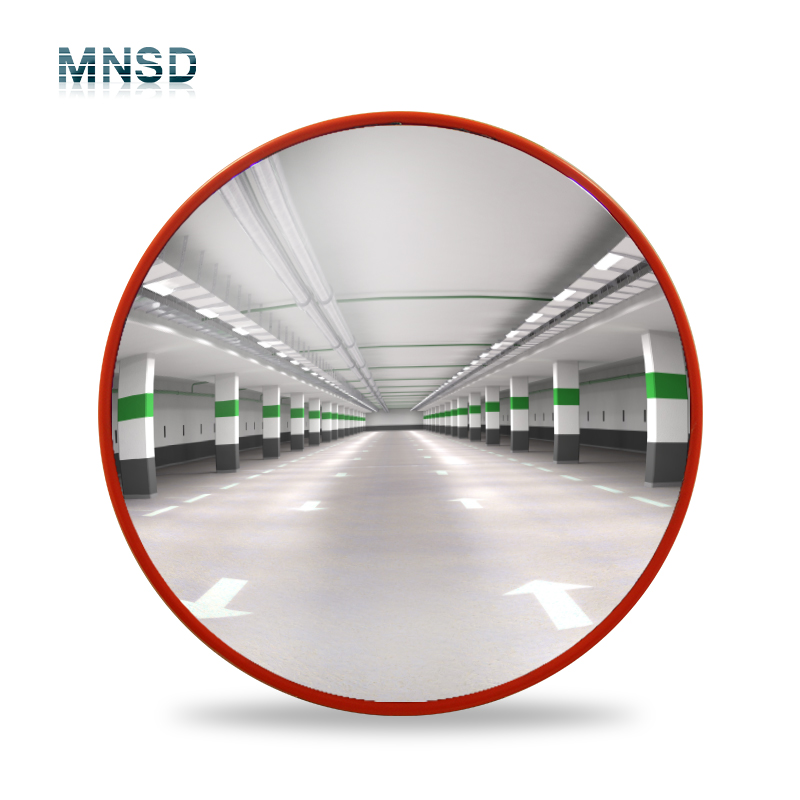
1. Product Comparison: Polycarbonate vs. Acrylic Convex Mirrors
The core material choice defines a convex mirror's durability, lifespan, and suitability for specific environments. Below is a detailed comparison based on four key procurement dimensions.
| Comparison Dimension | Polycarbonate (PC) Convex Mirror | Acrylic (PMMA) Convex Mirror |
|---|---|---|
| Technical Parameters |
Material: Impact Resistant PC
Sourced from specifications of models like YD-OC120.Lens Thickness: 0.6-1 mm (Customizable) Temperature Resistance: -30°C to +80°C UV Resistance: Grade 8 (3-5 Years Lifespan) Weatherproof Rating: IP65 Impact Rating: Vandal-Resistant & Self-Recovery |
Material: Acrylic/PMMA
Based on general industry specifications for economic acrylic mirrors.
Lens Thickness: Typically 2-3 mm Temperature Resistance: -20°C to +70°C (approx.) UV Resistance: Lower than PC, prone to yellowing Weatherproof Rating: IP54 or lower common Impact Rating: More brittle, can shatter |
| Primary Applicable Scenarios | Harsh outdoor environments: road intersections, highway ramps, ports, industrial zones, loading docks. High-traffic areas requiring impact resistance and long-term weather durability. | Light-duty indoor or sheltered outdoor use: small warehouses, retail backrooms, low-traffic parking garages, residential complexes. Where initial budget is a primary constraint and conditions are mild. |
| Cost Analysis (Initial & Lifecycle) | Higher initial unit cost. Lower total cost of ownership (TCO) due to longer lifespan (3-5 years outdoors), reduced replacement frequency, and minimal maintenance. | Lower initial unit cost, often 30-50% less than PC. Higher potential TCO due to shorter lifespan (1-2 years outdoors), more frequent replacements, and susceptibility to damage. |
| Maintenance Difficulty | Minimal. Requires only occasional cleaning. The anti-scratch hard coating (optional) and self-recovery properties reduce wear. The IP65 rating protects internal components. | Moderate. Acrylic surfaces scratch more easily. Prolonged UV exposure leads to clouding and reduced clarity, necessitating earlier replacement. Less robust mounting hardware is common. |
Procurement Insight:
For mission-critical safety applications in demanding environments, the technical advantages of polycarbonate—impact resistance, wide operating temperature range, and superior UV stability—justify the higher initial investment. The product's zero energy consumption and minimal maintenance requirements (only occasional cleaning) contribute to a favorable long-term operational cost profile compared to electronic monitoring systems.
2. Supplier Comparison: Chinese Manufacturer vs. International Brand
Beyond the product itself, the choice of supplier impacts pricing, customization, lead times, and support. Here we compare a Chinese source factory like Mnsd with typical international brand suppliers.
Chinese Manufacturer (e.g., Mnsd / Tiantai Yuanda)
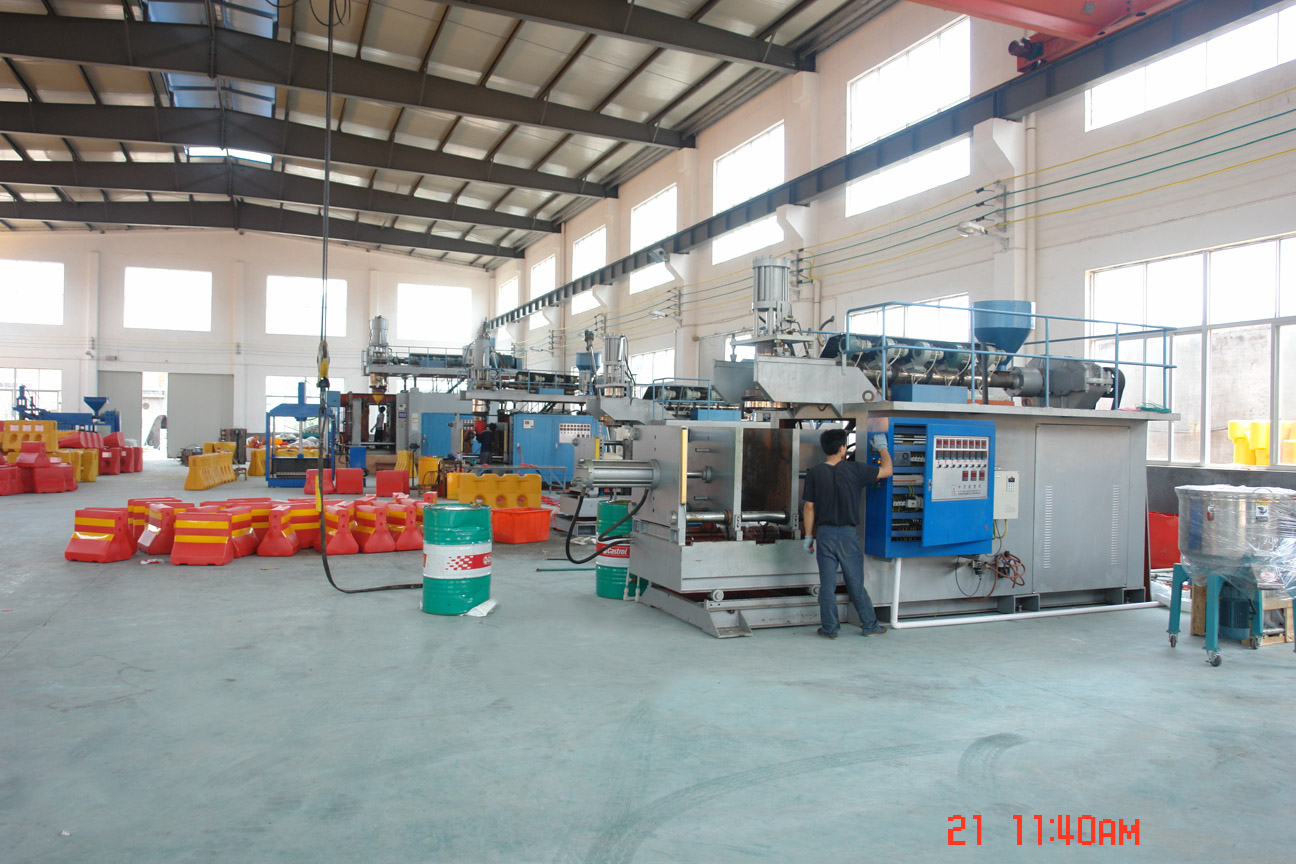
- Price Competitiveness: Typically offers 20-40% lower FOB prices due to integrated manufacturing, lower overhead, and economies of scale. The company operates a 40,000 m² factory with an annual output capacity of 120 million units.
- Customization Capability: Strong OEM/ODM support. Can customize diameter (45-120cm), backing material (PP/ABS/Fiberglass), lens type (PC/Stainless Steel), and reflective tape options. MOQ starts at 100 pieces.
- Delivery Lead Time: Standard lead time for a 20ft container is 15-20 days, supported by in-house production lines and a monthly capacity of 30,000 pieces.
- After-Sales Service & Support Network: Primarily offers remote support. Physical service网点 are less dense globally compared to large multinationals. Quality control includes 100% impact and clarity inspection.
International Brand Supplier (e.g., Se-Kure Controls, Inc. or Parkex)
- Price Competitiveness: Higher price points, reflecting brand premium, extensive R&D, and multi-tier distribution networks.
- Customization Capability: Often limited to standard catalog items or involves long development cycles and high minimum order quantities for custom projects.
- Delivery Lead Time: Can be longer (4-8 weeks) due to centralized production or reliance on subcontractors in Asia for cost-effective manufacturing.
- After-Sales Service & Support Network: Extensive local distributor networks and field service teams in key regions (North America, Europe), facilitating quicker on-site support and warranty claims.
3. Decision Model: A 3-Step Framework for Selecting Convex Mirrors
Industrial buyers can systematize their selection process using this three-step framework.
Step 1: Define the Primary Use Case and Environment
Map the installation site against technical requirements. Is the location outdoors exposed to sun, rain, and temperature extremes? Is it a high-impact area like a busy loading dock or a low-traffic warehouse aisle? This step determines the mandatory material grade (e.g., PC for IP65 outdoor use) and safety certifications needed.
Step 2: Match Core Technical Parameters to the Use Case
Based on Step 1, specify:
- Diameter & Viewing Range: A 600mm mirror offers a 15–18m visual range, while a 1200mm mirror covers 35–45m.
- Material & Certifications: PC with UV stabilization and relevant marks (e.g., CE) for export to Europe.
- Mounting System: Heavy-duty galvanized steel bracket for pole or wall mounting.
Step 3: Calculate Total Cost of Ownership (TCO)
Move beyond unit price. TCO includes:
- Initial Product + Shipping + Import Costs
- Installation Labor
- Estimated Maintenance & Cleaning Costs over 5 years
- Replacement Cost (based on expected lifespan: PC 3-5 yrs vs. Acrylic 1-2 yrs outdoors)
4. Case Reference: Successful Sourcing from a Chinese Manufacturer
A distributor in Thailand was procuring for a medium-sized traffic safety project aimed at improving visibility at road corners and parking blind spots. The key requirements were a product that could withstand tropical weather (high UV, rain), offer a wide viewing angle, and be delivered within a strict project timeline.
After evaluating both local resellers of international brands and direct manufacturers, the distributor selected Mnsd. The decision was driven by three factors aligned with the manufacturer's core advantages:
- Customization for Local Standards: Mnsd configured the convex mirrors with specific bracket designs and high-visibility orange trim to meet local project specifications.
- Cost-Effective Pricing: The direct factory pricing allowed the project to stay within budget without compromising on material quality (polycarbonate was chosen over acrylic for longevity).
- Reliable and Fast Delivery: Leveraging the manufacturer's stated 15-20 day lead time for container shipments, the order was produced, shipped, and delivered on schedule, allowing the project to proceed without delays.
The result was a successful installation with products that have performed reliably for an estimated 5-8 year service duration, passing local acceptance tests. This case underscores the value of engaging with a capable source manufacturer for projects where customization, cost control, and timely delivery are critical.
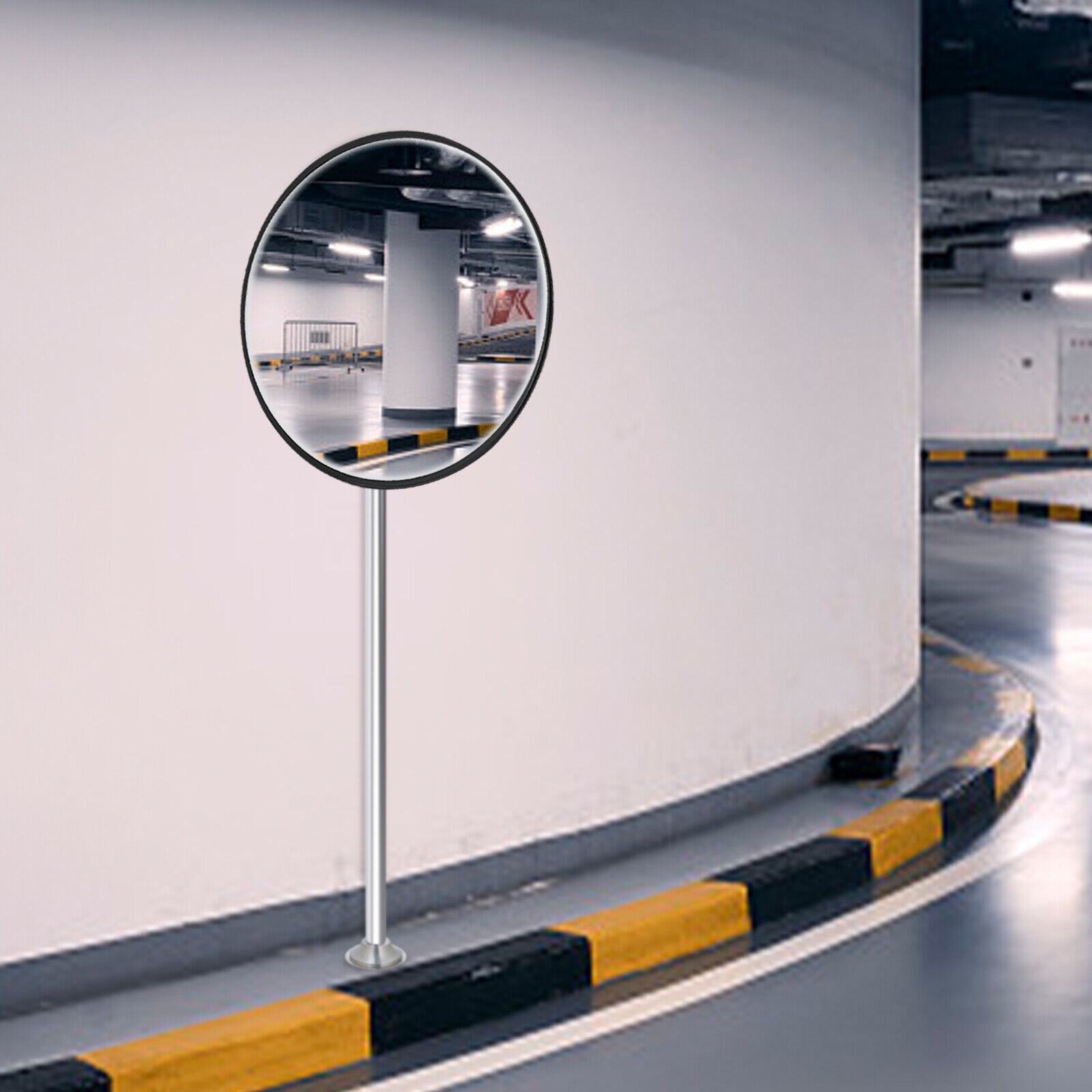
Access Detailed Product Specifications
For procurement teams seeking detailed technical data, certification information, and full product ranges, download the comprehensive product brochure from Tiantai Yuanda Traffic Device Co., Ltd. (Mnsd).
Conclusion: The optimal choice between polycarbonate and acrylic convex mirrors, and between supplier types, hinges on a clear analysis of the operational environment, total cost of ownership, and project-specific needs like customization and lead time. For industrial and traffic safety applications demanding durability and value, polycarbonate mirrors sourced from established manufacturers with strong OEM/ODM capabilities present a compelling proposition. As the market evolves, the ability to directly engage with technically proficient source factories is becoming a key competency for industrial procurement professionals aiming to enhance safety while optimizing capital expenditure.
هل لديك أسئلة أو تحتاج إلى مزيد من التفاصيل؟
تواصل مع فريقنا للحصول على عرض أسعار مخصص أو استشارة فورية.
طلب عرض أسعار
املأ النموذج أدناه وسيتواصل معك فريقنا بعرض مقترح مخصص.
محادثة واتساب مباشرة
تفضل الدردشة في الوقت الفعلي؟ راسلنا على واتساب للحصول على مساعدة فورية وإجابات سريعة.
- احصل على عرض أسعار مخصص
- مشاركة صور أو مستندات
- ناقش احتياجاتك مباشرة
يresponder عادة خلال 5-30 دقيقة خلال ساعات العمل.