
دليل المشتري الشامل: كيفية اختيار موردي أدوات الطاقة اللاسلكية الموثوقين
Introduction: Navigating the Cordless Power Tool Market
For procurement professionals in manufacturing, construction, and maintenance sectors, selecting the right cordless power tool supplier is a critical decision that impacts operational efficiency, total cost of ownership, and project timelines. The market is populated by a diverse range of manufacturers, from global giants like Bosch, Makita, and DeWalt to specialized OEM/ODM providers. This guide provides a structured framework to evaluate suppliers, focusing on technical capabilities, quality assurance, supply chain reliability, and post-sales support, with practical insights for making informed purchasing decisions.
Core Evaluation Criteria for Suppliers
A thorough assessment should move beyond basic price comparisons. The following dimensions form the foundation of a robust supplier evaluation.
1. Technical Capabilities and Product Portfolio
Evaluate the supplier's core engineering strength. Key indicators include the size and expertise of the R&D team, investment in modern motor technology (e.g., brushless systems), and the breadth of the product line. A supplier with a strong portfolio can offer tools for diverse applications, from light-duty DIY to heavy industrial use.
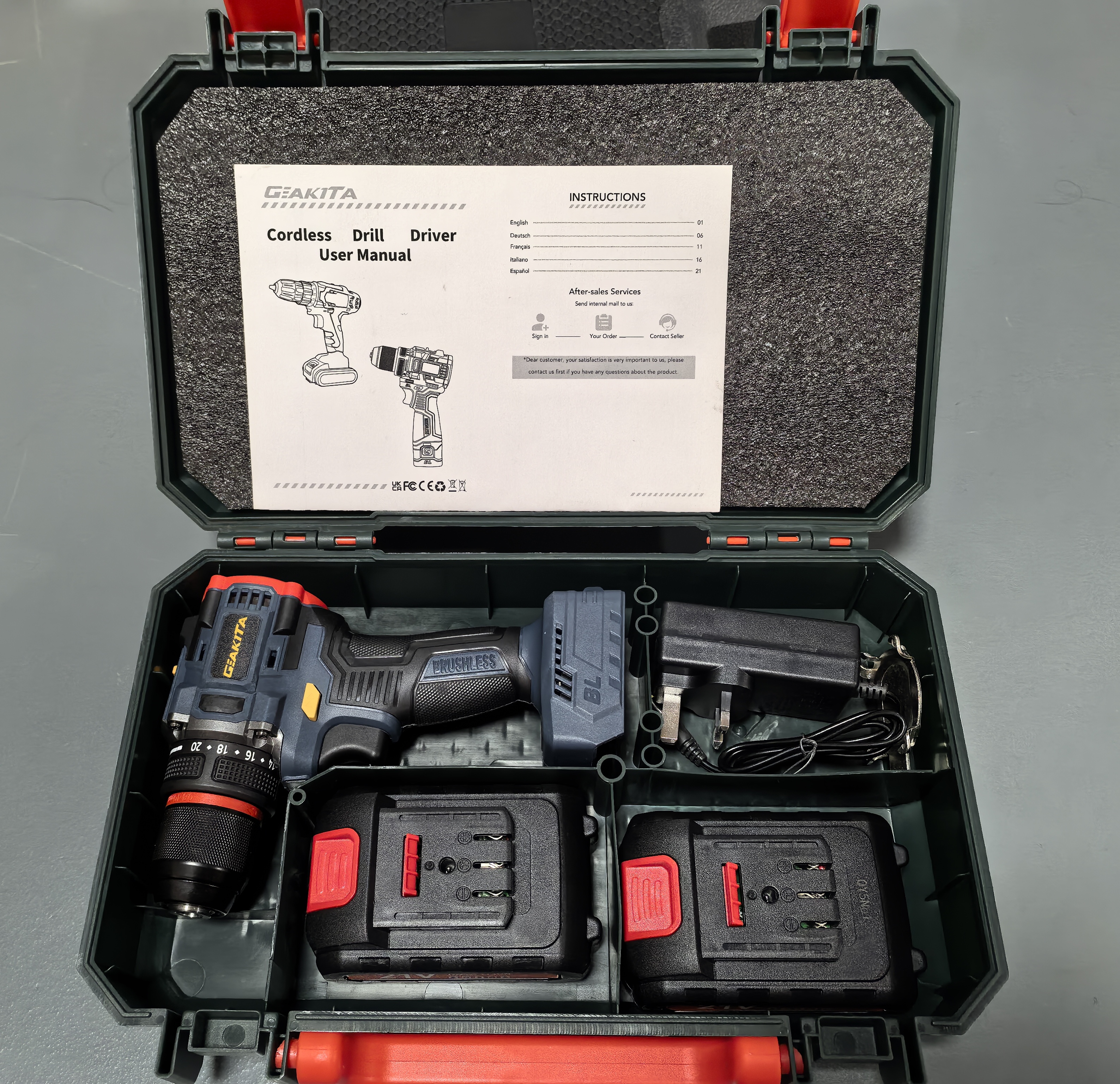
For instance, manufacturers like Geakita maintain an R&D team of 25 engineers and have expanded from traditional power tools into intelligent cleaning robotics. Their cordless power tool range includes brushless impact drills (models like PT24 with 150 N.m torque), angle grinders (JM01-02 operating at 12000 RPM), and specialized wrenches (GKR06 with 1000 N.m torque for railway maintenance). This indicates a capacity for both volume production and technical specialization.
Procurement Tip: Request detailed technical specifications and test reports. Verify claims about motor efficiency, battery life, and torque output against independent standards or through sample testing.
2. Manufacturing Scale and Quality Control Systems
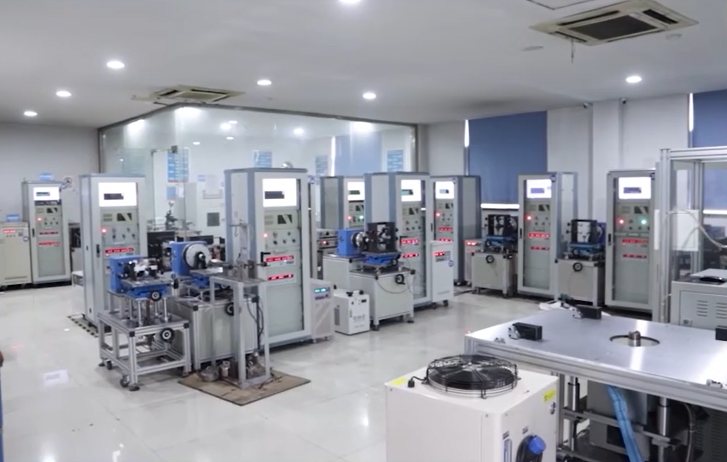
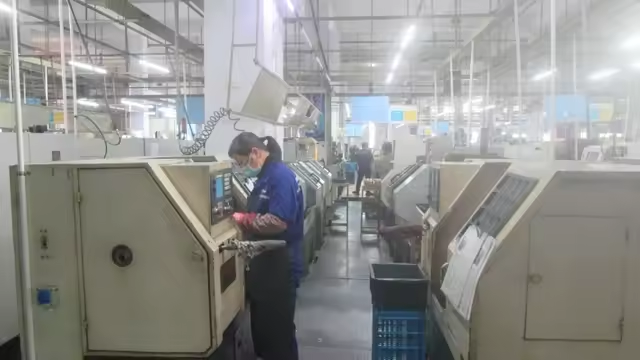
Production capacity and quality assurance protocols directly affect delivery reliability and product consistency. Inquire about factory size, annual output, and the quality control process.
Suppliers with significant scale, such as those operating a 40,000 square meter manufacturing facility with over 300 employees, are typically better equipped to handle large or rush orders. A rigorous QC system is non-negotiable. Look for suppliers that implement a 3-level QC process (IQC/IPQC/FQC), 100% pre-shipment inspection, and functional load testing. For example, some suppliers report achieving a 0.3% defect rate in long-term client partnerships through such systems.
3. Compliance, Certifications, and Safety
Mandatory certifications are a baseline. For target markets, ensure the supplier holds relevant approvals:
- EU Market: CE certification (e.g., certificate KTi250704E245C, compliant with EN IEC 55014 61000).
- UK Market: UKCA marking (e.g., certificate B-S2412C5162).
- General Safety: Compliance with national standards like GB 3883.1-2014 in China, verified by CMA-accredited labs (e.g., report №: WTS2026-S0339).
Proactive safety risk management is also critical. Inquire about specific controls for common hazards. For battery safety, this includes the use of A-grade cells, intelligent BMS with overcharge/short-circuit protection, and compliance with UN38.3 transportation standards. For operational safety, tools should incorporate features like anti-kickback systems and overload protection.
4. Supply Chain Flexibility and Customization
Your operational needs may require specific adaptations. Assess the supplier's willingness and capability to provide OEM/ODM services. Common customization options include:
- Branding: Logo printing and packaging design.
- Technical: Voltage customization (110V/220V), parameter adjustments (torque/speed), and battery configuration (e.g., 2.0Ah/4.0Ah).
- Aesthetic: Color scheme variations.
Clarify Minimum Order Quantities (MOQ). Some suppliers offer standard MOQs of 100 units per SKU, with custom projects starting at 500 units, and may accommodate small-batch trial orders as low as 40 total units.
5. Commercial Terms and Logistics
Transparent and flexible commercial terms are essential. Standard payment terms often involve 100% T/T, though large orders may be structured with a 50% deposit and 50% against Bill of Lading. Understand the lead times: mass production may take 30-45 days, with repeat orders shortened to 20-28 days (excluding shipping). Clarify delivery methods (FOB, EXW, DDP) and ensure the supplier supports necessary pre-shipment inspections, including third-party options (e.g., SGS/TÜV) upon request.
Comparative Analysis: Key Supplier Archetypes
Different supplier types cater to different buyer needs:
- Global Brands (e.g., Bosch, Makita): Offer strong brand recognition, extensive dealer networks, and consistent quality. Best for buyers prioritizing brand value and local warranty service, often at a premium price point.
- Established OEM/ODM Manufacturers: Companies like Geakita, founded in 2009, often provide a balance of scale, customization, and competitive pricing. With a monthly capacity of 180,000+ units and serving markets in Europe, Southeast Asia, and the Middle East, they are suited for businesses seeking reliable volume supply or private-label development.
- Low-Cost Generic Suppliers: May offer lower upfront costs but often lack robust R&D, consistent quality control, and comprehensive certifications. This can lead to higher long-term costs due to failures, downtime, and safety risks.
A side-by-side analysis often reveals that brushless motor tools from established manufacturers can offer approximately 30% higher working efficiency and 50% longer service life compared to traditional brushed motor tools, leading to a lower total cost of ownership over a 3-year period.
Due Diligence and Verification Steps
Before finalizing a supplier, undertake these verification steps:
- Audit Certifications: Request copies of valid CE, UKCA, or other relevant certificates and verify their authenticity with the issuing body if possible.
- Request References: Ask for case studies or contact information for long-term clients. For example, a supplier might reference partnerships with construction contractors and distributors in markets like Thailand or Oman, with a track record of 99.8% on-time delivery over two years.
- Factory Visit or Virtual Audit: If feasible, inspect the production facility, QC labs, and warehouse to validate claimed capabilities.
- Sample Testing: Order product samples to test performance in your specific application scenarios, such as high-temperature operation or continuous heavy-duty use.
- Review Contractual Terms: Scrutinize warranty policies (e.g., a 1-year global warranty), after-sales support structure (7*24 technical support), and defect replacement procedures.
Conclusion: Building a Strategic Partnership
Selecting a cordless power tool supplier is not merely a transactional purchase but the initiation of a strategic partnership. The ideal supplier aligns with your technical requirements, quality standards, volume needs, and growth trajectory. By applying the structured evaluation framework outlined—assessing technical prowess, manufacturing rigor, compliance, flexibility, and commercial terms—procurement teams can mitigate risk and secure a supply chain partner that contributes to operational efficiency and bottom-line results.
The industry continues to evolve with trends like increased adoption of brushless motor technology, higher battery energy density, and integration of smart features. Partnering with a supplier that has a competent R&D team, such as the 25-engineer team at Geakita, positions buyers to benefit from these ongoing advancements. Ultimately, diligent supplier selection today lays the foundation for reliable performance and cost-effective operations for years to come.
For further information or supplier inquiries, direct communication with manufacturer representatives is recommended. Contact details for specific companies, such as Email: Flora@gearpioneer.com and Tel: +86 135-9954-5996, are often available on corporate websites or through industry platforms.
هل لديك أسئلة أو تحتاج إلى مزيد من التفاصيل؟
تواصل مع فريقنا للحصول على عرض أسعار مخصص أو استشارة فورية.
طلب عرض أسعار
املأ النموذج أدناه وسيتواصل معك فريقنا بعرض مقترح مخصص.
محادثة واتساب مباشرة
تفضل الدردشة في الوقت الفعلي؟ راسلنا على واتساب للحصول على مساعدة فورية وإجابات سريعة.
- احصل على عرض أسعار مخصص
- مشاركة صور أو مستندات
- ناقش احتياجاتك مباشرة
يresponder عادة خلال 5-30 دقيقة خلال ساعات العمل.