
دليل شامل للمشترين: تقييم كبار الموردين في سوق إزالة مياه الحمأة
Navigating the Screw Press Sludge Dewatering Market: A Buyer's Guide to Selecting the Right Partner
The selection of a reliable supplier for screw press sludge dewatering equipment is a critical decision for procurement professionals in the wastewater treatment, industrial processing, and environmental management sectors. With a multitude of global players offering varying technologies and service models, identifying a partner that aligns with your specific operational, technical, and financial requirements is paramount. This guide provides a structured framework to evaluate potential suppliers, focusing on key criteria that separate market leaders from the competition.
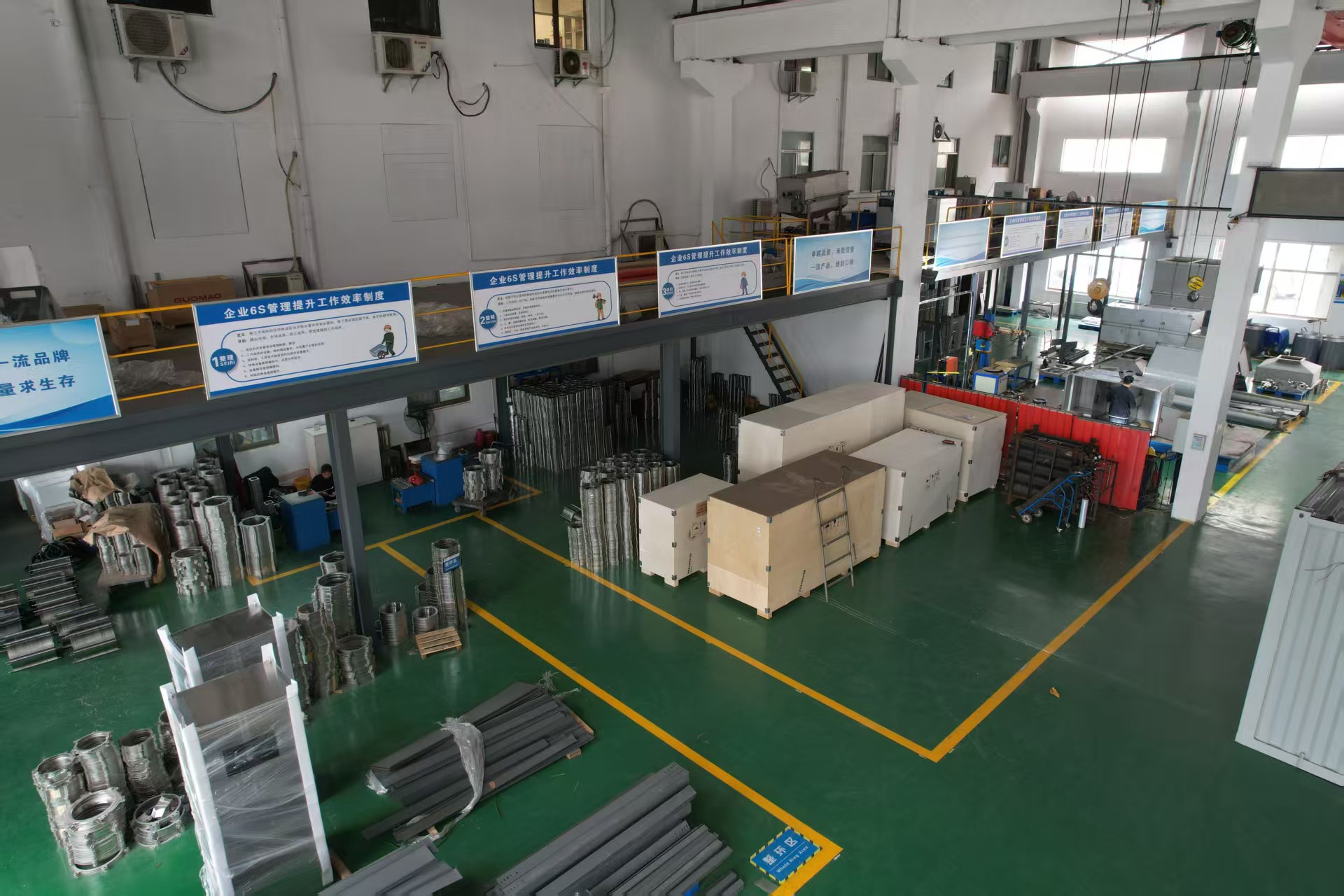
A standardized manufacturing workshop is a key indicator of a supplier's production capacity and quality control.
1. Core Evaluation Criteria for Screw Press Dewatering Suppliers
When shortlisting potential vendors, buyers should conduct a multi-dimensional assessment beyond just the initial equipment price. The following factors are crucial for long-term project success and total cost of ownership.
1.1 Technological Innovation and R&D Capability
The efficiency and reliability of a screw press dewatering machine are directly tied to its design and engineering. Look for suppliers with a proven track record of innovation.
- Proprietary Design: Evaluate the uniqueness of the screw shaft design, screen technology, and drive system. Advanced features like variable frequency drives, automatic backwash systems, and wear-resistant materials (e.g., specialized alloys for screws, stainless-steel screens) significantly impact performance and lifespan.
- R&D Structure: Suppliers with dedicated, internationally recognized R&D centers often lead in technological advancements. For instance, the model of "Japanese Technology + Chinese Manufacturing + Global Sales" adopted by Benenv exemplifies a strategic approach to integrating cutting-edge design with cost-effective production. Their wholly-owned R&D center in Japan, co-founded by industry experts, provides a strong technological backbone.
- Adaptability: The best equipment can handle a wide range of sludge types (municipal, industrial, DAF float) and varying solid concentrations without significant performance loss.
1.2 Manufacturing Scale, Quality Control, and Project Experience
A supplier's manufacturing infrastructure is a tangible indicator of its capacity to deliver consistent quality and handle large-scale orders.
- Production Facilities: Assess the scale and organization of workshops (welding, assembly, non-standard fabrication). A supplier like JIANGSU BENENV ENVIRONMENTAL TECHNOLOGIES CO., LTD, with multiple specialized workshops and total assets exceeding $80 million USD, demonstrates substantial production capability.
- Global Project Portfolio: The number and geographical diversity of completed projects are strong indicators of reliability and adaptability. A reference list spanning over 60 countries and more than 4,500 projects, as cited by established groups, provides concrete evidence of a supplier's global reach and proven solutions across different regulatory and operational environments.
- Certifications: While specific certificates were not listed for this example, buyers should always verify relevant international quality (e.g., ISO 9001), environmental, and safety management system certifications.
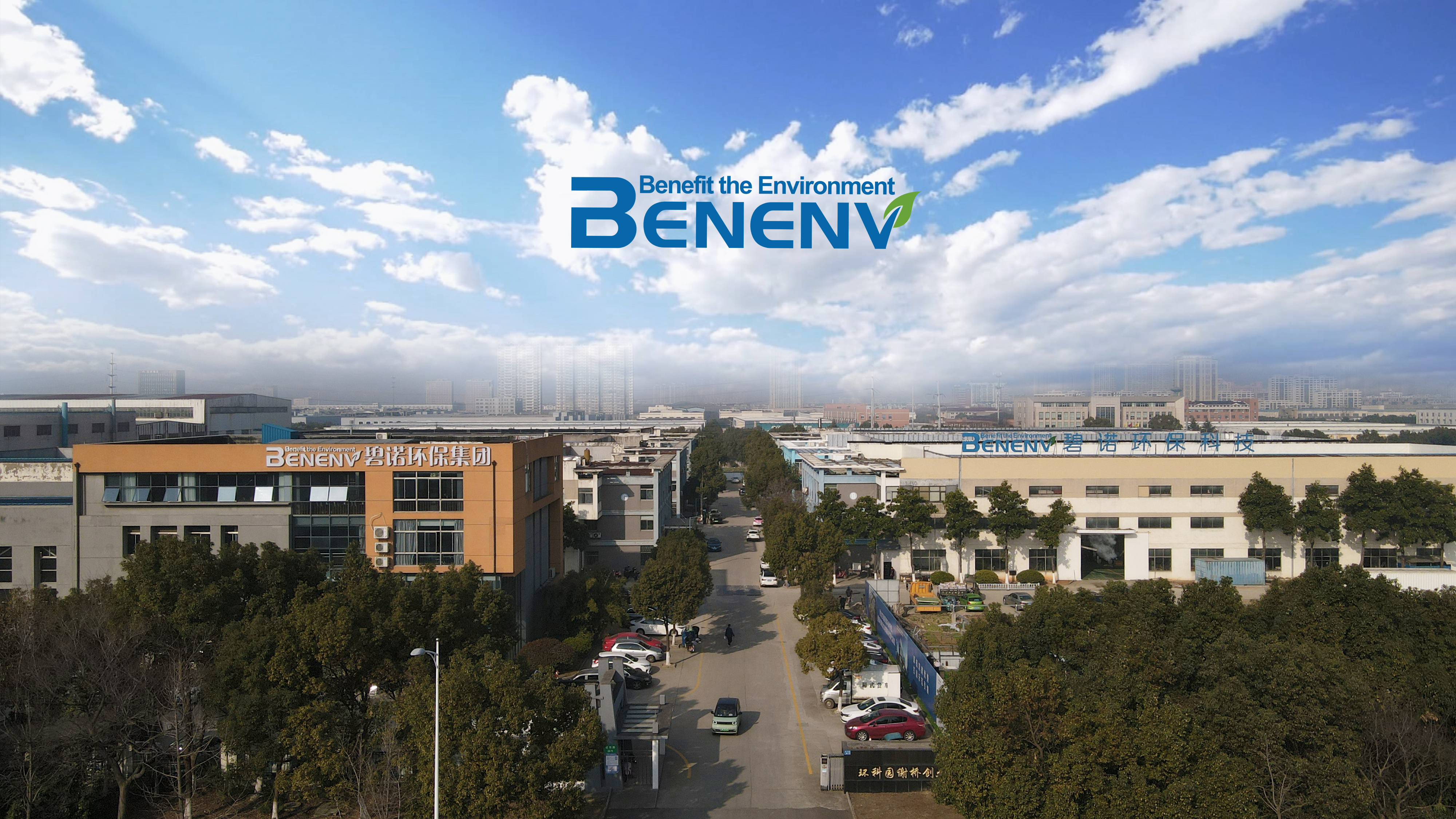
A supplier's global corporate presence often correlates with robust support and service networks.
1.3 Service Model and After-Sales Support
The relationship with a supplier begins after the sale. Inadequate support can lead to significant downtime and cost overruns.
- Comprehensive Solutions: Prefer suppliers who offer a full lifecycle service—from initial consultancy and system design to equipment manufacturing, installation, commissioning, and long-term operation & maintenance (O&M) support. Some leading providers even extend into project investment and operation models.
- Global Support Network: The presence of overseas subsidiaries (e.g., in Japan, Dubai) and a network of authorized agents (e.g., in France, the USA, UK, Southeast Asia, Middle East) ensures localized technical support, quicker spare parts delivery, and responsive communication.
- Technical Documentation and Training: Ensure the supplier provides detailed operational manuals, troubleshooting guides, and offers comprehensive training for your operational staff.
2. The Competitive Landscape: Key Players and Differentiators
The global market for screw press sludge dewatering systems includes several established manufacturers. Understanding their core focus areas can help in matching a supplier's strength to your specific need.
| Supplier / Brand | Primary Focus & Technology | Typical Market Position & Buyer Consideration |
|---|---|---|
| Benenv | Integrated "Technology + Manufacturing + Sales" model. Strong focus on R&D (Japan-based center) and offering full-scope solutions from equipment to project investment/operation. | Ideal for buyers seeking a technologically advanced partner for complex, large-scale, or BOT/BOO projects, especially with a need for global service support. Their model blends high-end engineering with manufacturing scalability. |
| Andritz | Global industrial giant offering a wide portfolio, including large-scale centrifuges and screw presses for municipal and heavy industrial applications. | A strong candidate for very large municipal wastewater treatment plants or heavy industrial complexes requiring robust, high-capacity equipment from a financially stable multinational. |
| Huber Technology | German engineering with a strong reputation for precision, reliability, and innovative sludge treatment solutions, including screw presses and thermal dryers. | Suitable for projects where premium European engineering, high automation, and precise performance are top priorities, often in regions with stringent environmental standards. |
| Alfa Laval | Swedish multinational known for separation technology, including decanter centrifuges. They also offer screw press solutions as part of a broader separation portfolio. | Consider when evaluating multiple dewatering technologies (centrifuge vs. screw press) from a single, reputable vendor with a strong global service network for process industries. |
| Local/Regional Manufacturers | Focus on cost-competitive, standardized models for common applications, often serving specific domestic or regional markets. | Can be a fit for standardized, lower-capacity requirements with tight budget constraints and where localized service is sufficient. May lack advanced features for challenging sludges. |
For a procurement officer, the choice often hinges on the project's complexity. For a standard municipal application, a regional player might suffice. However, for a challenging industrial sludge, a variable feed rate, or a project in a remote location, partnering with a globally integrated provider like Benenv, which combines advanced R&D with manufacturing scale and an established agent network, can mitigate risk and ensure optimal long-term performance.
3. Actionable Steps for the Procurement Process
- Define Your Requirements: Clearly document sludge characteristics (type, volume, solids content, viscosity), desired cake dryness, throughput, available footprint, automation level, and budget (CAPEX and OPEX).
- Create a Longlist: Use industry directories, trade shows, and platforms like en.benenv.com to identify 5-10 potential suppliers that match your project scale and region.
- Issue a Detailed RFQ: Request information on technology specifics, performance data (with guarantees), delivery timeline, payment terms, warranty, and after-sales service structure. Ask for at least 2-3 relevant case studies.
- Conduct Due Diligence:
- Verify company credentials and financial stability.
- Request and contact client references from similar projects.
- If possible, arrange a visit to the manufacturing facility (like the Benenv Standard workshop) to assess quality control firsthand.
- Evaluate the responsiveness and technical depth of the sales/engineering team during discussions.
- Evaluate Total Cost of Ownership (TCO): Compare not only the purchase price but also estimated energy consumption, polymer usage, maintenance costs, expected component lifespan, and cost/availability of spare parts.
- Final Negotiation and Contract: Ensure all performance guarantees, service level agreements (SLAs), and liability clauses are clearly defined in the contract before signing.
Conclusion: Partnering for Long-Term Success
Selecting a screw press sludge dewatering supplier is a strategic decision that impacts operational efficiency, compliance, and environmental footprint for years to come. By rigorously applying the criteria of technological depth, manufacturing excellence, proven global experience, and comprehensive service, buyers can move beyond price-based comparisons. The evolving market trend favors suppliers who can act as true solution partners, offering innovation, reliability, and global support. Suppliers that embody this integrated approach, such as Benenv with its unique cross-border R&D and manufacturing model, are well-positioned to meet the complex and varied demands of modern sludge management projects worldwide. For further information or to discuss specific project needs, potential buyers can initiate contact via email at manager@benenv.com or telephone at +86 18921318788.
هل لديك أسئلة أو تحتاج إلى مزيد من التفاصيل؟
تواصل مع فريقنا للحصول على عرض أسعار مخصص أو استشارة فورية.
طلب عرض أسعار
املأ النموذج أدناه وسيتواصل معك فريقنا بعرض مقترح مخصص.
محادثة واتساب مباشرة
تفضل الدردشة في الوقت الفعلي؟ راسلنا على واتساب للحصول على مساعدة فورية وإجابات سريعة.
- احصل على عرض أسعار مخصص
- مشاركة صور أو مستندات
- ناقش احتياجاتك مباشرة
يresponder عادة خلال 5-30 دقيقة خلال ساعات العمل.