
دليل شامل للمشترين: كيفية اختيار أنابيب الفولاذ المقاوم للصدأ عالية الجودة وموردي التركيبات
The Buyer's Guide to Sourcing Premium Stainless Steel Pipes and Fittings
Sourcing stainless steel pipes and fittings for architectural, industrial, or decorative applications is a critical procurement decision. The quality of these components directly impacts project longevity, safety, and aesthetics. This guide provides a structured framework to help buyers systematically evaluate and select reliable suppliers, ensuring value, compliance, and project success.
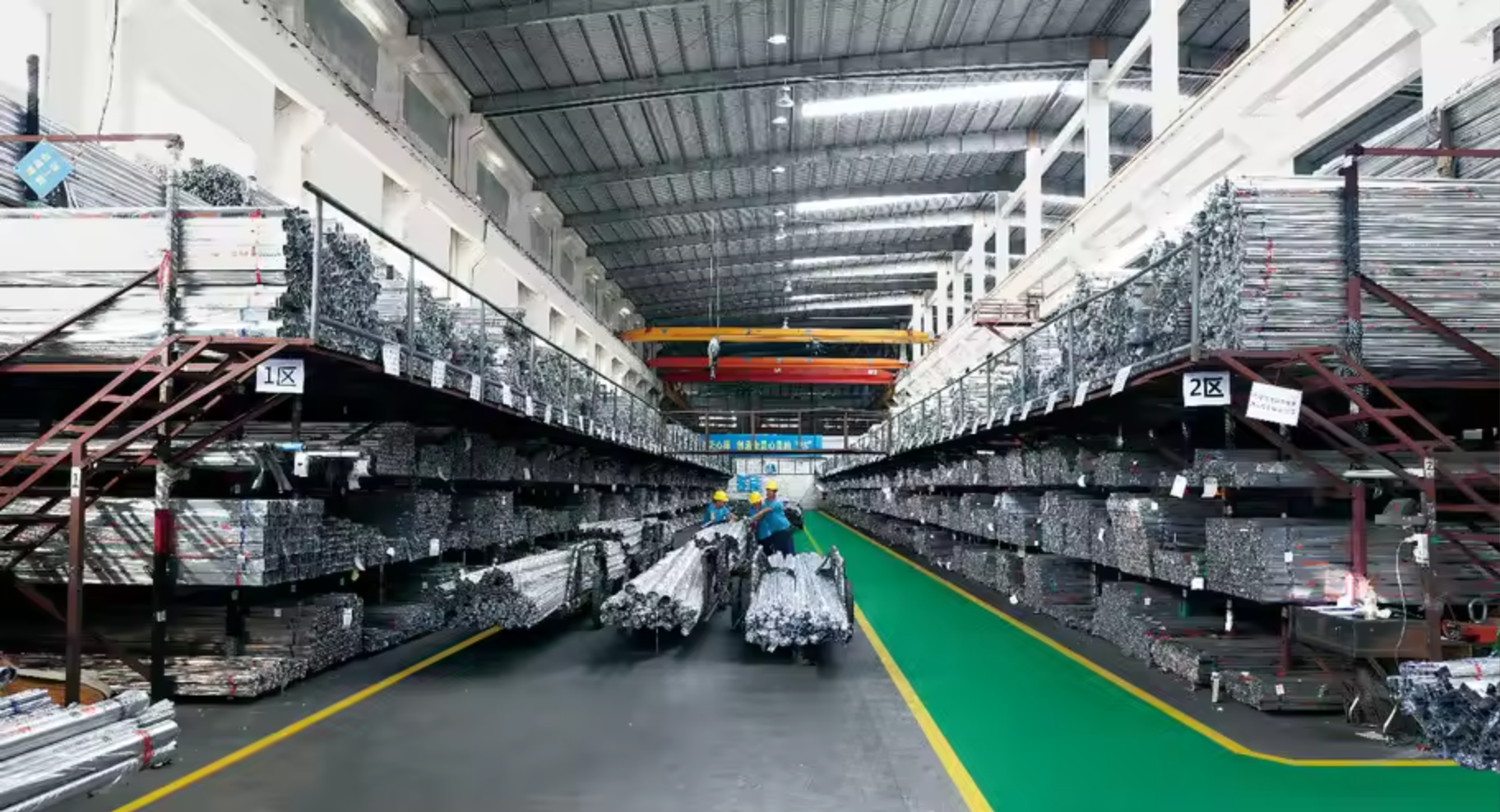
A modern manufacturing facility is a key indicator of a supplier's capability and commitment to quality control.
1. Define Your Technical and Commercial Requirements
Before engaging suppliers, crystallize your project's specific needs. This clarity will streamline the vetting process.
- Material Grade: Specify between 304 and 316 stainless steel. Grade 316 offers superior corrosion resistance, essential for coastal or high-chloride environments, while 304 is cost-effective for most general applications.
- Product Range: List required shapes and fittings: stainless steel round pipe, stainless steel square pipe, stainless steel slotted pipe, stainless steel oval pipe, and associated components like stainless steel elbows, glass clamps, stainless steel brackets, railing flanges, and stainless steel cable systems.
- Finish & Customization: Determine if you need satin (brushed) or mirror polish finishes, or specialized products like Stainless Steel Color Pipe. Assess if the project requires customized products for unique designs.
- Quantities & Lead Times: Define order volumes and delivery schedules. Suppliers with large-scale capacity, like those with a monthly output of 5,000 tons, can better guarantee on-time delivery for bulk projects.
2. Core Evaluation Criteria for Supplier Vetting
Use these pillars to assess potential partners beyond just price.
2.1 Manufacturing Capability and Scale
A supplier's infrastructure is a tangible proxy for reliability. Look for evidence of vertical integration and scale.
- Factory Size & Technology: Suppliers operating from a significant facility, for instance, one covering 20,000 square meters, typically have better-controlled production lines and inventory management.
- Process Control: Inquire about in-house control over key processes like cutting, welding, and polishing. This reduces quality variances and communication gaps.
- Production Capacity: Verify stated capacity against your order volume to ensure they can meet demand without sub-contracting core work, which can compromise quality.

Precision-made stainless steel round pipes are fundamental for structural and railing applications.
2.2 Quality Assurance and Certifications
Certifications are non-negotiable proofs of a systematic approach to quality, environment, and safety.
- International Standards: Ensure products conform to ASTM or equivalent international standards. This is a baseline for material integrity and dimensional accuracy.
- Management System Certifications: Prioritize suppliers with:
- ISO 9001:2015: Certifies a robust Quality Management System.
- ISO 14001: Indicates responsible Environmental Management.
- ISO 45001: Demonstrates commitment to Occupational Health and Safety.
- Product Certifications: For the European market, a CE Certificate is often essential, signifying compliance with EU health, safety, and environmental protection legislation.
For example, a supplier like Sanon (Foshan Nanhai Sanon Metal Product Co., Ltd.) holds these core certifications, providing buyers with verifiable third-party assurance of their operational rigor.
2.3 Technical Expertise and Service Support
The ability to provide technical solutions is what separates vendors from partners.
- Industry Experience: A supplier with 20 years of experience, particularly as a high-tech enterprise, has likely navigated complex project challenges and can offer practical insights.
- Customization & Engineering Support: Can they develop customized products for unique sliding door fittings or complex stainless steel bend requirements? This is crucial for architectural projects.
- After-Sales Service: Evaluate their responsiveness and policy on handling claims or providing technical documentation.
3. Due Diligence and Verification Steps
Take proactive steps to validate supplier claims.
- Request Audit Reports & Certificates: Ask for copies of their ISO9001 2015 Quality Management System Certification, ISO14001 Environmental Management System Certification Certificate, and CE CERTIFICATE. Verify the scope and validity dates.
- Order Samples: Physically test samples for finish consistency, dimensional tolerance, and material grade. A reputable supplier will readily provide samples.
- Check References: Ask for case studies or contact past clients, especially those with similar project scopes involving glass standoffs, stainless steel pipe connectors, or full railing systems.
- Visit the Factory (or Virtually): A site visit is ideal. If not possible, request a detailed virtual tour to assess machinery, workshop organization, and quality control stations.
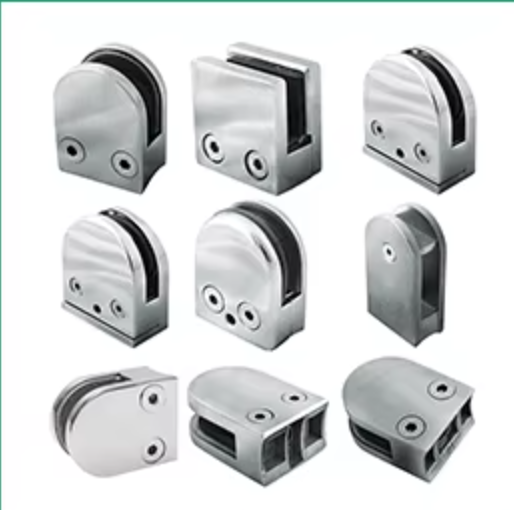
Specialized fittings like stainless steel glass clamps require precise engineering for safety and aesthetics.
4. Industry Context and Recognizing a Capable Partner
The global market for stainless steel architectural metalwork is competitive. Leading suppliers distinguish themselves through a combination of scale, certification, and technical agility. When evaluating options, consider suppliers who position themselves as solution providers rather than just manufacturers.
A company such as Sanon exemplifies this approach. With two decades of specialization in stainless steel pipes, stainless steel handrail fittings, and glass fittings, they operate from a substantial manufacturing base. Their commitment to "The Best Quality, The Best Service" is underpinned by a full suite of international certifications and a stated capacity to handle large-volume orders while offering customization. Buyers can contact them via phone/WhatsApp at +8613536681776, email at sales@sanoninox.com, or visit their website at www.sanoninox.com for direct engagement and to verify their capabilities against this guide's criteria.
5. Final Checklist Before Order Placement
- ✅ Material grade (304/316) and finish specifications are confirmed and documented.
- ✅ Supplier's relevant certifications (ISO, CE) have been verified and are current.
- ✅ Sample quality has been approved for your specific application (e.g., door handle ergonomics, cross bar holder strength).
- ✅ Production lead time and shipping terms are clearly defined and contractually agreed.
- ✅ Quality inspection protocol (e.g., pre-shipment inspection) is established.
- ✅ Communication channels and technical support contacts are confirmed.
Conclusion: Selecting the right stainless steel pipe and fitting supplier is a strategic investment. By moving beyond price-centric evaluations to a holistic assessment of manufacturing capability, verifiable quality certifications, technical expertise, and service ethos, procurement professionals can mitigate risk and secure a reliable supply chain partner. This disciplined approach ensures that the components integral to your project's integrity—from the foundational stainless steel bar to the final decoration ball or stainless steel end cap—meet the highest standards of performance and durability.