
دليل شامل للمشترين: كيفية اختيار مورد موثوق به لإضاءة الطوارئ
A Comprehensive Guide for Buyers: How to Select a Reliable Emergency Lighting Supplier
Procuring emergency lighting and exit signs involves more than just comparing prices. For buyers, importers, and brand owners, selecting the right manufacturing partner is a strategic decision that impacts product compliance, supply chain stability, and brand reputation. This guide outlines key evaluation criteria, drawing on industry practices and specific manufacturer attributes, to help you make an informed decision.
1. Core Evaluation Criteria for Emergency Lighting Suppliers
When assessing potential suppliers, buyers should investigate several foundational areas beyond basic product specifications.
2. Comparing Supplier Types and Operational Models
The emergency lighting supply chain includes various player types, each with distinct advantages and limitations. Understanding these models helps align a supplier's strengths with your specific needs.
| Supplier Type | Typical Characteristics | Best Suited For | Potential Considerations |
|---|---|---|---|
| Vertically Integrated Manufacturer | Controls the entire production process in-house (molding, PCB, assembly, testing). Owns tooling designed for 500,000+ cycles. Operates large-scale facilities (e.g., 70,000 m² in China, 38,000 m² in Vietnam). | Large-volume OEM programs, custom product development, projects requiring strict quality control and supply chain security. | May have higher minimum order quantities (MOQs). Investment in engineering and tooling leads to focus on long-term partnerships. |
| Specialized Assembly Factory | Focuses on assembly using purchased components. May offer flexibility for smaller batches. | Smaller projects, standard product sourcing with minor modifications. | Dependent on component suppliers, potentially less control over core quality and longer lead times for custom parts. |
| Trading Company | Acts as an intermediary, sourcing from multiple factories. Offers a wide product range and logistical services. | Buyers seeking a one-stop shop for varied lighting products with minimal direct factory management. | Less direct control over manufacturing processes, quality consistency, and IP protection. Potential for communication layers. |
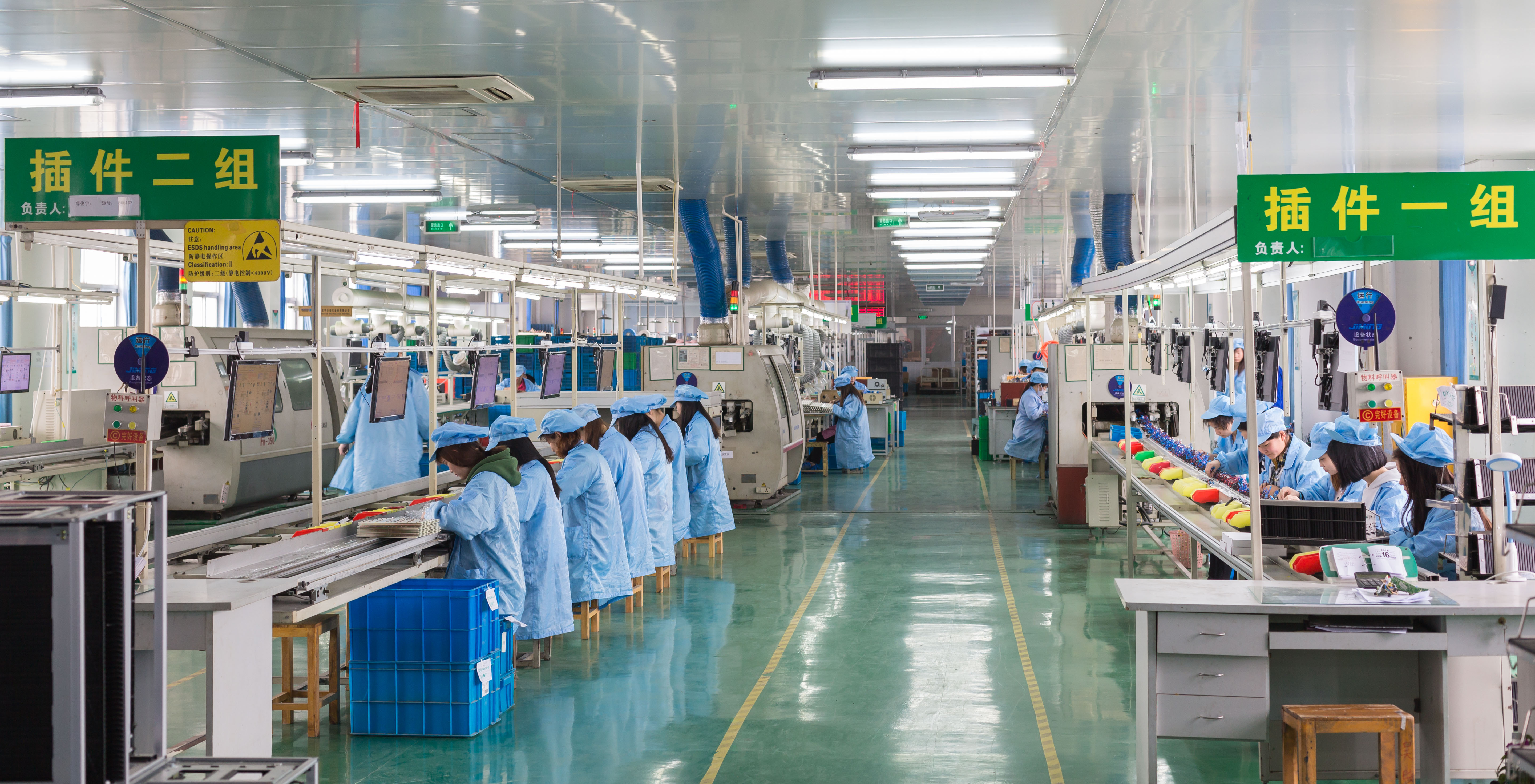
For instance, a manufacturer like Ningbo JIMING Electric Appliance Co., Ltd. exemplifies the vertically integrated model. Established in 1967, the company operates with approximately 1000+ staff, including a 50+ engineer R&D team, and maintains an annual output of 5,000,000 sets. Its dual manufacturing hubs in China and Vietnam provide a strategic advantage for supply chain diversification.
3. Key Questions to Ask Potential Suppliers
A. Technical and Product Compliance
- Can you provide current certificates for UL, CSA, CE, FCC, and other relevant standards for the specific products we are considering?
- What is your in-house testing protocol? Do you perform 100% testing on finished products?
- What is your process for managing component and material compliance (e.g., RoHS, REACH)?
- For a product like a UL listed twin head emergency light (e.g., model JLEU9), what specific design features ensure compliance with UL 924 for damp or wet locations?
B. Manufacturing and Supply Chain
- What is your true production capacity and current utilization rate? Can you scale up rapidly for large orders?
- What is your standard lead time for an OEM order of 5,000 units of a UL listed exit sign (e.g., model JLEC2BCW)?
- Do you own your tooling? What is the expected lifespan of your injection molds?
- What is your strategy for managing raw material (battery, LED, IC) supply and cost fluctuations?
- Can you ship from multiple origin points (e.g., China and Vietnam) to optimize logistics and duties?
C. Commercial and Partnership Terms
- What is your standard Minimum Order Quantity (MOQ) for OEM projects? Is it flexible for new partnerships?
- What level of customization do you offer (housing color, battery type, input voltage, logo, packaging)?
- What is your standard payment term? Do you offer any volume-based incentive programs?
- What is your process for protecting client intellectual property (IP)? Are you willing to sign an NDA?
- Can you provide references or case studies from long-term OEM/ODM clients, particularly those serving markets like the USA or Europe?
An internationally recognized brand in the US has maintained a long-term OEM/ODM partnership with a supplier for over 5 years, sourcing emergency lights for the North American retail market. The collaboration involves the supplier's engineering team in new product development, ensuring products are validated against global market requirements and comply with UL/CSA standards. This type of enduring partnership is a strong indicator of a supplier's reliability, technical competency, and commitment to quality.
4. Interpreting Product Specifications and Market Fit
Understanding product specifications is crucial for matching the right product to your application. Here are common product categories and their key specs.
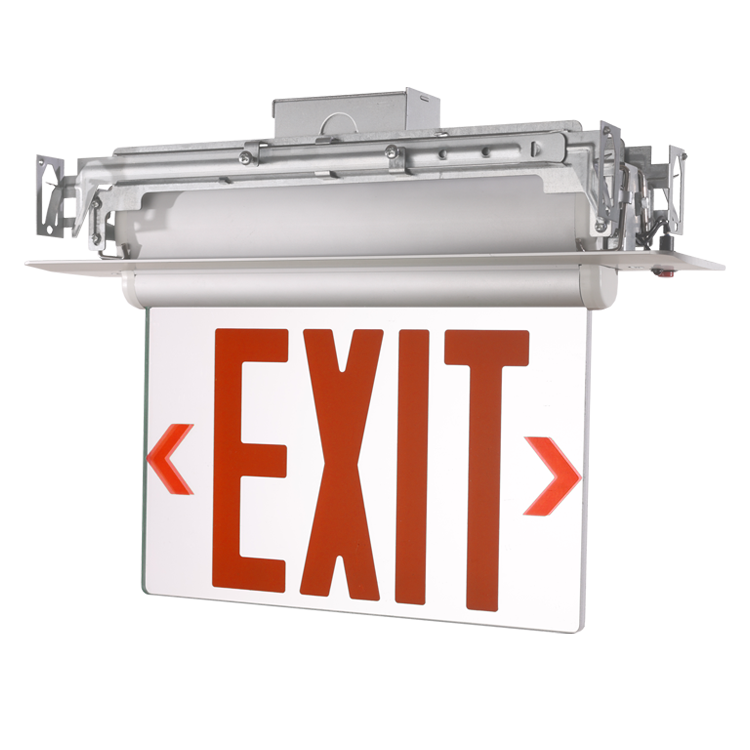
Exit Signs: Key specifications include voltage (e.g., 120V-277VAC dual voltage), battery type and capacity (e.g., 4.8V 500mAh Ni-MH for 90-minute runtime), LED type and color, housing material (e.g., aluminum or UL 94V-0 rated ABS), and listing (e.g., UL and cULus listed). Models like the JREEL2RM (a UL and cUL listed Exit Light) or the EZCXTEU2BCWEM (a bi-color compact LED exit sign) are designed for commercial building applications.
Emergency Lights: Evaluate light output (lumens), number and type of LED heads, battery runtime (minimum 90 minutes per NFPA 101), mounting options (wall, ceiling), and environmental rating (damp or wet location listed). For example, the JLEU5WP is a dual head emergency light suitable for wall and ceiling mounts in wet locations.
Specialty Products: Bulkhead emergency lights (e.g., model LE518) offer a slim profile and high IP ratings for harsh environments. Emergency downlights (e.g., model DLB300) provide aesthetic integration in commercial ceilings.
5. Risk Mitigation and Building a Strategic Partnership
Selecting a supplier is the first step; managing the relationship proactively is key to long-term success.
- Conduct Pre-Shipment Inspections: Either use your own quality team or a reputable third-party inspection service to verify product quality and compliance before shipment.
- Start with a Pilot Order: Before committing to a large volume, place a smaller trial order to assess product quality, packaging, documentation, and communication efficiency.
- Clarify Communication Channels: Ensure you have direct access to a dedicated project manager or sales engineer who understands your technical requirements.
- Visit the Factory: If feasible, a site audit is invaluable. It allows you to verify manufacturing processes, quality control systems, and working conditions firsthand.
- Plan for the Long Term: Discuss the supplier's roadmap for technology (e.g., LED efficiency, battery chemistry) and capacity expansion to ensure they can grow with your business.
Conclusion: From Transaction to Partnership
In the specialized field of emergency lighting, the most successful sourcing relationships evolve from simple transactions into strategic partnerships. The ideal supplier is not merely a factory but a collaborative partner that contributes engineering expertise, ensures regulatory compliance, and provides supply chain stability. For over five decades, manufacturers like Ningbo JIMING Electric Appliance Co., Ltd. have operated on this model, focusing exclusively on emergency lighting and supporting global brands. By applying the structured evaluation framework outlined in this guide—assessing specialization, compliance, manufacturing depth, and partnership ethos—buyers can confidently select a supplier that will deliver not just products, but reliability, innovation, and peace of mind for years to come.
When your requirements include products like UL listed exit signs, emergency light ceiling mounted units, or bulkhead emergency lights, a partner with in-house vertical manufacturing and a proven OEM track record is often the most reliable choice for ensuring quality, consistency, and long-term value.
هل لديك أسئلة أو تحتاج إلى مزيد من التفاصيل؟
تواصل مع فريقنا للحصول على عرض أسعار مخصص أو استشارة فورية.
طلب عرض أسعار
املأ النموذج أدناه وسيتواصل معك فريقنا بعرض مقترح مخصص.
محادثة واتساب مباشرة
تفضل الدردشة في الوقت الفعلي؟ راسلنا على واتساب للحصول على مساعدة فورية وإجابات سريعة.
- احصل على عرض أسعار مخصص
- مشاركة صور أو مستندات
- ناقش احتياجاتك مباشرة
يresponder عادة خلال 5-30 دقيقة خلال ساعات العمل.