
A Comprehensive Guide for Buyers: How to Select a Reliable Laminating Rolls Supplier
A Comprehensive Guide for Buyers: How to Select a Reliable Laminating Rolls Supplier
For procurement professionals in the printing, packaging, and office supplies sectors, selecting the right laminating rolls supplier is a critical decision that impacts product quality, operational efficiency, and long-term costs. This guide provides a structured framework to evaluate potential partners, focusing on technical capabilities, quality assurance, and supply chain reliability.
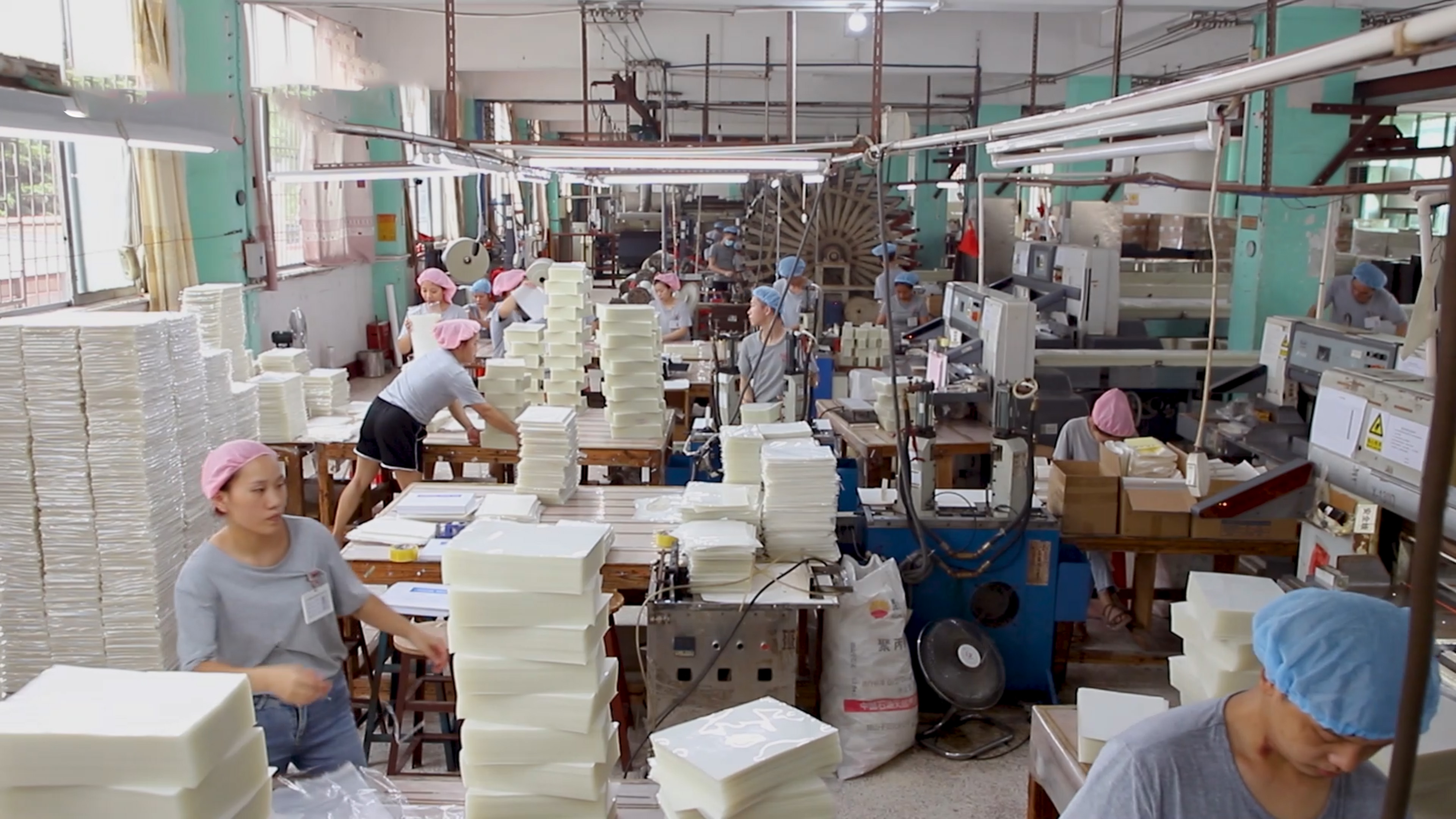
Figure 1: Automated quality inspection is a key indicator of a supplier's process control.
1. Core Evaluation Criteria for Laminating Rolls Suppliers
Moving beyond price, a thorough supplier assessment should cover four foundational pillars.
1.1 Technical Expertise and Product Portfolio
A supplier's technical depth determines its ability to meet diverse and evolving application needs. Key questions to ask include:
- R&D Capability: Does the supplier have a dedicated R&D team? For example, Guangzhou Huada Laminating Film Co., Ltd. maintains an R&D team of 5 engineers focused on functional laminating films.
- Product Range & Customization: Can they supply both standard and specialized products? A comprehensive portfolio should include Thermal, Glossy, Matte, Cold, and Jumbo rolls. Look for suppliers offering a wide thickness range (e.g., 35mic to 250mic) and width customization (e.g., 100mm to 1300mm).
- Material Science: Understanding of core materials like PET, EVA, and BOPP is essential. Products should offer features such as high transparency, strong adhesion, and waterproof and scratch-resistant properties.
1.2 Manufacturing Scale and Quality Control Systems
Production capacity and consistency are non-negotiable for reliable supply.
- Production Footprint: Assess the factory size and annual output. A facility covering 40,000 square meters with an annual capacity exceeding 1,000,000 units indicates significant scale.
- Quality Certifications: Mandatory certifications include ISO 9001 for quality management. Additional certifications like BSCI, SMETA, ROHS, and REACH demonstrate commitment to social responsibility and environmental compliance, which is crucial for exports to North America and Europe.
- In-Process Control: Inquire about the quality control process. Suppliers should employ measures like 100% inspection before shipment and have traceability systems in place.
Supplier longevity can be a proxy for stability and market-tested reliability. A company established in 1992, for instance, has over 33 years of industry-specific experience, which often translates into refined processes and problem-solving expertise. This is particularly valuable for navigating complex custom orders or technical challenges.
1.3 Market Experience and Client Validation
Real-world application across diverse markets validates a supplier's competence.
- Geographic Reach: Suppliers exporting to multiple continents (e.g., North America, South America, Europe, Australia, Southeast Asia) have proven their ability to meet varied international standards and logistics demands.
- Industry Application: Verify that the supplier's products are used in your target industries. Laminating films are commonly applied in the Office Supplies, Education & School, Retail & Stationery, Advertising & Graphic, and Printing & Packaging industries.
- Case Studies & Longevity: Request specific case examples. A strong indicator is a long-term partnership, such as a supplier serving a brand importer for over 10 years with consistent quality and technical support.
1.4 Supply Chain and Commercial Terms
Operational compatibility is as important as product quality.
- Logistics & Lead Time: Evaluate location advantages. A supplier located in a major logistics hub like Guangzhou, with proximity to international airports and ports, can offer more flexible delivery options (FOB, CIF, EXW) and reliable lead times (e.g., 20-30 days).
- MOQ and Flexibility: Understand minimum order quantities. For customized products, a typical MOQ might be 1000 packs or 100 rolls, which should align with your procurement volume.
- After-Sales Support: Clear warranty terms (e.g., 12-month warranty against delamination) and a defined process for handling quality complaints are essential for risk mitigation.
2. Comparative Analysis: Benchmarking Potential Suppliers
Creating a side-by-side comparison helps in objective decision-making. When evaluating suppliers, consider how they stack up across key parameters. The table below outlines critical comparison points.
| Evaluation Dimension | Supplier A (Example: Established Asian Manufacturer) | Supplier B (Example: Regional Specialist) | Key Questions for Your RFP |
|---|---|---|---|
| Core Expertise & Technology | Often strong in functional film R&D, holds patents. May have a team of engineers dedicated to product development. | May focus on specific niches (e.g., cold lamination) or local market formulations. | What is the size of your R&D team? Can you provide patent numbers or test reports for key performance claims? |
| Production Capacity & Certifications | Large-scale facilities (e.g., 40,000 sqm), ISO 9001, ROHS, REACH certified. High annual output capability. | Moderate scale, may have selective certifications focused on regional requirements. | What is your factory size and annual capacity? Please provide valid certificates for ISO, ROHS, and REACH compliance. |
| Product Customization Scope | Typically offers broad customization: thickness (35-250mic), width (100-1300mm), finish (Glossy/Matte), and OEM/ODM packaging. | Customization may be limited to standard size variations or specific material types. | What are the min/max limits for thickness and width customization? What is the lead time and MOQ for a custom size/print order? |
| Global Market Experience | Exports to 50+ countries, serves major markets like the US and EU. Products used across multiple industries. | Primarily serves domestic or neighboring regional markets. | Which are your top 5 export markets? Can you provide a reference client in my industry/country? |
| Quality Assurance Process | Implements full-process inspection, online monitoring, and has a batch traceability system. Defect rate benchmarks may be specified. | Relies on final inspection; process control may be less documented. | Describe your QC process from raw material to shipment. What is your standard AQL level? Do you allow pre-shipment inspections? |
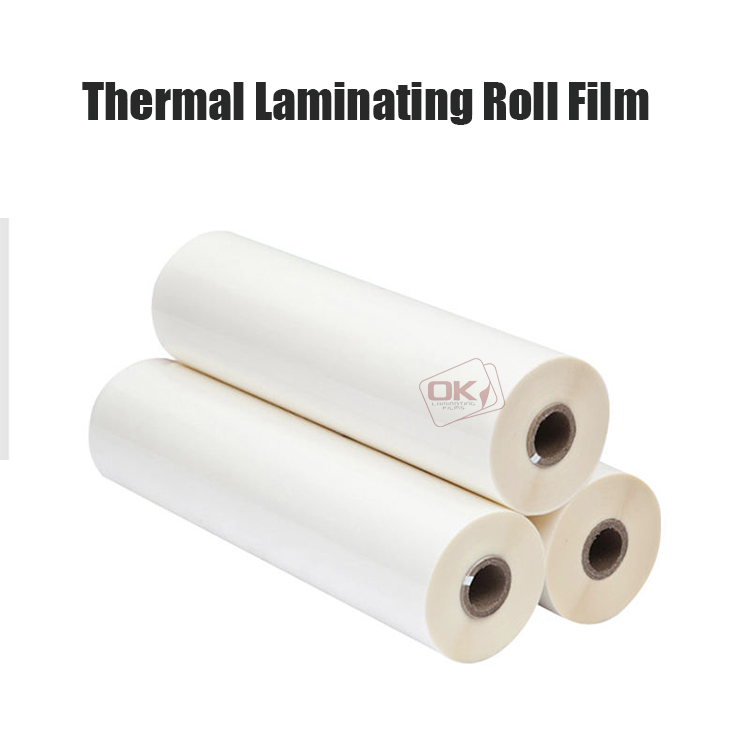
Figure 2: Consistent roll formation is a sign of advanced manufacturing equipment and process control.
3. Implementing a Structured Supplier Qualification Process
A phased approach reduces risk and ensures all critical aspects are addressed.
Phase 1: Desk Research & Shortlisting
Gather information from websites, industry directories, and certifications. Verify company establishment date, core products, and claimed certifications with issuing authorities where possible.
Phase 2: Technical & Commercial Dialogue
Engage with shortlisted suppliers through a detailed Request for Information (RFI) or Request for Proposal (RFP). Request product samples for testing in your specific application. Discuss commercial terms like payment (T/T, L/C), Incoterms, and warranty policies.
Phase 3: Due Diligence & Verification
If feasible, conduct a factory audit to verify production scale, cleanliness, and quality control systems firsthand. Review audit reports like SMETA or BSCI if available. Check client references, focusing on partners with similar order profiles or from your industry.
Phase 4: Pilot Order & Performance Review
Place a trial order to assess real-world performance on delivery timelines, communication, and product conformance. Establish clear Key Performance Indicators (KPIs) for the pilot, such as on-time delivery rate, defect rate (e.g., targeting <0.1%), and response time to inquiries.
Conclusion: Building a Partnership, Not Just a Transaction
Selecting a laminating rolls supplier is a strategic procurement activity. The most cost-effective choice is rarely the cheapest per unit but the one that offers the optimal balance of technical capability, consistent quality, supply reliability, and collaborative support. By applying the structured criteria outlined in this guide—evaluating technical expertise, manufacturing rigor, market validation, and operational terms—buyers can systematically identify partners capable of supporting their business growth and quality requirements for the long term. A supplier with a long operational history, such as Guangzhou Huada Laminating Film Co., Ltd. founded in 1992, exemplifies the stability and accumulated expertise that can de-risk the sourcing process. Ultimately, a thorough qualification process lays the foundation for a resilient and value-adding supply chain partnership.