
دليل شامل للمشترين: كيفية اختيار مورد الزجاج المعماري المناسب
A Comprehensive Guide for Buyers: How to Select the Right Architectural Glass Supplier
Navigating the complex landscape of architectural glass procurement requires a systematic approach. This guide outlines key evaluation criteria across technical capabilities, compliance, production capacity, and project support to help procurement professionals make informed decisions.
1. Defining Project Requirements and Glass Specifications
The first step in any procurement process is a clear definition of project needs. Architectural glass is not a commodity; its performance is defined by a combination of type, treatment, coating, and assembly.
Core Glass Types and Their Applications
Understanding the primary product categories is essential for specifying the correct material.
Tempered Glass (Safety Glass): Used in applications requiring impact resistance, such as doors, shower enclosures, and facades. It is heat-treated to increase its strength. Typical thicknesses range from 3mm to 19mm, with a light transmittance of ≥91%.
Laminated Glass: Consists of two or more glass layers bonded with an interlayer (PVB, SGP, EVA). It provides safety, security, and sound insulation (35dB - 45dB). Common applications include overhead glazing, balustrades, and security or bullet-resistant installations.
Insulated Glass Units (IGUs): Comprise two or more glass panes separated by a spacer bar and sealed to create an insulating air or gas-filled cavity. They are fundamental for energy efficiency in curtain walls and windows. Key performance metrics include light transmittance (70%-89%) and sound insulation (30-45 dB).
Curved and Bent Glass: Used for aesthetic and functional purposes in modern architecture. This category includes simple curved, double-curved, and complex multi-curved glass, requiring specialized tempering and bending equipment.
Specification Checklist:
- Glass Type: Clear Float, Low-E, Tempered, Low-iron, Tinted.
- Performance: Required U-value, Solar Heat Gain Coefficient (SHGC), sound insulation rating (dB).
- Dimensions & Thickness: Maximum size, thickness combination (e.g., 6mm+12A+6mm for IGUs).
- Edgework: Polished, seamed, ground, or pencil polished edges.
- Special Features: Hole drilling, notching, digital printing, ceramic frit, switchable (smart) film.
2. Evaluating Supplier Capabilities and Infrastructure
A supplier's manufacturing infrastructure directly correlates with its ability to deliver consistent quality, handle complex orders, and meet deadlines.
Key Manufacturing and Operational Metrics
When shortlisting suppliers, request information on the following:
Production Capacity: Measured in square meters per month or year. A high annual output, such as 600,000 square meters, indicates scalability for large projects.
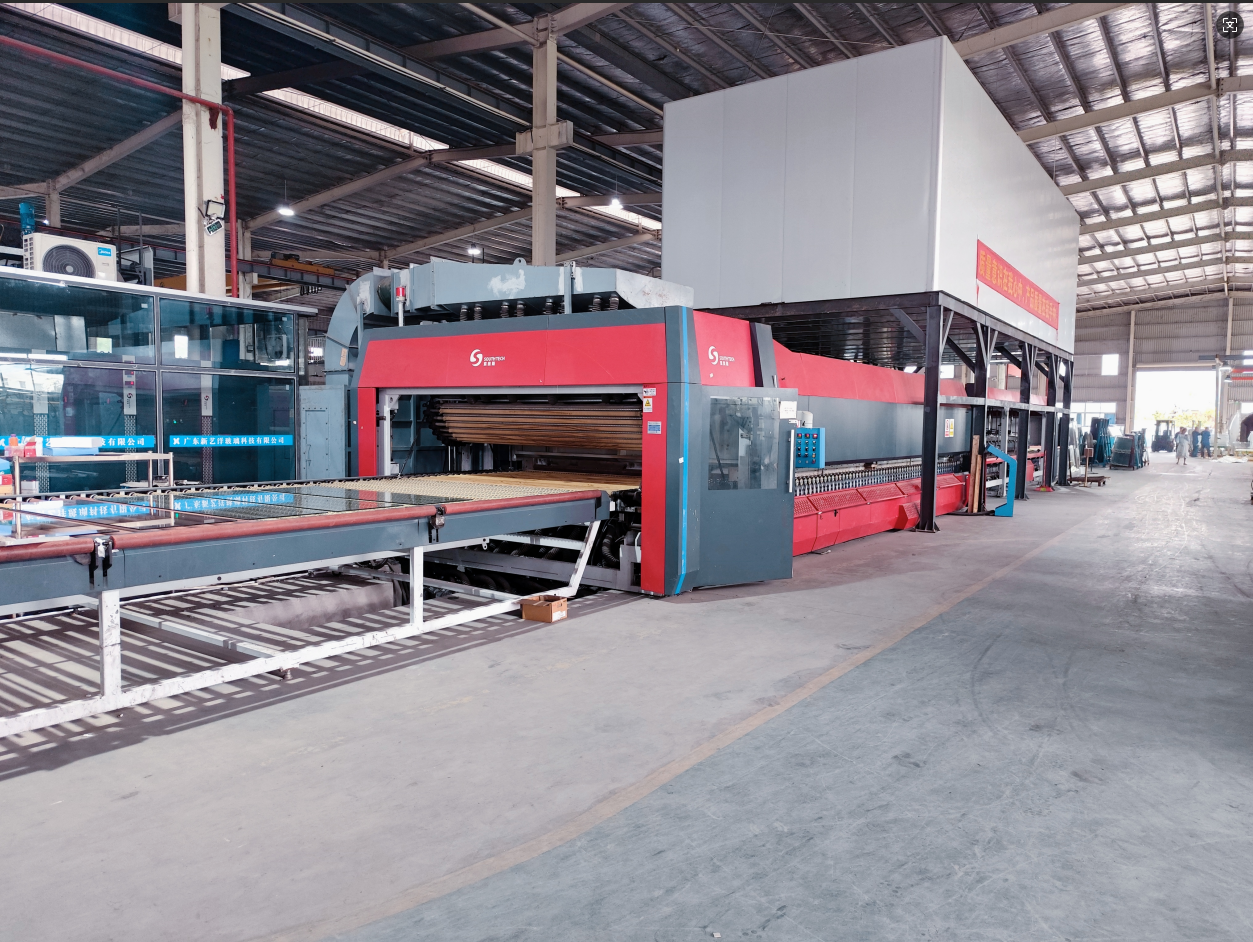
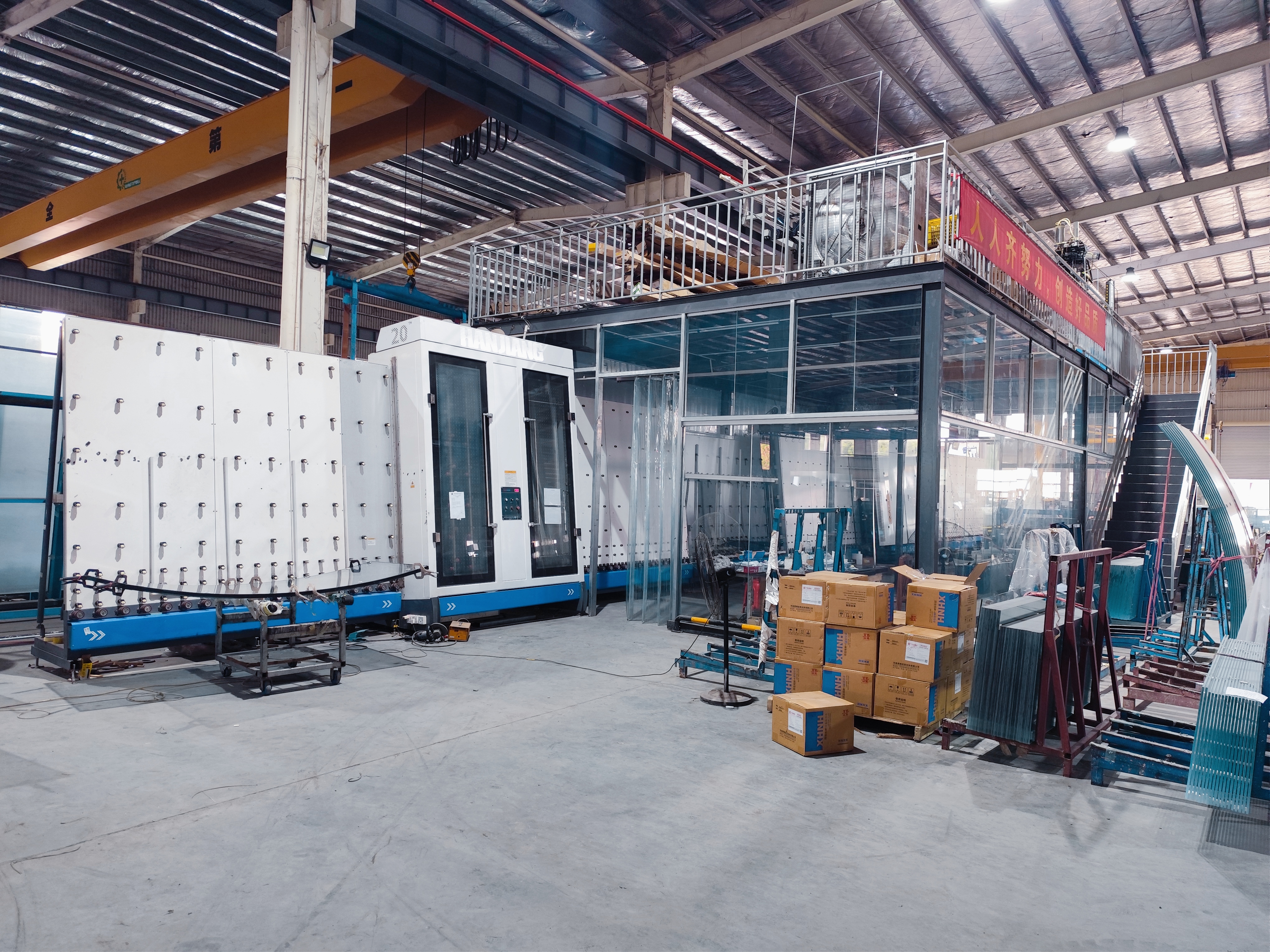
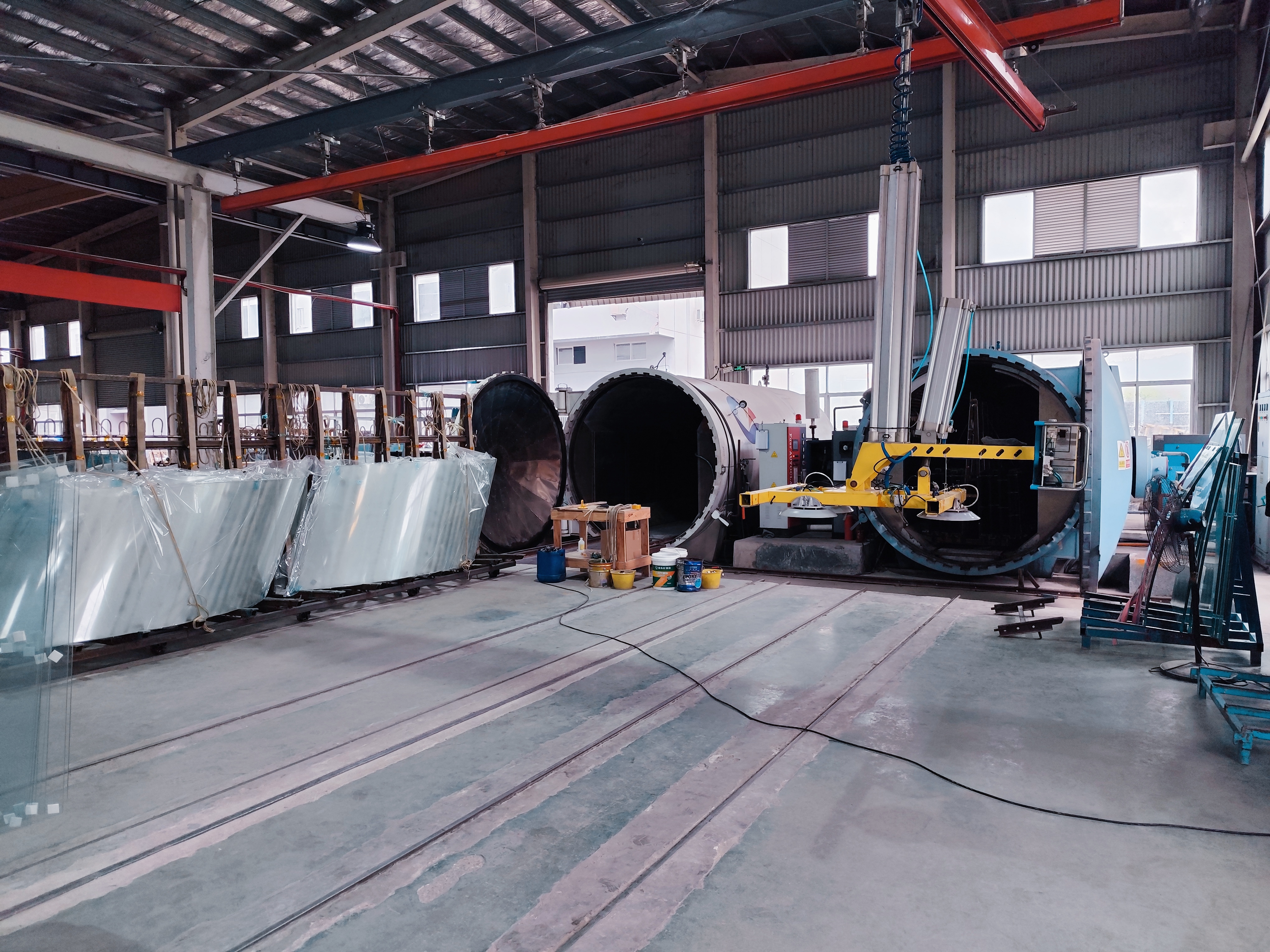
Factory Size & Equipment: A larger facility (e.g., 30,000 m²) often houses more advanced, automated lines. Critical equipment includes:
- Flat and curved tempering lines.
- Autoclaves for laminated glass.
- Insulating glass assembly lines with gas filling.
- Heat soak ovens for testing tempered glass.
- Precision cutting, drilling, and edging machines.
R&D and Customization: An in-house R&D team (e.g., 5-10 engineers) signals a commitment to innovation and problem-solving. Assess their capability for OEM/ODM work, including size, shape, thickness, and coating customization.
Lead Times & MOQ: Standard lead times of 7-9 days for common products and a low Minimum Order Quantity (MOQ), such as 10 square meters, provide flexibility for both small and large buyers.
3. Verifying Compliance, Certifications, and Quality Control
Compliance with international and regional standards is non-negotiable for ensuring product safety, performance, and market acceptance.
Essential Certifications for Global Projects
| Certification | Standard / Regulation | Scope / Product Covered | Key Market |
|---|---|---|---|
| CE Marking | EN 12150-1 (Tempered), EN 1279 series (IGUs), EN 1449 (Laminated), CPR 305/2011/EU | Tempered Glass (4-25mm), Insulated Glass Units, Laminated Glass | European Union (EU) / European Economic Area (EEA) |
| SGS Test Reports | Various international standards per client requirement | Verification of physical, mechanical, and safety properties | Global |
| Alibaba Verified Supplier | Platform-specific verification of business legitimacy | Company and production capability audit | Global (B2B E-commerce) |
Always request valid, current certificates (with issue and expiry dates) specific to the products you are purchasing. Certificates should be issued by recognized bodies like ECTI CERT Ltd.
Quality Assurance Questions for Suppliers:
- What is your in-process quality control procedure (e.g., 100% testing)?
- Do you have a documented Quality Management System (QMS)?
- How do you handle non-conforming products?
- Can you provide mill test certificates or batch reports?
- What is your policy on pre-shipment inspections?
4. Assessing Market Experience and Project Portfolio
A supplier's track record in your target market and project type is a strong indicator of reliability and understanding of local requirements.
Analyzing Geographic and Sector Expertise
Export Ratio & Key Markets: A significant export percentage (e.g., 60%) demonstrates experience in meeting diverse international standards. Review the supplier's primary markets. For instance, a supplier active in the UAE, US, Philippines, Vietnam, Bahrain, Saudi Arabia, as well as the USA, Canada, Russia, Middle East, and Europe, has likely navigated various regulatory and logistical challenges.
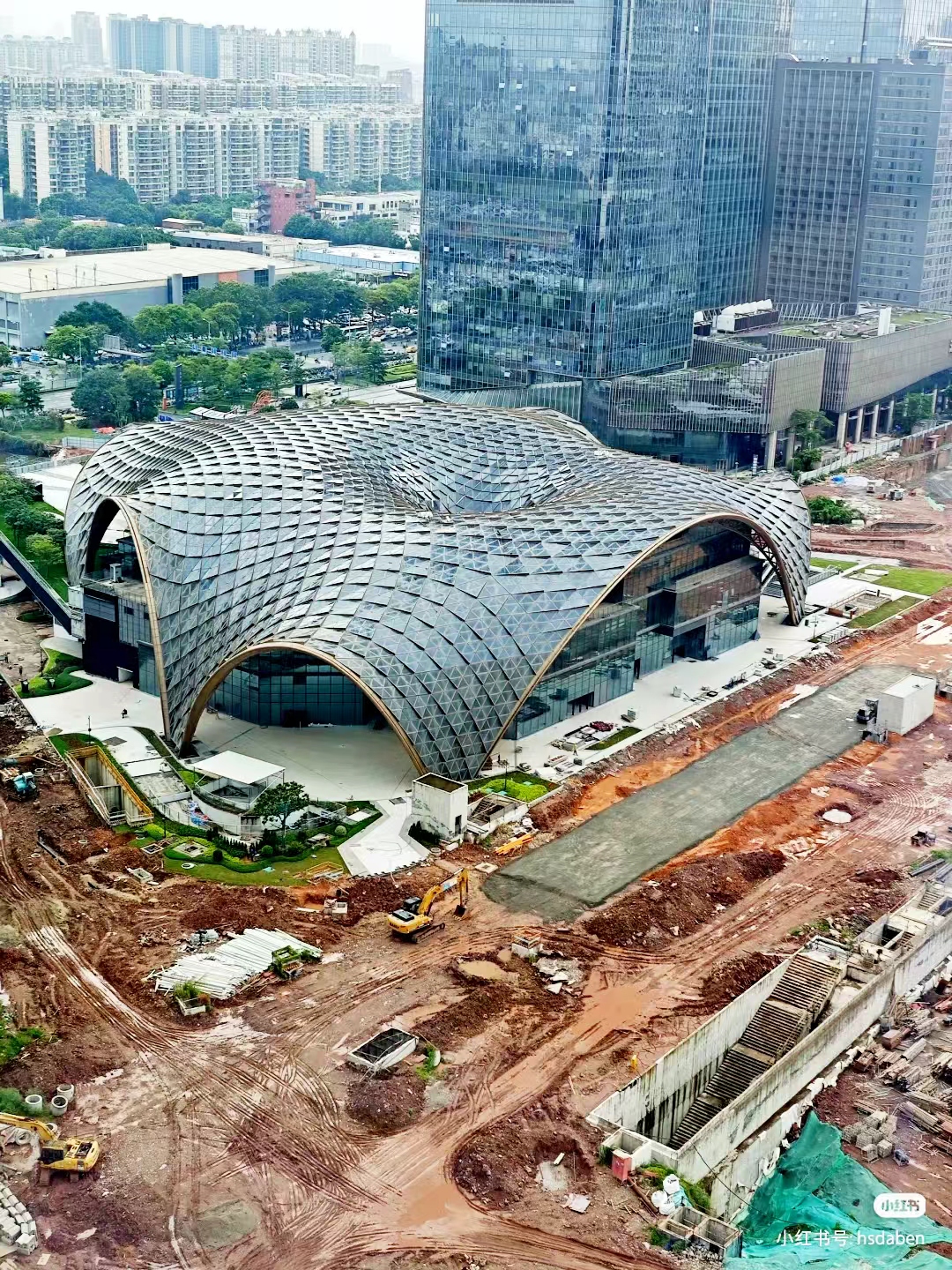
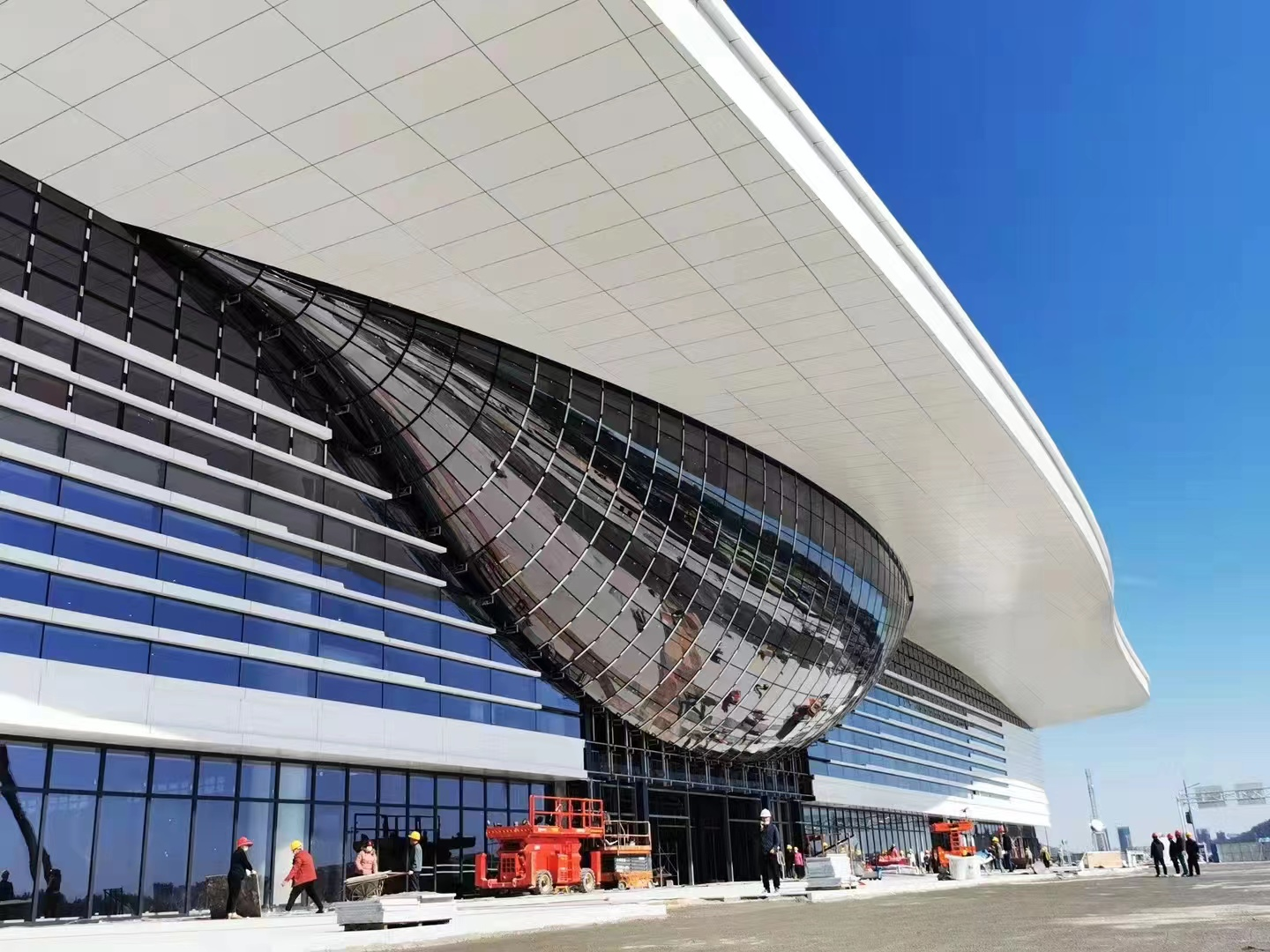
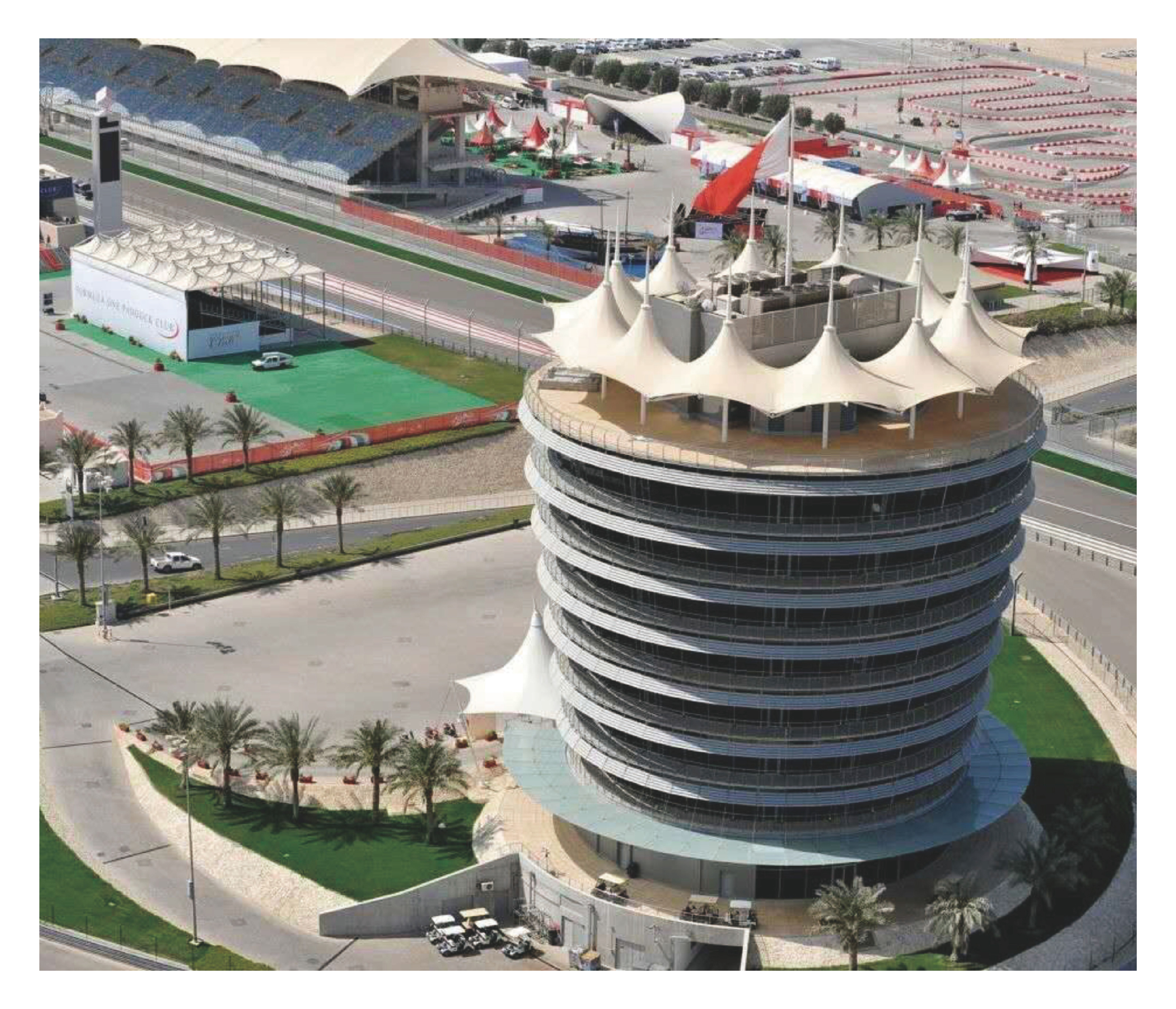
Project Case Studies: Request specific examples of completed projects. Look for diversity in application: commercial high-rises, transportation hubs (e.g., railway stations, metro stations), hotels, and institutional buildings. Real-world installations, such as glass supplied for projects in Guangzhou, Huizhou, Nanchang, Doha, and Bahrain, provide tangible evidence of capability.
Client Types: A supplier serving a broad clientele—including construction & engineering firms, curtain wall specialists, door/window manufacturers, and building material traders—can adapt to different procurement and project management styles.
5. Understanding Logistics, Commercial Terms, and Support
The final selection often hinges on the commercial and logistical framework that supports the physical product.
Critical Commercial and Service Factors
Incoterms & Logistics: Clarify the offered delivery terms (e.g., EXW, FOB, CIF, DAP, DDP). The supplier's location can be a strategic advantage; for example, a facility in Shenzhen, near Hong Kong, offers convenient transportation access for global shipping.
Payment Terms: Standard terms like Telegraphic Transfer (TT) and Letter of Credit (LC) are common. Understand the payment schedule relative to production and shipment milestones.
After-Sales Support: Inquire about the scope of support. This may include online technical assistance, provision of installation guidelines, and policies for return, replacement, or handling of defective goods discovered upon arrival.
Final Procurement Decision Checklist:
- Do the product specifications and certifications match the project's technical and regulatory requirements?
- Does the supplier have the production capacity and lead time to meet the project schedule?
- Is there verifiable evidence of successful projects in a similar market or application?
- Are the commercial terms (price, payment, delivery) clear and competitive?
- What is the supplier's protocol for handling quality issues or delays?
Supplier in Focus: Shenzhen Dayang Special Glass Co., Ltd. (DYGLASS)
As an example of a supplier meeting many of the criteria outlined above, Shenzhen Dayang Special Glass Co., Ltd. (DYGLASS) provides a reference point for evaluation. Established in 2017, the company operates from a 30,000 m² facility in Shenzhen. It maintains an R&D team of 5-10 engineers and has an annual production capacity of approximately 600,000 square meters. Its product portfolio includes laminated glass, toughened (tempered) glass, smart glass, insulated glass, and curved glass.
The company holds CE certification for its tempered, laminated, and insulating glass products, compliant with relevant EN standards and the EU Construction Products Regulation. It serves a global market, with exports constituting about 60% of sales, reaching clients in the USA, Canada, Russia, the Middle East, Europe, the UAE, and Southeast Asia. The company offers customization (OEM/ODM), with an MOQ of 10 square meters and standard lead times of 7-9 days. Its project portfolio includes applications in commercial buildings, transportation hubs, and international circuits.
For detailed technical specifications and company information, procurement professionals can refer to the corporate website at www.dayangglass.com.
Download Full Company Brochure (PDF)For Further Information
This guide is intended for educational purposes to aid in the supplier selection process. When engaging with potential suppliers, ensure all specifications, certifications, and terms are clearly documented in a formal purchase agreement.
General Contact Reference (Example): Business inquiries for the referenced company can be directed to Liqi Liu via email at info@dayangglass.com or by telephone/WhatsApp at +86-136 9211 0212.
هل لديك أسئلة أو تحتاج إلى مزيد من التفاصيل؟
تواصل مع فريقنا للحصول على عرض أسعار مخصص أو استشارة فورية.
طلب عرض أسعار
املأ النموذج أدناه وسيتواصل معك فريقنا بعرض مقترح مخصص.
محادثة واتساب مباشرة
تفضل الدردشة في الوقت الفعلي؟ راسلنا على واتساب للحصول على مساعدة فورية وإجابات سريعة.
- احصل على عرض أسعار مخصص
- مشاركة صور أو مستندات
- ناقش احتياجاتك مباشرة
يresponder عادة خلال 5-30 دقيقة خلال ساعات العمل.