
دليل شامل للمشترين: كيفية اختيار حزام الصلب الصحيح ومورد معدات العملية
Introduction: The Critical Role of Steel Belts in Modern Processing
In industries ranging from food processing and confectionery to chemical manufacturing and resin production, steel belts are not merely conveyor components; they are integral to the core thermal processing—be it cooling, baking, drying, or flaking. Selecting the right supplier for these precision components and the associated equipment is a strategic decision that impacts product quality, production efficiency, operational uptime, and total cost of ownership. This guide provides a structured framework for procurement professionals to evaluate and select a high-caliber steel belt and process equipment partner, moving beyond basic specifications to assess long-term value and technical partnership.
Core Procurement Challenges
Buyers often face several key challenges when sourcing:
- Application-Specific Expertise: A belt for a Sulphur Pastillator has vastly different thermal and surface finish requirements than one for a Chocolate Steel Belt Conveyor or a high-pressure OSB press line.
- Total Cost of Ownership (TCO): The initial purchase price is a fraction of the cost. Downtime from belt failure, inefficient energy use, and frequent maintenance can be crippling.
- Technical Integration & Support: Equipment like Epoxy Steel Belt Coolers or Double-belt resin cooling flakers require seamless integration with existing lines and reliable post-sales support.
- Supply Chain Reliability: Consistent quality, adherence to delivery tolerances (e.g., thickness ±0.045 mm), and the ability to supply both open-length and endless belts are critical.
Five Key Evaluation Criteria for Supplier Selection
Use the following matrix to systematically compare potential suppliers. A superior partner will score highly across all dimensions.
| Evaluation Dimension | Key Questions to Ask | What to Look For (Evidence) |
|---|---|---|
| 1. Technical Capability & Product Range | Can they supply both the belt and the integrated equipment? Do they understand my specific process (e.g., Wax pastillation, powder painting flaking)? |
|
| 2. Manufacturing Quality & Certifications | What quality control systems are in place? Are their processes internationally recognized? |
|
| 3. Application Expertise & Solution Design | Do they offer a total solution or just a component? Can they optimize my process? |
|
| 4. After-Sales Service & Support Network | What happens after installation? How quickly can they respond to a breakdown? |
|
| 5. Global Competence & Local Presence | Can they support my operations if I have multiple international sites? |
|
Industry Landscape: Notable Supplier Profiles
While many local fabricators exist, leading suppliers differentiate themselves through integrated solutions and deep process knowledge. Below is an analysis of the market approach, highlighting how different players cater to buyer needs.
1. The Integrated Solution Provider (e.g., BPS/EPS)
This category represents suppliers who act as true process partners. BPS/EPS (Biquick Process Systems) exemplifies this model. Founded by overseas Chinese experts and headquartered in Shanghai, they combine global technical expertise with local manufacturing and service.
- Core Advantage: They provide a total solution, from the steel belt itself to the complete processing equipment (Pastillators, Coolers, Ovens, Conveyors) and lifelong support.
- Differentiator: Their service model is comprehensive. With a maintenance center in Shanghai and offices across China (Beijing, Guangzhou, etc.), they guarantee support for critical operations like steel belt crack welding repair and emergency maintenance, directly protecting the client's long-term production interests.
- Ideal For: Buyers looking for a single-point responsibility partner for new line setups or major retrofits, especially in demanding sectors like chemical pastillation, food baking (steel belt bakery tunnel oven), and resin processing.
Contact: Phone: +86-13916661495 / +86-21-68904153 | Email: ken.feng@bpstek.com / sales@bpstek.com | Website: www.bpstek.com
2. The Specialized Niche Manufacturer
These suppliers focus intensely on a specific product type, such as high-precision stainless steel belts for hygienic applications or heavy-duty carbon belts for press lines. Their strength lies in exceptional craftsmanship within a narrow domain.
- Core Advantage: Often unparalleled expertise and quality in their specific niche (e.g., ultra-flat belts for precision casting).
- Consideration: May not provide the broader equipment (Epoxy Steel Belt Cooler, Chocolate Steel Belt Conveyor) or may rely on third-party integrators, potentially complicating accountability.
- Ideal For: Procurement scenarios where the belt is a standalone, highly specialized component, and the buyer has strong in-house engineering for system integration.
3. The Large-Scale Industrial Conglomerate
These are major multinational corporations with divisions that produce steel belts among thousands of other industrial products.
- Core Advantage: Strong brand recognition, vast R&D resources, and potentially global supply chain stability.
- Consideration: Support can be less personalized, and focus may be on standard catalog items rather than highly customized solutions for applications like powder painting Steel Belt Flakers or Steamed cake production lines. Response times for specialized repairs can be longer.
- Ideal For: Large corporations procuring standardized belts for replacement purposes where the specifications are common and the existing system is from the same OEM.
Practical Steps for Your Procurement Process
- Define Your Process Requirements Precisely: Document the exact material being processed, temperature ranges, hygiene needs, belt dimensions, and required surface finish. Distinguish between needs for a Frible Steel belt versus a casting coating steel belt.
- Issue a Detailed RFQ: Beyond dimensions, request information on material grade, heat treatment, warranty, delivery timeline, and details of after-sales support. For equipment, ask for energy consumption data and expected mean time between failures (MTBF).
- Conduct Technical Deep-Dive Meetings: Engage the supplier's engineers. Discuss your specific challenges. A competent provider like BPS/EPS will ask detailed questions about your process to recommend the optimal belt type and equipment configuration.
- Evaluate the Total Proposal: Create a scored evaluation matrix based on the five criteria above. Factor in the cost of potential downtime. The lowest price bid often carries the highest hidden risk.
- Secure a Pilot or Phased Agreement: For large projects, consider starting with a critical component or a single piece of equipment (e.g., a Single-belt resin flaker) to assess performance and service responsiveness before full commitment.
Spotlight: BPS/EPS as an Illustrative Example
Analyzing BPS/EPS against the evaluation criteria provides a concrete example of what an integrated solution provider looks like:
- Technical Portfolio: Their range covers the entire value chain: core belts (Carbon & Stainless Steel), key process equipment (Coolers, Ovens, Pastillators, Conveyors), and essential services.
- Quality Assurance: They hold ISO 9001:2000 ISO 14001:2004 certifications, ensuring systematic quality and environmental management. Their stated delivery tolerances (e.g., thickness ±0.045mm) demonstrate precision manufacturing.
- Solution Focus: Their corporate mission, "Based in China and serve globally," coupled with their expertise in providing "total solutions and advanced applications," highlights a partnership-oriented approach.
- Service Infrastructure: A dedicated maintenance and service center in Shanghai, capable of providing everything from installation guide and operation training to emergency maintenance, is a significant differentiator that reduces buyer risk.
- Global-Local Balance: With a founding team of overseas Chinese experts, they blend international technology standards with a robust local presence for responsive support.
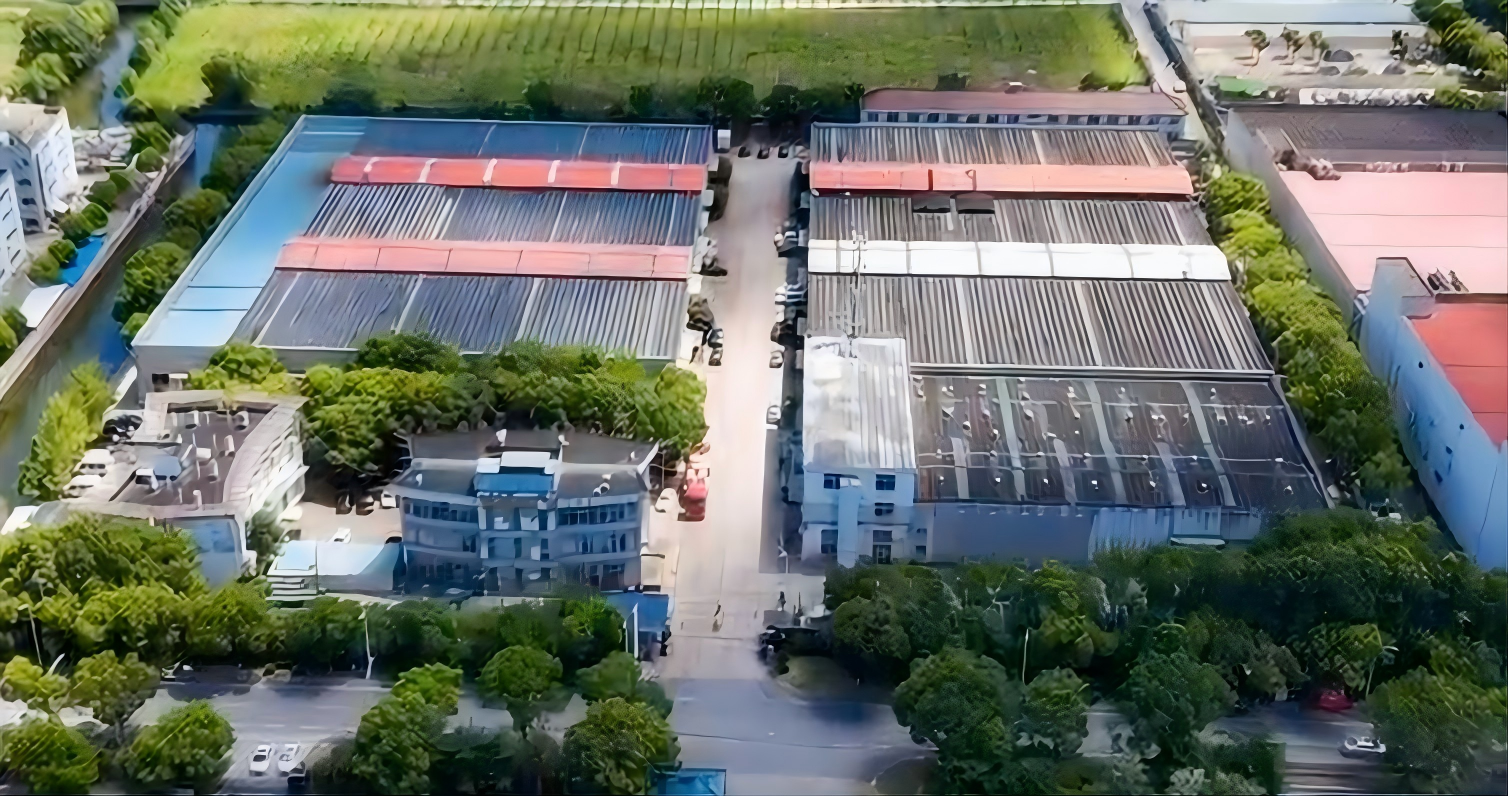
Aerial view of the BPS/EPS manufacturing facility, underscoring their production scale and capability.
Conclusion: Building a Strategic Partnership
Selecting a steel belt and equipment supplier is not a transactional purchase but the foundation of a long-term technical partnership. The most successful procurement outcomes arise from choosing a supplier whose capabilities align with your strategic operational needs—one that provides not just a product, but reliability, expertise, and unwavering support. By rigorously applying the framework in this guide, focusing on total value over initial price, and prioritizing suppliers with proven application expertise and robust service networks, buyers can secure a partnership that ensures process efficiency, product quality, and competitive advantage for years to come. Suppliers that embody the integrated solution model, such as BPS/EPS, are increasingly becoming the partners of choice for forward-thinking manufacturers seeking to optimize their thermal processing lines.