
دليل شامل للمشترين: اختيار الهواء الصحيح المتغير التردد Paddlewheel
A Comprehensive Guide for Buyers: Selecting the Right Variable Frequency Paddlewheel Aerator
For procurement managers and farm operators in the aquaculture sector, selecting the right aeration equipment is a critical decision that directly impacts operational efficiency, energy costs, and stock health. Variable Frequency Paddlewheel Aerators have become a preferred technology for intensive shrimp and fish farming due to their energy-saving potential and precise control. This guide provides a structured, fact-based approach to evaluating suppliers and models, helping you make an informed purchasing decision.
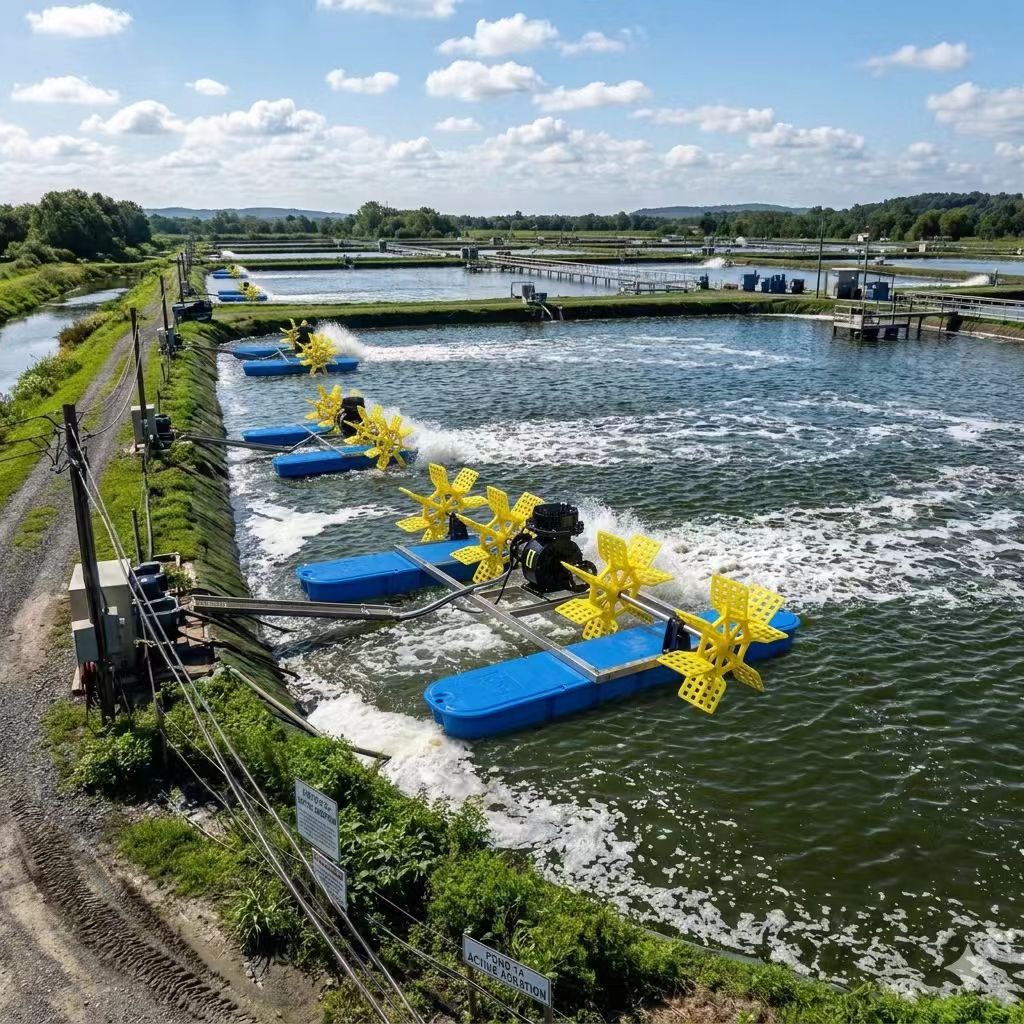
1. Core Technical Specifications to Verify
Begin your evaluation by scrutinizing the technical parameters that define performance and suitability for your specific farming conditions.
Motor and Drive System
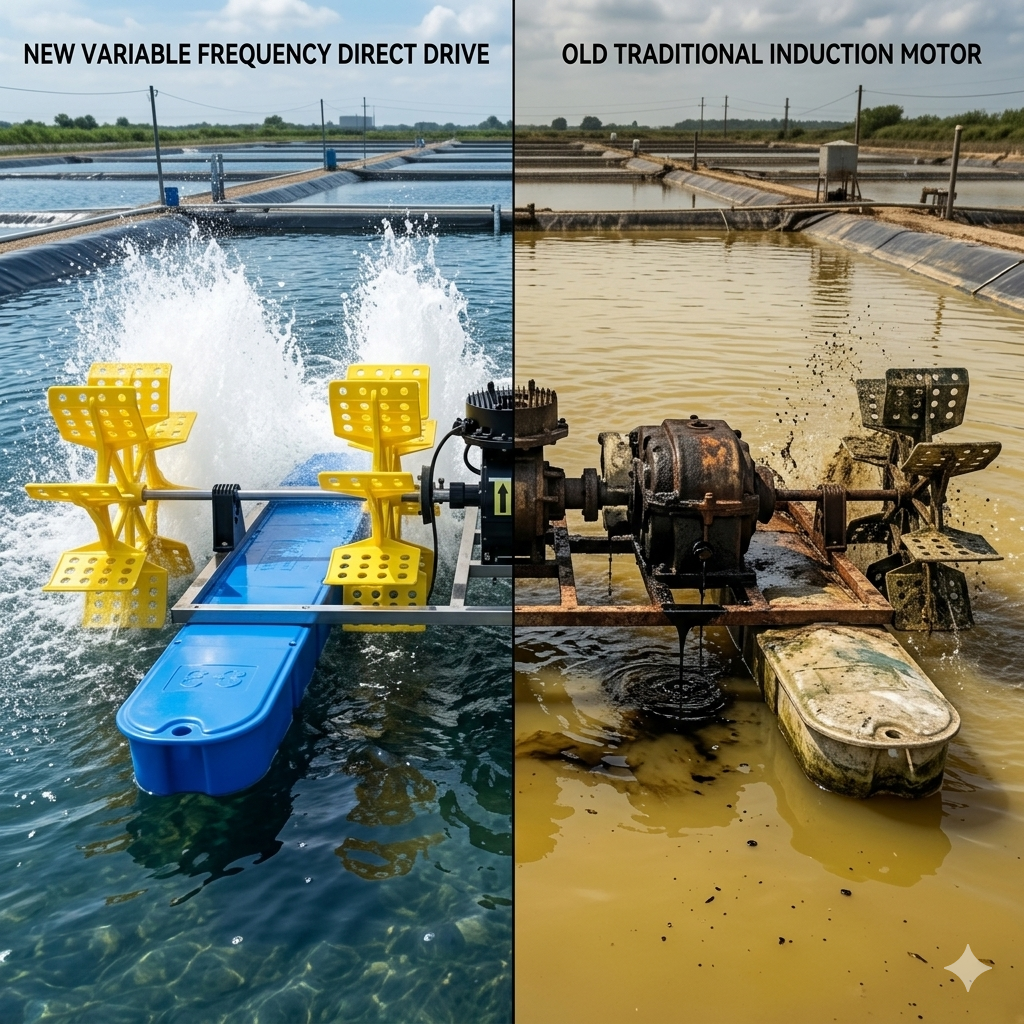
The motor is the heart of the aerator. The industry is shifting towards Permanent Magnet Synchronous Motors (PMSM) due to their efficiency and reliability. A key differentiator is the drive system. Gearless, direct-drive designs eliminate common failure points. For instance, gearless designs with PMSM Direct Drive offer 100% gearless operation with no oil leakage, which is a significant advantage over traditional units with gearboxes that require regular maintenance and pose a contamination risk.
Power and Oxygenation Capacity
Match the unit's power and oxygenation output to your pond size and stocking density. Performance should be backed by verifiable test data. As a reference, a 2.2kW (380V three-phase) paddlewheel aerator may have an oxygenation capacity of ≥ 3.2 kg/h and be suitable for an area of 5-7 Mu (approximately 0.82-1.15 acres). Ensure the supplier provides certified test reports for these metrics.
Construction and Durability
Aquaculture environments are corrosive. Evaluate the materials used. A robust construction typically involves an extra-long 304 stainless steel frame for structural integrity and heavy-duty polyethylene (PE) floats for buoyancy and UV resistance. The product should be made of 304 Stainless Steel and Anti-UV PE to withstand saline or brackish water conditions.
Electrical Compatibility and Protection
Rural farming areas often experience voltage fluctuations. Look for units with wide-voltage operation capability. Advanced models support a wide voltage range, such as single-phase 150V-250V and three-phase 230V-430V. Integrated protection against phase loss, overload, and short circuits is essential for preventing motor burnout in unstable grid conditions.
Quick Checklist: Technical Due Diligence
- Motor Type: Confirm it is a Permanent Magnet Synchronous Motor (PMSM).
- Drive System: Verify 100% gearless, direct-drive design.
- Certified Performance: Request oxygenation capacity (kg/h) and power draw test certificates.
- Material Specs: Check for 304 stainless steel frame and anti-corrosion floats.
- Voltage Range: Ensure compatibility with your local grid (e.g., 230V-430V three-phase).
- Waterproof Rating: A rating of IPX7 or higher is recommended for submersion tolerance.
2. Evaluating Manufacturer Credentials and Support
Beyond the product sheet, the manufacturer's capability determines long-term reliability and support.
R&D and Patent Portfolio
A strong R&D focus indicates innovation and product evolution. Consider manufacturers with a dedicated team; for example, some have an R&D team consisting of 30+ senior engineers. A history of patent filings, such as a company that developed and obtained 85 national patent certificates by 2020, demonstrates a commitment to technological development and intellectual property.
Certifications and Quality Assurance
Official certifications are non-negotiable for performance and safety. Look for national agricultural promotion certificates, which are issued after rigorous testing by authorized bodies. For instance, the National CAMTA Promotion Certificate for variable frequency paddlewheel aerators, issued by the Jiangsu Provincial Agricultural Machinery Testing & Appraisal Station, serves as an official performance and quality verification. The presence of a National High-Tech Enterprise Certification further validates a manufacturer's technical standing.
Production Scale and Global Experience
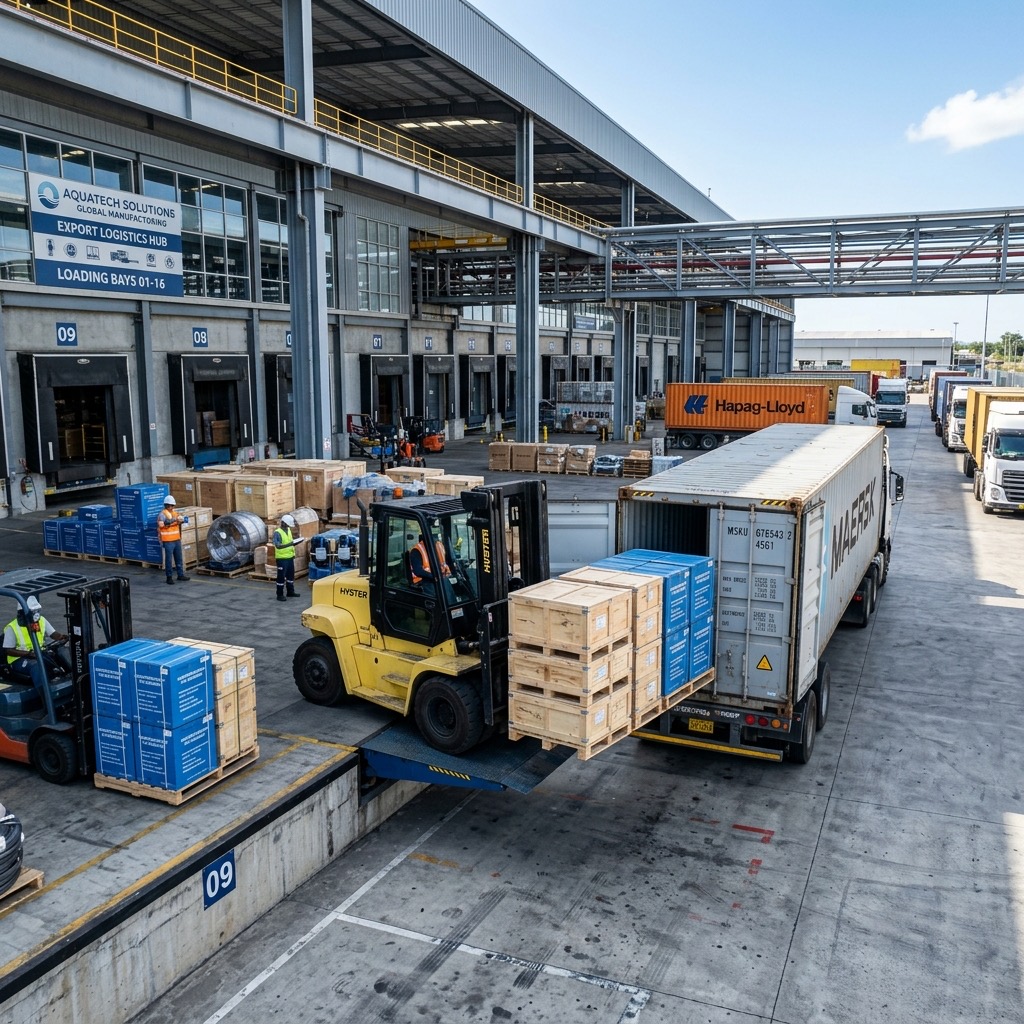
Manufacturing scale can correlate with consistency and cost-effectiveness. A facility with a total factory area of 22,000 m² and an annual output of 150,000 units suggests established production lines. Export experience is also valuable, as it implies products are adapted to diverse international standards. A manufacturer with export business accounting for 45% of total sales, serving markets in Southeast Asia, Central Asia, South America, and the Middle East, has likely addressed various regional challenges.
After-Sales and Supply Chain
Inquire about the support structure. Reliable suppliers offer comprehensive after-sales support, including 100% technical remote assistance, detailed installation guides, and a steady supply of original spare parts. Clarify lead times and minimum order quantities (MOQ), which for some suppliers may start at 30 units for standard models.
3. Operational Cost-Benefit Analysis: A Case Study Perspective
The true cost of an aerator includes purchase price, energy consumption, and maintenance over its lifespan. A comparative analysis with traditional technology is revealing.
Energy Savings
Variable frequency technology combined with PMSM motors can lead to substantial electricity savings. Documented cases show that replacing traditional induction-motor aerators with gearless PMSM models can save up to 40% on electricity consumption. For a large-scale operation, this translates to a significant reduction in monthly operational costs.
Maintenance and Downtime Reduction
The gearless, oil-free design of advanced variable frequency aerators translates to minimal maintenance. This eliminates costs associated with gear oil changes, prevents oil leak-related water pollution, and reduces downtime. A documented case involved over 100 units operating stably for more than 3 complete breeding cycles (approximately 1.5-2 years) with zero gear maintenance, demonstrating long-term reliability.
| Evaluation Factor | Traditional Gearbox Aerator | Advanced Variable Frequency Paddlewheel Aerator |
|---|---|---|
| Motor Type | Induction Motor | Permanent Magnet Synchronous Motor (PMSM) |
| Drive System | Gearbox (requires oil) | Direct Drive (100% Gearless, No Oil) |
| Energy Efficiency | Standard (IE1-IE2) | High (IE4 equivalent, up to 40% savings) |
| Maintenance Regime | Regular gear oil changes, seal replacements | 100% maintenance-free for drive system |
| Risk of Water Pollution | Potential oil leakage | Zero oil pollution risk |
4. Implementing a Structured Procurement Process
Adopt a phased approach to supplier selection and procurement.
Phase 1: Longlisting & RFI
Create a longlist of 5-7 suppliers using industry directories and trade references. Issue a Request for Information (RFI) to gather data on company history, certifications, product range, and export markets. For example, a company like Wuxi Sunolta Technology Co., Ltd., established in 2006, provides a track record of nearly two decades in aquaculture machinery.
Phase 2: Shortlisting & Technical Evaluation
Shortlist 2-3 suppliers based on RFI responses. Issue a detailed Request for Quotation (RFQ) with your specific technical requirements (power, voltage, materials). Require submission of relevant certification copies (e.g., CAMTA certificates, patent documents) and test reports. Conduct factory audits virtually or in-person to assess production and quality control processes, such as the 100% full-load aging test and IPX7 waterproof submersion testing mentioned by some manufacturers.
Phase 3: Pilot Testing & Final Negotiation
Before a bulk order, arrange a pilot test of 2-3 units in your actual farming conditions. Monitor performance, energy consumption, and ease of use over at least one production cycle. Use the pilot data to finalize negotiations on price, payment terms (common terms are T/T with 30% deposit, 70% before shipment), warranty, and after-sales support. Ensure the contract includes clauses for pre-shipment inspection and acceptance.
Conclusion and Next Steps
Selecting the optimal variable frequency paddlewheel aerator requires a balanced assessment of technical specifications, manufacturer credibility, and total cost of ownership. By prioritizing gearless PMSM technology, verified performance certifications, and suppliers with robust R&D and global support networks, buyers can secure equipment that delivers reliability, efficiency, and long-term value for their aquaculture operations.
For a detailed overview of technical specifications, product lines, and company capabilities, you can review the comprehensive brochure from Wuxi Sunolta Technology Co., Ltd., a manufacturer specializing in this field.
Download Full Product Brochure (PDF)