
دليل شامل لأصحاب الفنادق: كيفية تحديد واختيار مورد منسوجات الفنادق الممتازة
Sourcing the right hotel textile supplier is a critical decision that impacts guest satisfaction, operational efficiency, brand reputation, and the bottom line. The market is vast, with manufacturers ranging from large-scale commodity producers to specialized innovators. This guide provides hotel procurement managers, owners, and specifiers with a structured framework to evaluate and select a partner that aligns with their specific needs, from boutique hotels to large chains.

1. Define Your Core Requirements and Specifications
Before engaging suppliers, clearly outline your project's non-negotiable parameters. This focus will streamline the vetting process.
1.1. Product Scope & Quality Standards
- Product Range: Determine if you need a comprehensive supplier for hotel bedding (sheets, duvet covers, pillowcases, mattress protectors), hotel linen (bathrobes, towels), and dining textiles (tablecloths, napkins), or a specialist for one category.
- Fabric & Material: Define thread count, fabric weight (gsm), and material composition. Are you targeting classic long-staple cotton, luxurious linen, eco-friendly bamboo, or performance-driven blends with recycled polyester (rPET)?
- Functional Needs: Identify required functionalities: antibacterial hotel bedding for hygiene, flame retardant hotel textiles for safety compliance, water-repellent finishes, or anti-dust mite treatments.
- Durability & Lifespan: Establish expected wash cycles (e.g., 100+ industrial washes) and replacement cycles to calculate Total Cost of Ownership (TCO).
1.2. Sustainability and Certification Mandates
With increasing regulatory and consumer pressure, sustainable sourcing is paramount. Specify required certifications:
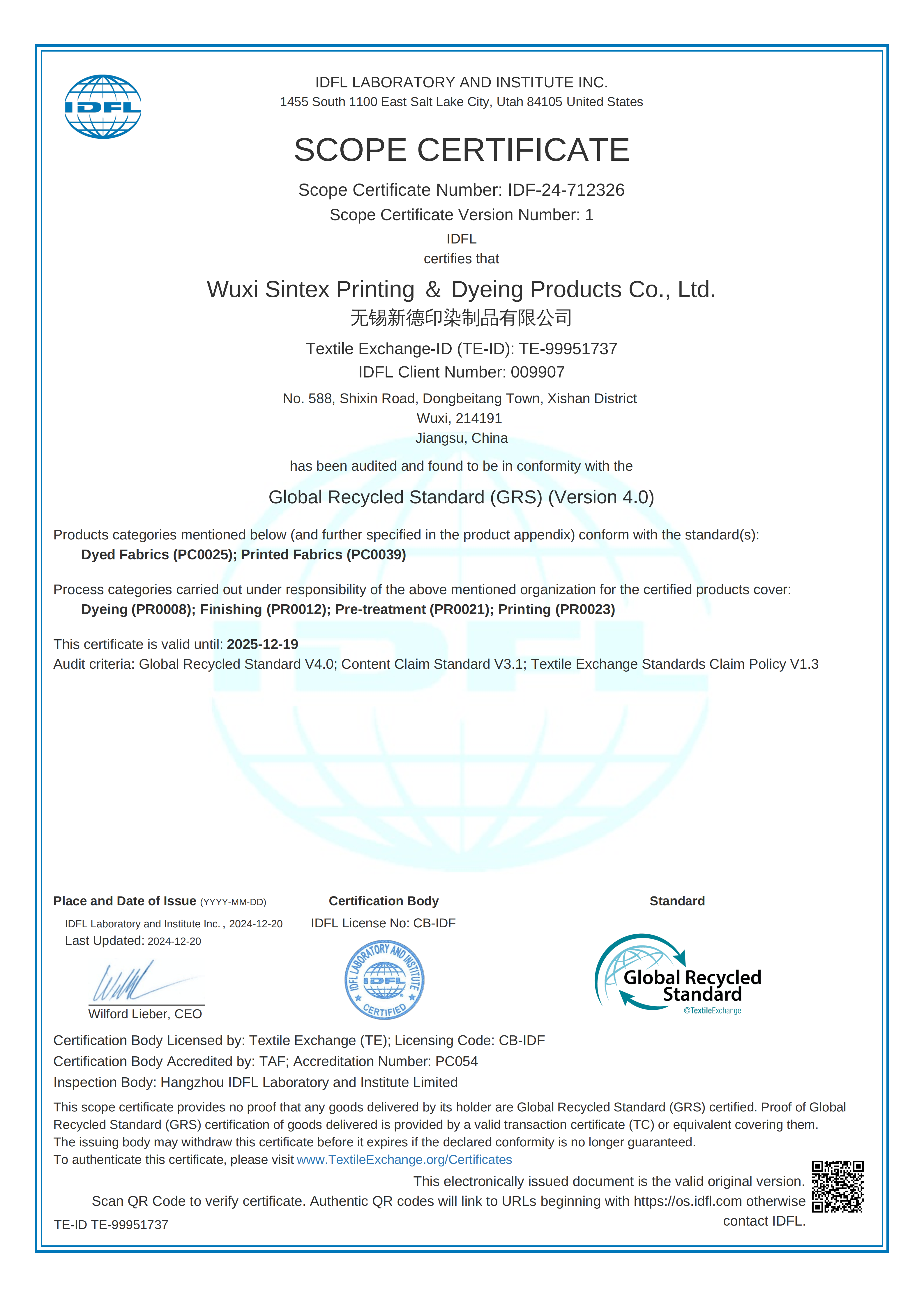
GRS (Global Recycled Standard) OEKO-TEX® Standard 100 GOTS (Global Organic Textile Standard) CE Certification
A supplier holding these certificates, like CODE TEXTILES with its GRS (IDF-24-712326) and CE (SH015148125) certifications, provides verifiable proof of their commitment to recycled content and product safety for the European market.
2. The Supplier Evaluation Framework: Key Criteria
Use this multi-dimensional framework to assess potential partners beyond just price.
2.1. Manufacturing Capabilities and Flexibility
- OEM/ODM Expertise: Can they handle custom hotel textiles from your design? Do they offer hotel textile OEM services with fabric development, sampling, and logo embroidery?
- Production Scale & Lead Times: Verify if they can support both small-batch orders for renovations and large-scale standardized orders for new builds. Ask about standard and expedited lead times.
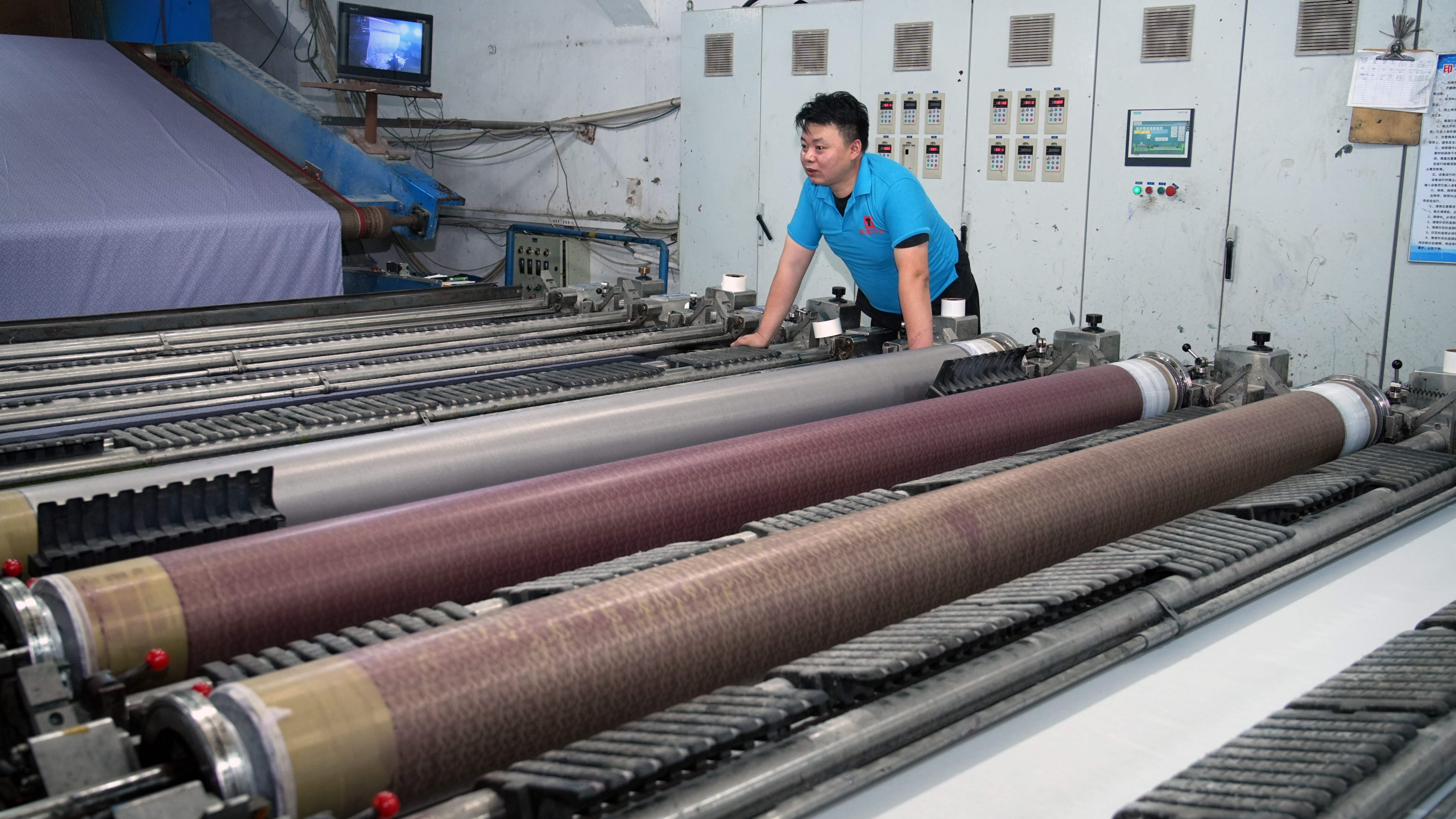
- Technology & Innovation: Inquire about their investment in technology, such as digital printing for intricate designs or advanced finishing for functional fabrics.
2.2. Supply Chain Transparency and Ethical Compliance
Request audits or reports on factory working conditions, environmental management (water, chemical use), and raw material traceability. A supplier integrated with a robust supply chain in Mainland China but managed via an international hub like Hong Kong often offers a balance of scale, cost, and quality control.
2.3. Market Specialization and Proven Track Record
- Geographic Expertise: If your property is in Europe, a supplier with a strong track record as a hotel textile supplier Europe or specifically a hotel textile supplier Germany will understand local norms, compliance, and logistics.
- Client Portfolio: Ask for case studies or references from similar hotel segments (luxury, boutique, resort, chain). Long-term partnerships with EU-based clients signal reliability.
- Logistics & After-Sales: Evaluate their shipping, customs clearance support, and policies for defective goods or shortages.
Supplier Vetting Checklist
- ✅ Can they provide all necessary product certifications (GRS, OEKO-TEX, etc.)?
- ✅ Do they offer the specific functional finishes we require (antibacterial, FR)?
- ✅ What is their minimum order quantity (MOQ) for custom items?
- ✅ Can they share a reference from a hotel project of similar scale?
- ✅ What is their standard sample process and cost?
- ✅ Who handles logistics and what are the Incoterms?
- ✅ What is their policy for quality disputes?
3. Practical Steps in the Selection Process
3.1. Sourcing and Shortlisting
Utilize B2B platforms, industry trade shows (Heimtextil, Hotel Show), and professional referrals. Search for targeted keywords like "sustainable hotel textiles" or "eco friendly hotel bedding" to find niche suppliers. Review company websites for detailed capability statements and certifications.
3.2. The RFQ and Sample Phase
Provide a detailed Request for Quotation (RFQ) including technical specifications, quantities, and delivery deadlines. Always request physical samples. Test them for hand-feel, colorfastness, and shrinkage. Reputable suppliers will provide lab test reports for claimed functionalities.

3.3. Due Diligence and Final Decision
Conduct a video tour of their facilities if an on-site audit isn't feasible. Verify business licenses and certification authenticity. Analyze the cost breakdown—the lowest price may indicate inferior materials or processes, leading to higher long-term costs.
Example: Evaluating a Specialized Supplier
Supplier: CODE TEXTILES (HONG KONG) GROUP CO., LIMITED (www.codetextiles.com)
Strengths for Consideration:
- Niche Focus: Explicitly targets hospitality textiles with solutions for hotels and large projects.
- Certification Portfolio: Holds GRS and CE certifications, appealing to EU markets seeking sustainable hotel textiles.
- Supply Chain Model: Leverages Hong Kong's trade infrastructure and mainland manufacturing, potentially offering competitive flexibility.
- Service Offering: Provides OEM/ODM, custom fabric design, and positions itself for one-stop collaboration with designers.
Due Diligence Action: A buyer would verify their claimed long-term EU partnerships, request samples of their eco friendly hotel bedding made with organic cotton or rPET, and assess their responsiveness and clarity in communication during the RFQ process.
4. Conclusion: Building a Strategic Partnership
The ideal hotel textile supplier is not just a vendor but a strategic partner. They should demonstrate a deep understanding of the hospitality industry's unique demands—durability, aesthetics, and compliance. By rigorously applying the framework of defining requirements, evaluating capabilities, and conducting thorough due diligence, hoteliers can mitigate risk and secure a partnership that delivers consistent quality, supports sustainability goals, and ultimately enhances the guest experience for years to come. The trend towards custom hotel textiles and sustainable hotel textiles is accelerating; choosing a forward-thinking, certified supplier like CODE TEXTILES, which aligns with these values, is an investment in your property's future.
For further information or to discuss your specific hotel textile project needs, you may contact:
CODE TEXTILES (HONG KONG) GROUP CO., LIMITED
Contact: Cocoa Ye
Email: CodeHK@hotmail.com | Tel/WhatsApp: +852 66729268
Website: https://www.codetextiles.com
Address: RM 2804B 28/F WU CHUNG HOUSE, 213 QUEEN’S RD EAST, HONG KONG