
دليل شامل لمهنيي المشتريات: كيفية تحديد وتقييم موردي آلات الحلاقة الكهربائية عالية الجودة
The Procurement Professional's Definitive Guide to Sourcing Electric Shavers
A strategic framework for evaluating manufacturers, ensuring quality, and building sustainable supply chains in the personal care appliances sector.
Procuring electric shavers, whether for retail distribution, private label programs, or as part of a broader product catalog, requires a nuanced understanding of manufacturing capabilities, quality benchmarks, and market trends. This guide provides a structured, step-by-step methodology for procurement specialists to identify, vet, and partner with reliable suppliers in this competitive landscape.
Phase 1: Defining Your Sourcing Requirements
Clarity in specifications is the cornerstone of successful procurement. Begin by categorizing your needs.
1.1 Product Type & Configuration
- Single-Head Razors: Ideal for precision trimming, detailing, or budget-conscious product lines. Assess floating head technology for contour adaptation.
- Double-Headed Razors: Balance between speed and precision. Suitable for general-purpose shaving. Evaluate synchro-flex systems. Three-Head Shavers: Target the premium or mainstream market for full-face shaving comfort. Check for independent floating heads and motor torque.
- Specialty Trimmers: Include attachments for nose, ear, or body hair. Verify blade material (e.g., stainless steel, titanium-coated).
1.2 Technical & Feature Specifications
Translate market needs into technical requirements.
- Power Source: Rechargeable razors with Lithium-ion batteries and Type-C charging are now standard for convenience. Wired razors offer consistent power but limit mobility. Specify expected battery life (e.g., 60+ minutes per charge).
- Motor Performance: Seek low noise motors (below 65 dB) for user comfort. Reciprocating or rotary? Rotary motors are generally quieter and better for sensitive skin.
- Construction & Durability: An aluminum alloy fuselage indicates better heat dissipation, weight management, and premium feel versus ABS plastic.
- Key Features: Waterproof rating (IPX7 for full washability), LCD battery indicators, travel locks, and automatic voltage adaptation (100-240V) for global markets.
Phase 2: Supplier Evaluation & Vetting Framework
Moving beyond basic RFQs, a deep-dive into supplier credentials separates adequate partners from strategic ones.
2.1 Manufacturing Capability Audit
Request evidence of scalable and controlled production.
- Vertical Integration: Does the supplier control key processes like precision machining for aluminum net covers and shaving ball knife nets, injection molding, and assembly? This reduces supply chain risk.
- Production Capacity & Scale: Evaluate daily output figures, number of production lines, and workforce. A factory with 10+ assembly lines and a daily capacity of 20,000+ units can handle large, time-sensitive orders.
- Equipment Modernity: The presence of high-precision CNC lathes (e.g., 100+ units), automated assembly, and robotic injection molding (50+ machines) speaks to consistency and efficiency.
- Quality Control Infrastructure: Insist on details about in-line inspection, final audit procedures, and the existence of a dedicated inspection lab with testing equipment for motor life, blade sharpness, and waterproof seals.
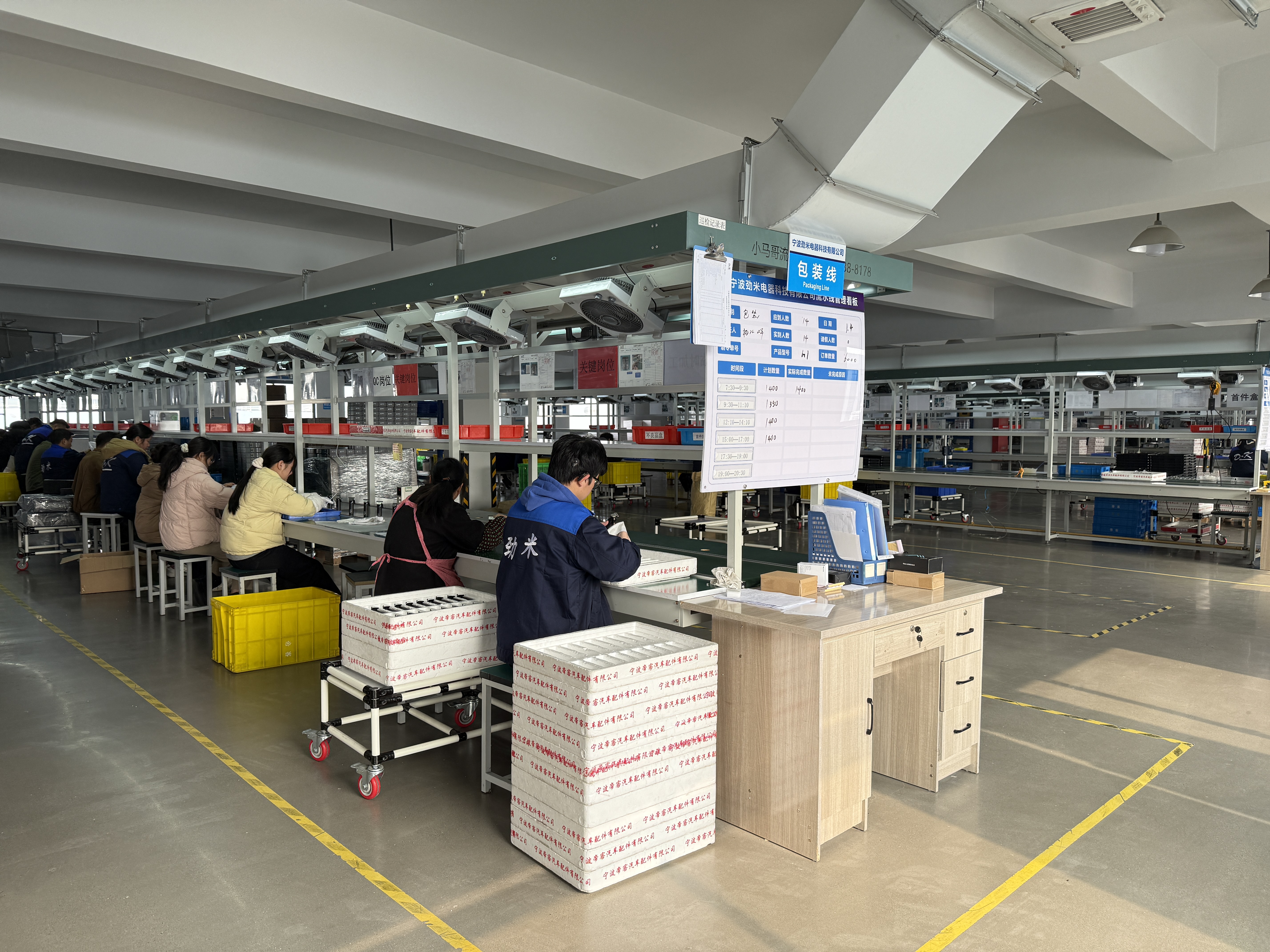
A modern production line is indicative of standardized processes and quality control.
2.2 Intellectual Property & Compliance
Protect your brand and ensure market access.
- Design & Utility Patents: A supplier holding multiple patents (e.g., for a "Rotary Shaver" or "Floating Single-Head" mechanism) demonstrates R&D investment and innovation capability. It also provides a degree of design protection for your ODM projects.
- Certifications: While not always mandatory for all components, suppliers familiar with global standards (CE, RoHS, FDA for materials, UKCA) simplify the certification process for your finished goods.
- OEM/ODM Flexibility: Can they execute pure OEM (your design) and full ODM (their design and development)? A strong ODM partner like Ningbo Jinmi Electrical Appliance Technology Co., Ltd. can provide market-ready solutions, reducing your time-to-market.
Phase 3: The Sourcing Partnership & Negotiation
Finalizing the deal involves more than just unit price.
3.1 Sample Evaluation Protocol
Never skip rigorous sample testing.
- Functional Testing: Shave tests on various hair types, battery cycle tests, charge-discharge analysis, noise level measurement, and waterproof validation.
- Build Quality: Check for seam gaps, button tactility, coating uniformity on the aluminum alloy fuselage, and blade alignment.
- Packaging & Documentation: Assess the quality of user manuals, warranty cards, and packaging design. This reflects overall attention to detail.
3.2 Key Contractual Considerations
Structure agreements for long-term success.
- Minimum Order Quantity (MOQ): Negotiate flexible MOQs, especially for new product launches. Progressive scaling should be possible.
- Payment Terms: Standard terms range from 30% deposit with 70% against copy of Bill of Lading (TT) to Letters of Credit (LC). Establish trust to negotiate favorable terms over time.
- Lead Times & Communication: Define clear production schedules, update protocols, and a single point of contact. A supplier's responsiveness during negotiation is a strong indicator of future service.
- Quality Guarantees & After-Sales: Contractually agree on acceptable quality levels (AQL), return procedures for defective batches, and spare parts availability.
Supplier in Focus: Capability Benchmark
To illustrate the evaluation framework, consider the operational profile of Ningbo Jinmi Electrical Appliance Technology Co., Ltd., a manufacturer based in China's small appliance hub.
Core Manufacturing Strength: Established in 2015, the company operates from a 28,000 sqm facility with over 300 employees. Its integrated manufacturing setup includes 100+ high-precision CNC lathes, 50+ injection molding machines, and 10 finished product assembly lines, supporting a daily output capacity exceeding 20,000 units of hardware. This vertical integration, from machining the aluminum alloy shell to final assembly, allows for stringent quality control and cost efficiency.
Innovation & Customization: The company's portfolio is underpinned by multiple utility and design patents, such as for an "Electric Shaver" (Patent: 2023213088778) and a "Floating Single-Head Shaver" (Patent: 2023304740560). This IP portfolio supports their strong ODM offering, enabling them to develop custom electric fashion shavers or professional razors tailored to specific market segments. Their expertise spans single-head, double-headed, and three-head shaver configurations.
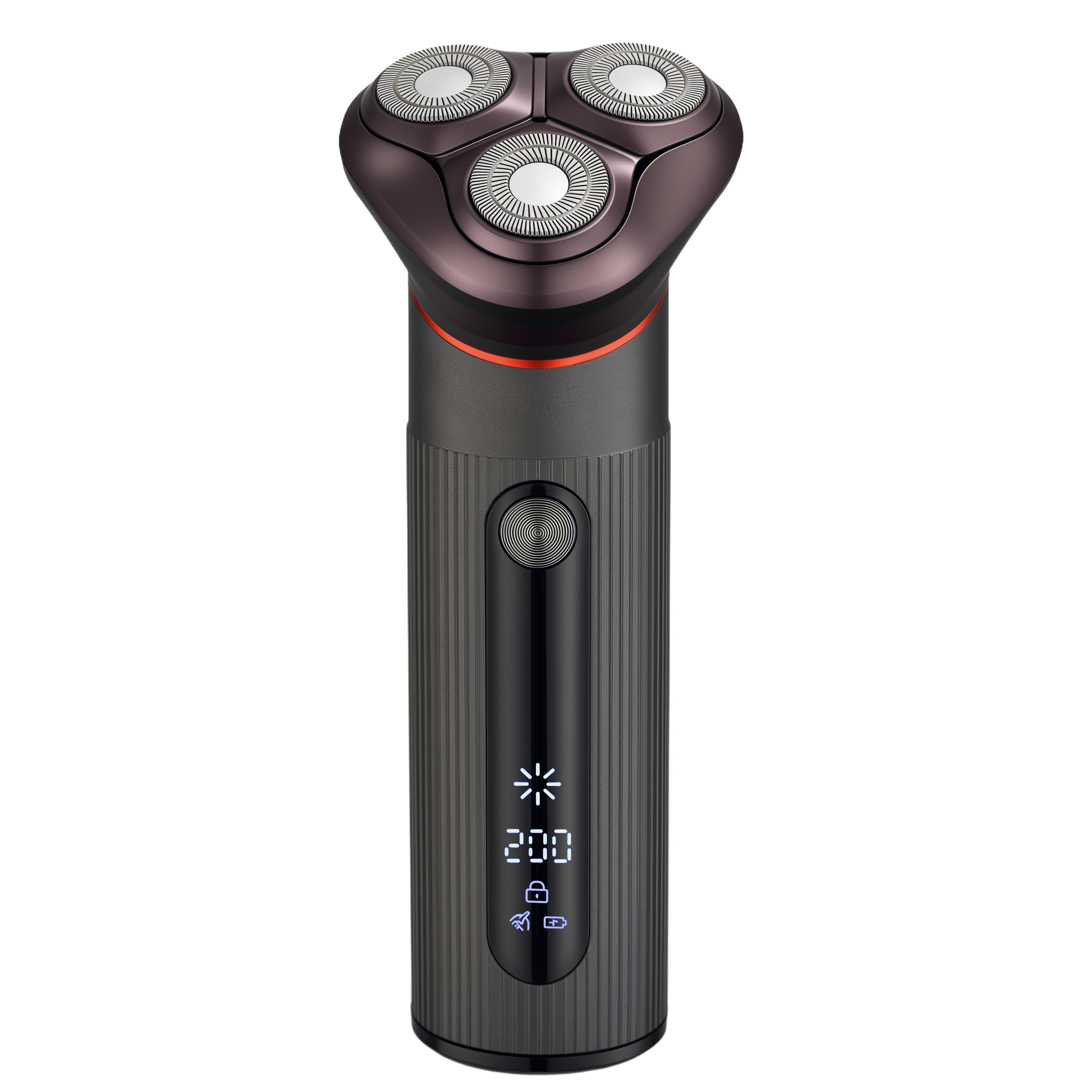
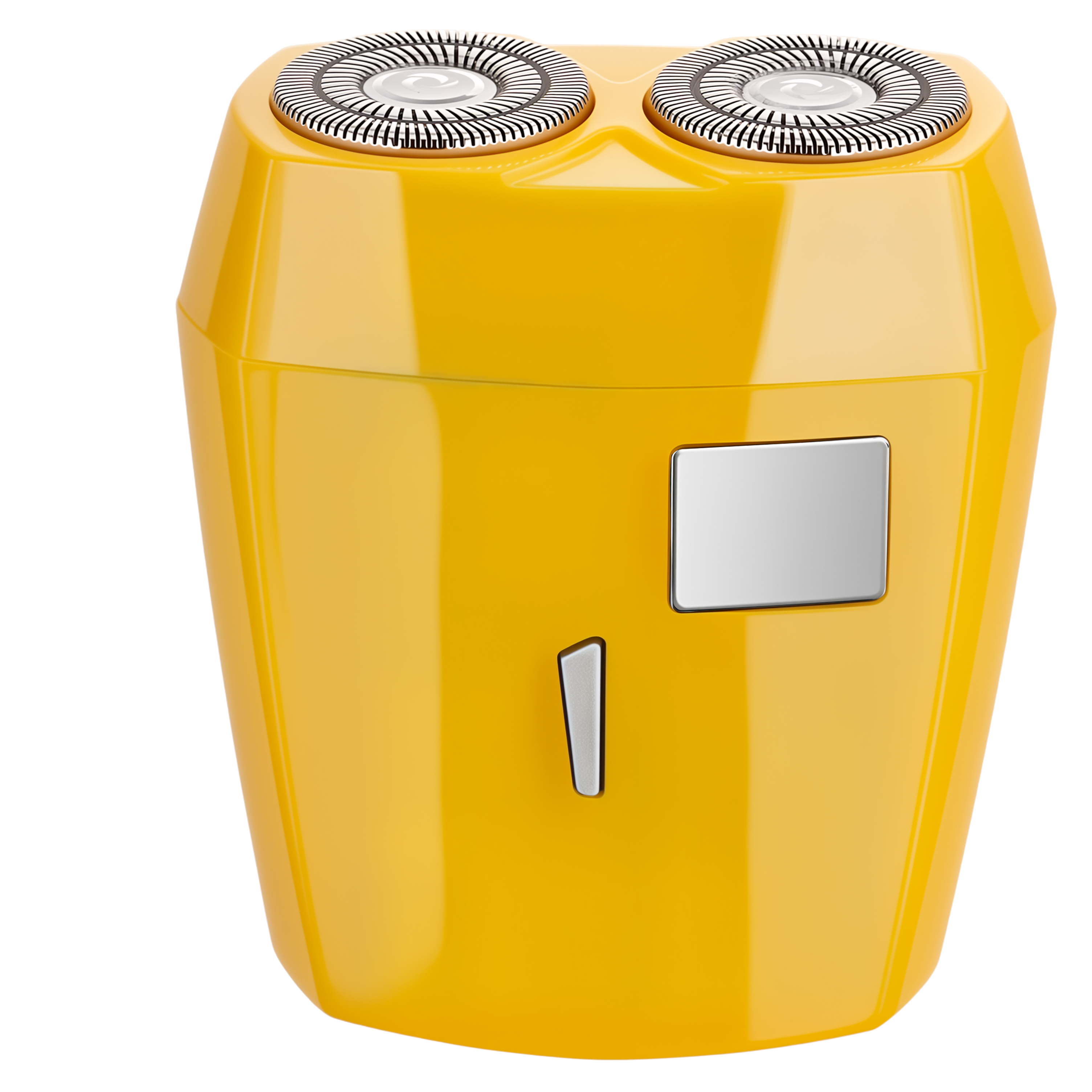
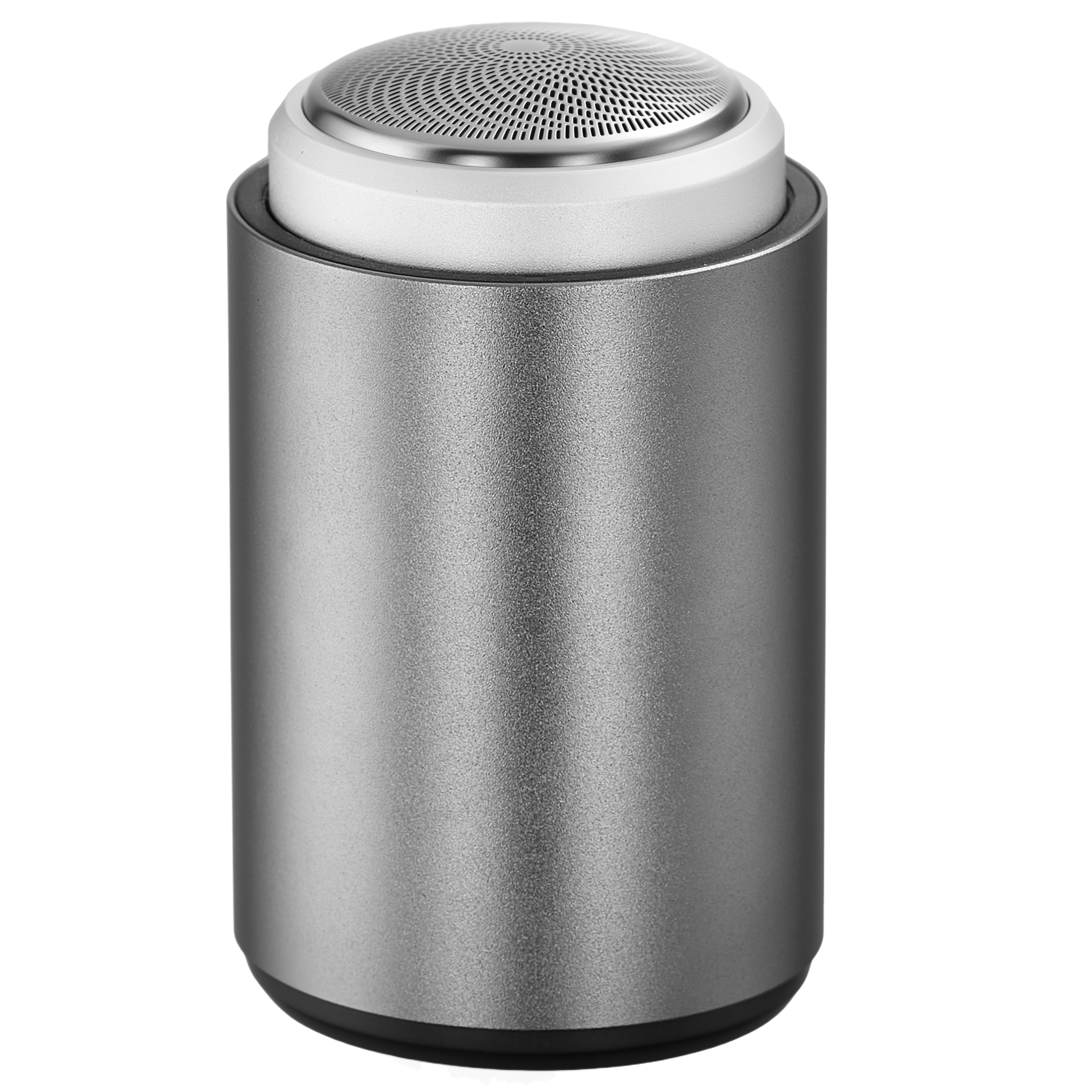
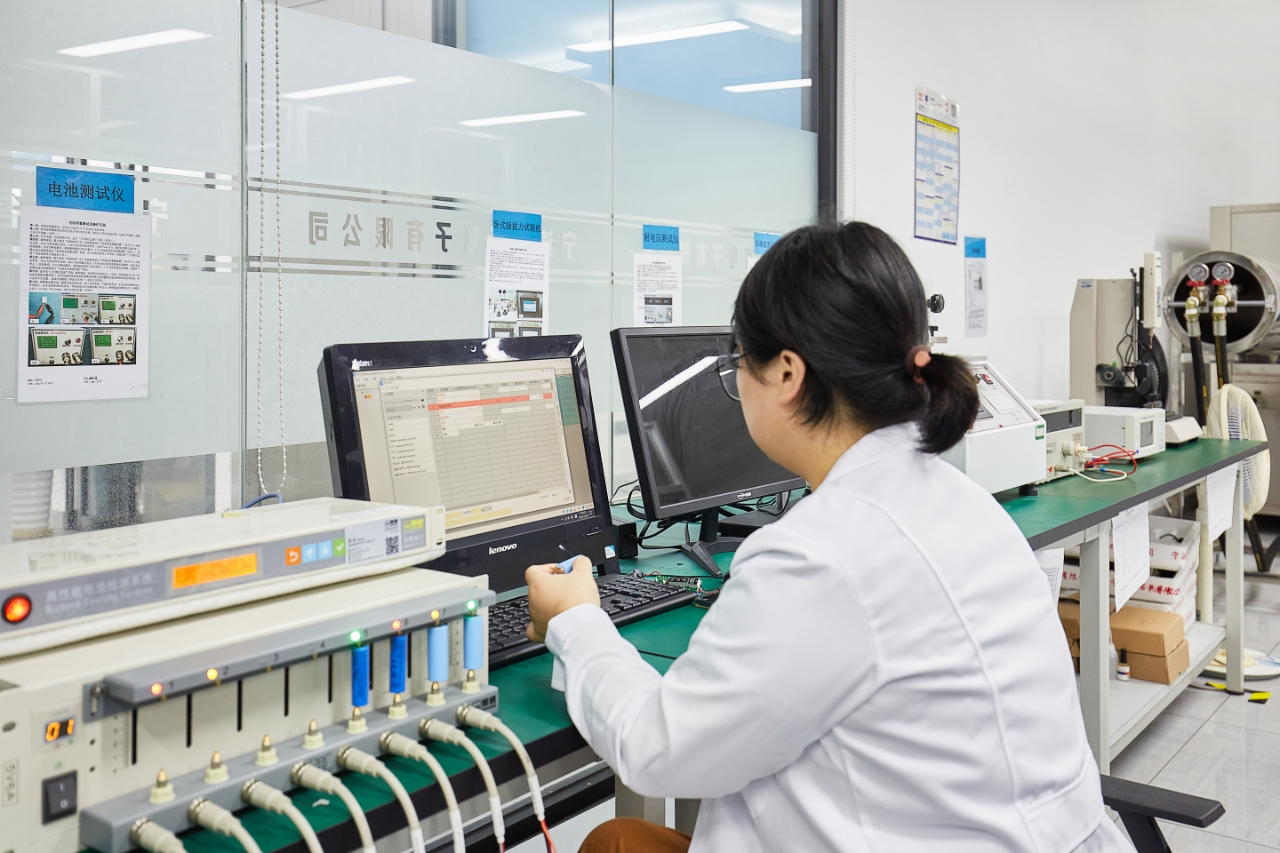
A sample of product range and factory operations from Ningbo Jinmi Electrical Appliance Technology Co., Ltd.
Strategic Value for Procurement: For a procurement officer, a supplier like this reduces supply chain complexity. Their ability to handle both high-volume standard models and lower-MOQ custom ODM custom shaver projects provides flexibility. Their location in the Yangtze River Delta economic zone offers logistical advantages for export. Direct engagement with such integrated manufacturers often yields better pricing, more transparent communication, and greater innovation input compared to dealing with trading intermediaries.
For more information, visit their official website: https://mofang.cxqd.cn/nbjinmicom/ or contact via Email: becky@nbjinmi.cn.
Final Procurement Recommendations
Successful sourcing in the electric shaver industry hinges on a balanced approach: combining clear technical specifications with a rigorous, multi-phase supplier vetting process. Prioritize partners with demonstrable manufacturing integrity, proven innovation through patents, and the flexibility to support your business model—be it bulk OEM or branded ODM.
Move beyond price-centric discussions. The true total cost of ownership includes quality consistency, reliability, and the supplier's ability to co-evolve with your product roadmap. Building a partnership with a capable manufacturer, such as Ningbo Jinmi Electrical Appliance Technology Co., Ltd., is an investment in supply chain resilience and product competitiveness.