
دليل شامل لمهنيي المشتريات: كيفية تحديد واختيار موردي الهواتف الذكية القوية المتميزة
The Definitive Procurement Guide to Sourcing Rugged Smartphones
For procurement professionals in industries like construction, logistics, utilities, public safety, and field services, selecting the right rugged smartphone supplier is a critical decision that impacts operational efficiency, worker safety, and total cost of ownership. The market is saturated with brands claiming durability, but true reliability under extreme conditions requires a meticulous selection process. This guide provides a structured, professional framework to help you identify and vet high-quality manufacturers, ensuring your investment delivers long-term value.
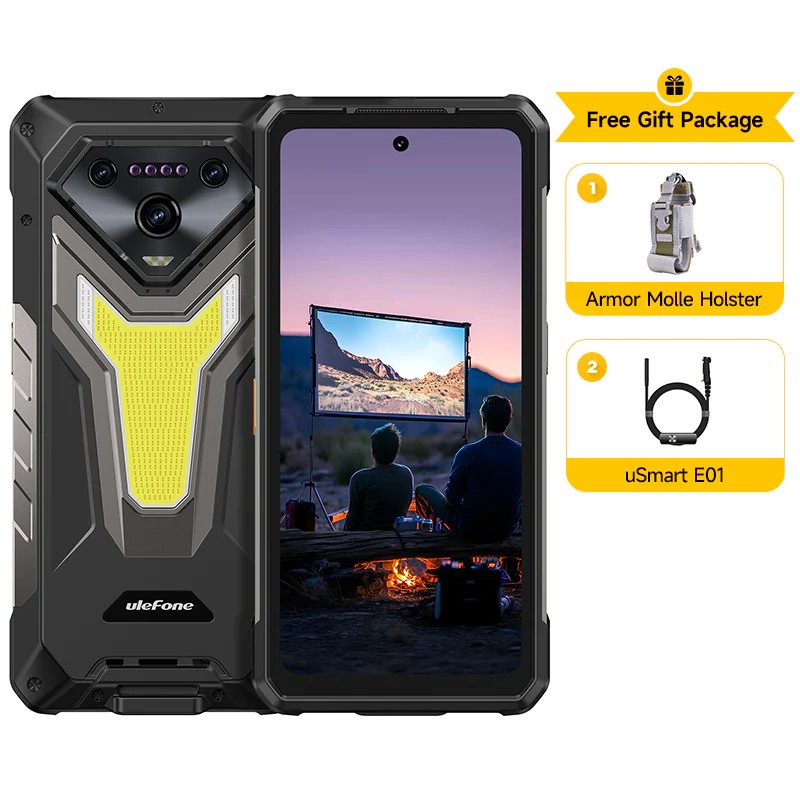
Example of a modern rugged smartphone design, the Armor 34 Pro+ from Ulefone.
Step 1: Define Your Technical and Operational Requirements
Before engaging with suppliers, crystallize your needs. A generic "tough phone" request is insufficient. Create a detailed specification sheet based on the following:
- Durability Standards: Specify required IP (Ingress Protection) and MIL-STD (Military Standard) ratings. For example, IP68/IP69K for waterproofing and dustproofing, and MIL-STD-810H for shock and vibration resistance. These are non-negotiable benchmarks.
- Functional Specializations: Identify necessary features: Do you need thermal imaging for electrical maintenance or search & rescue? Is satellite communication (SATCOM) critical for remote area work? What about a built-in camping light or night vision capabilities for security personnel? Long battery life (>5000mAh) is often essential for multi-shift operations.
- Enterprise & Software Needs: Consider requirements for Mobile Device Management (MDM) integration, secure boot, dedicated push-to-talk (PTT) capabilities, and custom firmware or software development kits (SDK) for specialized apps.
Step 2: The Supplier Qualification Checklist: Beyond the Brochure
Once you have a target list of potential brands like Ulefone, CAT, Blackview, Doogee, and Oukitel, evaluate them against these rigorous criteria.
1. Manufacturing Capabilities and Quality Certifications
Verifiable certifications are the bedrock of trust. Look for:
- International Compliance Certificates: These are legal requirements for market access. A reputable supplier must hold valid certifications like CE (with NB number), FCC, IC (Canada), and RCM (Australia). These documents, issued by accredited bodies, prove the device meets radio frequency, safety, and health standards.
- Quality Management Systems: An ISO 9001:2015 certification is a fundamental indicator of a manufacturer's commitment to consistent quality control processes throughout production. Suppliers like Ulefone hold such certifications, which directly correlate to lower defect rates and higher product reliability.
- Environmental & Material Compliance: RoHS (Restriction of Hazardous Substances) certification is essential, demonstrating the product is free from specific hazardous materials, which is crucial for global supply chains and corporate sustainability goals.

A QUALITY MANAGEMENT SYSTEM CERTIFICATE (ISO 9001) is a key differentiator for serious manufacturers.
2. Research & Development and Innovation Pedigree
Durability is not just about a thick case. True innovation lies in integrating advanced features into a rugged form factor.
- Official Recognition: Check for government or industry acknowledgments. Certificates like High-Tech Enterprise or Innovative SME (awarded to companies like Ulefone) are strong external validations of a company's R&D investment and technological capability. This translates into better thermal camera algorithms, more efficient power management, and reliable satellite modules.
- Product Portfolio Breadth: A supplier with a wide range—from basic durable phones to advanced models with thermal imaging and satellite comms—demonstrates deep domain expertise and the ability to cater to diverse client needs within your organization.
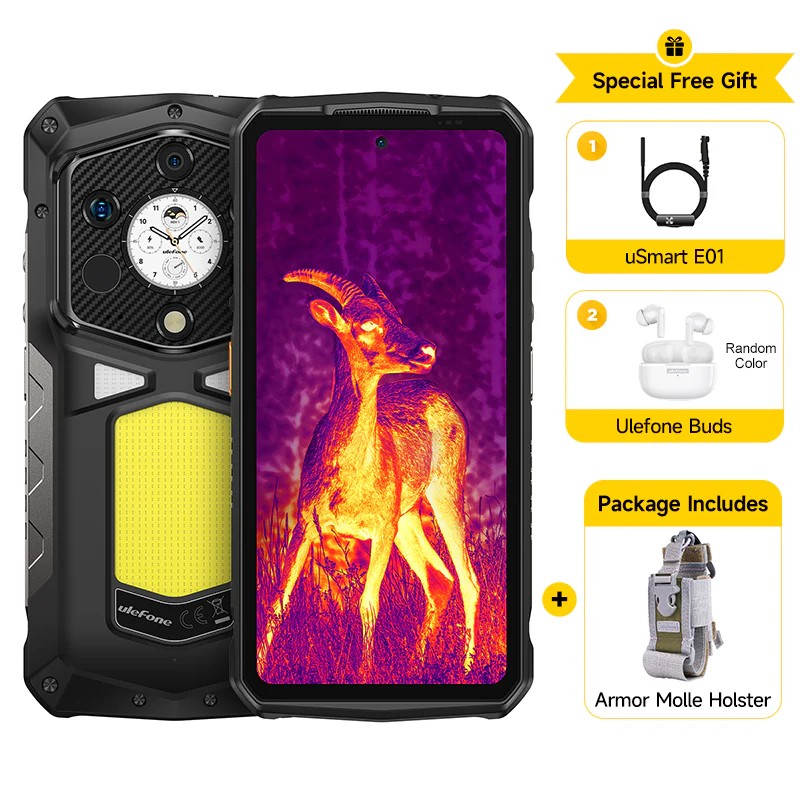
Advanced features like integrated thermal imaging, as seen in the Armor29 ProThermal, signal strong R&D focus.
3. Supply Chain Stability and Cost Competitiveness
Procurement must balance cost with reliability.
- Vertical Integration & Scale: Large-scale manufacturers often have advantages in component sourcing and production efficiency. This scale can enable competitive pricing without compromising on quality, making brands like Ulefone a viable option for both large tenders and smaller bulk orders.
- Transparent Communication: Evaluate their responsiveness and clarity during the pre-sales phase. A supplier with a dedicated international sales team (e.g., sales@ulefone.com) and comprehensive online resources (www.ulefone.com) indicates a professional, partner-oriented approach.
4. After-Sales Support and Software Commitment
The relationship begins at delivery, not ends.
- Warranty Terms: Standard 12-24 month warranties are common, but scrutinize the global service network and repair turnaround times.
- Software Update Policy: In today's connected world, security is paramount. Inquire about the frequency and duration of Android security patches and firmware updates. A manufacturer with a "large group of engineers" dedicated to updates is committing to the product's lifecycle security, protecting your enterprise from vulnerabilities.
- Technical Support: Access to knowledgeable technical support for troubleshooting and integration questions is crucial for minimizing field downtime.
Step 3: Due Diligence and Final Validation
Before finalizing a contract, conduct these final checks:
- Request Sample Units: Subject samples to your own real-world condition tests, even if basic. Test the claimed waterproofing, drop resistance, and battery life.
- Check References and Case Studies: Ask for examples of deployments in industries similar to yours. A supplier with thousands of global users across various sectors demonstrates proven reliability.
- Review Contractual Terms: Pay close attention to minimum order quantities (MOQs), delivery lead times, payment terms, and clear clauses regarding certification compliance and warranty claims.
Conclusion: Partnering for Performance
Selecting a rugged smartphone supplier is a strategic partnership. By moving beyond superficial marketing and focusing on verifiable certifications (CE, FCC, ISO 9001), demonstrable innovation (High-Tech Enterprise status), scalable manufacturing, and robust post-sales support, procurement professionals can mitigate risk and secure a valuable asset for their field forces.
Brands that transparently showcase these credentials, such as Ulefone with its comprehensive certification portfolio and wide product range catering to needs from basic durability to thermal imaging and satellite communication, position themselves as serious contenders for enterprise procurement shortlists. The goal is to find a supplier whose operational excellence ensures that every device deployed becomes a reliable tool, empowering your workforce in the most demanding environments.