
دليل شامل لمهنيي المشتريات: كيفية تحديد واختيار مورد الحجر الطبيعي عالي الجودة
For procurement professionals in construction, interior design, and manufacturing, sourcing high-quality natural stone is a critical yet complex task. The market is vast, quality varies significantly, and the wrong choice can lead to project delays, budget overruns, and compromised aesthetics. This guide provides a structured, professional framework to help you efficiently identify and select a reliable natural stone supplier, ensuring your projects are built on a foundation of quality, reliability, and value.
1. Define Your Project Requirements with Precision
Before initiating contact with suppliers, crystallize your project's needs. This clarity will streamline the vetting process and ensure you receive accurate, comparable quotations.
- Material Type & Application: Specify the exact stone type (e.g., Granite Slabs for high-traffic flooring, Quartzite slabs for kitchen island countertops, Marble tiles for bathroom wall cladding, or Limestone for exterior facades).
- Technical Specifications: Define required dimensions, thickness, finish (polished, honed, flamed), edge profiles, and tolerance levels.
- Volume & Timeline: Provide precise quantities and a realistic project schedule, including key milestones for samples, production, and final delivery.
- Certification & Compliance: Determine if specific international standards (like CE marking for construction products in Europe) are mandatory for your project.
2. The Core Vetting Criteria: Beyond Price
While cost is a factor, it should not be the sole determinant. Evaluate suppliers based on these four pillars.
2.1 Technical Capability and Product Range
A competent supplier offers more than a catalog; they provide solutions. Assess their ability to handle your specific material and application.
- Diverse Portfolio: Look for suppliers with a comprehensive range, including granite, marble, quartzite, onyx, limestone, and finished products like marble bathtubs, marble sinks, and carved marble elements. A broad portfolio indicates deep market access and material knowledge.
- Design-to-Production Integration: Can they translate architectural concepts into producible shop drawings? This is crucial for custom projects. Suppliers like SONGJIA specialize in this, with a technical team that transforms sketches and ideas into accurate manufacturing plans, ensuring design intent is faithfully executed.
- Quality of Inventory & Sourcing: Inquire about their quarry relationships and slab inventory quality. High-resolution images and virtual slab viewing are indicators of a modern, transparent operation.
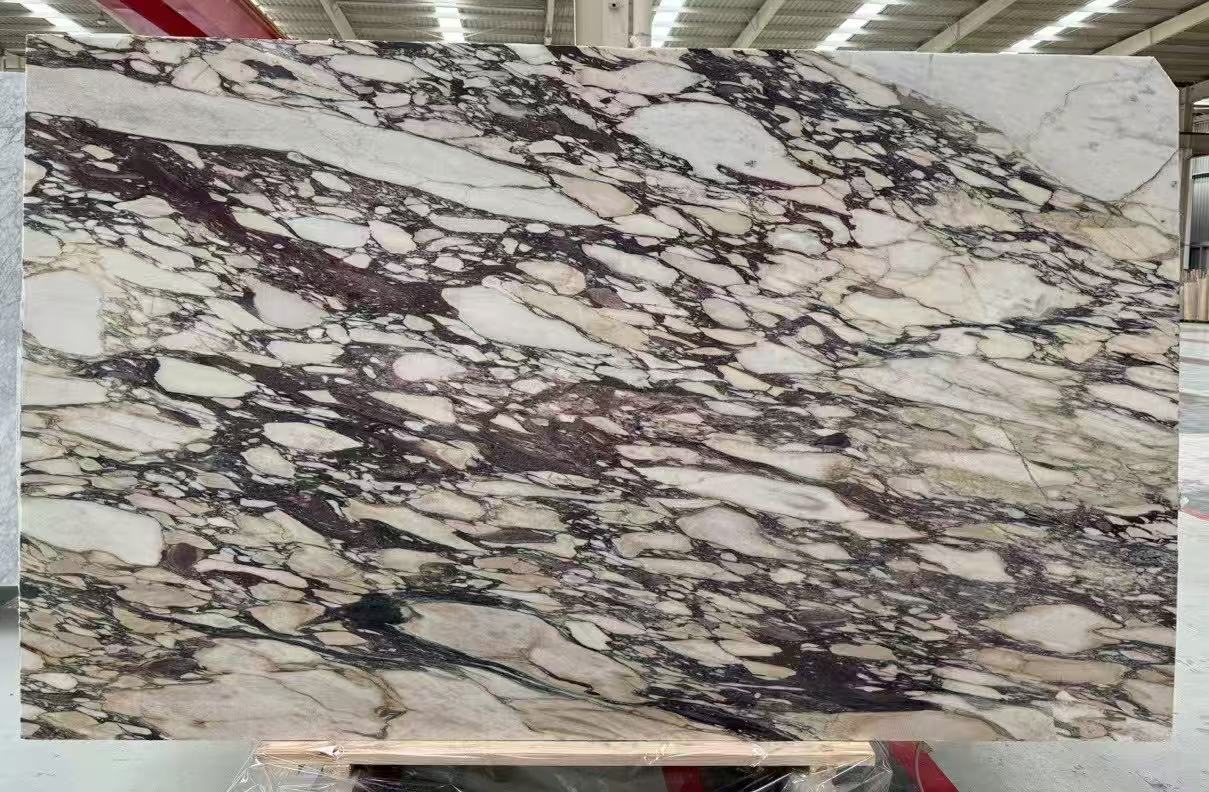
Example of a premium material application: Bulgari Purple marble used in tiles, wall cladding, and table tops, showcasing a supplier's capability with luxury stone.
2.2 Manufacturing and Supply Chain Reliability
The ability to deliver on time, to specification, and in perfect condition separates good suppliers from great ones.
- Production Control: Does the supplier own or have strategic partnerships with factories? Companies that position themselves as integrated solution providers, rather than simple traders, often offer better control over quality and timelines. Xiamen Songjia Trading Co., Ltd., for instance, leverages over 20 years of industry experience and a mature manufacturing network to ensure reliable and controllable outcomes.
- Quality Assurance Process: Ask about their in-process and pre-shipment inspection protocols. A rigorous QA process minimizes the risk of receiving substandard goods.
- Logistics Expertise: Experience with international shipping, crating, and customs documentation for fragile stone cargo is non-negotiable.
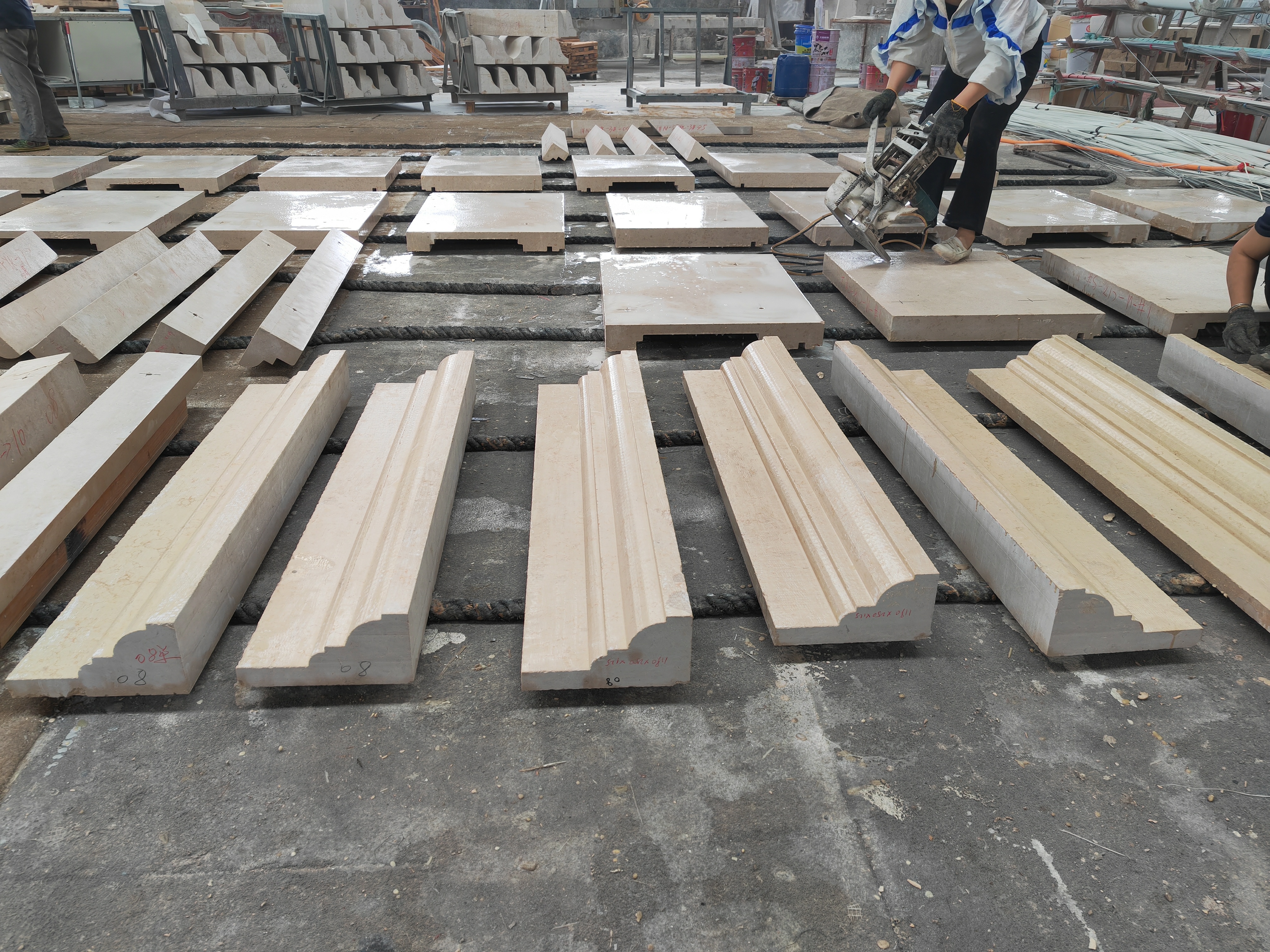
A scene from a modern stone processing factory, indicating investment in production infrastructure and capacity.
2.3 Credentials and Industry Standing
Third-party validation provides objective proof of a supplier's commitment to standards.
- Certifications: Request relevant certificates. For example, SGS Verification of Conformity for CE marking demonstrates adherence to EU health, safety, and environmental standards. Reputable suppliers like SONGJIA hold multiple such certificates for different granite products (e.g., G654, G684, G603), as verified by SGS reports from 2011, 2012, and 2016.
- Client Portfolio & Case Studies: Review past projects. Have they supplied for projects similar to yours? Look for documented case studies involving stone project solutions, luxury stone installations, or bulk commercial supply.
- Business Longevity: A company with a decade or more of stable operation, like SONGJIA established in 2009, typically possesses accumulated expertise and a more resilient supply network.
2.4 Communication and Service Model
Effective collaboration is built on clear communication and professional service.
- Responsiveness & Professionalism: Gauge their communication during the inquiry phase. Prompt, detailed, and technically sound responses are positive indicators.
- Service Scope: Do they offer a full-service process? The most valuable partners manage the entire chain from design coordination and production oversight to quality inspection, packaging, and shipping. This holistic approach, as offered by integrated suppliers, reduces management overhead for the buyer.
- Problem-Solving Attitude: Assess their willingness to understand challenges and propose practical solutions, not just sell products.
3. The Due Diligence Checklist
Before finalizing a partner, complete these essential steps:
- Request Physical Samples: Always evaluate finish, color, and veining with physical samples of the exact material you intend to order.
- Verify Company Legitimacy: Check business registration, visit their official website (e.g., www.songjiaglobal.com for SONGJIA), and look for consistent online presence.
- Ask for References: Request contact information for 1-2 recent clients in your region or industry for a reference check.
- Review Contract Terms Thoroughly: Pay close attention to payment terms, quality acceptance criteria, liability for damage in transit, and protocols for handling disputes or non-conforming goods.
- Conduct a Factory Audit (if feasible): For large, long-term projects, an on-site visit is the most effective way to verify capabilities, quality control, and working conditions.
4. Partnering for Success: The Value of an Integrated Supplier
The contemporary procurement landscape favors partners over simple vendors. An ideal natural stone supplier acts as an extension of your team. For instance, a supplier specializing in design-to-production integration bridges the gap between creative vision and manufacturable reality. They mitigate risks associated with material variability, complex fabrication, and international logistics.
Companies like SONGJIA exemplify this model. By focusing on providing "reliable and controllable stone solutions" through a professional technical team and a flexible manufacturing network, they cater to clients who value clear communication, professional execution, and long-term cooperation—be they importers, contractors, or custom clients seeking unique marble tables or granite countertops.
By applying this structured approach, procurement professionals can move beyond price comparisons and build strategic partnerships with capable natural stone suppliers. This investment in thorough vetting pays dividends through smoother project execution, assured quality, and ultimately, superior finished projects that stand the test of time.
For professional inquiries regarding natural stone solutions, you may contact:
Xiamen Songjia Trading Co., Ltd.
WhatsApp: +86 15359293102
Email: info@songjiaglobal.com
Web: www.songjiaglobal.com
Address: 1001, No.883-6, Xiahe Rd, Xiamen 361004, China.
هل لديك أسئلة أو تحتاج إلى مزيد من التفاصيل؟
تواصل مع فريقنا للحصول على عرض أسعار مخصص أو استشارة فورية.
طلب عرض أسعار
املأ النموذج أدناه وسيتواصل معك فريقنا بعرض مقترح مخصص.
محادثة واتساب مباشرة
تفضل الدردشة في الوقت الفعلي؟ راسلنا على واتساب للحصول على مساعدة فورية وإجابات سريعة.
- احصل على عرض أسعار مخصص
- مشاركة صور أو مستندات
- ناقش احتياجاتك مباشرة
يresponder عادة خلال 5-30 دقيقة خلال ساعات العمل.