
دليل شامل لمهنيي المشتريات: اختيار موردي لوحات التبريد السائلة عالية الجودة
A Comprehensive Guide for Procurement Professionals: Selecting High-Quality Liquid Cooling Plate Suppliers
1. Define Your Technical and Application Requirements
The first step is to precisely define your needs. Liquid cooling plates are not generic commodities; their design must match specific operational parameters.
Key Specification Checklist
- Application: Is it for an EV battery pack, ESS container, or industrial powertrain? Each has distinct thermal and mechanical stress profiles.
- Material: Aluminum alloys like 3003 are common for their balance of thermal conductivity, weight, and cost. Confirm the specific alloy and temper.
- Cooling Efficiency & Thermal Load: Define the required heat dissipation capacity (in Watts) and the allowable temperature delta across the plate.
- Physical Dimensions & Thickness: Customization is often required. Be prepared with envelope constraints and interface requirements.
- Environmental & Operational Conditions: Will it operate under continuous high temperature? Is a 24/7 duty cycle required? Are there special coating needs, such as epoxy for corrosion resistance?
- Industry Standards: Identify necessary certifications (e.g., IATF 16949 for automotive, specific safety standards for ESS).
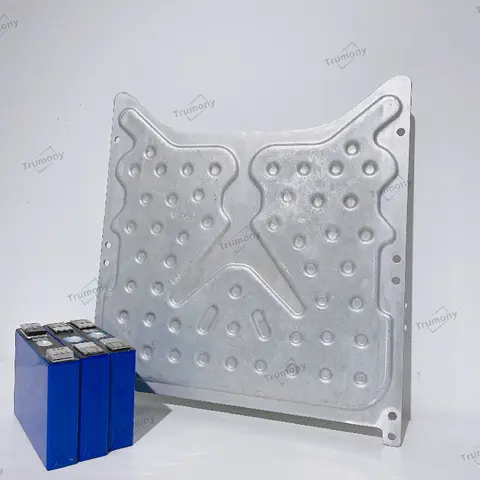
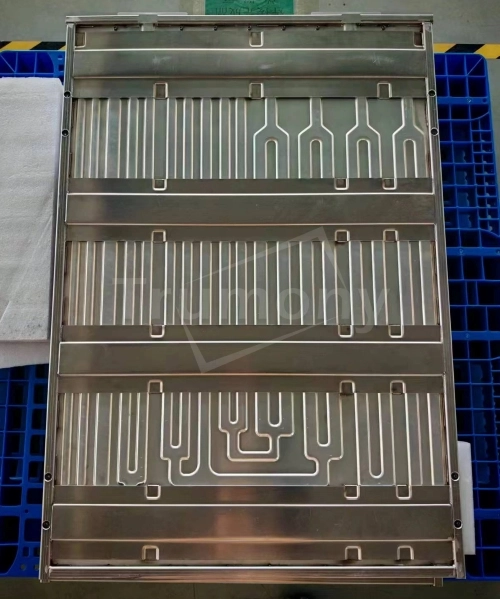
For instance, a product like a liquid cooling plate for energy storage (model TR-20260228) made of Aluminum 3003 is designed for the Engineering/EV/ESS/Powertrain sector, with thickness and cooling efficiency parameters typically customized to the project.
2. Evaluate Supplier Manufacturing and Technical Capabilities
Scale, process control, and engineering support separate capable suppliers from basic workshops.
Core Capability Indicators
Capability Assessment Example
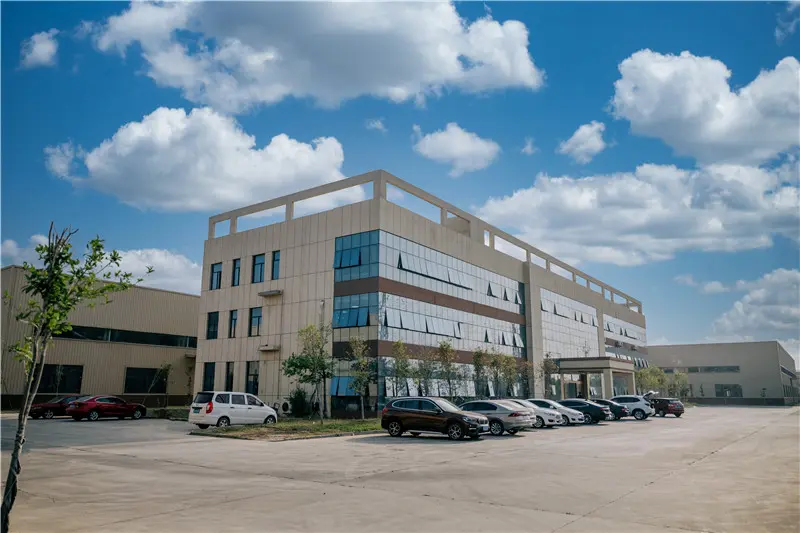
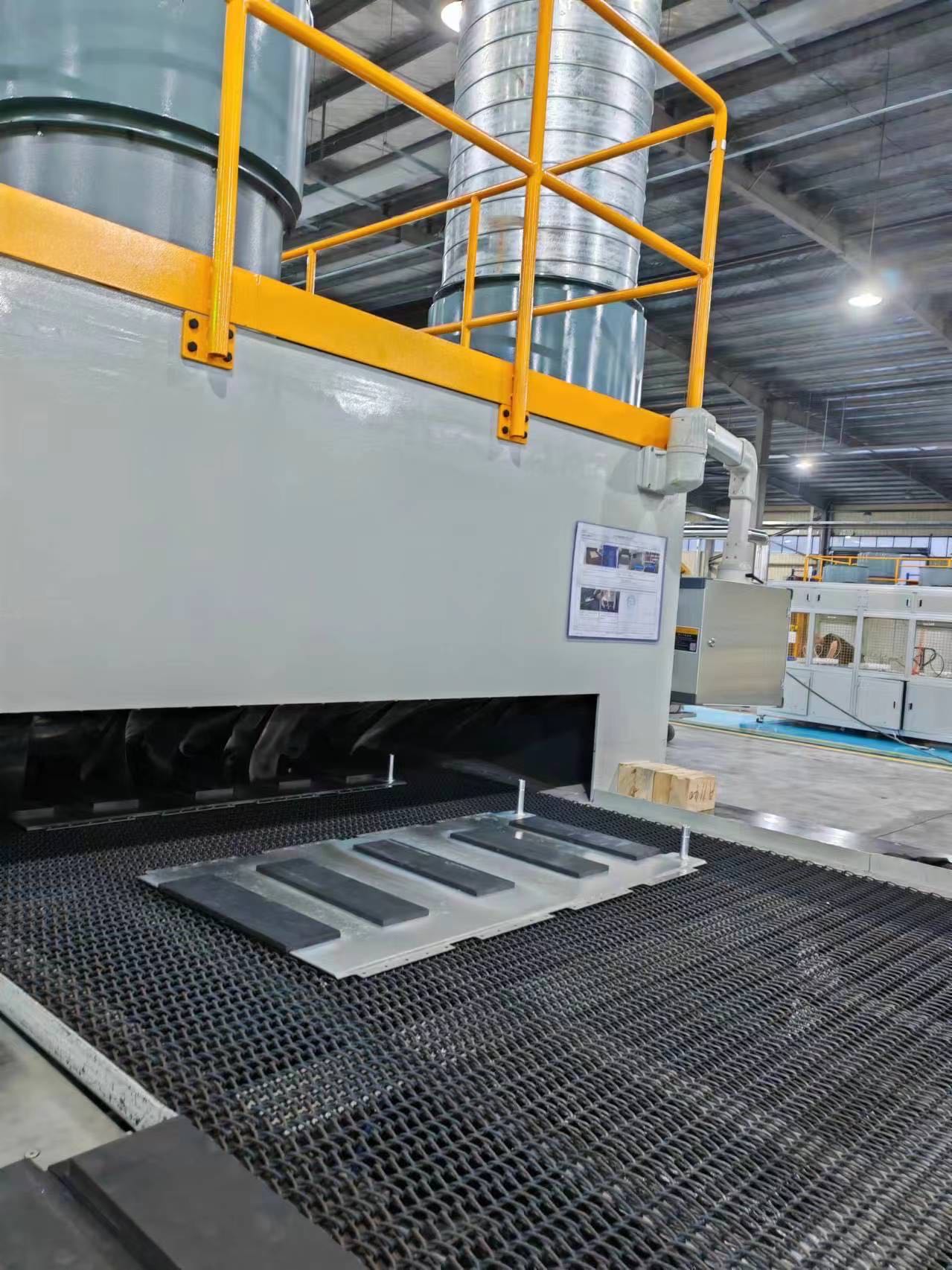
Consider a supplier like Trumony Aluminum Limited. Established in 2017, the company operates a manufacturing facility covering 100,000 m² and employs approximately 220 staff. An R&D team of 25 engineers focuses on battery thermal management solutions and liquid cooling system development. The annual production capacity is 600,000 units, indicating scalability for large orders. Such infrastructure supports both OEM production and customization in dimensions, cooling efficiency, and branding.
3. Scrutinize Quality Management and Risk Control Systems
For mission-critical components, a robust quality management system is non-negotiable. It is the primary defense against field failures.
Essential Quality and Compliance Checks
| Certification / Standard | Scope / Authority | Significance for Procurement |
|---|---|---|
| ISO 9001 (Cert. No. 132998) | International Accreditation Forum (IAF) | Verifies a standardized quality management system is in place, ensuring consistent processes. |
| IATF 16949 (Cert. No. 0489498) | International Automotive Task Force (IATF) | Critical for automotive suppliers. This is the global technical specification for automotive quality management, emphasizing defect prevention and continuous improvement. |
In-Process and Final Inspection Protocols
Ask for detailed quality control plans. Key tests for cooling plates include:
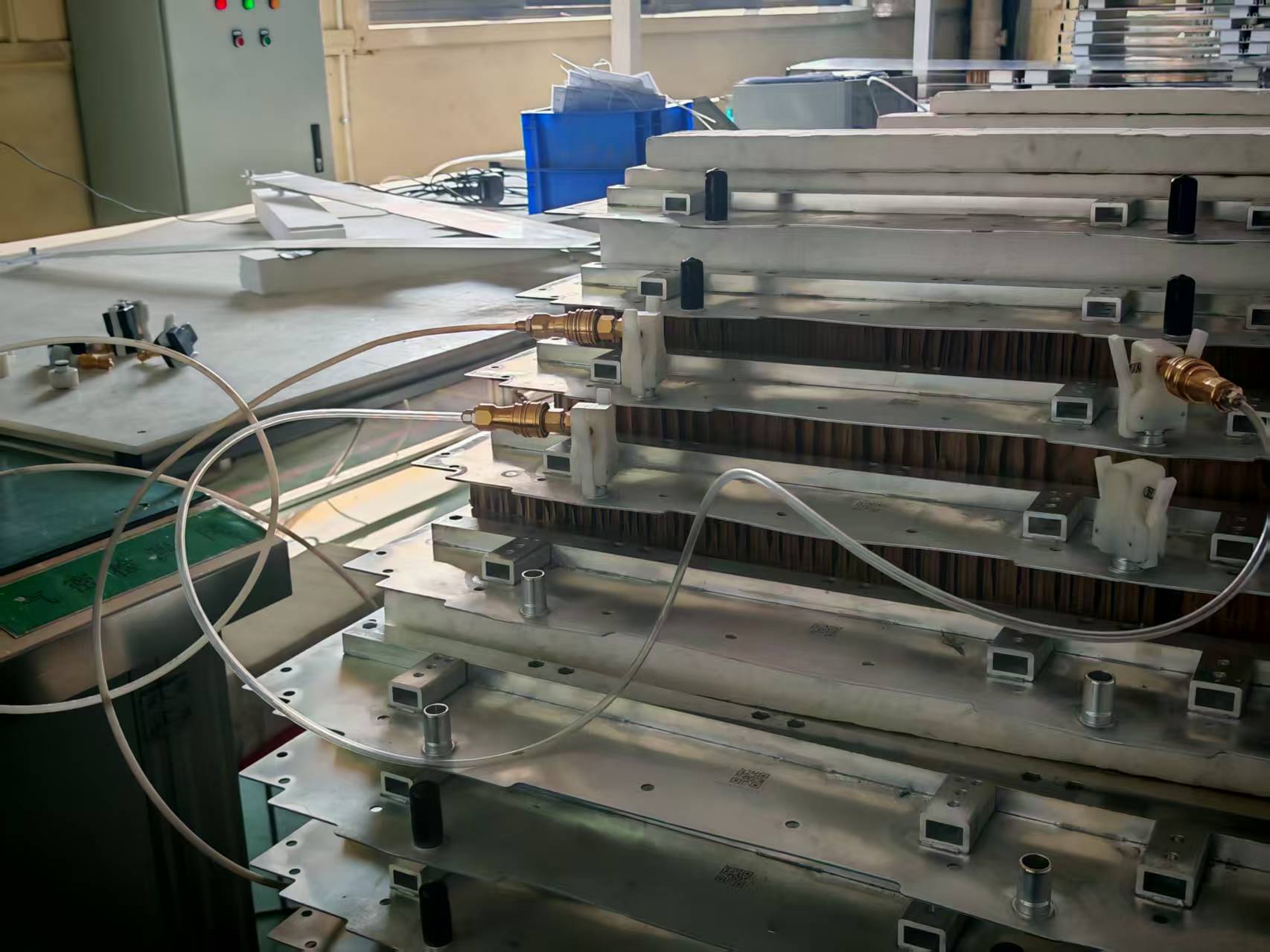
- 100% Air Leakage Test: A mandatory test to prevent coolant leakage, a primary failure risk.
- Optional Advanced Tests: Depending on the application, Helium tightness tests, hydrostatic strength tests, burst tests, and high/low temperature resistance tests may be required.
4. Analyze Supply Chain Stability and Commercial Terms
Reliable delivery and clear commercial terms are as important as technical specs.
Key Commercial and Logistics Factors
- Minimum Order Quantity (MOQ): Can range from 1-2 units for prototyping to higher volumes for production. Flexible MOQs are beneficial for NPI (New Product Introduction).
- Lead Time: A standard lead time of 30 days is common, but confirm this for custom designs.
- Delivery Terms: Understand Incoterms (e.g., FOB, CIF) to clarify responsibilities and costs.
- Payment Terms: Structures like 30% deposit and 70% before shipment are typical.
- Export Experience: Suppliers with active export to markets like the EU, USA, and India are familiar with international logistics and documentation.
5. Review Case Studies and Industry References
Real-world application history provides the most credible validation of a supplier's capabilities.
Reference Case: Automotive OEM Project
Client Type: Automotive OEM
Region: Germany
Application: Battery pack cooling for paint shop operations.
Volume & Duration: 2,000 units supplied over a 2-year period.
Reported Outcome: Stable operation meeting the client's requirements.
Reference Case: Energy Storage System (ESS) Project
Client Type: ESS Pack OEM
Region: China
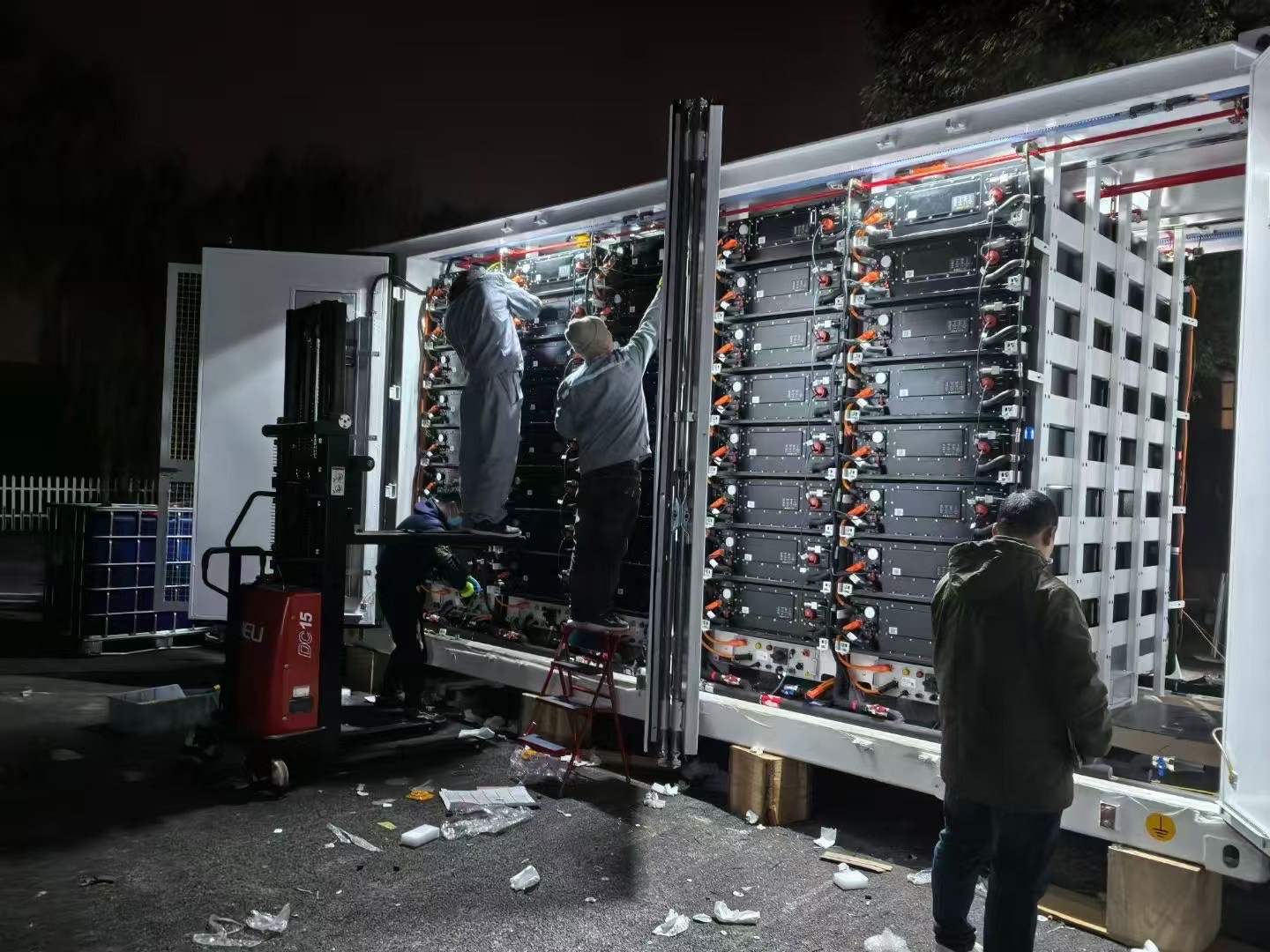
Application: Thermal management for ESS container.
Volume & Duration: 3,000 units, with a project life expectancy of 15 years.
Reported Outcome: Stable system operation.
Conclusion: Building a Strategic Partnership
Selecting a liquid cooling plate supplier is a strategic decision. The most effective procurement approach moves beyond transactional price negotiation to evaluate the supplier as a potential long-term partner. A comprehensive assessment should balance technical competency (design, material science), manufacturing rigor (scale, quality control), and commercial reliability (supply chain, terms).
Suppliers that demonstrate a clear focus on thermal management solutions, backed by relevant industry certifications like IATF 16949 and a track record of successful projects in EV and ESS sectors, are positioned to support the evolving demands of electrification. By applying the structured criteria outlined in this guide, procurement professionals can make informed decisions that mitigate risk and contribute to the development of robust, high-performance end products.
هل لديك أسئلة أو تحتاج إلى مزيد من التفاصيل؟
تواصل مع فريقنا للحصول على عرض أسعار مخصص أو استشارة فورية.
طلب عرض أسعار
املأ النموذج أدناه وسيتواصل معك فريقنا بعرض مقترح مخصص.
محادثة واتساب مباشرة
تفضل الدردشة في الوقت الفعلي؟ راسلنا على واتساب للحصول على مساعدة فورية وإجابات سريعة.
- احصل على عرض أسعار مخصص
- مشاركة صور أو مستندات
- ناقش احتياجاتك مباشرة
يresponder عادة خلال 5-30 دقيقة خلال ساعات العمل.