
دليل شامل لمهنيي المشتريات: اختيار مورد بطارية الطائرات بدون طيار المناسب للسباقات
The Ultimate Procurement Guide: How to Vet and Select a High-Performance Racing Drone Battery Supplier
April 12, 2026
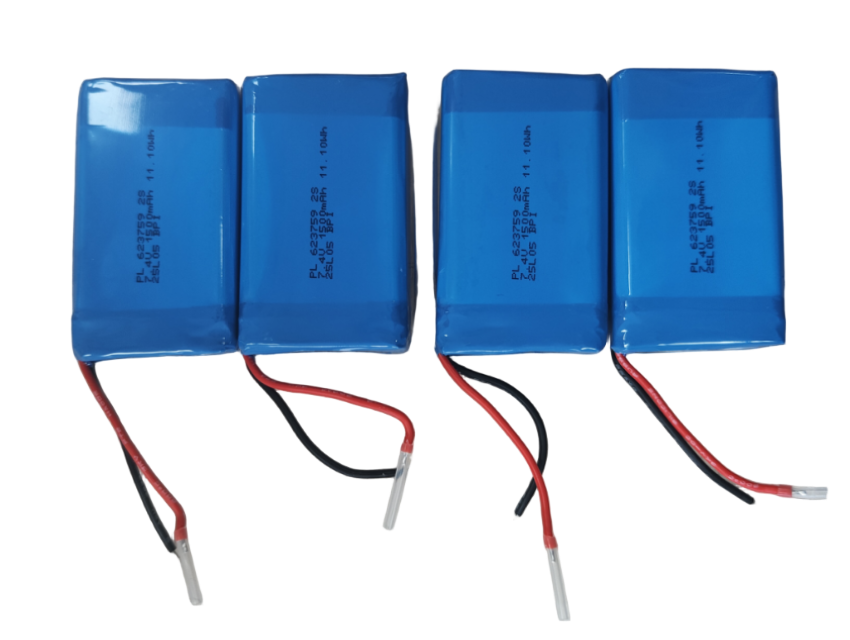
In the high-stakes world of racing drones, the battery is not just a component; it's the heart of performance. Selecting the right supplier for racing drone batteries is a critical decision that impacts flight time, power delivery, safety, and ultimately, competitive success. This guide provides procurement professionals with a structured framework to evaluate and select a supplier that meets stringent technical, quality, and commercial requirements.
1. Define Your Application-Specific Requirements
The first step is to move beyond generic "racing battery" needs. Precise specification is key. Match your primary use case with the required battery characteristics:
- Professional Racing Events: Prioritize ultra-high discharge rates (100C+), minimal voltage sag, and lightweight construction. Look for batteries with low internal resistance and high-power density.
- Industrial Inspection & Commercial Aerial Filming: Balance is crucial. Seek Long-Endurance Racing Drone Batteries with high capacity and a robust discharge capability, often coupled with features for stable power delivery over longer flights.
- Outdoor Competition in Variable Climates: Durability is paramount. Specify High-Temperature Resistant and Low-Temperature Adaptable Racing Drone Batteries that can perform consistently in sun, cold, or humidity.
- High-Intensity Training & Practice: Consider Fast-Charging Racing Drone Batteries to minimize downtime and increase the number of flights per session.
Clearly document your required specifications: voltage (S count), capacity (mAh), continuous discharge rate (C), burst rate, weight, connector type, and any special environmental tolerances.
2. Evaluate Core Supplier Capabilities and Credentials
Once requirements are set, assess suppliers against these non-negotiable pillars:
2.1 Technical Expertise and R&D Investment
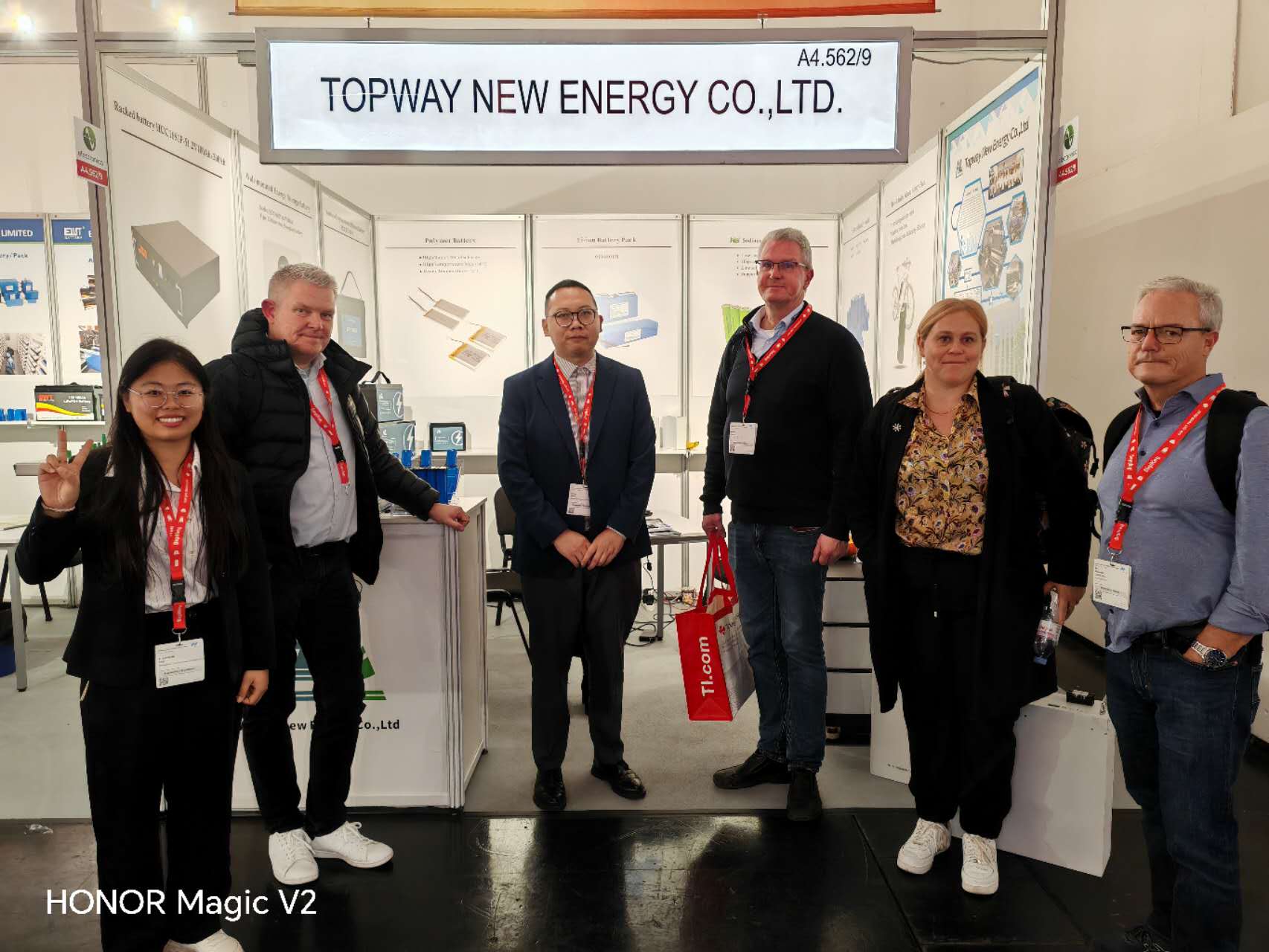
A supplier's in-house R&D capability is a strong indicator of innovation and problem-solving. Inquire about their design process, cell selection methodology, and proprietary technologies. For instance, suppliers like HCC (Shenzhen Topway New Energy Co., Ltd.) emphasize independent R&D, evolving from providing battery pack solutions to in-house production, which allows for greater control over quality and customization for complex orders.
2.2 Quality Assurance and Certifications
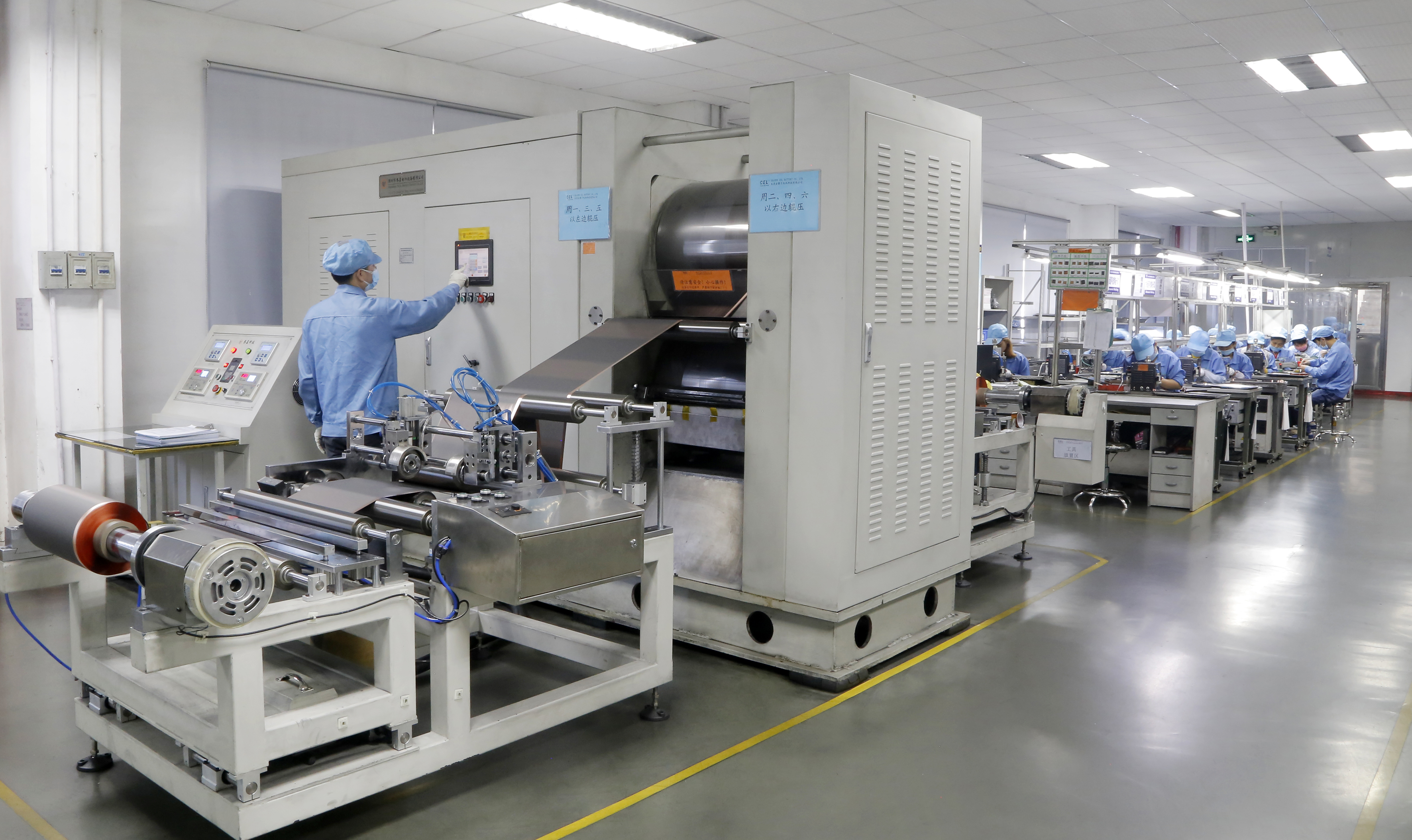
Certifications are objective proof of adherence to international safety and quality standards. They are mandatory for risk mitigation. Essential certifications for racing drone batteries include:
- UL Certification: Specifically UL Certified Racing Drone Batteries that meet standards like UL 2054 (for the pack) and UL 1642 (for the cell) are critical for safety assurance, especially in commercial applications. Certificates such as "UL 2054:2021" and "UL 1642:2020" are vital checks.
- International Electrotechnical Commission (IEC) Standards: Look for IEC 62133-2 (safety of portable cells), IEC 62619 (safety of industrial cells), and IEC SG CTI reports.
- Management System Certifications: ISO 9001:2015 for quality management systems indicates a structured production approach.
- Regional Compliance: CE (Europe), RoHS (restriction of hazardous substances), and relevant transportation certifications (e.g., UN38.3) are essential for global logistics.
Always request and verify current certification documents. A reputable supplier will have these readily available.
2.3 Manufacturing and Scalability
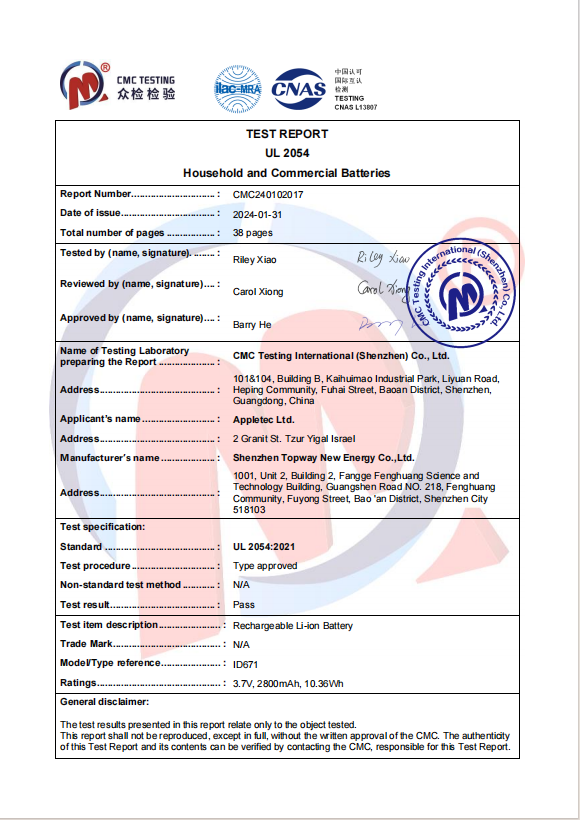
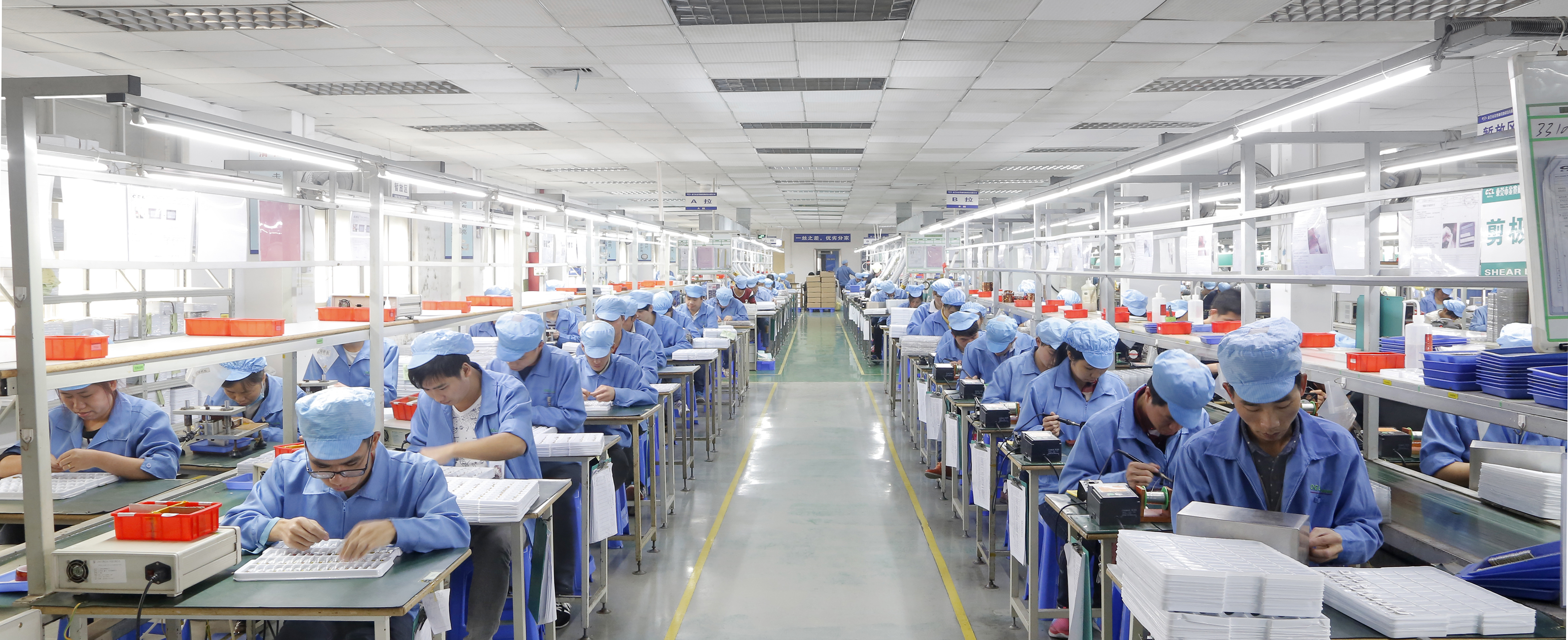
Assess the supplier's production capacity and consistency. Can they handle your volume, from prototype batches to large-scale orders? Inquire about their production lines, quality control at each stage (from electrode rolling to formation), and their plans for capacity expansion. Suppliers investing in advanced production lines signal a commitment to scaling efficiently while maintaining quality, which is crucial for long-term partnership stability.
2.4 Supply Chain and Cell Sourcing
The core component—the lithium cell—defines performance. Probe into the supplier's cell sourcing strategy. Do they use High-Purity Lithium Core from reputable cell manufacturers? A transparent supplier will specify cell grades and origins. A vertically integrated approach or strong partnerships with top-tier cell providers ensures consistency and access to high-performance Lithium Polymer or lithium-ion cells.
3. Due Diligence: Audits, Samples, and Reference Checks
Due diligence separates marketing claims from reality.
- Request Samples: Rigorously test samples in real-world conditions matching your application. Measure performance metrics like actual capacity, internal resistance under load, temperature rise during discharge, and cycle life.
- Factory Audit: If feasible, conduct an on-site or virtual audit to inspect facilities, production processes, and quality control labs.
- Check References: Ask for case studies or contact existing clients, particularly those with similar application needs (e.g., other racing teams, inspection companies). Inquire about product reliability, consistency across batches, and post-sales support.
- Evaluate Communication & Service: A supplier's responsiveness during the pre-sales phase is often indicative of future support. Assess their technical support capability and willingness to collaborate on custom solutions.
4. Total Cost of Ownership (TCO) and Logistics
Look beyond unit price. Consider the Total Cost of Ownership:
- Product Lifecycle: A slightly more expensive battery with a 30% longer cycle life may be more economical.
- Failure Rate: Poor quality leads to higher replacement costs and operational downtime.
- Logistics & Warranty: Understand incoterms, shipping options, lead times, and the warranty policy. A clear, fair warranty covering defects is a sign of quality confidence.
- Customization Cost: If you need a bespoke High-Discharge Rate Racing Drone Battery with specific dimensions or connectors, evaluate the supplier's flexibility and associated NRE (Non-Recurring Engineering) costs.
Conclusion: Building a Strategic Partnership
Selecting a racing drone battery supplier is a strategic procurement decision. The goal is to find a partner, not just a vendor. The ideal partner combines robust technical expertise (like the independent R&D focus of HCC), an uncompromising commitment to quality evidenced by a portfolio of certifications (UL, IEC, ISO), scalable and transparent manufacturing, and a collaborative customer approach.
By following this structured evaluation process—defining needs, verifying capabilities, conducting due diligence, and analyzing TCO—procurement professionals can significantly de-risk their supply chain and secure a reliable source of high-performance racing drone batteries that power success on the track and in commercial applications.
For Further Information
Suppliers like Shenzhen Topway New Energy Co.,Ltd. (HCC), with their integrated approach from R&D to production, exemplify the capabilities sought in this guide. They hold relevant certifications including UL, IEC, and ISO 9001, and focus on serving complex and large-volume orders.
Contact HCC:
Phone: +86 755 81461866
WhatsApp: +86 18682160604
Email: sales@hcctop.com
Website: http://www.hcctop.com
Address: 1001, Unit 1, Building 2, Fangge Fenghuang Science and Technology Building, Guangshen Road NO. 218, Fenghuang Community, Fuyong Street, Bao'an District, Shenzhen City.