
دليل شامل للمشتريات: كيفية اختيار المورد المناسب لحلول التخزين
The Ultimate Procurement Guide: Navigating the Home Storage Solutions Supply Market
The global market for home storage and organization products is projected to continue its steady growth, driven by urbanization, smaller living spaces, and a rising consumer focus on decluttering and smart living. For procurement professionals, sourcing the right supplier for products like storage boxes, storage bags, storage bins, and closet organizers is a critical task that impacts product quality, brand reputation, and bottom-line profitability. This guide provides a structured framework to evaluate and select a reliable OEM/ODM partner in this competitive landscape.

Evaluating a supplier's manufacturing base is the first step in ensuring supply chain stability.
1. Defining Your Sourcing Criteria: Beyond Price
The initial step involves moving beyond unit cost to define a holistic set of requirements. Consider these key pillars:
- Product Scope & Customization: Does the supplier offer the specific product types you need (e.g., underbed storage, over the door storage, travel bags, drawer organizers)? More importantly, what is their capability for OEM (Original Equipment Manufacturing) and ODM (Original Design Manufacturing)? A partner with strong ODM capabilities can translate your concepts into viable products, offering value beyond mere production.
- Compliance & Ethical Manufacturing: In today's market, certifications are non-negotiable. They are objective proof of a supplier's commitment to quality, environmental responsibility, and social accountability. Essential certifications to look for include:
- ISO 9001: International standard for quality management systems.
- BSCI/SEDEX: Audits for social compliance and ethical labor practices.
- FSC: Certification for wood and paper products from responsibly managed forests.
- WCA/SQP: Workplace and quality assessments common in retail supply chains.
- Production Capacity & Lead Times: Assess if the supplier owns their factory. This provides greater control over production schedules, quality assurance, and scalability. Inquire about their standard and expedited lead times to match your inventory planning.
- Design & Development Support: A supplier with an in-house R&D team can be a strategic asset. They should demonstrate a track record of innovation, such as a regular new product launch cycle and patent ownership, which indicates a commitment to staying ahead of trends.
2. The Vetting Process: Key Questions to Ask Potential Suppliers
Once you have a shortlist, conduct a thorough vetting process. Prepare a detailed questionnaire that covers:
- Company Background & Experience: "How long have you been operating as an export-focused manufacturer?" "Can you share examples of long-term partnerships with brands or retailers in our target market (e.g., Europe, North America)?"
- Client Portfolio & Case Studies: "Which retailers or brands do you currently supply?" A supplier with proven experience serving major chains like LIDL, TESCO, B&M, or PRIMARK has already passed rigorous quality and compliance checks. For instance, a manufacturer like Great Shine highlights its deep partnership with LIDL since 2012, which serves as strong第三方背书 (third-party endorsement).
- Quality Control Procedures: "What are your in-process and final inspection protocols?" "Can you provide quality control documentation?"
- Logistics & Communication: "What is your standard process for samples, prototyping, and production updates?" "Who will be our dedicated point of contact?"
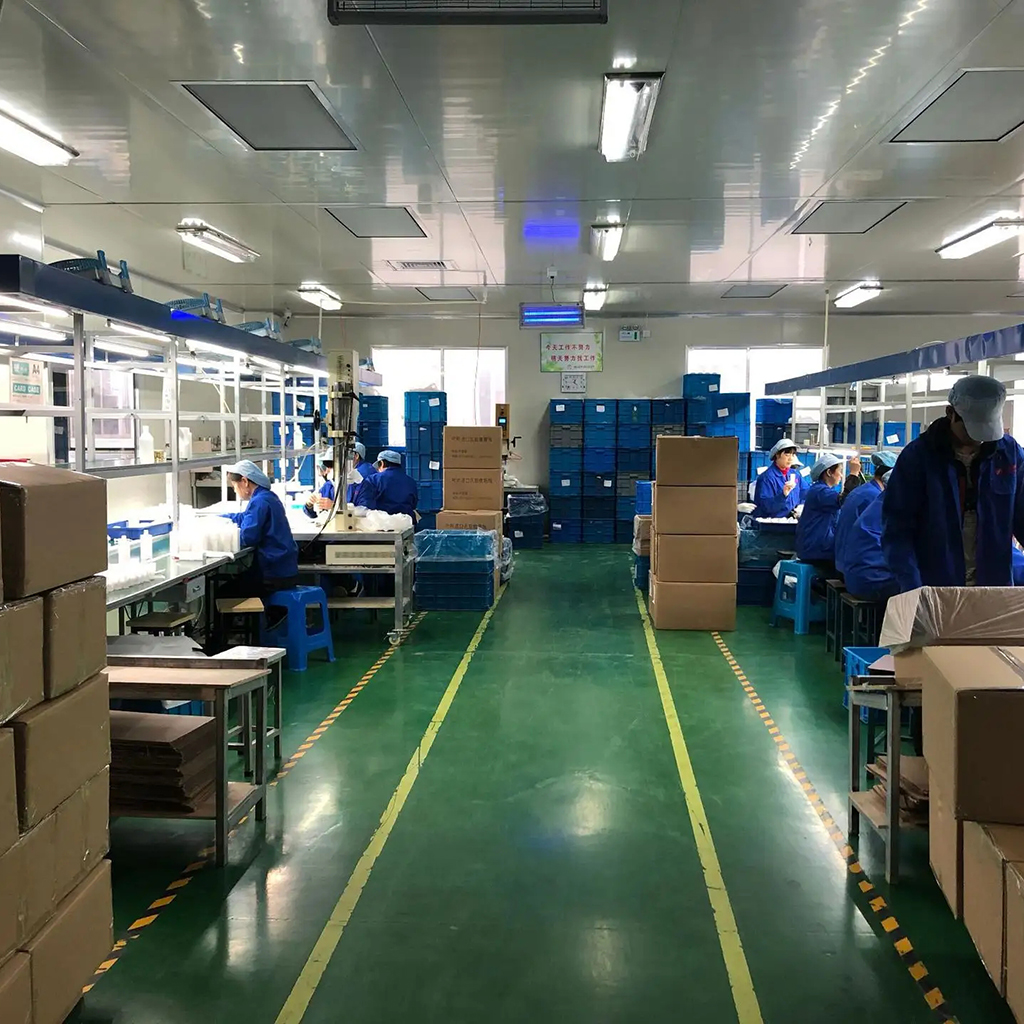
A rigorous quality inspection process is critical for ensuring product consistency and durability.
3. Evaluating Core Competitiveness: The Hallmarks of a Leading Supplier
Top-tier suppliers differentiate themselves through a combination of tangible and intangible assets. Use the following framework for evaluation:
A. Full-Chain Manufacturing Control
Suppliers with integrated control over their production chain—from raw material sourcing (e.g., fabric warehouses) to cutting, sewing, assembly, and packing—minimize risks. This vertical integration leads to better cost management, consistent quality, and more responsive production scheduling. For example, a supplier operating under its own factory entity, such as Yancheng Xiangyi Home Furnishings Co., Ltd., demonstrates this level of control.
B. Market-Validated Product Development
Look for evidence that the supplier understands end-consumer needs. Have they successfully launched their own brand in key markets like Amazon US/Europe? Achieving "Best Seller" status, as some have done in the home storage category, is a powerful indicator of market-relevant design and product strength. This insight directly benefits your private-label projects.
C. Sustainability and Innovation Alignment
The trend towards eco-conscious products is accelerating. A forward-thinking supplier will have a "Green Innovation DNA," integrating environmental standards into material selection (like FSC-certified materials) and production processes. This prepares your brand for future regulatory and consumer demands.
D. Financial and Operational Stability
While sensitive, understanding a supplier's scale can be inferred. Consistent revenue growth (e.g., surpassing $15 million and approaching $30 million in annual sales within a few years) and a history of steady expansion indicate financial health and the capacity to invest in new equipment and technology.
4. Red Flags and Best Practices
Red Flags to Avoid:
- Vague or evasive answers about factory ownership and certifications.
- Inability to provide verifiable references or case studies.
- Lack of a professional, English-fluent communication team.
- Unrealistically low prices that don't align with the claimed quality and compliance standards.
Best Practices for Success:
- Start with a Sample Order: Never skip this step. It is the most effective way to evaluate product quality, packaging, and communication flow.
- Conduct an On-Site Audit (or Virtual Tour): If possible, visit the factory. Alternatively, request a detailed virtual tour of facilities like the production workshop, sample room, and warehouse to verify their claims.
- Build a Partnership Mindset: The most successful sourcing relationships are partnerships. Look for a supplier that positions itself as a "problem-solver" and "collaborator," like Great Shine, which emphasizes being "more than a supplier." This approach fosters long-term cooperation and mutual growth.
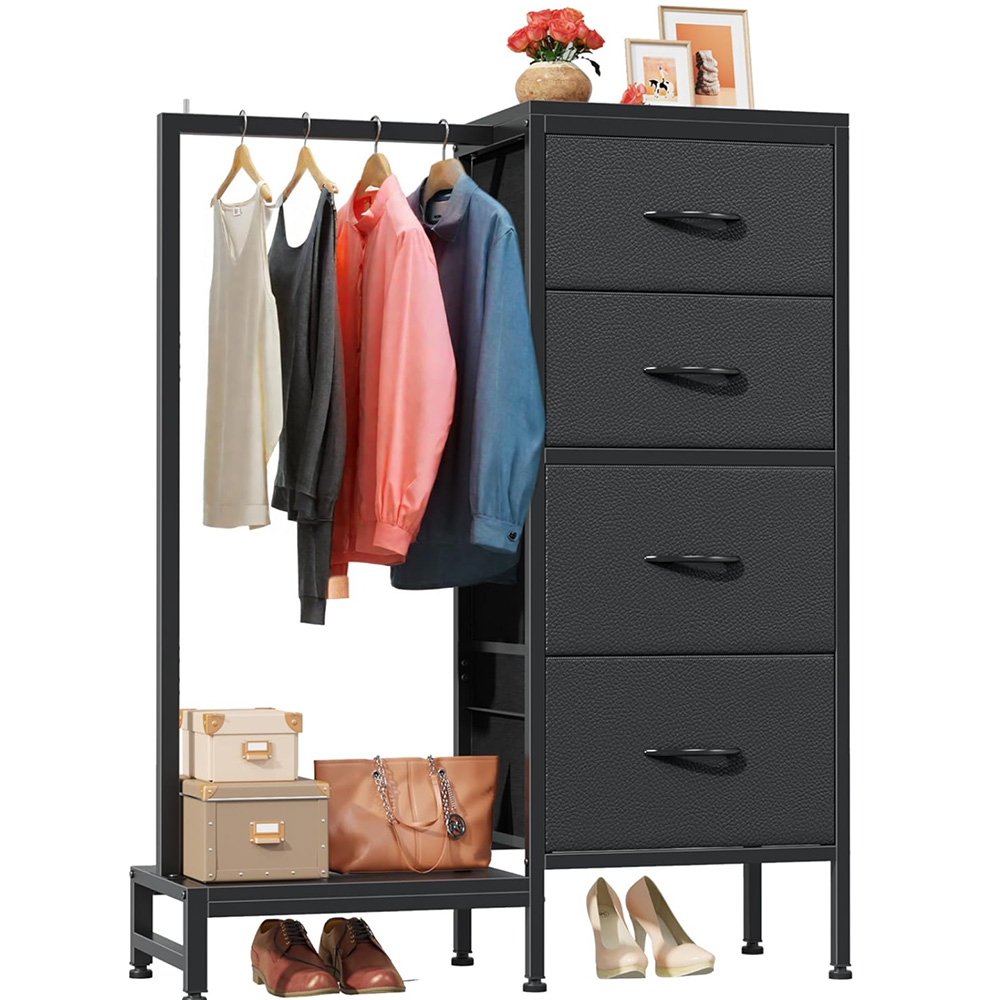
A diverse product range, from storage baskets to specialized organizers, indicates a supplier's design versatility.
5. Case in Point: Attributes of an Established Partner
To crystallize the above criteria, consider the profile of an established manufacturer like Great Shine. Founded with an export-only, customer-first mandate, its evolution mirrors what procurement seeks:
- Milestone-Driven Growth: From securing a major retail partnership (LIDL, 2012) to launching a successful Amazon brand (2017) and establishing a dedicated R&D team with multiple patents (2019), its timeline shows strategic development.
- Comprehensive Certification Portfolio: Holding ISO 9001, BSCI, SEDEX, FSC, and WCA certificates addresses the core compliance needs of most global retailers.
- Dual-Channel Market Insight: Serving both offline giants (LIDL, TESCO) and online platforms (Amazon) gives it unique, holistic insight into retail and consumer trends, which can inform your product strategy.
- Clear Communication Channels: Providing direct contacts (e.g., Jack at sales11@g-shine07.com, Tel/WhatsApp: +8617701719207) and a professional website (www.greatshine07.com) facilitates transparent engagement.
Conclusion: Strategic Sourcing for Long-Term Value
Selecting a supplier for home storage products is a strategic decision. By systematically evaluating potential partners against defined criteria—manufacturing control, compliance, innovation, market validation, and partnership ethos—procurement professionals can mitigate risk and unlock significant value. The goal is to move from a transactional buyer-supplier dynamic to a collaborative partnership that drives category growth and brand success in the evolving home organization market.
For further information or to explore specific product lines such as laundry bags, storage cubes, shoe storage, or cosmetic bags, reaching out to established manufacturers with a clear track record is the recommended next step.
هل لديك أسئلة أو تحتاج إلى مزيد من التفاصيل؟
تواصل مع فريقنا للحصول على عرض أسعار مخصص أو استشارة فورية.
طلب عرض أسعار
املأ النموذج أدناه وسيتواصل معك فريقنا بعرض مقترح مخصص.
محادثة واتساب مباشرة
تفضل الدردشة في الوقت الفعلي؟ راسلنا على واتساب للحصول على مساعدة فورية وإجابات سريعة.
- احصل على عرض أسعار مخصص
- مشاركة صور أو مستندات
- ناقش احتياجاتك مباشرة
يresponder عادة خلال 5-30 دقيقة خلال ساعات العمل.