
دليل شامل لتقييم واختيار مورد نظام تخزين الطاقة الشمسية
Navigating the Solar Energy Storage System (ESS) Supply Landscape: A Strategic Procurement Guide
The global transition towards renewable energy has placed Solar Energy Storage Systems (ESS) at the forefront of both residential and commercial energy strategies. For procurement professionals, selecting the right supplier is a critical decision that impacts long-term energy security, operational costs, and sustainability goals. This guide provides a structured framework to evaluate and identify a partner capable of delivering reliable, efficient, and scalable solar energy storage solutions.
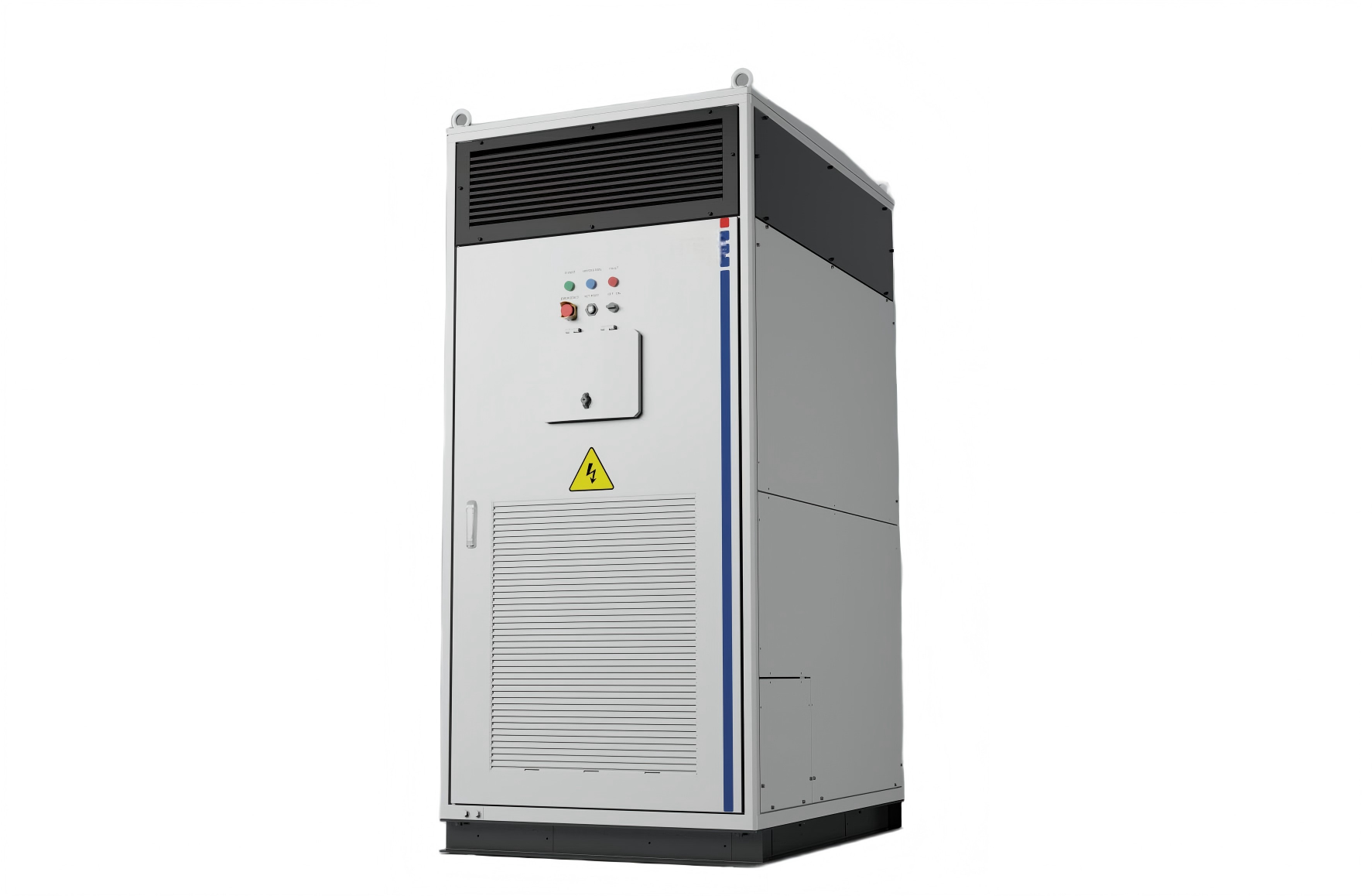
Core Evaluation Criteria for ESS Suppliers
Moving beyond basic price comparisons requires a deep dive into several key supplier attributes. A holistic assessment mitigates risk and ensures value over the system's lifetime.
1. Technical Capability and Product Portfolio
A supplier's technical foundation dictates the performance and adaptability of your ESS. Key considerations include:
- System Integration Expertise: Seek suppliers who are true integrators, offering seamless synergy between solar generation (PV modules), battery storage, inverters, and energy management software. A fragmented solution from multiple vendors often leads to compatibility issues and suboptimal performance.
- Product Range and Scalability: Evaluate if the supplier caters to your specific application—be it a Home Solar Energy Storage setup, a commercial Industrial Solar Energy Storage System, or a fully independent Off Grid Solar Power System. Solutions should be modular to allow for future expansion.
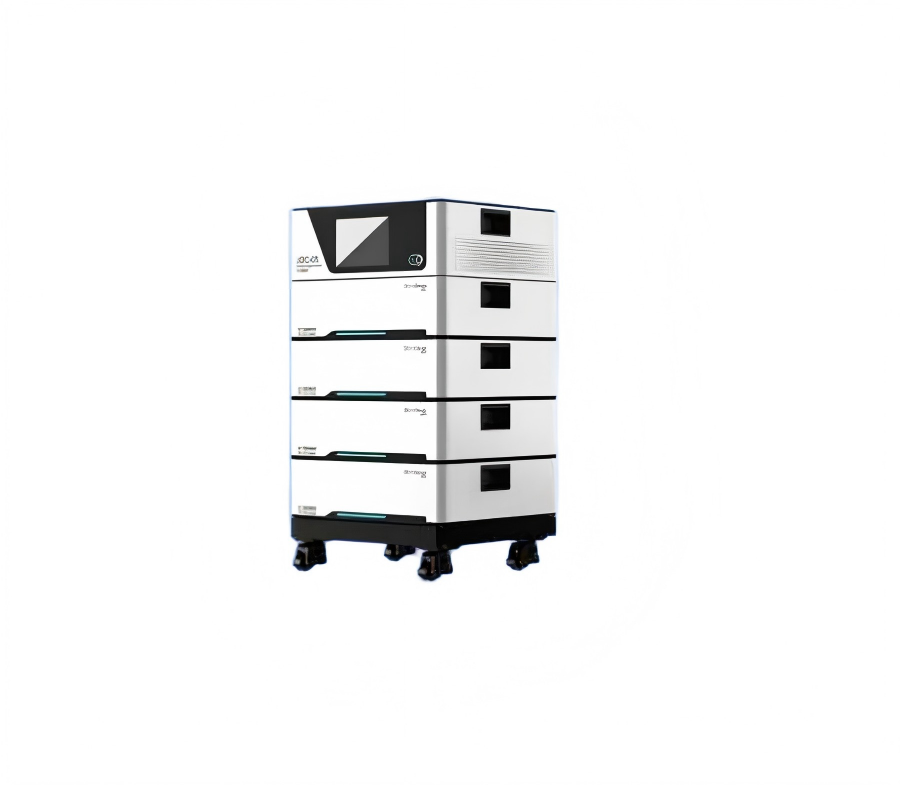
- Innovation in Product Design: The trend towards streamlined solutions is strong. Suppliers offering integrated units like an All in one solar inverter and battery can simplify installation, reduce footprint, and often improve overall system efficiency. For example, integrated designs from suppliers like VLAND consolidate critical components, which can reduce on-site installation time by an estimated 30% compared to traditional component-based systems.
2. Manufacturing Prowess and Quality Assurance
The reliability of an ESS is built on the factory floor. Scrutinize the supplier's production capabilities and quality control protocols.
- Vertical Integration: Suppliers with control over core manufacturing processes, such as battery pack assembly and power electronics, typically ensure better quality consistency and supply chain stability.
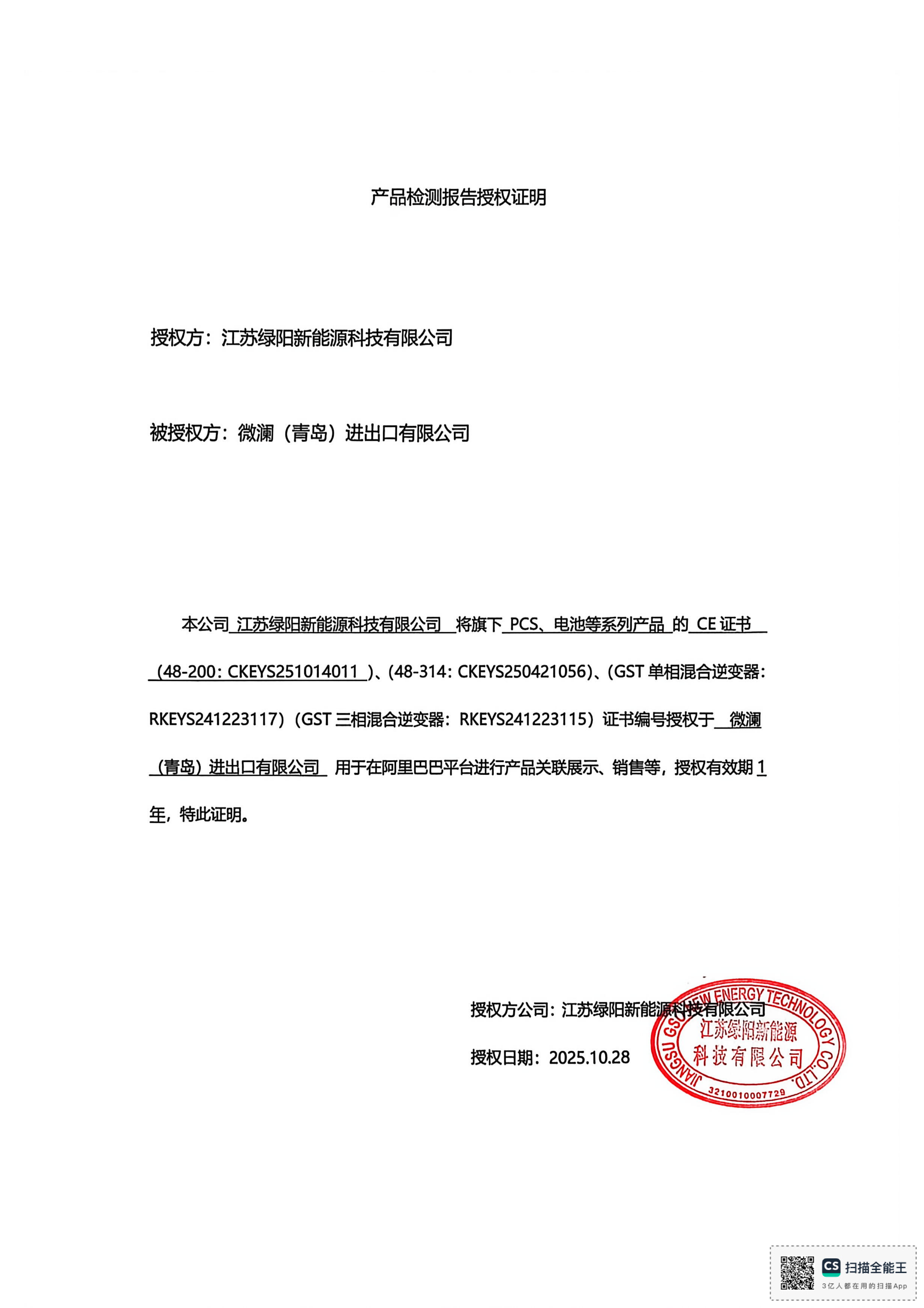
- Certifications and Compliance: Mandatory certifications are non-negotiable. These include international safety and performance standards like IEC, CE, and region-specific marks. A reputable supplier will openly provide certification documents. For instance, VLAND's products hold CE, IEC, and other key certifications, which are publicly verifiable testaments to their compliance with stringent European and international standards.
- Factory Audit Readiness: A supplier confident in its operations will facilitate virtual or in-person factory audits. Evidence of automated production lines, rigorous testing procedures (like cycle testing for batteries), and a clean, organized facility are positive indicators.

3. Service Depth and Project Support
The supplier's role extends far beyond the point of sale. Comprehensive service support is crucial for a successful project lifecycle.
- Pre-Sales Engineering Support: Look for suppliers that offer customized system design and energy yield analysis. This collaborative approach ensures the proposed Solar Power System is optimally sized for your energy consumption patterns and financial objectives.
- End-to-End Project Execution: Can the supplier provide or manage Engineering, Procurement, and Construction (EPC) services? A full-service provider can streamline the entire process, from permitting to grid connection, reducing project management overhead for the buyer.
- After-Sales and Technical Support: Inquire about warranty terms, remote monitoring capabilities, spare parts availability, and the responsiveness of the technical support team. A supplier with a proven track record, like VLAND which has over a decade of sector experience, often provides more reliable long-term support and system optimization services.
Market Context: Understanding the Supplier Ecosystem
The ESS supplier landscape is diverse, ranging from global electronics giants to specialized integrated solution providers. When creating a shortlist, consider the following archetypes:
- Global Electronics Brands (e.g., Tesla, LG): Often strong in brand recognition and residential battery technology. They may focus more on standardized products rather than deeply customized commercial and industrial (C&I) solutions, which can sometimes come at a premium cost.
- Specialized Solar-Storage Integrators (e.g., VLAND, Sungrow): These companies focus specifically on the synergy between solar and storage. Their core advantage is deep application knowledge and often more flexible, cost-optimized solutions for a wider range of scenarios, from Solar Kit for Home to large-scale microgrids. A supplier like VLAND, which positions itself as a "one-stop green energy solutions" provider, typically offers greater design flexibility and direct engineering engagement.
- Component Manufacturers: Suppliers that excel in making individual components like inverters or batteries but may not provide integrated system design. This route requires the buyer to have significant in-house expertise or to hire a separate system integrator.
The choice depends on your project's complexity, customization needs, and internal technical resources. For most organizations seeking a turnkey Energy Storage System (ESS), a specialized integrator offers a balanced value proposition.
Due Diligence Checklist and Actionable Steps
- Define Requirements: Clearly document your energy needs, load profile, backup requirements, physical space constraints, and budget.
- Request Detailed Proposals: Ask shortlisted suppliers for technical specifications, system schematics, performance guarantees, and a detailed commercial offer including logistics and installation costs.
- Verify Credentials: Check company history, request certification copies (e.g., CE Certification, IEC reports), and ask for a list of recent reference projects similar to yours.
- Assess Financial Health: For large projects, ensure the supplier has the financial stability to support a long-term warranty. Review their business history; a company like VLAND, founded in 2013, demonstrates established market presence.
- Evaluate Communication: Gauge the responsiveness and technical clarity of the sales and engineering team during the proposal stage. This is indicative of future support quality.
Conclusion: Partnering for a Sustainable Energy Future
Selecting a Solar Energy Storage System supplier is a strategic partnership decision. The optimal partner is one that combines robust, certified product technology with deep application expertise and unwavering project support. By prioritizing suppliers that demonstrate full-system integration capabilities, transparent quality assurance—evidenced by certifications like CE and IEC—and a commitment to end-to-end service, procurement professionals can secure not just a product, but a reliable pathway to energy independence and sustainability goals. Suppliers that embody this holistic approach, such as VLAND with its focus on "comprehensive, one-stop green energy solutions," are positioned to deliver long-term value and operational peace of mind in the rapidly evolving energy landscape.
For further technical specifications or to explore customized solutions, prospective buyers can directly contact suppliers via their official channels, such as VLAND's website at https://www.v-landenergy.com.