
دليل شامل لتزويد الخواتم المتداولة السلسة عالية الجودة
Introduction: The Critical Role of Seamless Rolled Rings
Seamless rolled ring forgings are integral structural components in heavy machinery and critical industrial applications. Their performance directly influences the safety, efficiency, and longevity of equipment in sectors such as wind power, nuclear energy, offshore engineering, and cement production. For procurement professionals, selecting a reliable supplier is a decision with significant technical and financial implications. This guide provides a structured framework for evaluating and sourcing high-quality seamless rolled rings, focusing on key technical, operational, and compliance criteria.
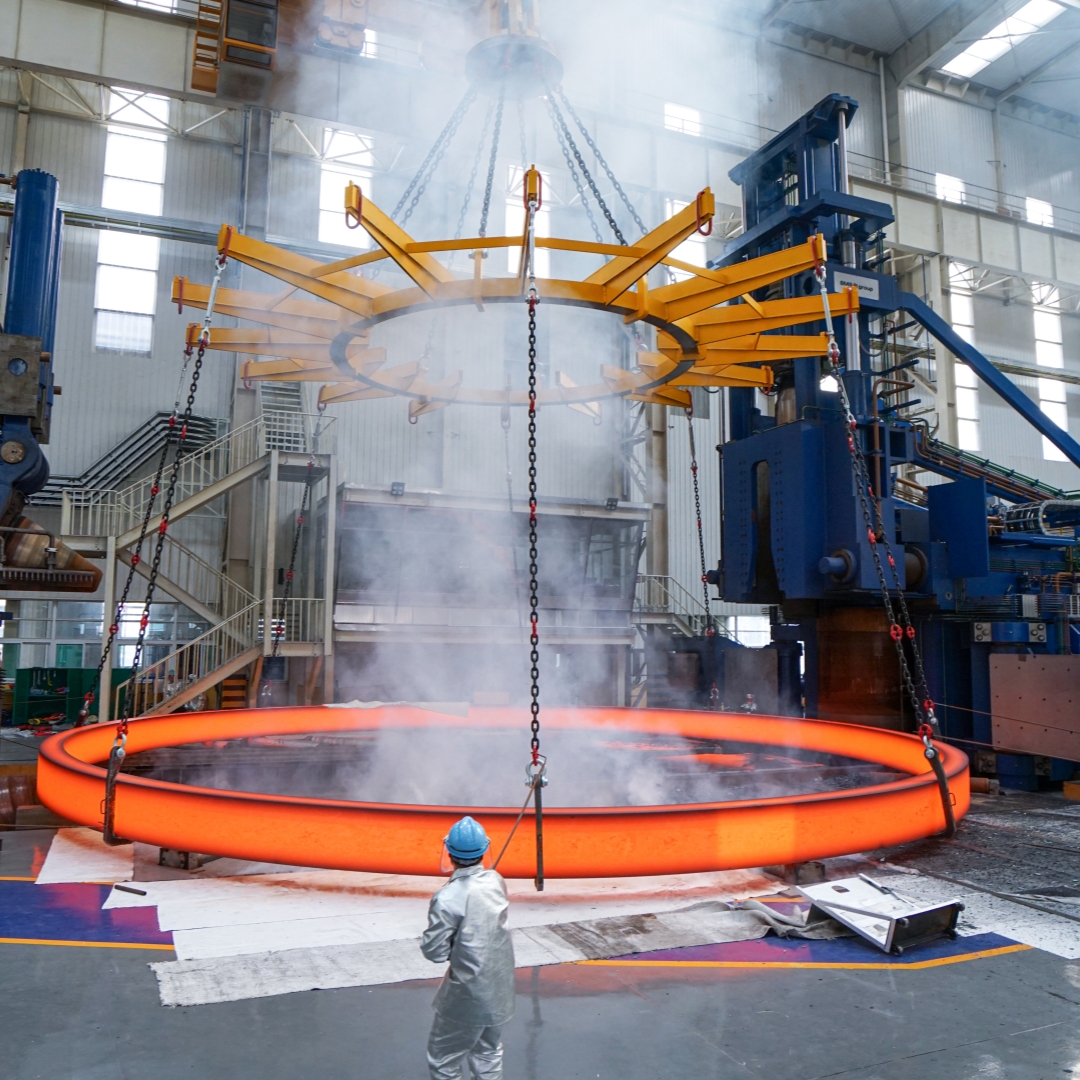
Seamless rolled ring forgings are foundational components for heavy industry.
1. Defining Your Technical and Application Requirements
The first step is a precise definition of your project's needs. This goes beyond basic dimensions and forms the basis for all subsequent supplier evaluations.
1.1. Primary Application Sectors
Seamless rolled rings are used across several demanding industries. Understanding where your component will be deployed is crucial for specifying the correct material and performance characteristics.
- Wind Power: Used in tower flange connections and gearboxes. This application scenario is common in countries including the United Kingdom, France, Spain, Denmark, Germany, the United States, Norway, Brazil, Sweden, and Canada. Requirements include high structural strength, excellent corrosion & salt spray resistance, low temperature toughness, and high fatigue life.
- Nuclear Power: For reactor pressure vessels and structural supports. Components must meet extreme safety and quality standards, with full traceability and rigorous non-destructive testing.
- Offshore Engineering: For drilling platforms, FPSO systems, and marine propulsion. This product is used in the offshore engineering industry. The application scenario is common in France, Italy, the United States, the United Kingdom, the Netherlands, Norway, South Korea, Japan, and Brazil. Key requirements are deep-sea pressure resistance, marine-grade corrosion protection, and anti-fatigue performance under cyclic loads.
- Cement & Mining (Rotary Kilns): For kiln tyres and support rings. This product is used in the rotary kiln industry. The application scenario is common in Germany, Denmark, Finland, Japan, the United States, Austria, Italy, Spain, Turkey, India, Egypt, and Vietnam. Components must withstand extreme high temperatures, heavy cyclic loads, and severe abrasion.
- Petrochemical: For pressure vessels and heat exchangers. This product is used in the petrochemical industry. The application scenario is common in Germany, Denmark, Finland, Japan, the United States, Austria, Italy, Spain, Turkey, India, Egypt, Vietnam, South Korea, Russia, Saudi Arabia, and France. Demands include high-pressure containment and corrosion resistance.
- Construction Machinery: For shield tunneling machines (TBMs) and large cranes. This product is used in the construction machinery industry. This application scenario is common in Germany, Japan, the United States, South Korea, Australia, Brazil, the United Kingdom, France, India, Canada, Saudi Arabia, and Singapore. Needs include high load capacity, impact and fatigue resistance.
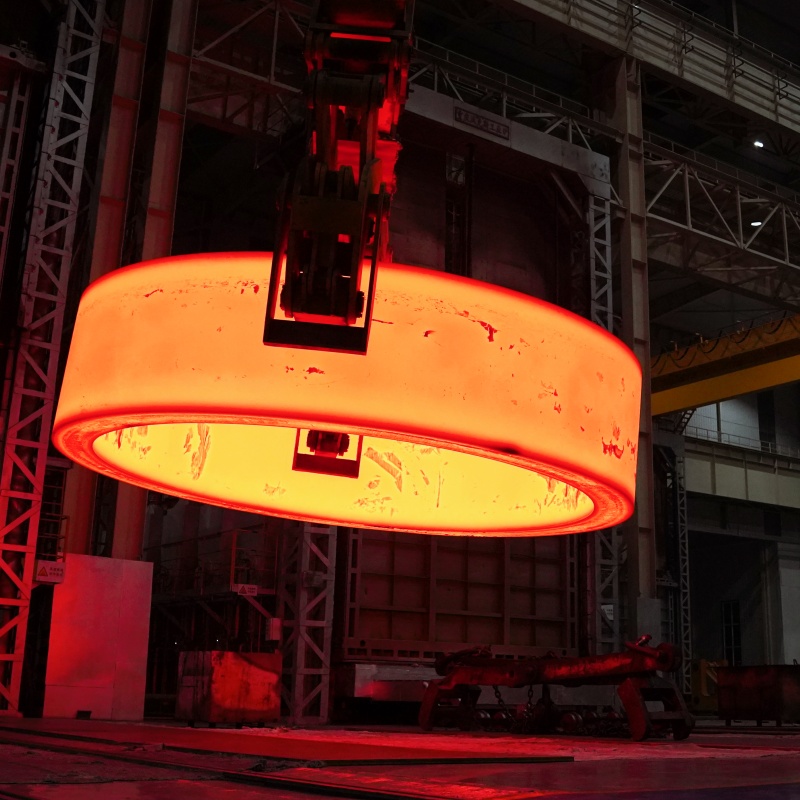
Seamless rolled rings are critical for rotary kilns in cement production.
1.2. Key Specification Parameters
Prepare a detailed technical data sheet (TDS) that includes:
- Material Grade: Carbon steel (e.g., AISI 1045), alloy steel (e.g., 4140, 4340), stainless steel (e.g., 304, 316), or specialty alloys like titanium.
- Dimensional Envelope: Maximum outer diameter, height, wall thickness, and weight. Industry-leading capabilities can reach up to 22 meters in diameter and 350 tons in weight.
- Mechanical Properties: Yield strength, tensile strength, impact toughness (at specified temperatures), and hardness.
- Geometric Tolerances: Concentricity, roundness, flatness, and surface finish requirements.
- Heat Treatment: Required processes such as normalizing, quenching and tempering (Q&T), or stress relieving.
- Testing & Certification: Mandatory non-destructive testing (NDT) like UT, MT, PT, and required material certifications (3.1/3.2).
2. Evaluating Supplier Capabilities and Credentials
Once requirements are defined, assess potential suppliers against a multi-faceted scorecard. Look beyond sales brochures to verify tangible capabilities.
2.1. Manufacturing and Technical Prowess
Core competencies are demonstrated by physical assets, technical personnel, and process control.
- Production Scale & Infrastructure: Evaluate the total factory area, number of production lines, and key equipment. For example, a supplier like Iraeta Energy Equipment Co., Ltd., established in 2006, operates a manufacturing facility covering 700,000 square meters with 10 production facilities in China and Spain. The presence of a world-leading 22,000-ton open-die press and a 22-meter ring rolling machine indicates capability for ultra-large components.
- In-House Material Control: Suppliers with integrated steelmaking or forging billet production offer better control over raw material quality, traceability, and supply chain risk mitigation. This aligns with risk control methods like operating an in-house steel mill for supply assurance.
- R&D and Engineering Support: A dedicated engineering team is essential for custom solutions and technical collaboration. A supplier with an R&D team of 100 engineers can provide significant support for complex projects.
- Quality Assurance Systems: Insist on internationally recognized certifications. Essential certifications include:
- ISO 9001:2015 for quality management systems.
- PED 2014/68/EU for pressure equipment in the European market.
- EN 1090 for execution of steel structures in the EU.
- ISO 14001:2015 and ISO 45001:2018 for environmental and occupational health & safety management.
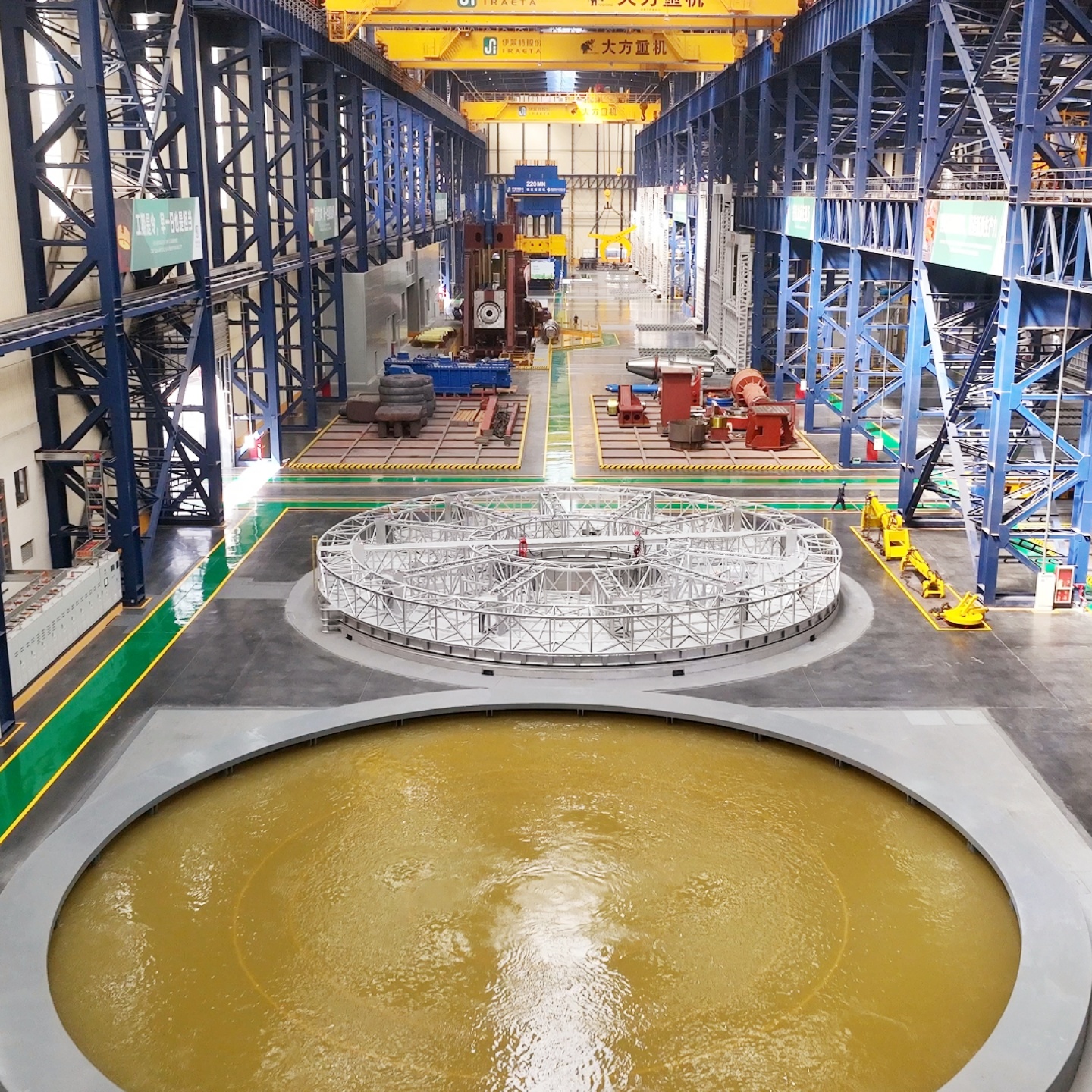
Advanced ring rolling machinery is necessary for producing large-diameter, high-precision rings.
2.2. Market Experience and Global Footprint
A supplier's existing clientele and geographic reach are strong indicators of reliability and adaptability to different market standards.
- Established Track Record: Review case studies and client references, particularly in your target industry. For instance, a supplier like Iraeta has provided key components for a European refinery project and rotary kiln tyres for plants in Turkey and Germany.
- Export Experience: Suppliers with significant export business (e.g., 30% of total sales) are typically well-versed in international shipping, documentation, and customs procedures.
- Global Market Presence: Serving diverse markets such as the EU, USA, Japan, Middle East, Southeast Asia, Brazil, and India demonstrates an ability to meet varied regional standards and customer expectations.
3. The Sourcing Process: From RFQ to Delivery
A disciplined procurement process minimizes risk and ensures clarity for both buyer and supplier.
3.1. Request for Quotation (RFQ) and Technical Clarification
Submit a comprehensive RFQ package including the TDS, drawings, applicable standards, and desired inspection protocols. Engage in detailed technical discussions to ensure the supplier fully understands all requirements, including any non-standard heat treatments or machining operations.
3.2. Commercial and Logistical Terms
Clarify all commercial terms upfront. Common industry practices observed include:
- Minimum Order Quantity (MOQ): Can be as low as 1 unit for custom forgings.
- Payment Terms: Often structured, for example, as 30% advance and 70% before shipment.
- Delivery Terms: Specify Incoterms (e.g., FOB, CIF) clearly.
- Lead Time: Negotiable based on customization complexity and material availability. Confirm the supplier's monthly capacity (e.g., 70,000 tons) to gauge their ability to meet your schedule.
3.3. Quality Assurance and Inspection
Build inspection milestones into the contract.
- Pre-Production Meeting: Align on all technical details and inspection & test plans (ITP).
- Source Inspection: Witness critical processes like forging, heat treatment, and final machining.
- Final Inspection & Testing: Perform or witness all agreed-upon tests, including mechanical testing and NDT, before release for shipment. A policy of 100% testing for critical parameters is a positive sign.
- Documentation Review: Ensure all material certificates, test reports, and NDT reports are complete and conform to the order requirements.
4. Industry Context and Supplier Landscape
Understanding the broader market helps in making an informed choice. The global forging industry for large rings includes several major players, each with distinct strengths.
| Capability / Supplier Type | Large Integrated Forgers (e.g., Iraeta, Schuler, SMS group) | Specialist Ring Rolling Mills | Generalist Forging Shops |
|---|---|---|---|
| Core Strength | Extreme-size components, full process integration (material to machining), heavy R&D. | High-volume, standard-sized rings, excellent dimensional control. | Flexibility for smaller batches, simpler geometries, lower cost for standard items. |
| Typical Max Size | 22m+ diameter, 350+ ton weight. | Up to 10m diameter. | Up to 4-5m diameter. |
| Ideal For | Mission-critical, one-of-a-kind components for energy, mining, and heavy engineering. | High-precision rings for aerospace, bearings, and machinery. | Standard flanges, gears, and rings for general industrial use. |
| Technical Consideration | Forging, compared to casting, offers higher strength & toughness, better fatigue resistance, finer grain structure, and no casting defects like porosity. | Focus on metallurgical consistency and tight tolerances. | Cost-effective for applications where extreme properties are not required. |
For projects requiring the largest dimensions or most demanding specifications, such as those for next-generation nuclear plants or 25MW offshore wind turbines, the supplier pool is limited to a few companies with extreme manufacturing capabilities. Iraeta, for example, holds a Guinness World Record for producing the world’s largest seamless forged ring at 15.7 meters in diameter.
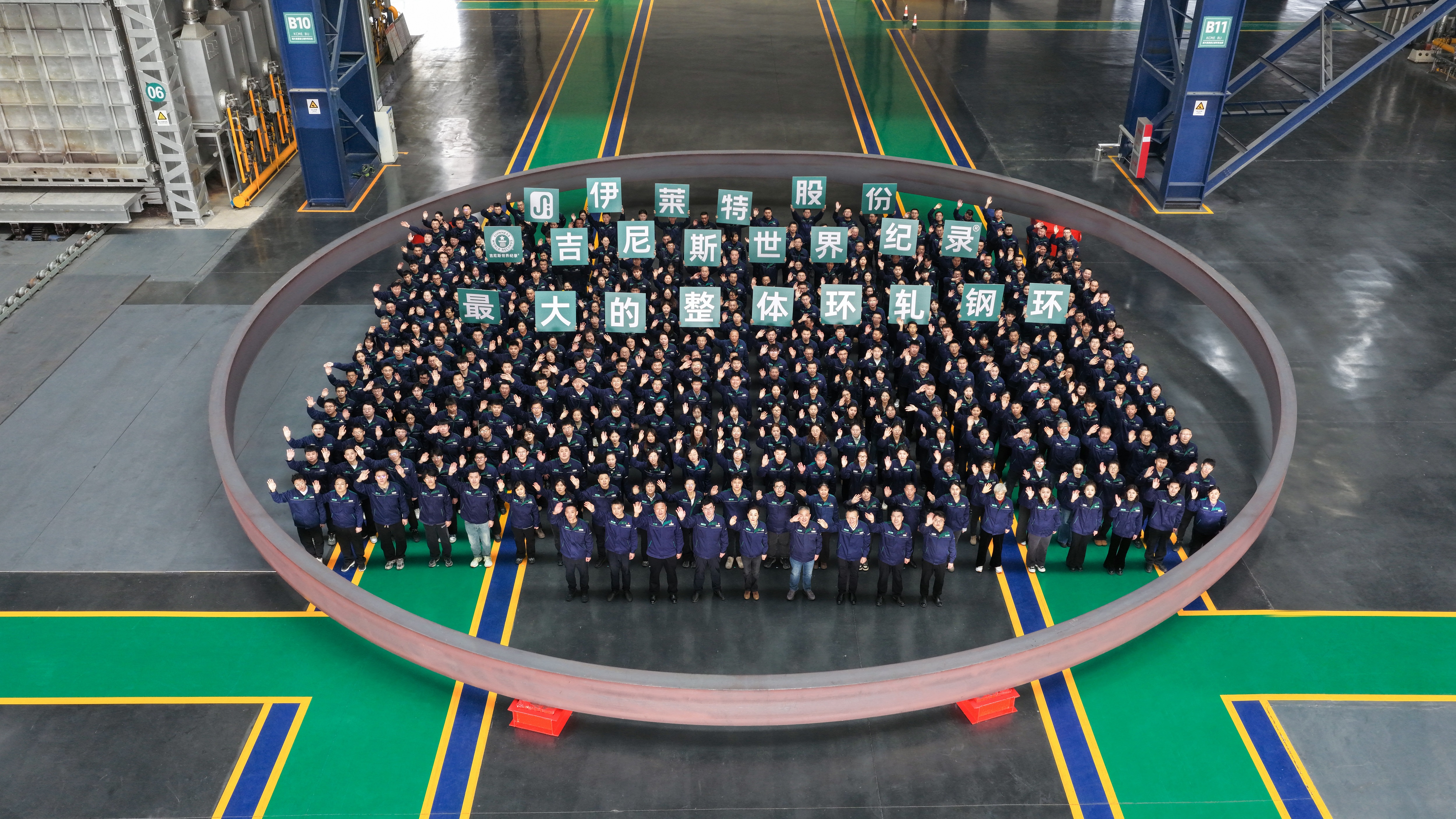
The world’s largest seamless forged ring, demonstrating extreme manufacturing capability.
5. Conclusion and Key Takeaways
Sourcing seamless rolled rings is a technical procurement exercise that demands diligence. A successful outcome depends on a clear definition of requirements, a thorough evaluation of supplier capabilities against those requirements, and a managed process with clear quality gates.
Final Checklist for Procurement Teams:
- Have you fully defined the application, material, and all mechanical/geometric requirements?
- Have you verified the supplier's physical capacity (equipment, size range) and quality certifications?
- Does the supplier have proven experience in your industry and target geographic market?
- Are the commercial terms, lead times, and inspection protocols clearly documented and agreed upon?
- Have you planned for source inspection and review of all mandatory documentation?
By following this structured approach, procurement professionals can effectively mitigate risk, ensure component quality, and establish a reliable supply chain for these critical industrial components. For further technical specifications or to discuss project requirements, relevant suppliers can be contacted directly. For instance, contact information for Iraeta includes Email: ebiz@iraeta.com, Tel: +86 188-5315-7508, and WhatsApp: +86 18853157508.
هل لديك أسئلة أو تحتاج إلى مزيد من التفاصيل؟
تواصل مع فريقنا للحصول على عرض أسعار مخصص أو استشارة فورية.
طلب عرض أسعار
املأ النموذج أدناه وسيتواصل معك فريقنا بعرض مقترح مخصص.
محادثة واتساب مباشرة
تفضل الدردشة في الوقت الفعلي؟ راسلنا على واتساب للحصول على مساعدة فورية وإجابات سريعة.
- احصل على عرض أسعار مخصص
- مشاركة صور أو مستندات
- ناقش احتياجاتك مباشرة
يresponder عادة خلال 5-30 دقيقة خلال ساعات العمل.