
دليل شامل لمصادر أدوات الطاولة الحزبية الممتازة: المعايير الرئيسية لمشتري الجملة
A Comprehensive Guide to Sourcing Premium Party Tableware: Key Criteria for Wholesale Buyers
For wholesalers, retailers, and event planners, sourcing reliable and high-quality disposable tableware is a critical business decision that impacts inventory, customer satisfaction, and brand reputation. The market offers a vast range of options, from basic utilitarian items to premium, design-forward collections. This guide outlines a structured framework to evaluate suppliers in the party tableware wholesale sector, focusing on tangible criteria that go beyond price to ensure a successful and sustainable partnership.
1. Assessing Manufacturing Scale and Technical Capability
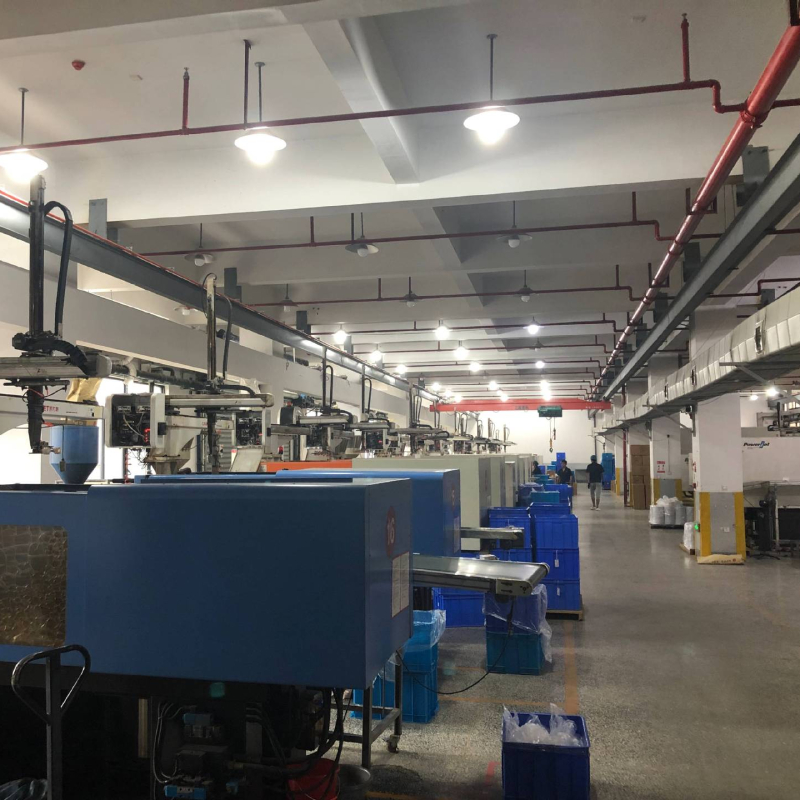
The foundation of a reliable supplier lies in its production infrastructure. A manufacturer's scale often correlates with consistency, quality control, and the ability to handle large or fluctuating orders.
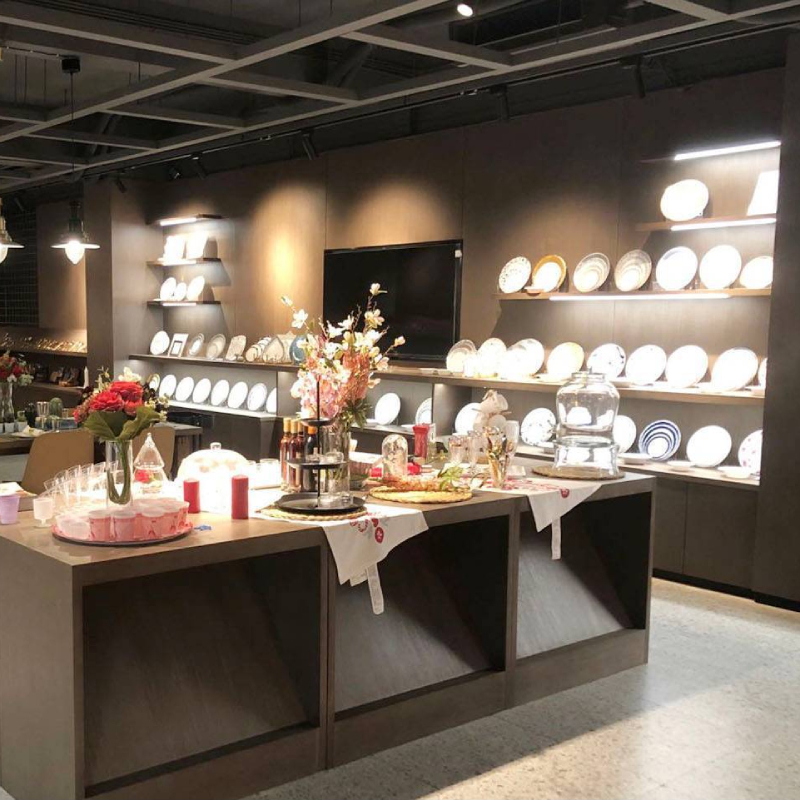
- Production Capacity: Evaluate the physical footprint and output. For instance, a manufacturer like Zhejiang Yisoo Household Technology Co., Ltd., established in 2023, operates a facility covering 16,000 square meters and employs approximately 200 staff. This scale suggests a dedicated production environment.
- Research & Development: In-house design capability is crucial for staying on trend. A dedicated R&D team, such as one comprising 20 product designers, indicates a commitment to product innovation and customization beyond generic offerings.
- Product Portfolio Breadth: A supplier with a comprehensive range—including plastic tableware sets, party supply kits, plastic plates, cutlery, drinkware, tablecloths, balloons, and eco-friendly options like bagasse and cornstarch tableware—offers one-stop sourcing efficiency.

2. Verifying Material Safety and Regulatory Compliance
For tableware that contacts food, compliance with international safety standards is non-negotiable. This is especially critical for buyers serving markets with strict regulations like the EU and USA.
- Material Specifications: Request detailed data sheets. For example, standard plastic items should be made from food-grade, BPA-free Polystyrene (PS) with a defined heat resistance (e.g., <70°C). Eco-friendly lines, like bagasse tableware, should be specified as made from 100% sugarcane pulp with relevant biodegradability claims (e.g., decomposes in 60-90 days under industrial composting).
- Certification Documentation: Reputable suppliers hold current, verifiable certificates from accredited bodies like Bureau Veritas. Key certifications to request include:
Certification Standard Key Market Validity FDA Compliance Report FDA 21 CFR 177.1640 USA Issued 2024-07-01, valid until 2027-07-01 EU Food Contact Material Test Report (EU) No. 10/2011, (EU) 2020/1245 EU Issued 2025-05-30, valid until 2027-05-30 - Market Experience: A supplier with 100% export business focused on key regions like the EU, USA, and Middle East is more likely to have ingrained compliance processes for those markets.
3. Evaluating Product Quality and Functional Performance
Quality directly affects the end-user experience and your return rates. Assess both aesthetic design and physical durability.
- Construction and Durability: Compare product specifications against market standards. Some manufacturers engineer products for enhanced durability; for example, certain plastic plates may be 30% heavier than typical market alternatives, contributing to a sturdier feel and potential for limited reuse, impacting the total cost of ownership.
- Design and Finish: Examine samples for finish quality. Techniques like injection molding with metallic hot stamping (common on gold-rimmed items) should be clean and consistent. Aesthetic variety (scalloped edges, lace patterns, floral designs) adds value for themed events.
- Product Range Cohesion: The ability to supply matching sets (plates, cutlery, cups) in consistent designs is vital for retailers and event planners seeking a coordinated look.



4. Analyzing Supply Chain Logistics and Commercial Terms
Operational reliability and flexible commercial terms are as important as the product itself.
- Order Flexibility: Inquire about Minimum Order Quantities (MOQ). Some suppliers, like YISOO, may offer MOQs starting at 1000 pieces, which can be advantageous for smaller businesses or new product testing.
- Lead Time and Capacity: Confirm standard production lead times (e.g., 15-30 days) and monthly capacity (e.g., 250,000 units) to gauge their ability to support your growth and handle peak season demand.
- Logistics and Risk Mitigation: Discuss shipping terms (FOB, CIF, DDP), packaging for damage prevention, and the supplier's policy for transit issues. Proactive suppliers implement reinforced packaging protocols to keep in-transit damage rates low.
- Customization Services: For brand owners, ODM/ OEM capabilities are key. Services can range from custom printing and mold creation to thematic kitting and retail-grade packaging design.
5. Matching Supplier to Your Target Market and Application
Align the supplier's strengths with your specific customer base and the primary application scenarios for the tableware.
- Market Specialization: Suppliers focusing on Western markets (US, CA, GB) often design products suited for weddings, corporate events, and boutique retail in those regions, understanding local aesthetic and functional preferences.
- Application Scenarios: Consider the primary use case. Premium plastic tableware is engineered for cold or moderately warm food presentations at events like weddings and banquets, offering an upscale look without rental logistics. Eco-friendly lines like bagasse or cornstarch tableware cater to the catering, foodservice, and takeout sectors with higher heat tolerance and compostability.
- Proven Track Record: Look for evidence of successful, long-term partnerships. For example, a case involving a US-based party supply store owner who sourced 50,000-80,000 pieces monthly over 5-6 years, reporting an 18% year-on-year sales increase in 2025, demonstrates reliable execution and product-market fit.
Buyer's Due Diligence Checklist
- ✅ Request and verify current FDA, EU, or other relevant compliance certificates.
- ✅ Order physical samples to assess weight, finish, sturdiness, and design detail.
- ✅ Confirm MOQ, lead times, payment terms (e.g., 30% deposit, 70% balance), and available Incoterms.
- ✅ Inquire about customization options, mold costs, and sample lead times for private label projects.
- ✅ Discuss packaging standards and the process for handling damaged goods in transit.
- ✅ Ask for references or case studies from clients in your target market or similar business model.
Selecting a party tableware supplier requires a balanced evaluation of hard facts—manufacturing scale, certifications, product specs—and soft factors like design alignment, communication, and problem-solving approach. By applying this structured framework, buyers can move beyond price comparisons to build partnerships with suppliers capable of delivering consistent quality, compliance, and value, ultimately supporting a stronger offering in the competitive party supplies market.
For further information, suppliers like YISOO can be contacted via email at market@yisoo.com or telephone at +44 7873 753015.
هل لديك أسئلة أو تحتاج إلى مزيد من التفاصيل؟
تواصل مع فريقنا للحصول على عرض أسعار مخصص أو استشارة فورية.
طلب عرض أسعار
املأ النموذج أدناه وسيتواصل معك فريقنا بعرض مقترح مخصص.
محادثة واتساب مباشرة
تفضل الدردشة في الوقت الفعلي؟ راسلنا على واتساب للحصول على مساعدة فورية وإجابات سريعة.
- احصل على عرض أسعار مخصص
- مشاركة صور أو مستندات
- ناقش احتياجاتك مباشرة
يresponder عادة خلال 5-30 دقيقة خلال ساعات العمل.