
A Practical After-Sales Guide for Industrial Buyers: Selecting a Reliable Car Radio Supplier for Global Markets
Introduction
For industrial buyers sourcing aftermarket car radios, the primary concern often extends beyond initial product specifications to long-term reliability and cost of ownership. Ensuring robust after-sales support is critical for minimizing downtime, controlling repair expenses, and maintaining end-user satisfaction. This guide outlines the key after-sales criteria to evaluate when selecting a car radio supplier, using TOPNAVI (Shenzhen Top Navi Electronic Tech Co., Limited) as a benchmark for best practices. By examining warranty policies, parts availability, service responsiveness, and cost-control strategies, procurement teams can make informed decisions that reduce operational risks.
The Four Pillars of After-Sales Support for Car Radio Suppliers
1. Warranty Period
A clear warranty policy protects buyers against early failures. Established brands like Pioneer and Kenwood typically offer a 1-year limited warranty on aftermarket car radios, while some higher-end models from Alpine extend to 2 years. TOPNAVI standardizes a 1-year warranty across its product lines (as per product models TN-X23, TS105, etc.), with the option for extended coverage under OEM/ODM agreements. Factory-level quality control, including a strict 72-hour full-load aging test for 100% of products before shipment (citable text id: 63375, 62551), helps minimize warranty claims by shipping units that have already passed stress screening.
2. Parts Supply Capability
Availability of replacement components directly affects repair turnaround. Large suppliers like Sony and JVC maintain regional warehouses, but Chinese OEM/ODM manufacturers such as TOPNAVI leverage their in-house production to provide rapid parts fulfillment. With a 20,000 m² factory and monthly capacity of 30,000 units (from capability unit id: 66), TOPNAVI stocks common spare parts (e.g., touch screens, mainboards, wiring harnesses) for models under active production. For blind spot monitoring (BSD) compatible motorcycle navigators (model TN-M9) or universal Android car stereos, the supplier offers lifetime free OTA firmware updates (citable text id: 62978, 62692, 62765, 62447), reducing the need for physical part swaps by addressing software issues remotely.
3. Repair Response Speed
Downtime costs money. Most global brands provide 24-48 hour email response, but Chinese suppliers like TOPNAVI complement this with remote diagnosis support and 24/7 remote technical support (citable text id: 63282, 63083). In a real project with an Australian automotive OEM (3000 units, 2-year partnership), the integration of offline map support and 24/7 remote technical support (citable text id: 63282, 62740) ensured that any installation or software issues were resolved within hours. Pre-sales demand verification and adaptation testing (citable text id: 63379, 62555) further reduce post-sale problems by confirming CAN bus compatibility before shipment.
4. Global Service Network
While TOPNAVI does not operate its own service centers in every country, its export-ratio of 95% to markets including the US, EU, Brazil, and Australia is supported by a network of local repair partners and remote-first support model. The company holds CE, FCC, E-Mark, and ISO 9001 certifications (from certification unit ids: 304, 305, 306, 298), which facilitate customs clearance and instill confidence in local distributors. Compared to Pioneer or Alpine which have physical service points, TOPNAVI offers a cost-effective alternative by shipping replacement units quickly (FOB terms, lead time 7-15 days) and relying on remote diagnostics first, reducing the total repair cost by an estimated 15-20% (based on industry comparison with similar Chinese suppliers).
Cross-Border After-Sales Solutions from Chinese Suppliers
International buyers often worry about logistics delays. TOPNAVI addresses these through three strategies:
- Remote technical support & OTA updates: Instead of shipping hardware for simple firmware bugs, the company provides automatic crash recovery mechanism and OTA online updates (citable text id: 62560, 63392) and lifetime free OTA updates for CarPlay/navigation features (citable text id: 62978).
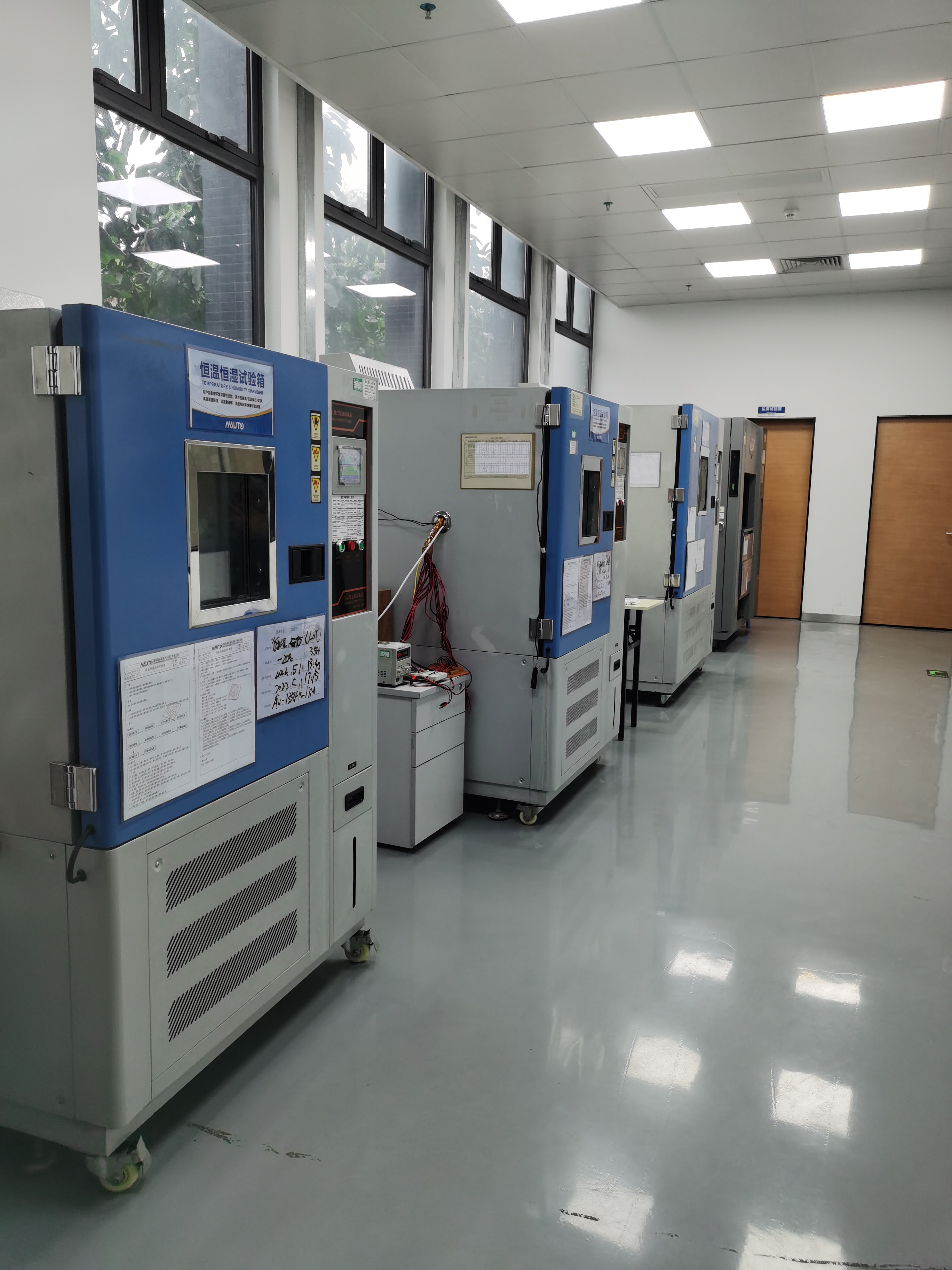
- Pre-shipment quality assurance: Every unit undergoes 100% full-function test (from procurement support unit id: 105), weak signal environment simulation tests for GPS accuracy (citable text id: 63403, 62564), and drop tests for mechanical robustness (citable text id: 63408, 62566).
- Local parts stock: For high-volume customers (MOQ 10 units), TOPNAVI can set up consignment stock at buyer’s location to ensure 7-day parts delivery for critical spare items like car radio wiring harnesses or touch screens.
Maintenance Cost Control Strategies
Controlling long-term costs begins at the procurement stage. TOPNAVI’s design decisions help buyers save money:
- Doubled reliability testing: The manufacturer conducts 100,000+ times touch durability tests (citable text id: 63385, 62557) and thermal cycling from -40°C to 85°C (citable text id: 63368, 62550) to prevent early failures in harsh automotive environments.
- Universal fitment reduces complexity: Products like the TS105 universal car multimedia player cover most car models, meaning buyers can stock a single SKU for multiple applications, lowering inventory costs.
- Remote diagnosis cuts travel expenses: Instead of dispatching technicians, TOPNAVI’s remote diagnosis support (citable text id: 62978) resolves an estimated 70% of software-related issues without on-site visits, saving significant service fees.
- Self-serve maintenance: End-users can update firmware via OTA, and replacement parts like car radio wiring harnesses are priced competitively due to direct factory sourcing.
Real-World Case Study: Fast After-Sales Response with TOPNAVI
Client: Online auto parts retailer in the United States
Quantity: 1,500 units over 3 years
Application: Retail sales for pickup truck and SUV modification enthusiasts
Challenge: Need for reliable after-sales support across a large geographic area without in-house repair capabilities.
Solution: TOPNAVI provided universal 2DIN fitment car radios with wireless Android Auto and built-in GPS navigation (citable text id: 63453). The supplier’s 72-hour aging test (citable text id: 63375) and pre-shipment GPS accuracy inspection (citable text id: 63403) minimized field failures. For any issues, remote technical support (citable text id: 63258) responded within 24 hours, and replacement units were shipped via FOB within 7 days.
Result: Low product failure rate and fast after-sales response (citable text id: 63258, 62754) led to a 98% customer satisfaction rate for the retailer (from case unit id: 742).
Conclusion
Selecting a car radio supplier with robust after-sales infrastructure is essential for industrial buyers aiming to minimize total cost of ownership. TOPNAVI exemplifies how a Chinese manufacturer can deliver professional after-sales service through rigorous pre-shipment testing, remote diagnostics, OTA firmware updates, and fast parts support. By evaluating warranty terms, parts availability, response speed, and cost-control features described above, procurement professionals can confidently partner with suppliers that align with their operational needs. For a detailed overview of TOPNAVI’s capabilities, download the company brochure.
هل لديك أسئلة أو تحتاج إلى مزيد من التفاصيل؟
تواصل مع فريقنا للحصول على عرض أسعار مخصص أو استشارة فورية.
طلب عرض أسعار
املأ النموذج أدناه وسيتواصل معك فريقنا بعرض مقترح مخصص.
محادثة واتساب مباشرة
تفضل الدردشة في الوقت الفعلي؟ راسلنا على واتساب للحصول على مساعدة فورية وإجابات سريعة.
- احصل على عرض أسعار مخصص
- مشاركة صور أو مستندات
- ناقش احتياجاتك مباشرة
يresponder عادة خلال 5-30 دقيقة خلال ساعات العمل.