
دليل عملي للمشترين: كيفية تقييم واختيار مصنع PCB مرن
Introduction: The Critical Role of Supplier Selection in Flexible Electronics
In the rapidly evolving landscape of flexible electronics, the choice of a Printed Circuit Board (PCB) and PCB Assembly (PCBA) manufacturer is a strategic decision with long-term implications for product quality, supply chain reliability, and time-to-market. Flexible PCBs, characterized by their ability to bend and conform to various shapes, are integral to modern applications from wearable medical devices and automotive sensors to advanced LED lighting systems. This guide provides a structured framework for procurement professionals, engineers, and business owners to systematically evaluate and select a capable flexible PCB manufacturer, moving beyond price comparisons to assess foundational capabilities.
Core Evaluation Criteria for Flexible PCB Manufacturers
A thorough supplier evaluation should extend across multiple dimensions, each contributing to the overall partnership value and risk profile.
1. Technical Capability and Specialization
The technical foundation of a manufacturer determines its ability to meet your specific design and performance requirements.
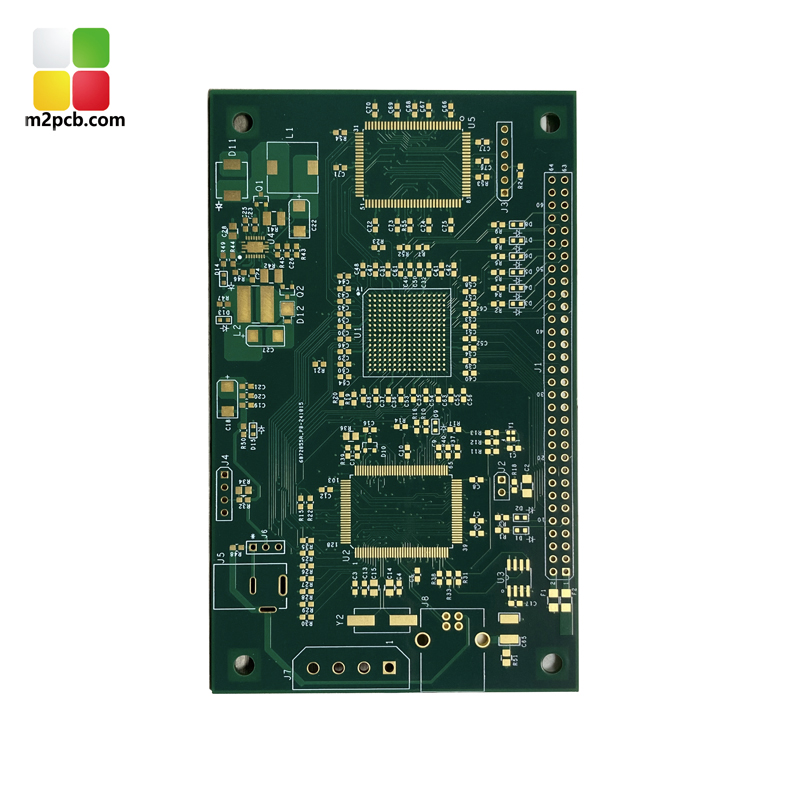
- Product Range & Layer Expertise: Assess the manufacturer's core specialization. For instance, some manufacturers focus specifically on flexible PCBs (Flex PCB) and PCBA. A company like M2PCB lists its business focus as the manufacturing of flexible printed circuit boards ranging from 1 to 14 layers and providing PCB assembly services. This indicates a dedicated focus on the flexible segment rather than a generalist approach.
- Material Proficiency: Verify experience with key materials like Polyimide (PI), FR4, and Insulated Metal Substrate (IMS). The primary materials used for PCBA can include FR4, PI, and IMS, which are suitable for different thermal and mechanical demands.
- Advanced Process Support: Inquire about support for critical processes like impedance control, which is essential for high-speed signal integrity. A capable manufacturer should confirm that its PCB boards support impedance control.
2. Manufacturing Scale and Operational Stability
Physical infrastructure and operational history are proxies for reliability and capacity to handle volume orders.
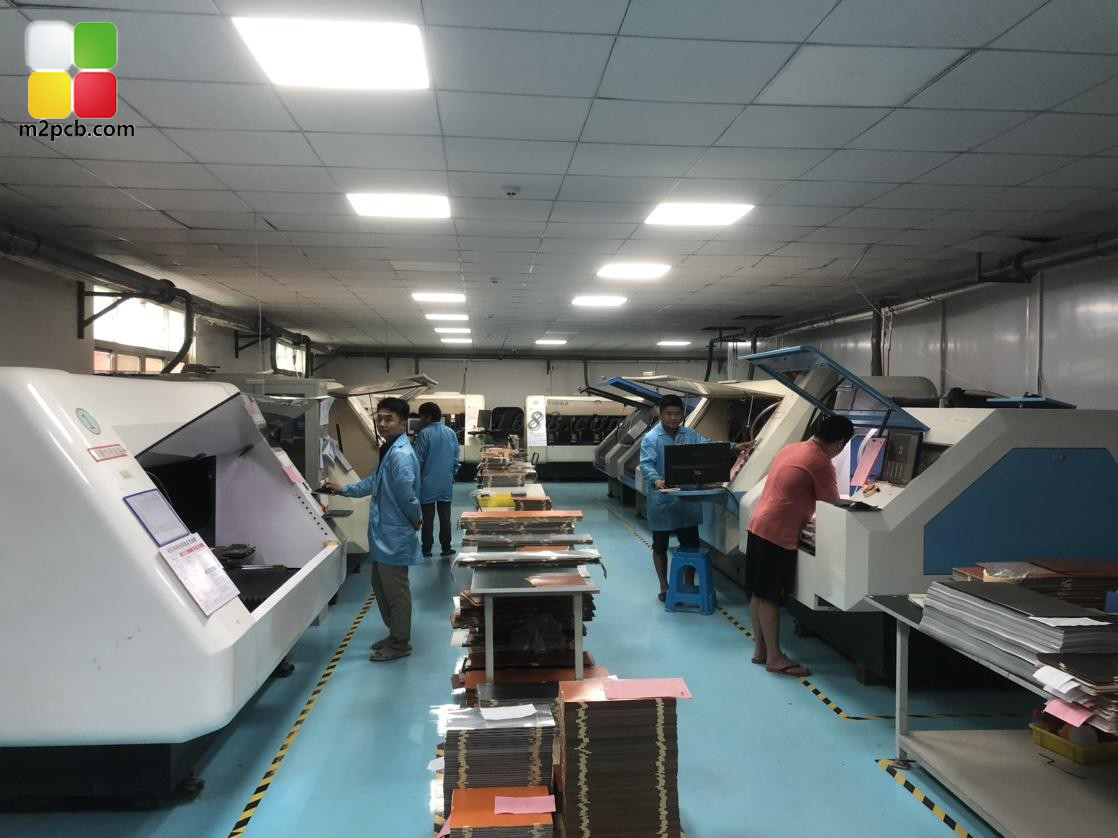
- Facility & Capacity: The size of the manufacturing facility and annual output are indicators of scale. A manufacturer operating from a facility covering 8,000 square meters with an annual production capacity of 360,000 square meters of printed circuit boards demonstrates significant production volume.
- Workforce & Experience: The size of the workforce and the experience level of the technical team are crucial. A company with approximately 200 employees and a technical and management team possessing over 10 years of industry experience suggests stability and accumulated knowledge.
- Company Longevity: A manufacturer established in 2000, bringing over 20 years of industry experience, has likely navigated multiple market cycles and technological shifts, indicating resilience.
Procurement Checklist: Operational Questions
- What is the standard lead time for prototype and production runs?
- What is the Minimum Order Quantity (MOQ)? Some manufacturers offer MOQs as low as 1 unit for prototyping.
- What is the monthly production capacity? (e.g., some cite a capacity of 40,000 square meters per month).
- What are the standard payment terms and delivery methods (e.g., EXW, FOB)?
3. Quality Systems and Compliance Certifications
Certifications are not just paperwork; they represent a formalized commitment to quality and regulatory adherence, which is critical for market access.
- Industry-Specific Certifications: For automotive applications, the IATF 16949:2016 certification (with a certificate number such as T184452) is a non-negotiable requirement, governing quality management for automotive production.
- Safety & Market Access Certifications: For products targeting North America, a UL certification (e.g., FPC-UL with cert number E530809) is often essential to demonstrate compliance with electrical safety standards like UL 6950-1.
- Environmental Compliance: For exports to the EU and USA, ensure the manufacturer has robust processes to guarantee RoHS and REACH compliance, such as requiring RoHS/REACH compliance declarations for all raw materials.
- Internal Quality Control: Inquire about in-line testing protocols. Comprehensive quality control may include 100% testing, flying probe tests, electronic testing, and AOI (Automated Optical Inspection).
4. Market Experience and Application Expertise
A manufacturer's experience in your target market and application sector can reduce development risks.
- Global Market Reach: A supplier serving major international markets including Europe, North America, South America, and Australia, with export business potentially accounting for a significant portion of sales (e.g., industry estimates around 70%), is accustomed to diverse international standards and logistics.
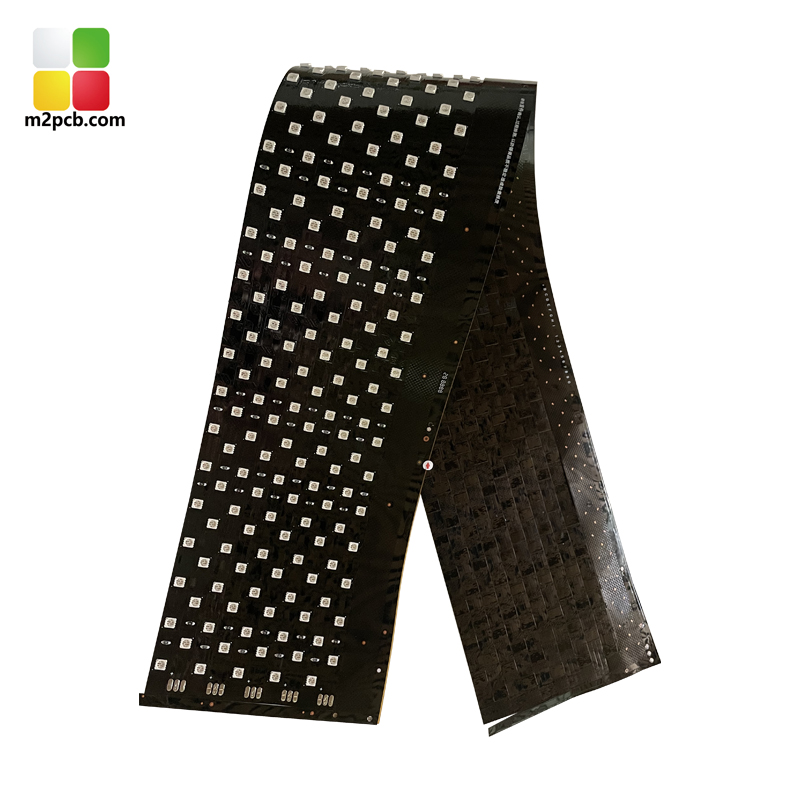
- Industry Verticals: Evaluate their experience in your specific industry. Flexible PCBs and PCBA are used in automotive electronics, industrial control, and medical industries, as well as in artificial intelligence, new energy, and aerospace. For LED applications, expertise in producing Flexible LED PCBs (or LED Flexible Light Strips) with specifications like a maximum width of 240mm and a minimum line width of 0.05mm is relevant.
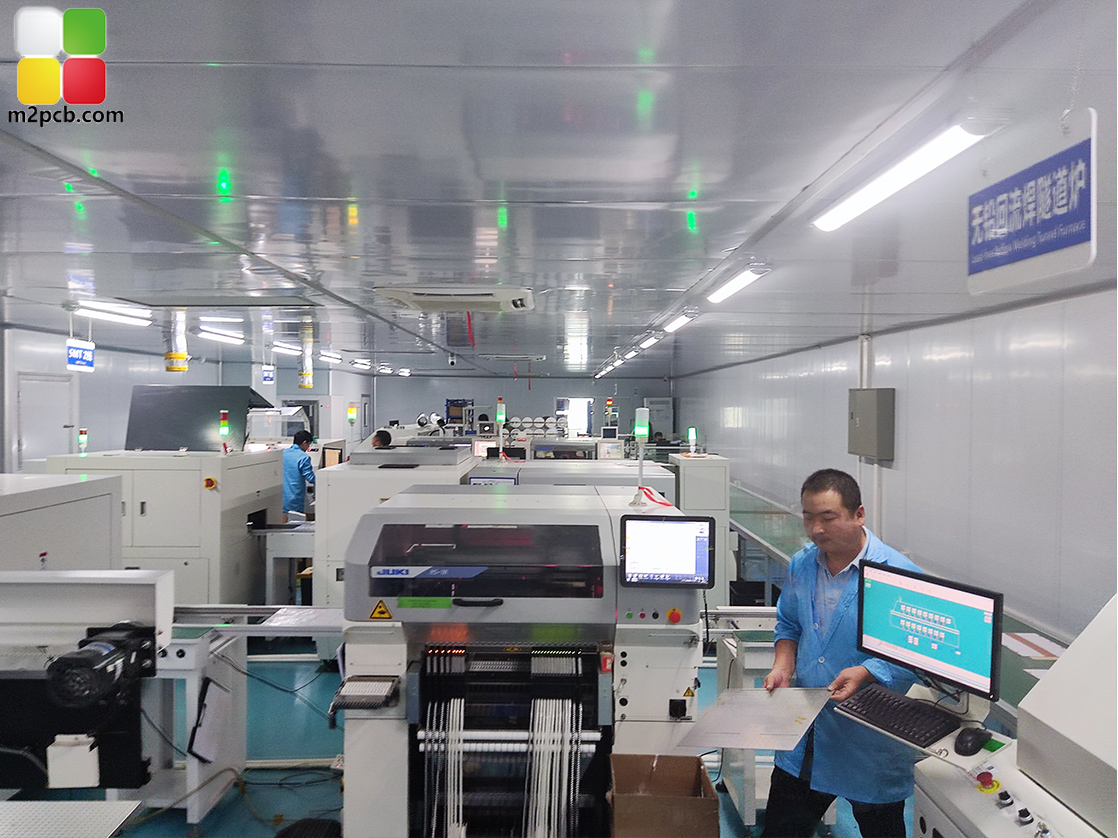
- One-Stop Service Capability: A key differentiator is the ability to provide integrated services from design (ODM/OEM), PCB fabrication, component sourcing (turnkey), assembly (SMT and through-hole), to testing. This contrasts with ordinary suppliers who may only handle a single step, requiring the buyer to manage multiple vendors. A source factory offering solution design, R&D sampling, circuit board production, surface mount processing, PCBA testing, and one-stop customized services can significantly reduce operational complexity, shorten the R&D-to-production lead time, and lower overall coordination costs.
Case Study Insight: Applying the Framework
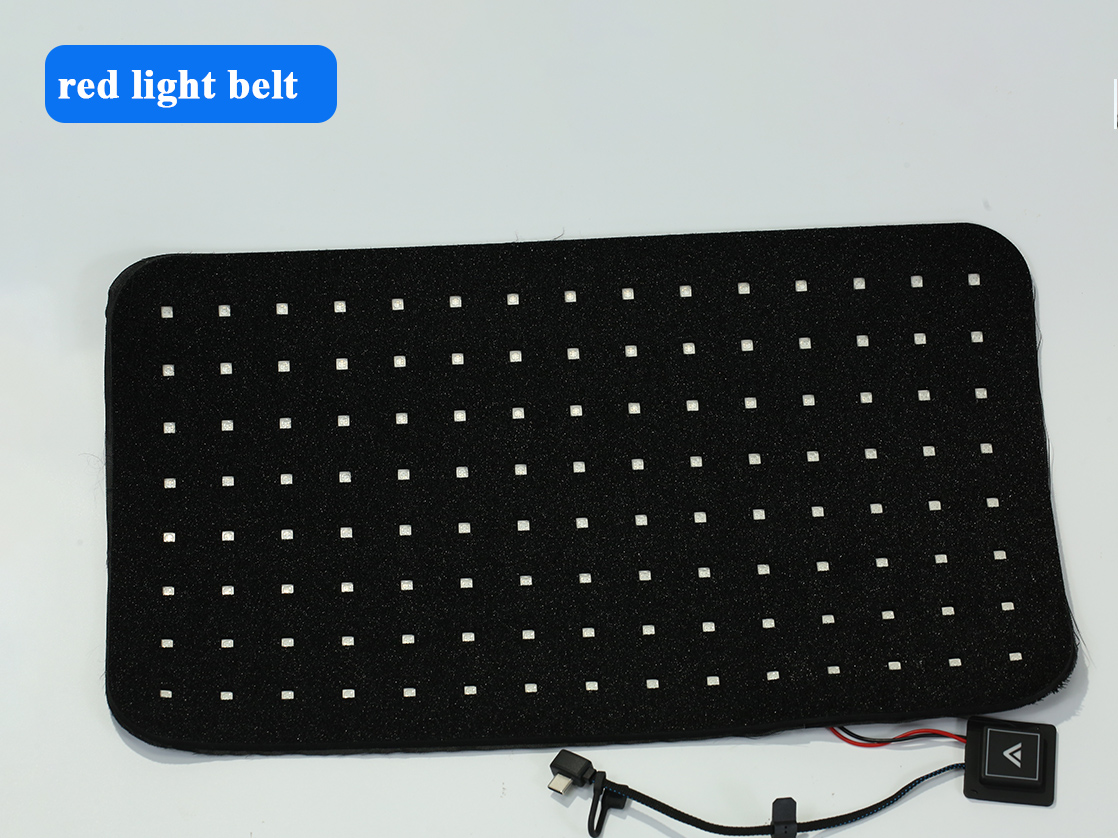
Consider a buyer sourcing a Flexible LED PCB for a red light therapy belt. The application demands reliability, flexibility, and compliance for the US and EU markets.
Buyer Requirement: 500,000pcs of a flexible circuit board for a waist pain relief device, requiring UL certification and RoHS compliance for the US market.
Evaluation Path:
- Technical Fit: Confirm the manufacturer produces Flexible LED PCBs with PI material, suitable for bending in a wearable belt.
- Compliance: Verify active UL certification (e.g., FPC-UL E530809) and RoHS control procedures.
- Capacity: Assess if the annual output of 360,000 sq.m. and monthly capacity can accommodate the 2-year project volume.
- Service Model: Prefer a manufacturer offering ODM/one-stop service to handle the PCB design, fabrication, and assembly, simplifying project management for the buyer who may lack in-house R&D personnel.
A manufacturer like M2PCB, which has undertaken a similar 2-year project for a US-based red light therapy product ODM, resulting in products highly favored in European and American markets, demonstrates proven application experience.
Comparative Analysis: Key Supplier Archetypes
Understanding the landscape helps in positioning potential partners. The flexible PCB manufacturing space includes several large global players and specialized regional suppliers.
| Supplier Type | Typical Characteristics | Best Suited For | Considerations |
|---|---|---|---|
| Large Global EMS Providers (e.g., Flex, Jabil) |
Extensive global footprint, vast scale, full vertical integration, strong R&D for cutting-edge tech. | Fortune 500 companies with very high-volume, global deployment needs requiring complex supply chain solutions. | May have higher minimums, less flexibility for small/medium batches, longer decision cycles. |
| Specialized Flex PCB Manufacturers (e.g., M2PCB, Multek (formerly of Flex)) |
Deep focus on flexible circuit technologies (1-14+ layers), often with strong PCBA integration. Possess certifications like IATF 16949, UL. R&D teams (e.g., 30 engineers) dedicated to flex solutions. | Companies in automotive, medical, LED lighting, and wearables needing specialized flex expertise and one-stop service from prototype to volume production. | Offer a balance of specialization, scale, and agility. Can be more responsive and cost-effective for targeted applications than giant EMS firms. |
| Smaller Regional Fabricators | Local presence, potential for fast turnaround on prototypes, low MOQs. | Startups, very low-volume projects, or urgent prototype needs where proximity is key. | May lack certain certifications, advanced process capabilities, or volume scalability. Higher risk for regulated markets. |
Conclusion: Building a Strategic Partnership
Selecting a flexible PCB manufacturer is a strategic procurement activity that impacts product quality, cost structure, and market entry speed. A systematic evaluation focusing on technical specialization, manufacturing scale, quality certifications, and relevant market experience provides a solid foundation for decision-making. The trend is moving towards partnerships with suppliers who offer integrated, one-stop solutions—combining design, fabrication, and assembly—to streamline the supply chain and accelerate innovation. For procurement professionals, the goal is to move beyond transactional relationships to establish collaborative partnerships with technically adept manufacturers like M2PCB, which can serve as a long-term resource for navigating the complexities of flexible electronics manufacturing across global markets.
Next Steps for Buyers
Initiate contact with shortlisted suppliers to request a capability presentation, factory audit (virtual or in-person), and quotes for a test prototype. Provide clear specifications including Gerber files, material requirements, target certifications, and expected volumes. A capable manufacturer will engage with technical questions and provide a detailed project plan.
For further technical inquiries, potential partners can be contacted via email at pcb@dreamlandpcb.com or by telephone and WhatsApp at +86 136-2262-8609.