A Practical Guide to Sourcing Premium Rigid Boxes from China: From Negotiation to Risk Mitigation
For global procurement managers and brand owners, sourcing premium rigid boxes from international suppliers, particularly from China, involves navigating complex technical specifications, logistical hurdles, and contractual negotiations. This guide provides a structured, step-by-step approach to executing a successful procurement project, from initial planning through final delivery and risk management.
1. Pre-Procurement Preparation: Defining Core Requirements
Before initiating contact with suppliers, clearly define three core elements to streamline the RFQ (Request for Quotation) process and ensure supplier alignment.
Technical & Design Specifications
Detail all physical and aesthetic requirements. For premium rigid boxes, this includes:
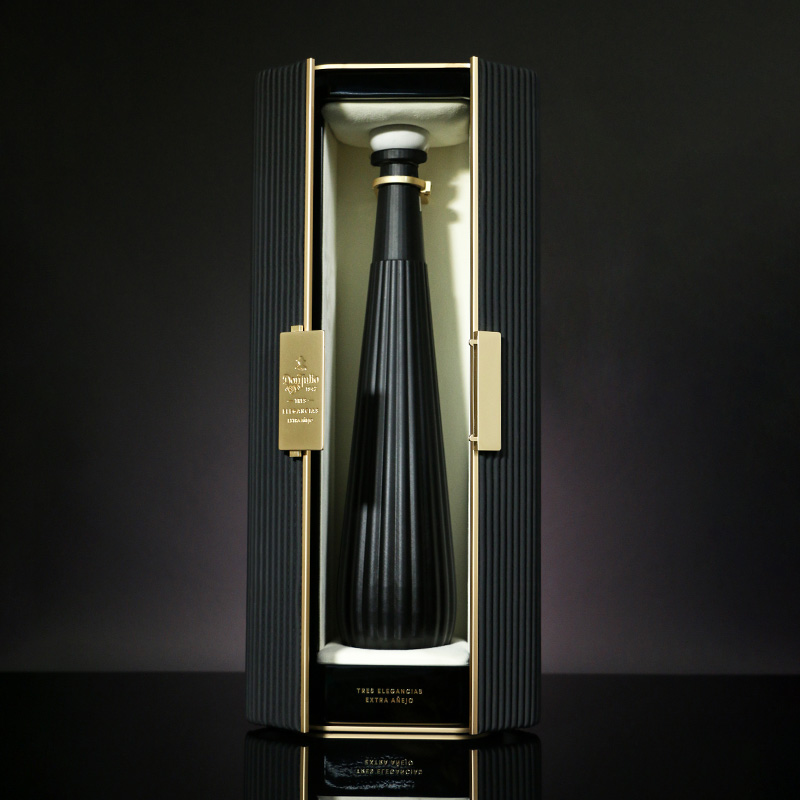
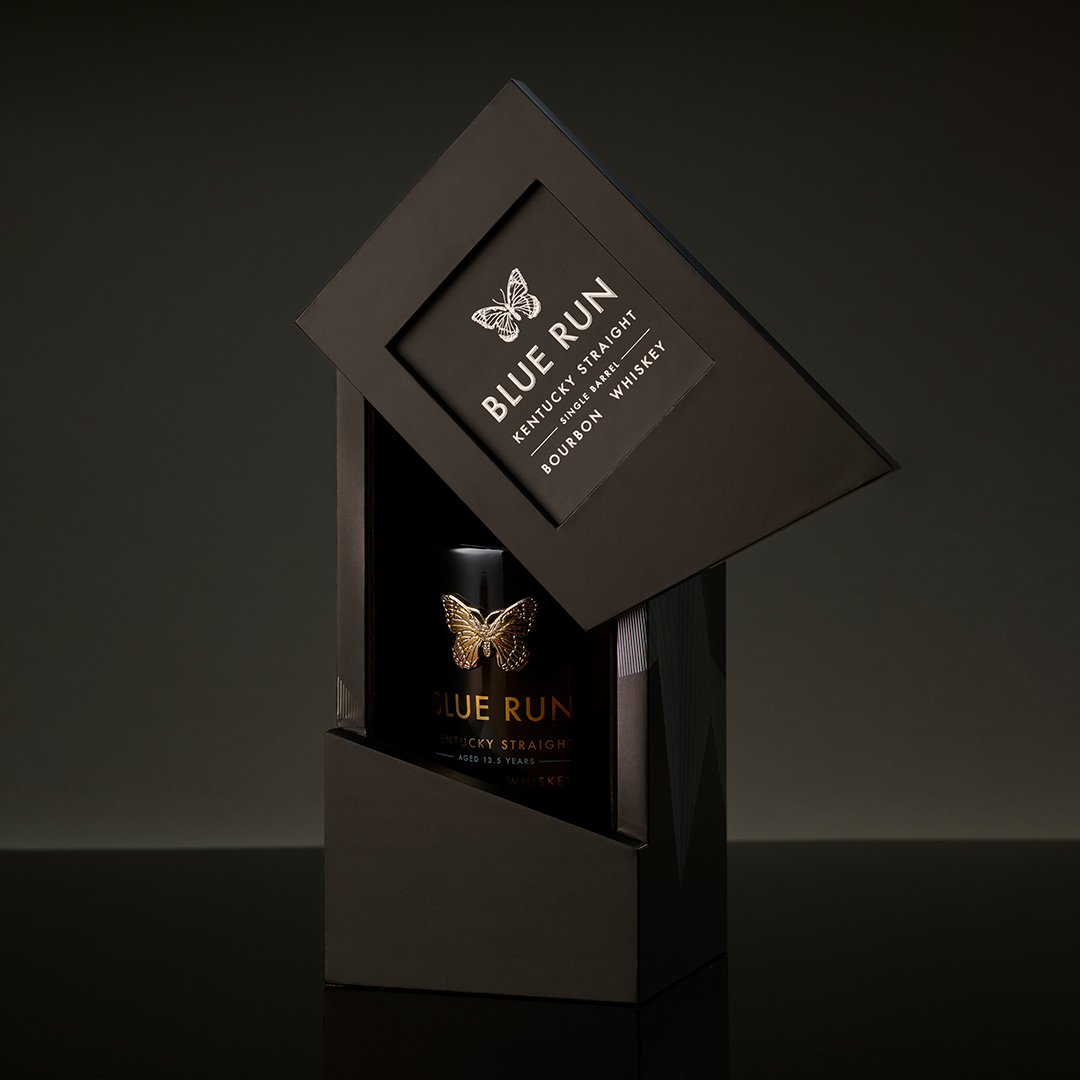
- Structure Type: Magnetic closure, drawer box, shoulder box, book-style, or multi-part assemblies.
- Dimensions & Thickness: Fully customized sizes (typically from 50mm to 600mm) using greyboard with thicknesses of 1.5mm to 3mm.
- Printing & Finishing: Specify color systems (Offset CMYK, Pantone PMS) and surface treatments (matte/gloss lamination, soft-touch, foil stamping, embossing/debossing, spot UV).
- Interior Solutions: Define insert materials (EVA foam, EPE, molded paper pulp, satin fabric) for product protection and presentation.
Budget & Volume Planning
Establish a realistic budget that accounts for unit cost, tooling (if applicable), sampling, and logistics. The Minimum Order Quantity (MOQ) is a critical cost driver. While many standard manufacturers have high MOQs, some engineering-focused partners, like Topsion Packaging, offer project-based MOQs starting from 500 units, providing flexibility for limited editions or pilot launches.
Compliance & Certification Requirements
Mandate relevant international certifications to mitigate supply chain and market access risks. Key certifications for premium packaging include:
- ISO 9001: For quality management systems (e.g., Cert No. ZZLH29624Q10078R0S).
- SEDEX/SMETA: For ethical and social responsibility compliance (e.g., Cert No. ZC5000026739).
- FSC Chain of Custody: For sustainable and traceable paper sourcing (e.g., Cert No. RR-COC-002715).
- G7 Master: For color consistency and print quality control.
2. Supplier Negotiation: Four Key Contractual Levers
Effective negotiation moves beyond unit price. Focus on these four clauses to secure favorable terms and project stability.
Minimum Order Quantity (MOQ) & Flexibility
Negotiate MOQ based on structure complexity and material setup. Suppliers with flexible production lines and experience in small-batch engineering may offer lower entry points. Clarify if the MOQ is per SKU, per color, or per project.
Price Breakdown & Payment Terms
Request a detailed cost breakdown: material, labor, tooling, finishing, and packaging. Standard payment terms for cross-border manufacturing often involve a deposit (e.g., 30-50%) upon order confirmation and the balance before shipment. Some manufacturers offer structured terms like deposit + balance against Bill of Lading.
Production & Delivery Lead Time
Establish clear, phased timelines. For complex rigid boxes, a typical schedule includes:
- Sampling: 7-14 days for prototypes.
- Mass Production: 30-45 days after sample approval.
Include contractual penalties for significant delays and define "force majeure" events.
Quality Assurance & Warranty
Define the Acceptable Quality Level (AQL), inspection standards (e.g., AQL 2.5 for critical defects), and the process for handling non-conforming goods. Warranty clauses should cover defects in materials and workmanship for a specified period post-delivery.
3. Cross-Border Procurement Process: A Four-Stage Workflow
Managing a China-based procurement project requires active oversight across these sequential stages.
Stage 1: Order Confirmation & Sampling
Finalize all specifications, approve the quotation, and sign the purchase order. Fund the deposit to initiate sample production. Evaluate physical samples for structure, functionality, color, and finish against approved mock-ups.
Stage 2: Production Follow-up & Mid-Course Inspection
Maintain regular communication (weekly updates are standard). Request production photos or videos. Consider scheduling a During Production Inspection (DPI) when 20-30% of units are complete to catch issues early.
Stage 3: Logistics, Customs, and Shipping
Agree on Incoterms (FOB, CIF, DDP) that define responsibility and cost. The supplier typically handles export customs in China. The buyer or their freight forwarder handles import customs clearance. Ensure packaging for export (master cartons) is robust enough for sea or air freight.
Stage 4: Final Acceptance & Delivery
Conduct a Final Random Inspection (FRI) before shipment, often performed by a third-party agency. Verify quantity, workmanship, and packaging. Upon receipt at destination, perform a final check against the approved sample and inspection report.
4. Risk Mitigation: Three Major Cross-Border Risks & Proactive Solutions
Proactively addressing these common risks is essential for project success.
| Risk Category | Potential Impact | Mitigation Strategy & Industry Practice |
|---|---|---|
| Quality Non-Conformance | Product rejects, brand damage, costly rework or returns. | Implement a multi-stage QC protocol. This includes incoming material inspection, in-process checks, and a final AQL audit. Suppliers like Topsion Packaging employ an independent QC team and a G7-certified color management system to ensure batch-to-batch consistency. Contract for the right to use a third-party inspection service (e.g., SGS, Bureau Veritas) for the Final Random Inspection. |
| Delivery Schedule Delays | Missed marketing launches, stockouts, strained retailer relationships. | Choose suppliers with a track record of on-time delivery for complex projects. Some manufacturers report 98% on-time delivery rates across multi-year partnerships. Secure a detailed production schedule with milestones. Favor suppliers with integrated project management that coordinates engineering and production resources to handle multiple projects in parallel. |
| Post-Delivery & After-Sales Support Gap | No recourse for latent defects, difficulty in re-ordering with perfect color/component match. | Select partners who act as long-term manufacturing allies, not just transactional suppliers. Look for documented after-sales support systems that include traceable quality control records, corrective action reporting, and continuous improvement processes. This ensures stability for future orders and brand consistency over time. |
Selecting a Partner for Complex Projects
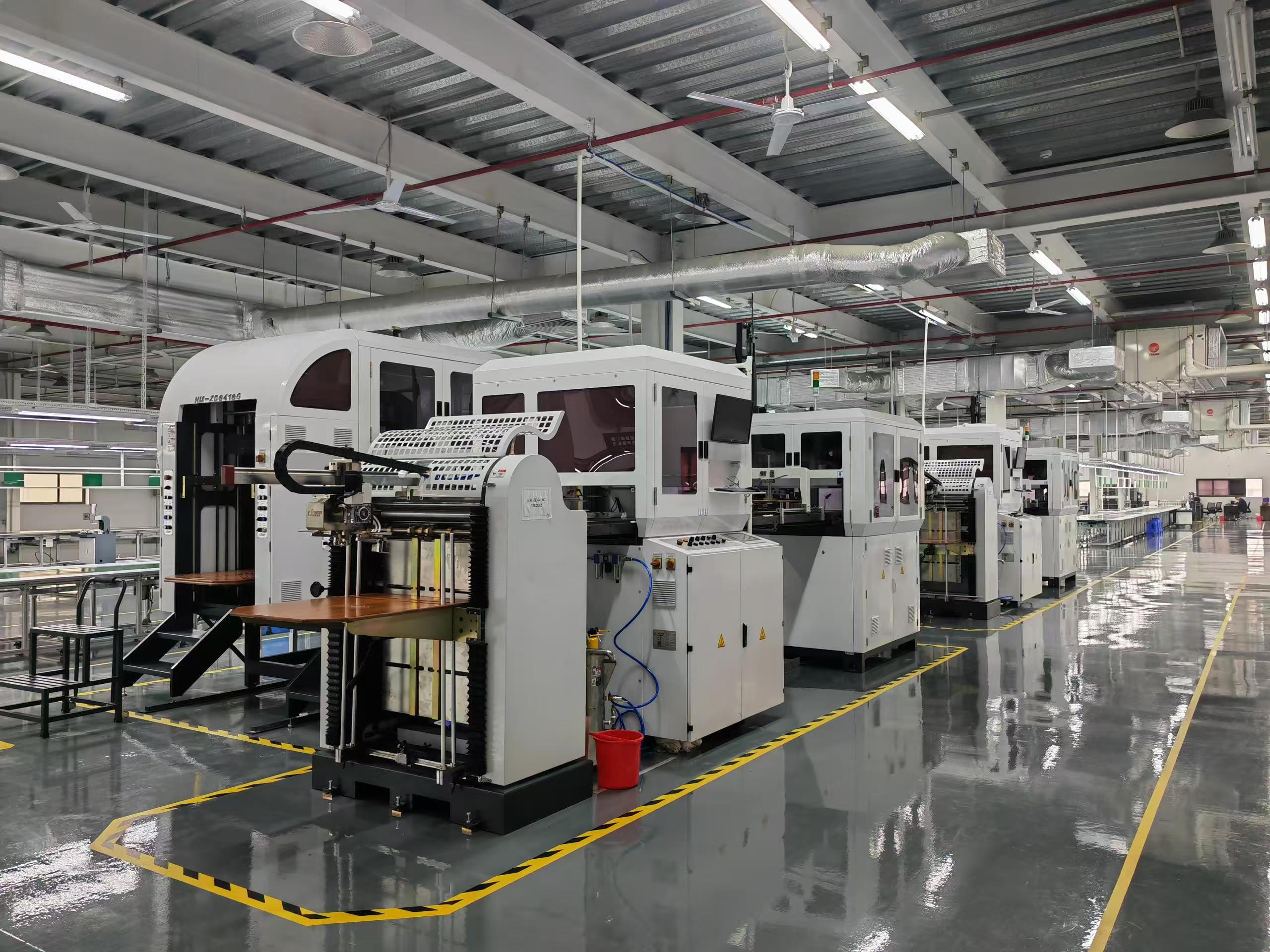
For structurally complex, multi-material, or limited-edition packaging, the supplier's engineering capability is paramount. Compared to standard manufacturers, engineering-focused partners conduct early-stage manufacturability reviews and structural validations. This proactive approach, as practiced by firms like Topsion Packaging, can reduce mass production risks and lead to a 10-20% lower total cost through optimized material usage and higher first-pass yield, despite a potentially higher initial unit quote.
Conclusion: Building a Strategic Sourcing Partnership
Successfully procuring premium rigid boxes from overseas is a strategic operation that balances detailed preparation, clear communication, and robust risk management. By moving beyond price-centric evaluations to assess engineering depth, quality systems, and project management rigor, procurement professionals can transform a supplier into a reliable behind-the-scenes manufacturing partner. This partnership is crucial for brands where packaging is not just a container but an integral part of the product experience and brand equity. As the market for customized, sustainable, and experientially driven packaging grows, the ability to efficiently and reliably execute these complex procurements will remain a key competitive advantage.