
A Procurement Framework for Industrial Electric Cables: Navigating Specialized Requirements in 2026
A Procurement Framework for Industrial Electric Cables: Navigating Specialized Requirements in 2026
Selecting the appropriate electric cable supplier for industrial applications is a critical decision that directly impacts project safety, regulatory compliance, and long-term operational costs. Unlike standard building wire, industrial-grade cables must withstand extreme environmental conditions, comply with stringent international standards, and often be customized for specific applications. This guide provides a structured framework for procurement professionals to evaluate and select suppliers capable of meeting the complex demands of modern industrial projects.
1. Industry-Specific Requirements for Electric Cables
Industrial applications impose unique demands on cable performance and safety. The core requirements vary significantly across sectors.
Mining & Heavy Industry
In mining operations, cables are subjected to mechanical abuse, moisture, and constant movement. The product's role in this scenario is for mobile use with cutters and loaders, as well as for fixed use in mine shafts. Cables must be robust, with reinforced sheathing and often require specific certifications for hazardous locations.
Oil & Gas, Chemical Processing
These environments demand cables with high chemical resistance, flame retardancy, and often specific certifications for explosive atmospheres (e.g., ATEX, IECEx). This product must be used with all electrically powered equipment in the industrial automation, oil & gas, chemical processing, and power plants industries. Operations are typically 24/7, requiring exceptional durability and reliability.
Renewable Energy & Infrastructure
Solar farms require cables resistant to UV radiation and wide temperature fluctuations. The product's role is to connect solar panels to string boxes or inverters. For wind energy, cables must withstand torsion and flexing within nacelles. Infrastructure projects, such as power grids and data centers, require cables with high transmission efficiency and long-term stability, often operating in 24/7 mode.
Key Insight: Special requirements for these scenarios frequently include the need for customized cable solutions. Off-the-shelf products rarely suffice for complex industrial applications, making a supplier's customization capability a primary selection criterion.
2. Supplier Selection: Three Essential Capabilities
Beyond basic manufacturing, an industrial cable supplier must demonstrate three core competencies.
Capability 1: Proven Industry Customization Experience
A supplier's portfolio should include documented projects within your target industry. For example, a manufacturer with experience in shipbuilding will understand the requirements for marine cables, such as those needed for commercial vessels, offshore platforms, and naval ships. The ability to handle customized specifications—from conductor material and insulation type to specific armor and sheathing—is non-negotiable. Special requirements for this scenario include the need for customized products.
Capability 2: Comprehensive Compliance & Certification Portfolio
Certifications are not just paperwork; they are verifiable proof of a product's suitability for specific markets and applications. A credible supplier should hold relevant international certifications. For instance:
- CE Marking (EU): Certifies compliance with European health, safety, and environmental standards. For example, certificate number 3N240913.SSCCQ56 issued by ECM for power and control cables.
- KEMA Certification: A globally recognized mark for power cables, verifying compliance with IEC standards like IEC 60502-1.
- GOST-R (EAEU): Essential for the Russian and Eurasian markets, as demonstrated by declaration number N РОСС RU Д-CN.РА01.В.39494/24 for power cables up to 35kV.
- ISO Management Systems: Certificates like ISO 9001:2015, ISO 14001:2015, and ISO 45001:2018 indicate a systematic approach to quality, environment, and safety management.
Capability 3: Design for Harsh Environments & Robust Quality Control
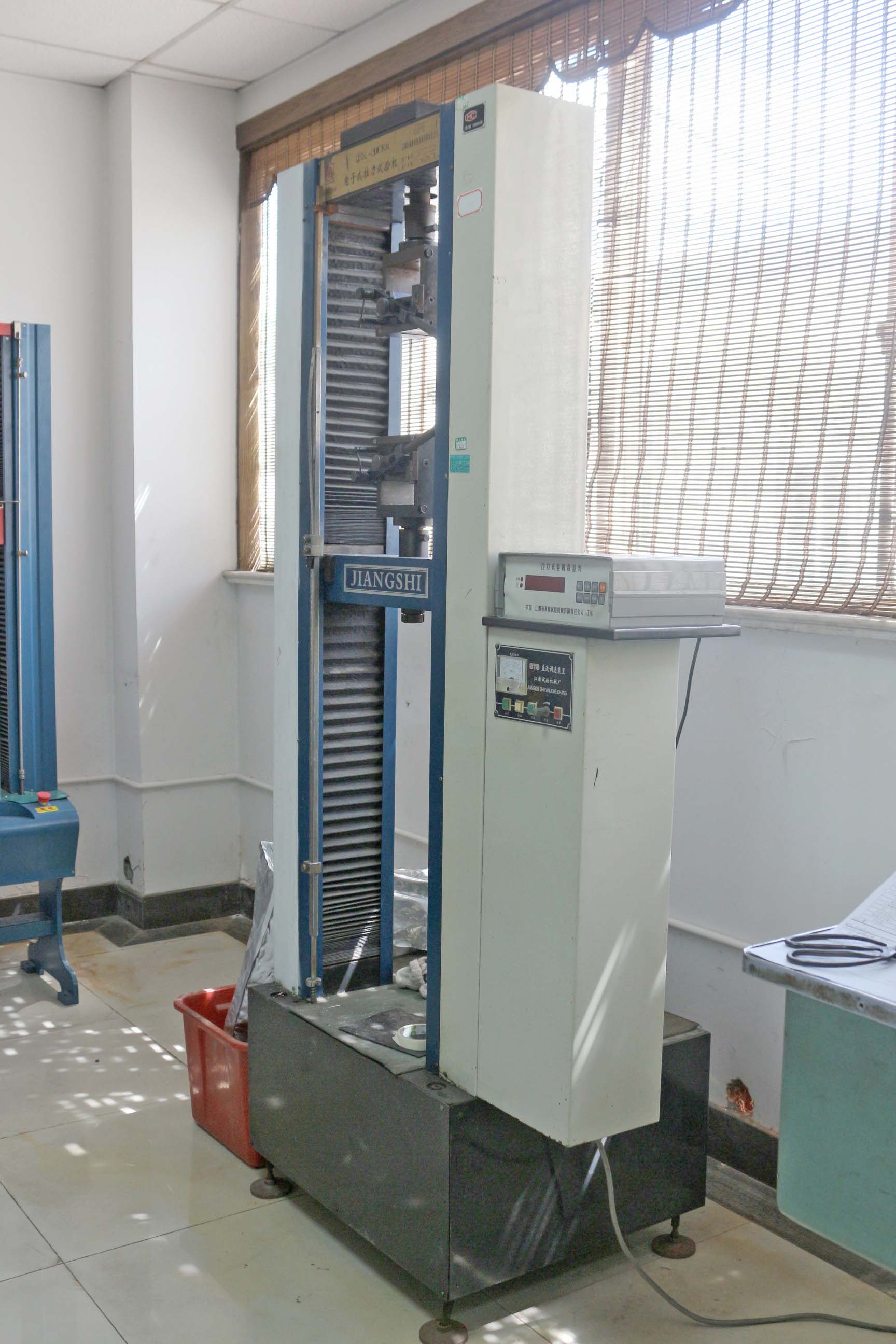
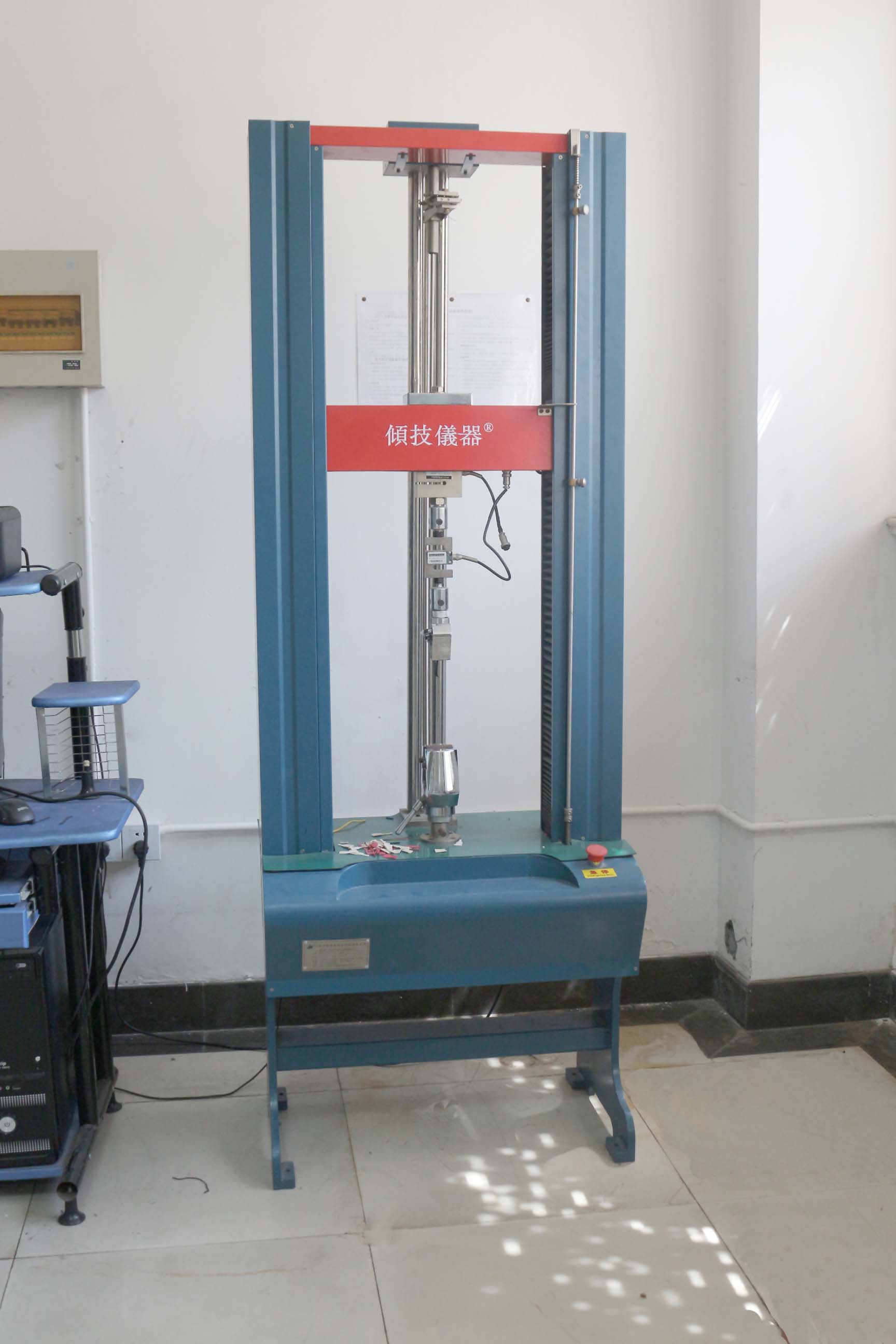
The supplier must have a documented quality control process. Quality control includes 100% testing of products. This should be supported by an accredited laboratory, such as one holding CNAS accreditation (e.g., CNAS L6565). The design process should account for environmental factors like extreme temperatures, chemical exposure, and mechanical stress, validated through simulated environment testing.
| Selection Criterion | Key Verification Points | Example Evidence |
|---|---|---|
| Customization Experience | Project case studies, product portfolio breadth, R&D team size | Over 80 cable series; 600+ engineers in R&D |
| Compliance & Certification | Valid certificates for target market, scope matching project needs | CE, KEMA, GOST-R, TUV for solar cables |
| Quality & Reliability | QC process, testing facilities, raw material sourcing controls | 100% testing; CNAS lab; supplier whitelist for materials |
| Production & Logistics | Lead time, MOQ flexibility, delivery terms | Lead time within 18 working days; MOQ 300m for power cable |
3. Case Study: Addressing Fire Safety in Critical Infrastructure
A practical example illustrates how a specialized supplier meets complex industrial needs. A world-leading provider of predictive maintenance solutions required cables for its industrial monitoring systems. The application demanded ultra-small conductor size with high-voltage insulation capability for compact equipment, along with exceptional fire safety.
Solution & Outcome: The supplier, Shanghai Shenghua Cable Group, provided a customized Low Smoke Zero Halogen (LSZH) flame-retardant cable. This solution functioned to ensure circuit integrity in fire emergency systems. The cable's construction maintained excellent signal stability in high-density wiring. The 15-year collaboration resulted in improved system stability, reduced fire risk impact, and supported high-precision data acquisition for predictive maintenance.
This case underscores the importance of a supplier's ability to translate a specific industrial problem—maintaining signal integrity during a fire in a critical monitoring system—into a tangible cable solution with verified performance.
4. Procurement Collaboration: Key Considerations for Buyers
Successful procurement is a collaborative process. Buyers should focus on the following steps to ensure a successful partnership.
Define Requirements with Precision
Clearly specify the application environment, technical standards (e.g., IEC 60502-2, IEC 62930), required certifications, and performance parameters (voltage rating, temperature range, chemical resistance). Ambiguity at this stage leads to costly corrections later.
Evaluate Supplier Capacity Holistically
Assess not just the product, but the supplier's overall capability. Key operational parameters include a typical production lead time normally within 18 working days, a minimum order quantity of 300 meters per item for power cable, and the scale of operations, such as a monthly capacity of up to 15 million meters. Verify their risk management practices for raw material price volatility and production quality.
Establish Clear Contractual & Post-Sales Terms
Agree on Incoterms, payment terms (common practice is T/T 30% in advance, balance before delivery), and warranty conditions (a standard offering is a 2-year warranty from delivery). Ensure the supplier provides comprehensive documentation, including test reports and installation guidelines, to facilitate maintenance.
Procurement Checklist for Industrial Cables
- Have all project-specific environmental conditions (temperature, chemicals, UV, moisture) been documented?
- Are the required international and local certifications explicitly listed in the RFQ?
- Has the supplier provided valid, scope-appropriate certificates for review?
- Are the lead time, MOQ, and payment terms aligned with the project schedule and budget?
- Does the quality control plan include 100% testing and provision of test reports?
- Is the after-sales support (warranty, technical assistance) clearly defined?
Conclusion: Aligning Supplier Capability with Project Criticality
The landscape of industrial cable procurement in 2026 is defined by increasing specialization and regulatory scrutiny. The convergence of factors like the expansion of renewable energy, modernization of power grids, and stringent safety codes in construction and heavy industry places a premium on suppliers who combine scale with agility. A manufacturer like Shanghai Shenghua Cable Group, with its multiple international certifications, dedicated R&D resources, and a product portfolio spanning power, control, marine, mining, and solar cables, exemplifies the integrated capability required to serve diverse industrial segments. For procurement teams, the goal is to move beyond price-based selection to a value-based assessment, where a supplier's technical expertise, compliance rigor, and proven ability to deliver customized, reliable solutions become the primary determinants of a successful, long-term partnership.
For Detailed Specifications: A comprehensive technical brochure detailing product ranges, specifications, and certifications is available for download: Shanghai Shenghua Cable Group Product Brochure (PDF).