
A Procurement Guide for Architectural Glas in 2026: Selecting Suppliers for Complex and High-Performance Facades
A Procurement Guide for Architectural Glass in 2026: Selecting Suppliers for Complex and High-Performance Facades
As global construction trends continue to favor iconic, energy-efficient, and complex building envelopes, the procurement of architectural glass has evolved into a highly technical and strategic process. For procurement managers and specifiers in 2026, selecting the right glass supplier is no longer just about price and basic quality; it's about finding a partner capable of meeting stringent performance criteria, navigating complex international standards, and delivering on ambitious architectural visions. This guide provides a structured framework for evaluating and selecting architectural glass suppliers, with a focus on the specialized requirements of modern curtain wall and facade projects.
1. Industry-Specific Requirements for Architectural Glass
Modern architectural projects impose a unique set of demands on building glass, moving far beyond simple transparency. The core requirements are defined by performance, safety, and aesthetics.
Key Performance Drivers:
- Structural Integrity & Safety: Glass must withstand significant wind loads, thermal stresses, and potential impacts. This necessitates the use of tempered or laminated safety glass, often with specific thickness and strength certifications. Projects in coastal or high-rise environments require wind pressure resistance ratings that can exceed 96 kPa.
- Energy Efficiency & Environmental Control: With stricter global building codes, glass is a critical component of the building envelope's thermal performance. This drives demand for Insulated Glass Units (IGUs) with Low-E coatings, argon gas fills, and warm edge spacers to achieve low U-values and Solar Heat Gain Coefficients (SHGC).
- Acoustic Insulation: Urban projects near airports, highways, or city centers require glass with sound insulation ratings (30-45 dB) to ensure occupant comfort, typically achieved through laminated glass with specific interlayer thicknesses.
- Fire Safety: Certain applications, such as atrium separations or stairwells, mandate the use of fire-resistant glass with certified integrity and insulation ratings.
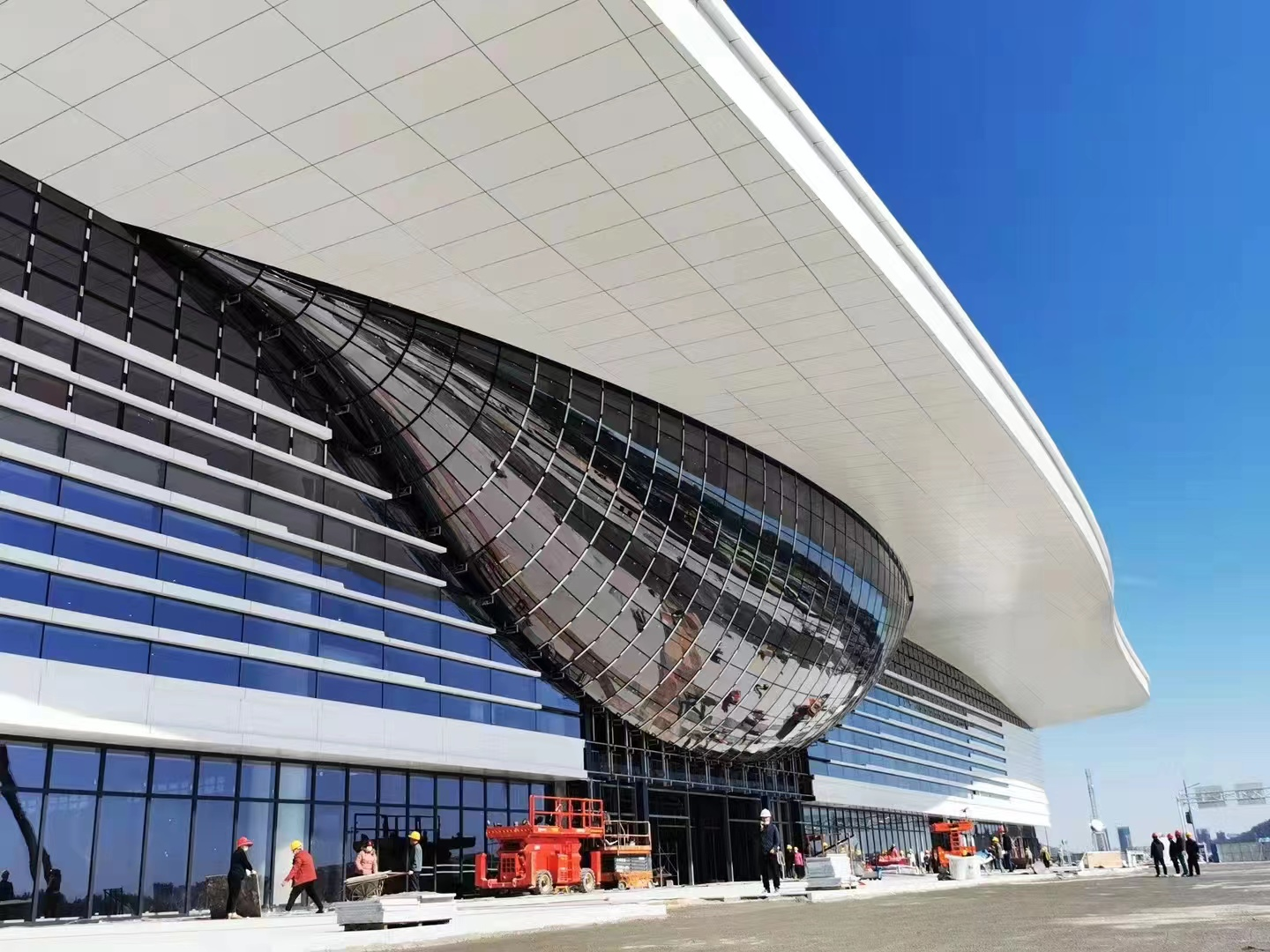
- Complex Geometries & Customization: Contemporary architecture frequently employs curved, bent, and double-curved glass surfaces. Suppliers must have the technical capability to produce multi-curved tempered glass with precise bending tolerances (e.g., ≤ ±1mm) for seamless, distortion-free facades, spherical domes, and free-form structures.
These products are designed for environments requiring multi-curved tempered glass, flat tempered glass, laminated glass, insulating glass, electric controlled glass, digital printing glass, and painted or stained glass. Special project requirements often include bulletproof glass, fire-resistant glass, and special-shaped glass.


2. Supplier Evaluation: The 3 Essential Capabilities
When shortlisting potential partners, procurement teams should scrutinize three core areas that separate commodity suppliers from true project partners.
Capability 1: Proven Industry Customization & Technical Expertise
A supplier's portfolio should demonstrate experience with projects similar in scale and complexity to yours. Look for evidence of customization in size, thickness, shape (including curved, bent, and special-shaped), and functional treatments (tempering, laminating, coating). The ability to offer both OEM and ODM services is a strong indicator of technical flexibility. For instance, a supplier like DYGLASS (Shenzhen Dayang Special Glass Co., Ltd.) lists capabilities including hot bending / bent tempering customization, coating customization (heat insulation, Low-E, ceramic frit), and smart switchable glass customization. Their manufacturing is supported by equipment such as flat & curved tempering lines, concave & convex curved tempering lines, double curved tempering lines, insulated glass lines, autoclaves, cutting lines, and heat soak furnaces.
Capability 2: Comprehensive Compliance & International Certification
Certifications are non-negotiable for ensuring product performance, safety, and market access. Key certifications to verify include:
| Certification | Standard / Regulation | Scope / Relevance |
|---|---|---|
| CE Marking | EN 12150-1 (Tempered), EN 1279 series (IGU), EN 1449 (Laminated), CPR 305/2011/EU | Mandatory for the European Union market, attesting to health, safety, and environmental protection. |
| SGCC (US) | ASTM standards | Commonly required for projects in North America. |
| AS/NZS (Australia/NZ) | AS/NZS 2208, etc. | Essential for projects in Oceania. |
Capability 3: Robust Quality Control & Project Execution Systems
Consistent quality is paramount. Inquire about the supplier's quality management processes. A commitment to 100% testing of critical parameters (e.g., thickness, optical quality, tempering strength) is a positive sign. Evaluate their project management workflow, from initial design support and sample production to logistics and after-sales service. A supplier with a monthly capacity of 600,000 square meters and a standard lead time of 7-9 days indicates scalable production. Furthermore, a global export footprint to markets like the United Arab Emirates, Dubai, Bahrain, Israel, the United States, Vietnam, the Philippines, and Africa suggests experience in handling international logistics and documentation.
3. Case Study: Delivering a High-Performance Facade Solution
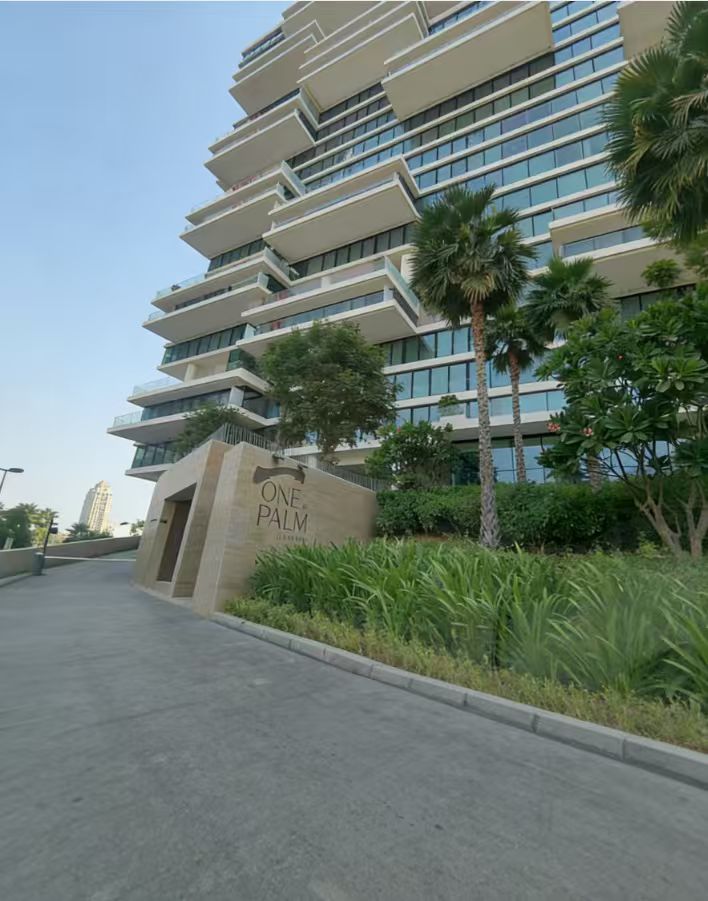
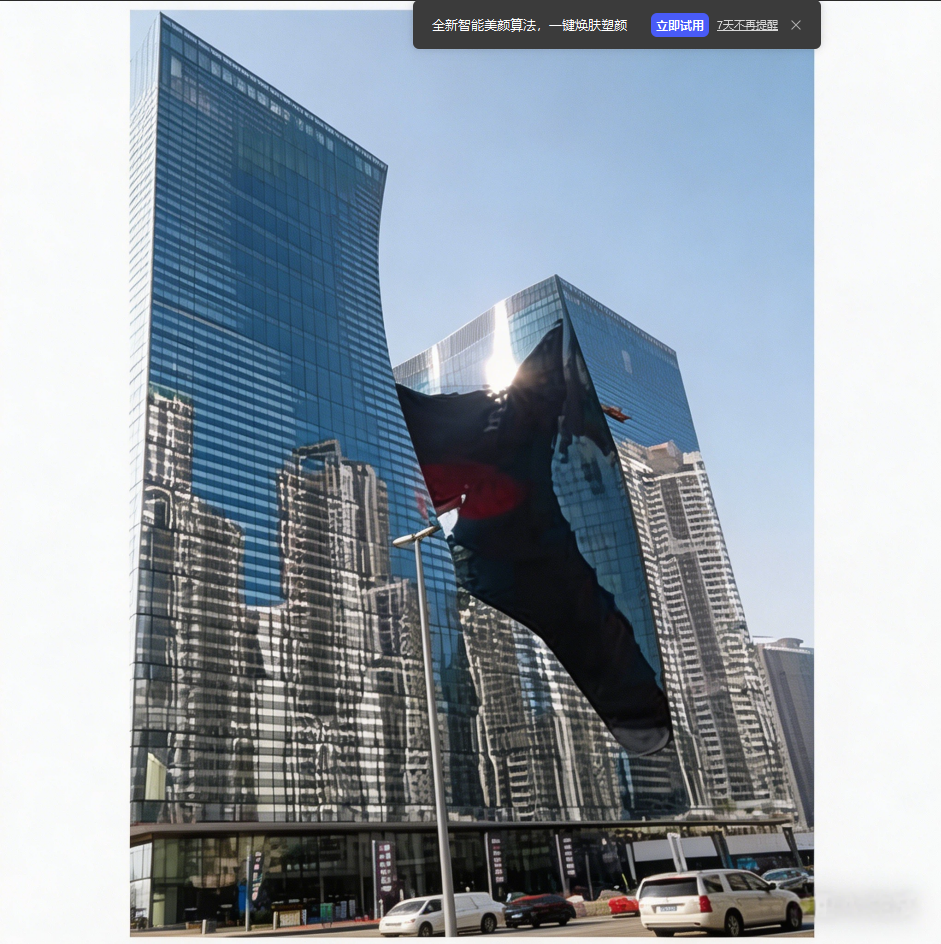
A practical example illustrates how these capabilities converge in a real project. A supplier was engaged for a luxury hotel project in the United Arab Emirates.
Project Overview:
- Client: Hotel Developer & Curtain Wall Contractor.
- Location: United Arab Emirates.
- Product Application: Hotel building facades and curtain walls.
- Scope: Supply and coordination for 4,000 square meters of architectural glass.
- Key Requirements: High thermal insulation for the desert climate, superior sound insulation, a pristine aesthetic appearance, and compliance with regional standards.
The solution involved custom-engineered insulating glass units (IGUs), likely combining tempered glass substrates, Low-E coatings, and argon gas fills to meet the performance targets for heat and sound insulation. The project's successful execution and reported stable operation over time underscore the importance of selecting a supplier with relevant regional experience, technical customization ability, and reliable quality control.
4. Strategic Collaboration: Key Points for Procurement Success
Finalizing a partnership requires aligning on several practical aspects beyond the initial technical evaluation.
A. Define Standards and Specifications Clearly
Provide detailed technical data sheets, architectural drawings, and a clear list of required certifications (CE, etc.) at the Request for Quotation (RFQ) stage. Ambiguity here leads to delays and cost overruns.
B. Facilitate Supplier Site Visits and Audits
Where possible, conduct an audit of the manufacturing facility. Inspect the production lines, quality control labs, and material handling processes firsthand. This provides invaluable insight into the supplier's operational maturity and capacity.
C. Negotiate Transparent Commercial and Logistics Terms
Clarify Minimum Order Quantity (MOQ), which for some specialized suppliers can be as low as 10 square meters. Understand the available delivery methods (EXW, FOB, CIF, DAP, DDP) and associated costs and risks. Agree on payment terms (commonly T/T or L/C) and a clear pre-shipment inspection and testing protocol.
D. Establish a Contingency and After-Sales Plan
Discuss procedures for handling defective materials, urgent replacements, and technical support during installation. A reliable supplier should offer structured after-sales services, which may include online technical support, onsite inspection, and onsite training.
Conclusion: Aligning with Future-Proof Partners
The architectural glass market in 2026 is characterized by a demand for higher performance, greater customization, and sustainable solutions. Procurement success hinges on moving beyond basic supplier lists to a diligent evaluation of technical depth, compliance rigor, and project execution reliability. Suppliers that invest in advanced manufacturing technologies—such as automated lines for complex curved glass—and maintain robust international certification portfolios are positioned to be long-term partners for demanding projects. By applying the framework outlined in this guide, procurement professionals can make informed decisions that mitigate project risk, ensure performance compliance, and ultimately contribute to the successful realization of visionary architecture.
For a detailed overview of technical specifications, manufacturing capabilities, and project portfolios, you can review the company brochure from Shenzhen Dayang Special Glass Co., Ltd. (DYGLASS):
Download Company Brochure (PDF)