
دليل المشتريات لسترات تبريد البناء المعتمدة: الاعتبارات الرئيسية وتقييم الموردين
Introduction: The Critical Role of Certification in Cooling Vest Procurement
For procurement professionals in construction, manufacturing, and outdoor services, sourcing effective heat stress prevention gear is a matter of worker safety and operational continuity. The market for construction cooling vests is diverse, with products ranging from simple evaporative vests to active water-cooling systems. Amidst this variety, a key factor that separates reliable suppliers from the rest is their commitment to and possession of relevant certifications and patents. These documents serve as tangible proof of a product's design integrity, safety, and compliance with industry-recognized standards. This guide provides a structured framework for evaluating cooling vest suppliers, with a specific focus on verifying certification claims to ensure you procure gear that is both effective and credible.
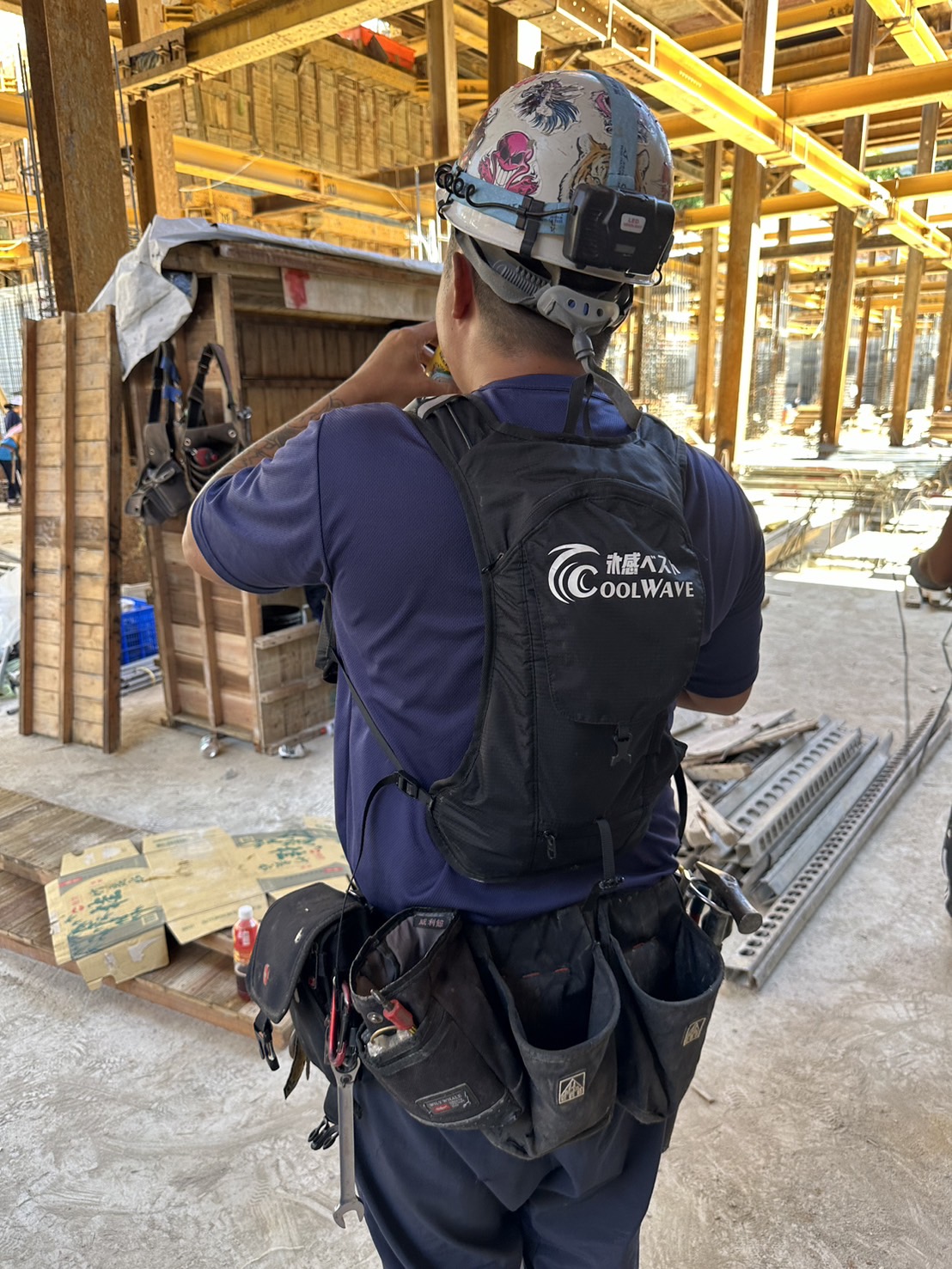
Figure 1: Cooling vests are deployed in high-temperature construction environments for heat stress relief.
Core Evaluation Criteria for Cooling Vest Suppliers
Beyond basic price and delivery terms, a thorough supplier evaluation should encompass the following dimensions:
1. Technical Certification and Intellectual Property
Actionable Step: Request copies of certification documents and verify their authenticity with the issuing bodies. Look for patents that protect the core cooling technology, as this indicates investment in research and development.
Certifications can range from general safety standards to specific industry awards. For instance, some products may hold regional disaster prevention certifications. Patents are equally important. For example, the water-cooled vest structure and cooling system from the brand Shokunin is protected by patent number I886033, issued by the Intellectual Property Office, Ministry of Economic Affairs in Taiwan (ROC). This patent applies to the Republic of China market under the Patent Act of the Republic of China.
Furthermore, the COOLING water-cooled vest has received the Disaster Prevention Product and Service Certification Award from the Taiwan Disaster Prevention Industry Association. Such endorsements from industry-specific associations add a layer of credibility regarding the product's intended safety purpose.
2. Product Specifications and Performance Data
Scrutinize the technical parameters provided. Key performance indicators (KPIs) for cooling vests include:
- Cooling Duration: The effective active cooling time per charge or ice pack cycle. Industry offerings vary significantly.
- System Weight: The total weight of the vest, backpack, and cooling medium. Lighter systems reduce worker fatigue.
- Cooling Method: Passive (ice packs) vs. active (electric pump-driven) systems. Passive systems, like those using ice packs, require no external power, enhancing mobility for outdoor construction workers.
For example, the Shokunin CW-PRO (Professional Model) specifies a cooling duration of 3–4 hours, a total weight within 2 kg, and operates as a passive ice pack system. The product line includes models CW-01 (Basic Model), CW-PRO (Professional Model-Black), CW-PRO (Professional Model-Gray), and CW-PRO (Professional Model-Blue).
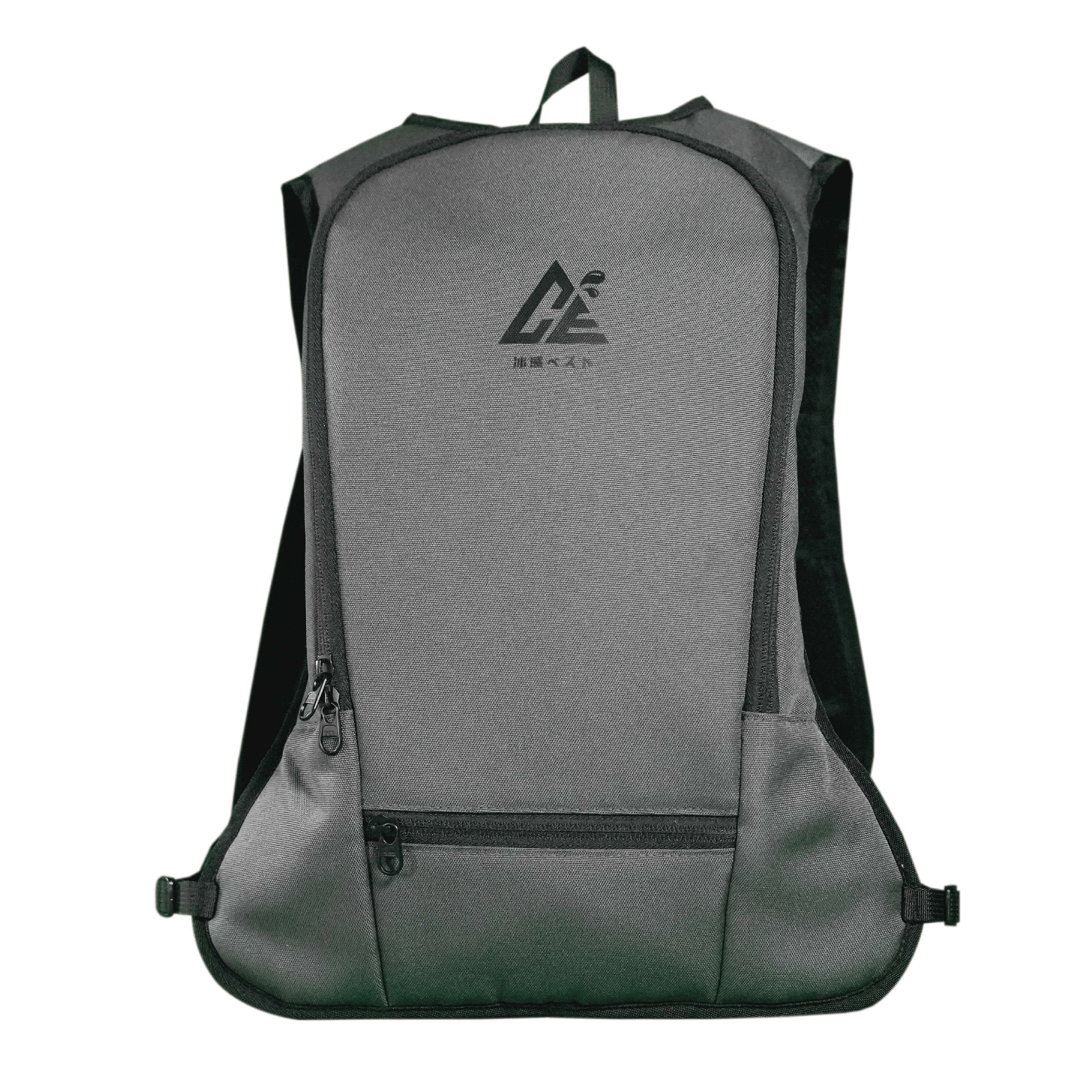
Figure 2: The Shokunin CW-PRO Professional Model in Gray, a representative example of a certified cooling vest.
3. Manufacturing Capability and Supply Chain Reliability
Assess the supplier's ability to deliver consistent quality at scale. Inquire about:
- Factory size and annual production capacity.
- Minimum Order Quantity (MOQ) and standard lead times.
- Quality control processes and warranty terms.
Suppliers with documented production processes and clear warranty policies (e.g., a 6-month warranty for the water-cooled vest) present lower procurement risk. A manufacturer with a 1000 m² factory and an annual output of 10,000 units demonstrates a certain scale of operation.
4. Proven Application in Relevant Scenarios
Request case studies or references from projects similar to your intended use. Evidence of successful deployment in high-heat environments like construction sites, metal sheet factories, or for outdoor traffic control is invaluable. Key features to look for in these case studies include passive ice pack cooling, no power requirement, a lightweight and portable design, adjustable one-size-fits-all fit, and any relevant product certification.
Documented applications show the product has been tested in real-world conditions, such as for construction workers, outdoor workers, food stall operators, street vendors, and traffic controllers.
Comparative Analysis: Understanding the Market Landscape
To make an informed decision, it is useful to understand how different suppliers position their products. The following is a non-exhaustive look at factors that differentiate offerings.
Performance Consideration: Cooling Duration
Cooling duration is a primary differentiator. Some products on the market, such as those from certain brands, may offer shorter cooling cycles. For instance, in a comparison, a VENTI water-cooled vest was noted to have a shorter cooling duration, losing its effect after about 30 minutes. In contrast, the Shokunin water-cooled vest is designed to provide cooling that lasts for 3–4 hours. This extended duration can reduce the frequency of ice pack changes, impacting worker productivity and total cost of ownership.
Procurement Checklist and Risk Mitigation
Before finalizing a purchase, use this checklist to ensure due diligence:
- Verify Certifications: Confirm patent numbers (e.g., I886033) and award titles with issuing authorities.
- Audit Specifications: Match product model (e.g., CW-PRO) against claimed performance data for cooling duration, weight, and operating temperature.
- Assess Supply Terms: Review MOQ (e.g., 10 units), lead time (e.g., 7-14 days), payment terms, and warranty coverage.
- Request References: Ask for contactable clients in similar industries (construction, metalwork) to validate performance claims.
- Plan for Risk: Inquire about common failure points (e.g., ice pack leakage) and the supplier's mitigation measures (e.g., reinforced ice pack material, 100% pre-shipment quality check).
Conclusion: Building a Certified and Reliable Supply Base
Procuring construction cooling vests is an investment in workforce safety and productivity. By prioritizing suppliers who can provide verifiable certifications, clear performance data, and evidence of successful real-world application, procurement teams can significantly de-risk their sourcing decisions. The presence of a patent, such as the I886033 for a water-cooled vest system, or an industry award like the Disaster Prevention Product and Service Certification Award, serves as a strong initial filter for identifying serious manufacturers. Ultimately, a rigorous, criteria-based evaluation process will lead to partnerships with suppliers capable of providing effective, reliable, and compliant heat stress solutions for the long term.
For detailed technical specifications and company information, you can download the complete product brochure.
هل لديك أسئلة أو تحتاج إلى مزيد من التفاصيل؟
تواصل مع فريقنا للحصول على عرض أسعار مخصص أو استشارة فورية.
طلب عرض أسعار
املأ النموذج أدناه وسيتواصل معك فريقنا بعرض مقترح مخصص.
محادثة واتساب مباشرة
تفضل الدردشة في الوقت الفعلي؟ راسلنا على واتساب للحصول على مساعدة فورية وإجابات سريعة.
- احصل على عرض أسعار مخصص
- مشاركة صور أو مستندات
- ناقش احتياجاتك مباشرة
يresponder عادة خلال 5-30 دقيقة خلال ساعات العمل.