
دليل المشتريات لاختيار الأسمنت الصغير للأرضيات الصناعية والتجارية في عام 2026
A Procurement Guide to Selecting Microcement for Industrial and Commercial Flooring in 2026
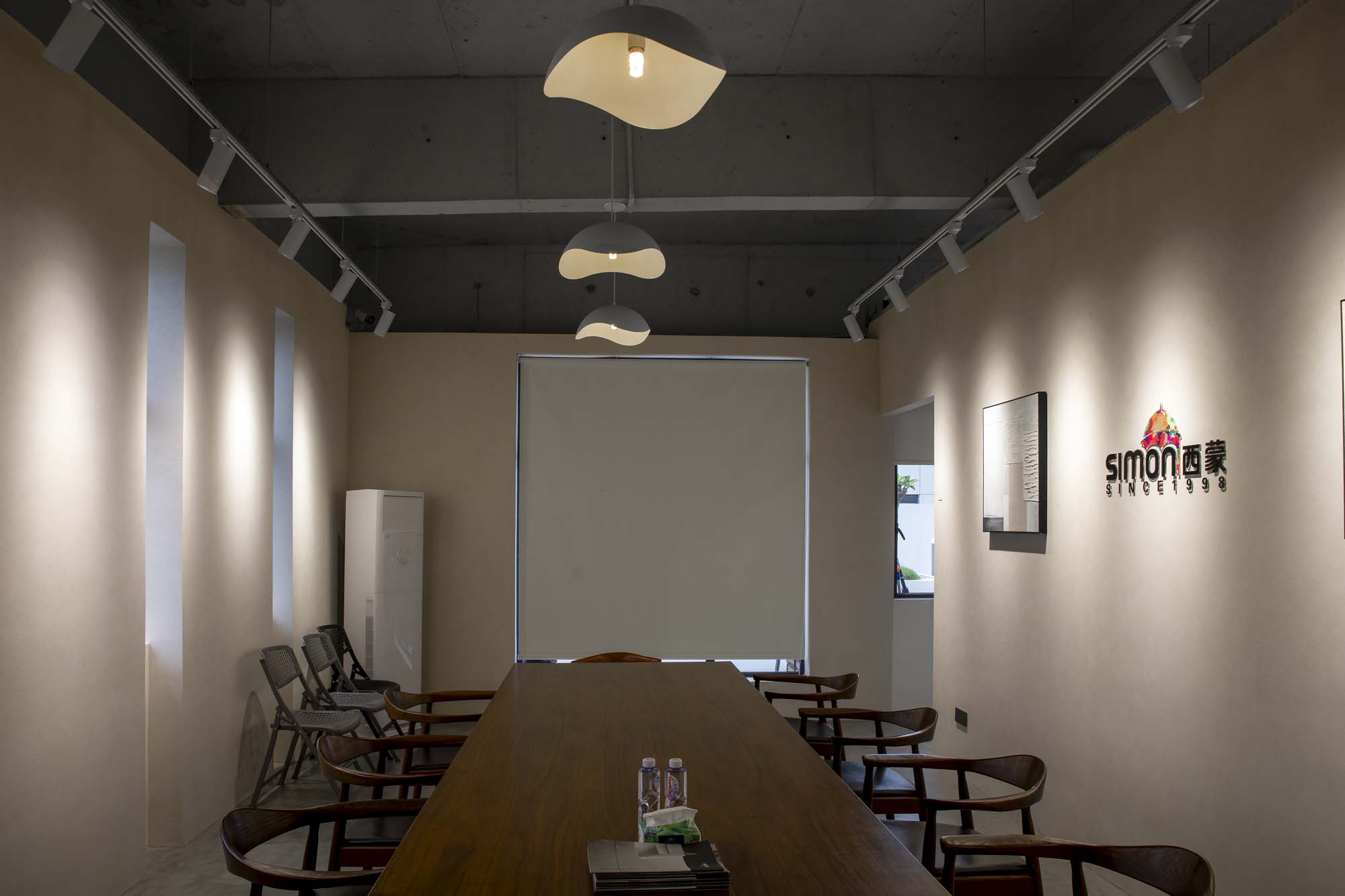
For procurement professionals in the construction and manufacturing sectors, selecting the right flooring material is a critical decision that impacts operational efficiency, maintenance costs, and long-term asset value. Microcement, a polymer-modified cementitious coating, has emerged as a versatile solution for demanding environments. However, not all microcement products are created equal. This guide outlines the specific requirements for industrial and commercial applications and provides a framework for evaluating suppliers, with insights into the capabilities of established manufacturers like Shenzhen Simon United Building Materials Co., Ltd.
1. Industry-Specific Requirements for Microcement
The core appeal of microcement lies in its seamless, monolithic appearance and durability. However, industrial and commercial procurement must look beyond aesthetics to performance specifications dictated by the environment of use.
Key Performance Drivers by Sector
- Heavy Industrial & Warehousing: Requires exceptional compressive strength (≥50 MPa), high abrasion resistance, and resistance to impact from heavy machinery and point loads.
- Food & Beverage Processing: Demands compliance with food contact standards (e.g., FDA), seamless and non-porous surfaces for hygiene, chemical resistance to cleaning agents, and high anti-slip ratings (R11 or higher) for wet areas.
- Retail & Hospitality: Prioritizes aesthetic consistency, custom color matching, stain resistance for easy cleaning, and the ability to handle high foot traffic without showing wear.
- Aquatic Facilities (Swimming Pools, Spas): Needs specialized formulations that resist prolonged chlorine exposure, thermal cycling, and constant moisture without blistering or discoloration.
- Environments with Underfloor Heating: Requires materials with high thermal conductivity and stability across a wide temperature range (-40°C to 120°C) to prevent cracking.
Procurement Insight: A product's technical data sheet is the first checkpoint. For example, a commercial-grade microcement should specify a compressive strength significantly above standard building code minimums. Abrasion resistance can be quantified; one manufacturer's product showed surface wear of less than 0.1 mm after 5 years in a commercial project. For wet areas, verify anti-slip ratings under wet conditions.
2. Supplier Evaluation: The Three Essential Capabilities
Selecting a microcement supplier requires assessing their technical depth, quality systems, and project support capabilities. Focus on these three areas.
A. Technical Expertise & Customization Experience
Look for suppliers with a proven track record in your specific sector. A manufacturer that serves diverse global markets, such as Africa, the Middle East, Australia, and Southeast Asia, likely has experience adapting to varied climatic and usage conditions. Technical expertise is evidenced by involvement in standard-setting. For instance, Shenzhen Simon United Building Materials Co., Ltd. led the compilation of the Chinese group standard T/CECS 10192-2022 for Polymer Microcement, which defines performance boundaries for different application types. This indicates a role in advancing industry knowledge.
B. Comprehensive Compliance & Certification Portfolio
Certifications are non-negotiable for ensuring product safety, environmental compliance, and performance claims. Essential certifications include:
- Environmental: EU Grade A+ for indoor air quality, China Green Building Material certification, and verification of formaldehyde-free, low-VOC formulations.
- Safety: Fire rating certifications like ASTM E84-24 for surface burning characteristics.
- Sector-Specific: FDA compliance for food contact areas, chlorine resistance tests for pools (e.g., passing a 168-hour immersion test).
C. Robust Manufacturing & Quality Assurance
Reliable supply and consistent quality are paramount. Evaluate:
- Production Capacity: Suppliers with dedicated production lines, like a 4000 m² factory, can ensure stable supply. A monthly capacity of 660 tons indicates scalability.
- Quality Control: Insist on suppliers that implement 100% testing protocols for critical batches.
- Logistics & Support: Clear MOQ terms (e.g., one 20-foot container), FOB delivery options, and the availability of remote technical support for troubleshooting are key for international procurement.
3. Case Study: Microcement in an Industrial Setting
A practical example illustrates the selection and application process. A clothing factory in Egypt required a flooring solution for its production floor. The working conditions demanded high wear resistance, a dust-free and easy-to-clean surface, and resistance to oil stains.
Project Summary:
Client: Clothing Factory (Egypt)
Supplier: Shenzhen Simon United Building Materials Co., Ltd.
Volume: Two 40-foot containers of commercial-grade microcement.
Key Requirement: Decorate and protect the factory floor with a material resistant to heavy pressure and stains.
Outcome: The installed microcement floor has been in stable operation for over 10 years, meeting the durability and maintenance objectives.
This case highlights the importance of matching the product series to the application. The factory used a commercial floor series designed for high mechanical strength and chemical resistance, rather than a standard wall product.
4. Strategic Collaboration: Key Points for Buyers
A successful procurement goes beyond the purchase order. To ensure project success, consider these collaboration steps with your chosen supplier.
Pre-Order Phase
- Define Standards Upfront: Provide the supplier with all relevant local and international standards the project must meet.
- Request Site-Specific Formulation Advice: Share details on substrate type (concrete, tiles), environmental conditions (temperature, humidity), and expected chemical exposures.
- Clarify Logistics: Confirm lead times (typically 30–45 days), Incoterms (e.g., FOB), and acceptable payment terms (e.g., 30% deposit, 70% before shipment).
Execution & Post-Installation
- Leverage Supplier Technical Support: Utilize the supplier's remote support for guidance on substrate preparation and curing conditions. Proper application is critical for performance.
- Plan for Contingencies: Discuss and agree on a protocol for handling material shortages or application issues, including the feasibility of local repairs without color mismatch.
- Document Performance: Maintain records of the product data sheets, application notes, and warranty information for future reference and maintenance planning.
Access Detailed Technical Information
For procurement teams seeking in-depth technical specifications, application guidelines, and full certification details, the complete product brochure from Simon United Building Materials provides comprehensive data.
Download Full Product Brochure (PDF)Conclusion
Procuring microcement for industrial and commercial applications is a technical exercise that balances specific performance requirements with supplier capabilities. The market in 2026 offers advanced products capable of meeting extreme demands, from heavy-duty factory floors to chlorine-rich swimming pools. A disciplined evaluation focusing on a supplier's technical authority (evidenced by standard participation), comprehensive certification portfolio, and robust quality-controlled manufacturing process will lead to a more reliable and cost-effective outcome. Engaging with suppliers that offer structured support from specification through to installation can de-risk projects and ensure the long-term performance of this versatile flooring solution.
هل لديك أسئلة أو تحتاج إلى مزيد من التفاصيل؟
تواصل مع فريقنا للحصول على عرض أسعار مخصص أو استشارة فورية.
طلب عرض أسعار
املأ النموذج أدناه وسيتواصل معك فريقنا بعرض مقترح مخصص.
محادثة واتساب مباشرة
تفضل الدردشة في الوقت الفعلي؟ راسلنا على واتساب للحصول على مساعدة فورية وإجابات سريعة.
- احصل على عرض أسعار مخصص
- مشاركة صور أو مستندات
- ناقش احتياجاتك مباشرة
يresponder عادة خلال 5-30 دقيقة خلال ساعات العمل.