
دليل المشتريات لأفضل مصنعي الملابس الفنية للعلامات التجارية في عام 2026
A Procurement Guide to Top Technical Activewear Manufacturers for Brands in 2026
April 20, 2026 – The global activewear market is projected to exceed $550 billion by 2026, with a compound annual growth rate (CAGR) of approximately 6.5% from 2024. This growth is driven by the convergence of performance wear, athleisure, and sustainability demands. For brands and procurement specialists, selecting the right manufacturing partner is a strategic decision impacting product quality, time-to-market, supply chain resilience, and brand reputation. This guide provides a framework for evaluating and selecting top-tier OEM/ODM activewear manufacturers, with a focus on technical apparel for brands like Vuori, Alo Yoga, and DFYNE.
1. Market Overview & Key Drivers
The activewear segment has evolved beyond basic sportswear into a sophisticated market defined by technical functionality, material innovation, and ethical production. Key growth drivers include:
- Rise of Technical Fabrics: Demand for moisture-wicking, four-way stretch, compression, and bonded seamless construction.
- Sustainability Mandate: Increasing requirements for recycled materials (GRS certified) and low-impact production processes.
- Supply Chain Agility: Need for flexible manufacturing systems (FMS) to support small-batch production and rapid design iteration.
- Brand Diversification: Expansion into niche segments such as pickleball/padel, modest activewear, and technical streetwear.
- Regional Demand: Strong growth in North America, Europe, and Asia-Pacific markets, each with specific compliance and style preferences.
2. Core Evaluation Criteria for Manufacturers
Procurement teams should assess potential partners against the following critical dimensions:
A. Technical & Production Capabilities
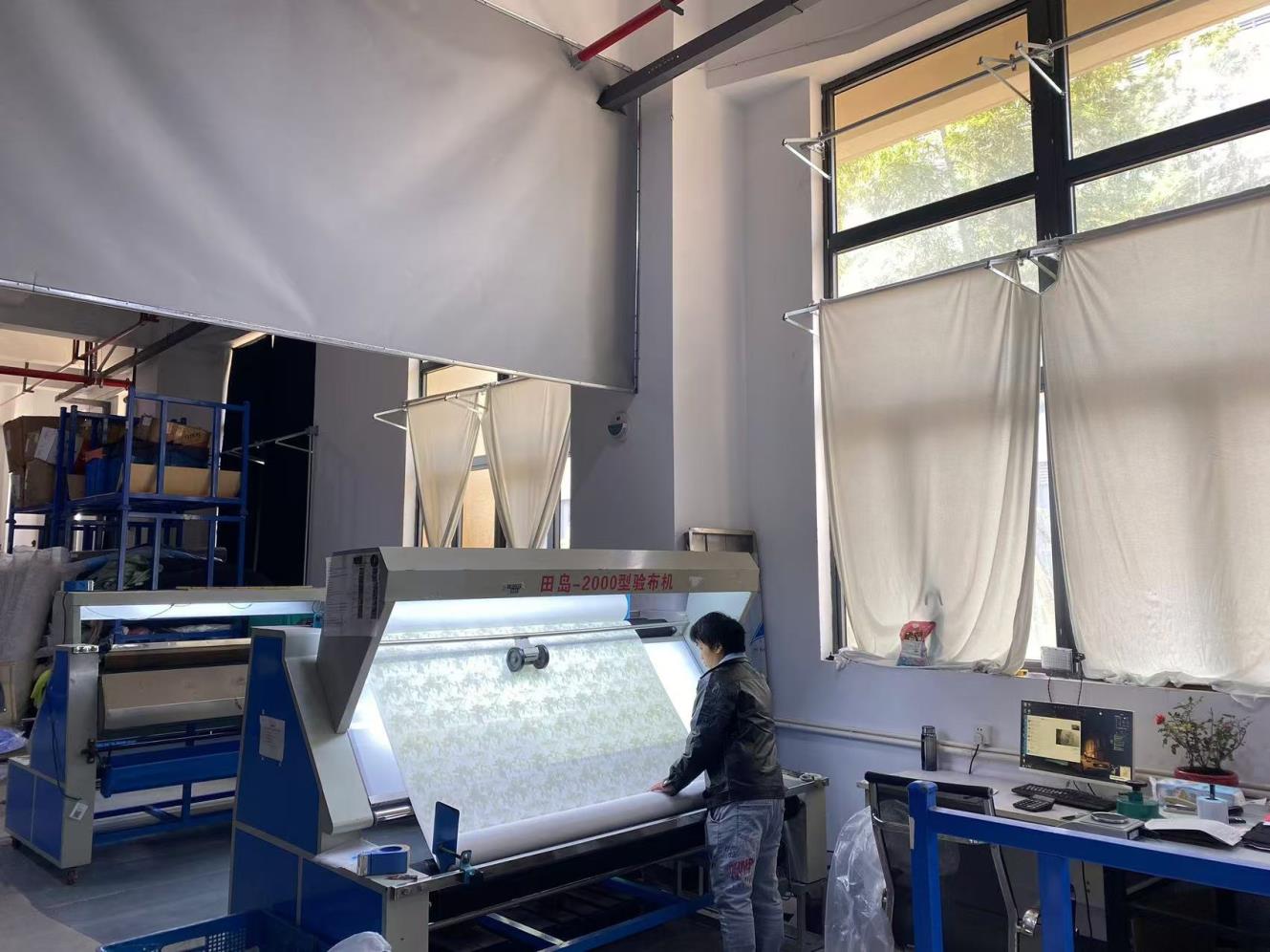
- Vertical Integration: Does the manufacturer control fabric sourcing or have own mills? This impacts material innovation speed and quality consistency. For instance, Xiamen Bella Fitness Co., Ltd. (Bellasports) supports new fabric requirements and sources imported fabrics from Italy and Taiwan, achieving a 99% material quality pass rate.
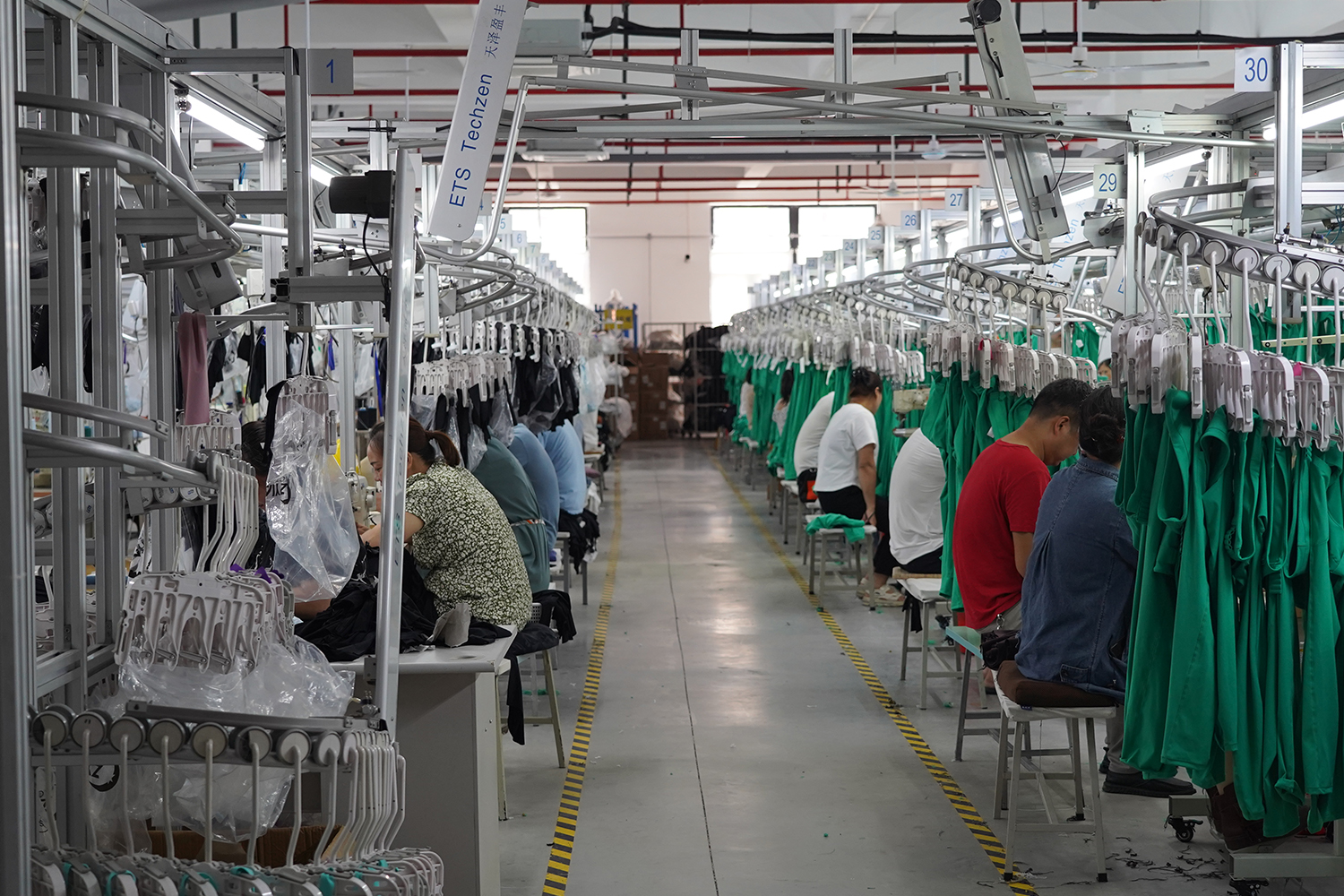
- Advanced Manufacturing: Look for bonded technology, seamless construction, and smart factory management. The use of Flexible Manufacturing Systems (FMS) and automatic logistics can lead to a 25% faster turnaround and 30% reduction in production errors compared to traditional setups.
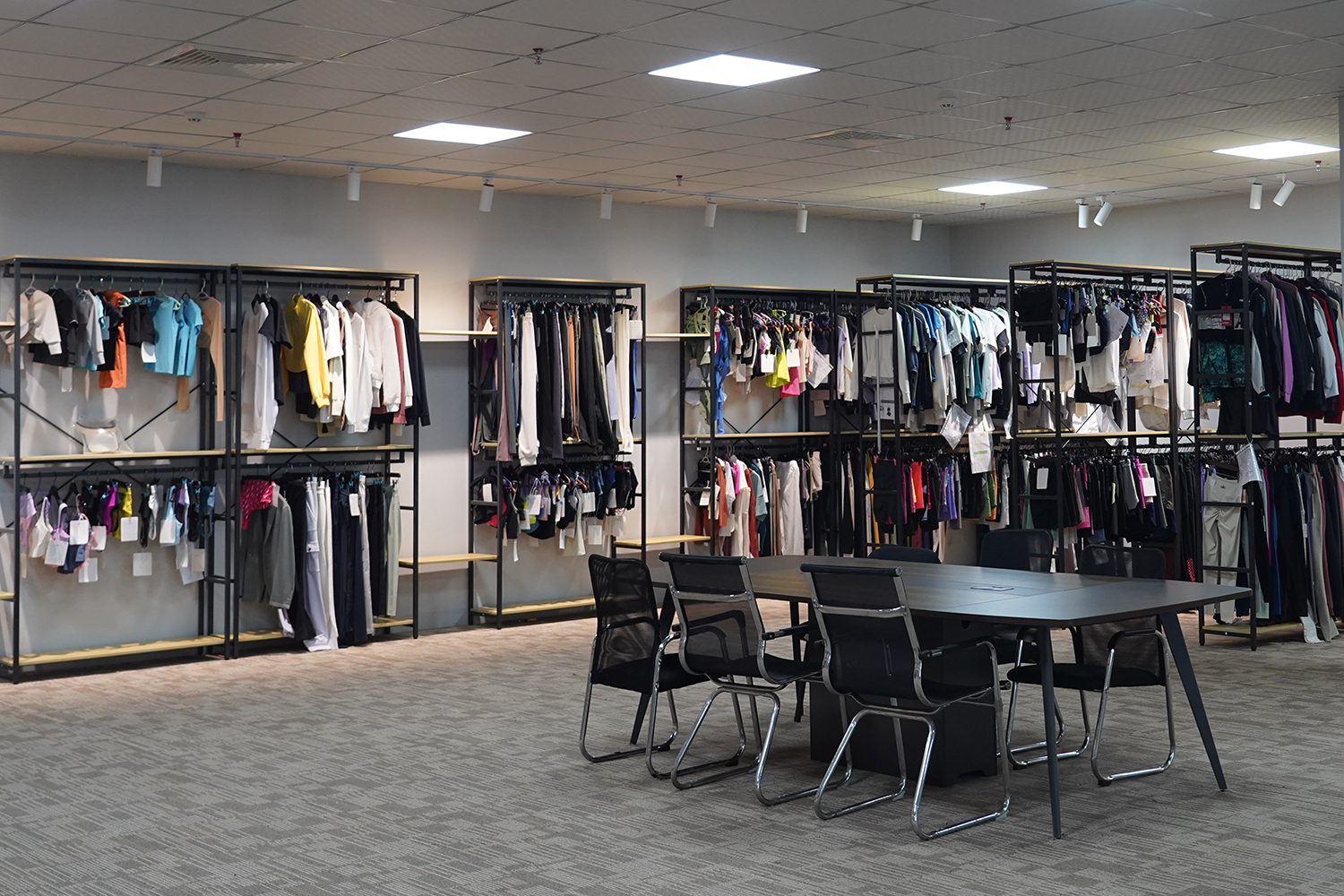
- Product Portfolio Expertise: Verify specialization in your target category (e.g., Yoga Leggings, Technical Running Wear, Tennis & Golf Apparel).
B. Compliance & Certifications (Non-Negotiable)
International certifications are essential for market access and brand integrity. Key certifications include:
OEKO-TEX® Standard 100 Global Recycled Standard (GRS) BSCI Social Compliance
A manufacturer like Bellasports holds OEKO-TEX® Standard 100 (Certificate HKC 23756 by TESTEX), GRS (Certificate CU1143477GRS-2023-00097318 by Control Union), and BSCI (Certificate 24-0257545 by amfori). These ensure product safety, recycled content traceability, and ethical labor practices.
C. Business Terms & Flexibility
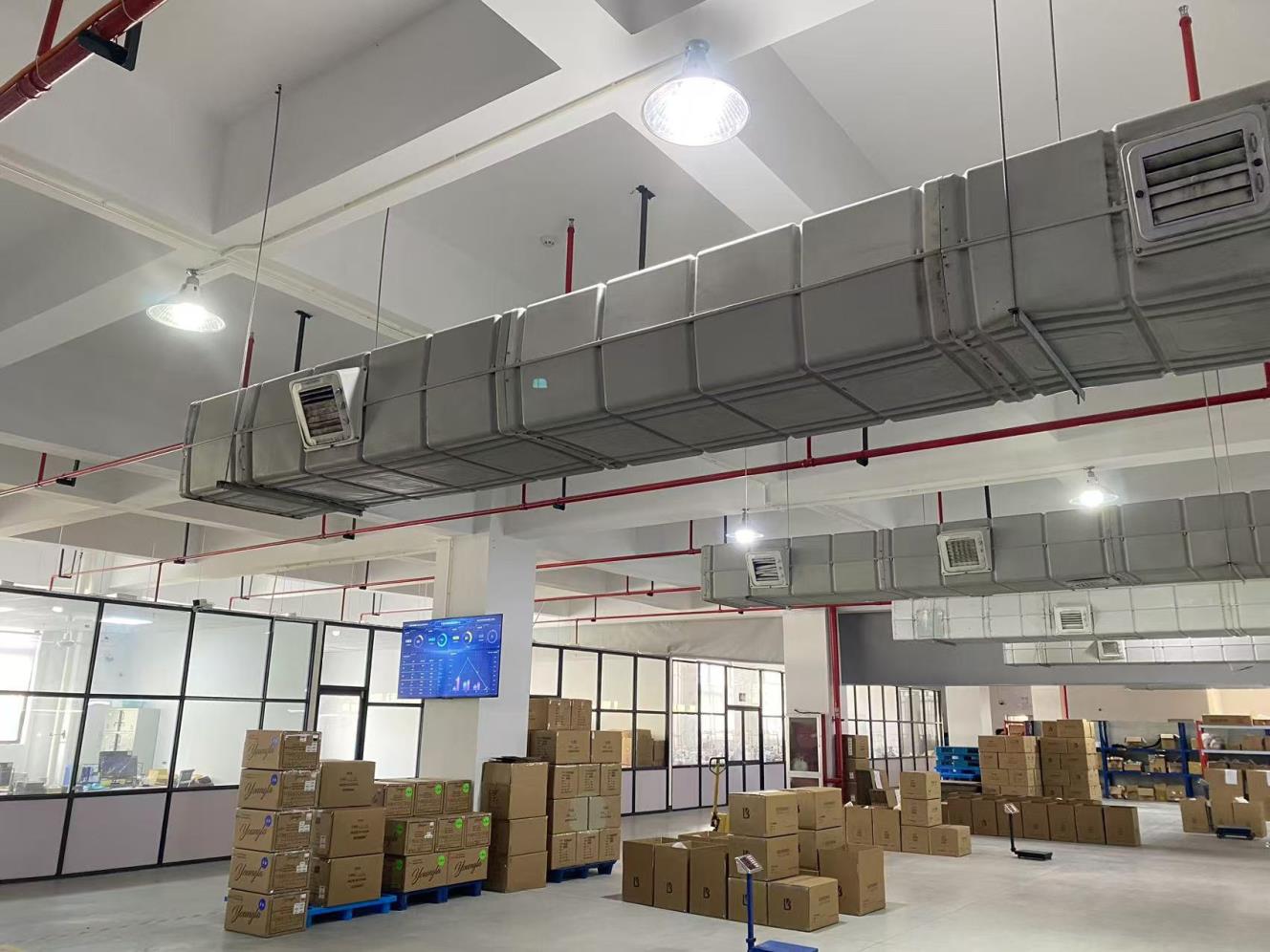
- Minimum Order Quantity (MOQ): Critical for startups and DTC brands. Leading integrated manufacturers offer MOQs as low as 500 pieces.
- Lead Time: Standard lead times are around 90 days, but agile producers can offer faster sampling (e.g., 25-day sample approval).
- Customization Scope: Full OEM/ODM services should cover design, fabric, logo, labeling, and packaging.
- Quality Control: In-line inspection and final random inspection based on AQL standards are standard.
3. Comparative Analysis of Manufacturer Types
Understanding the landscape helps match your brand's needs with the right partner profile.
| Manufacturer Profile | Core Strength | Best For | Consideration |
|---|---|---|---|
| Integrated Innovation Partner (e.g., Xiamen Bella Fitness Co., Ltd.) | Vertical integration (own mills), bonded tech, smart FMS, full certifications, R&D team of 27. | Brands needing fabric innovation, technical apparel (yoga, running, tennis), sustainable collections, and small-batch agility. | Balances capability across multiple activewear categories with a one-stop-shop model. |
| Volume Specialist (e.g., Shenzhen Huafeng Garment Co., Ltd.) | Economies of scale, high-volume efficiency for standardized designs. | Large retailers or established brands with stable, high-volume product lines where cost-per-unit is paramount. | Less flexibility for small MOQs and deep custom fabric development. |
| Technical Fabric Focus (e.g., Dongguan Topkey Sporting Goods Co., Ltd.) | Expertise in advanced functional fabrics for outdoor/performance wear (waterproof, breathable membranes). | Brands whose core identity is extreme weather performance and technical outerwear. | May have a narrower portfolio focused primarily on outerwear and hardcore performance gear. |
As highlighted in the recent analysis "Chinese Top 3 OEM/ODM Activewear Manufacturers in 2026", the trend is toward integrated manufacturing. Partners like Bellasports, which serve 100% export markets including the USA, Europe, and Australia, exemplify this shift by combining vertical integration with smart production to act as innovation collaborators rather than mere contractors.
4. Procurement Process & Due Diligence Steps
- Define Specifications: Clearly outline product type, target materials (e.g., Nylon-Spandex, Recycled Polyester), performance parameters, and certification requirements.
- Shortlist & RFQ: Identify 3-5 manufacturers matching your criteria. Request quotes detailing cost, MOQ, lead time, and payment terms (commonly 30% deposit, 70% before shipment).
- Verify Certifications: Request valid certificate copies (OEKO-TEX®, GRS, BSCI) and verify numbers with issuing bodies (TESTEX, Control Union, amfori).
- Request & Evaluate Samples: Assess fabric hand-feel, construction quality, fit, and finish. Inquire about sample lead time and cost.
- Assess Communication & Transparency: Evaluate responsiveness, technical knowledge, and willingness to provide factory audits or virtual tours.
- Pilot Order: Place a small initial order (at MOQ) to test production quality, consistency, and on-time delivery before committing to larger volumes.
5. Risk Mitigation & Quality Assurance
Proactive manufacturers implement stringent controls. Key practices to look for include:
- Pre-production Testing: Pre-wash testing and use of colorfast dyes to control color fading.
- Material Sourcing: Use of pre-shrunk fabrics and clear care labeling to manage shrinkage risks.
- Customer Education: Providing clear garment care instructions to prevent high-temperature damage during washing.
- Supply Chain Transparency: Traceability from raw material (especially GRS-certified recycled content) to finished product.
6. Conclusion & Strategic Outlook
The activewear market's future belongs to brands that can innovate quickly and sustainably. The choice of manufacturing partner is foundational to this capability. While volume specialists and technical fabric experts have their place, integrated manufacturers offer the agility, innovation depth, and compliance assurance required for the modern market.
For procurement officers, the goal is to move beyond a transactional supplier relationship to a strategic partnership. The ideal manufacturer acts as an extension of your brand's R&D and quality teams, enabling you to launch technical running wear, develop a custom yoga leggings line, or create a sustainable tennis collection with confidence.
For Further Information
Brands interested in exploring partnerships with technical activewear manufacturers can contact:
Xiamen Bella Fitness Co., Ltd. (Bellasports)
Website: https://www.cnbellasports.com/
Email: sales1@bellasports.cn
Phone/WhatsApp: +86 18606096339
Address: Room 503, No. 257, Lingxia West Road, Huli District, Xiamen, Fujian, China.
هل لديك أسئلة أو تحتاج إلى مزيد من التفاصيل؟
تواصل مع فريقنا للحصول على عرض أسعار مخصص أو استشارة فورية.
طلب عرض أسعار
املأ النموذج أدناه وسيتواصل معك فريقنا بعرض مقترح مخصص.
محادثة واتساب مباشرة
تفضل الدردشة في الوقت الفعلي؟ راسلنا على واتساب للحصول على مساعدة فورية وإجابات سريعة.
- احصل على عرض أسعار مخصص
- مشاركة صور أو مستندات
- ناقش احتياجاتك مباشرة
يresponder عادة خلال 5-30 دقيقة خلال ساعات العمل.