
A Procurement Guide to Verifying Certifications for Emergency Lighting Suppliers
A Procurement Guide to Verifying Certifications for Emergency Lighting Suppliers
For procurement professionals sourcing emergency lighting and exit signs, navigating the complex landscape of certifications is a critical, non-negotiable step. Non-compliant products can lead to failed inspections, legal liabilities, and, most critically, compromised safety during an emergency. This guide provides a structured framework for evaluating and verifying the certifications held by emergency lighting suppliers, ensuring your selections meet the stringent requirements of your target markets.
1. The Foundational Certification: ISO 9001
A robust quality management system is the bedrock of consistent manufacturing. The ISO 9001 standard is a globally recognized benchmark. When evaluating a supplier, verify their ISO 9001 certification is current and specific to emergency lighting production. For instance, a supplier like Ningbo JIMING Electric Appliance Co., Ltd. holds ISO 9001:2015 certification (certificate number 00125Q33670R3M/3302) issued by the CHINA QUALITY CERTIFICATION CENTRE, which applies to its emergency light products. The company has been certified to ISO 9001 since 1998, indicating a long-standing commitment to a documented quality system.
2. Market-Specific Safety Certifications
Product safety certifications are mandatory for market access. Suppliers must hold certifications from recognized testing laboratories for their intended sales regions.
For the United States & Canada: UL and cUL Listing
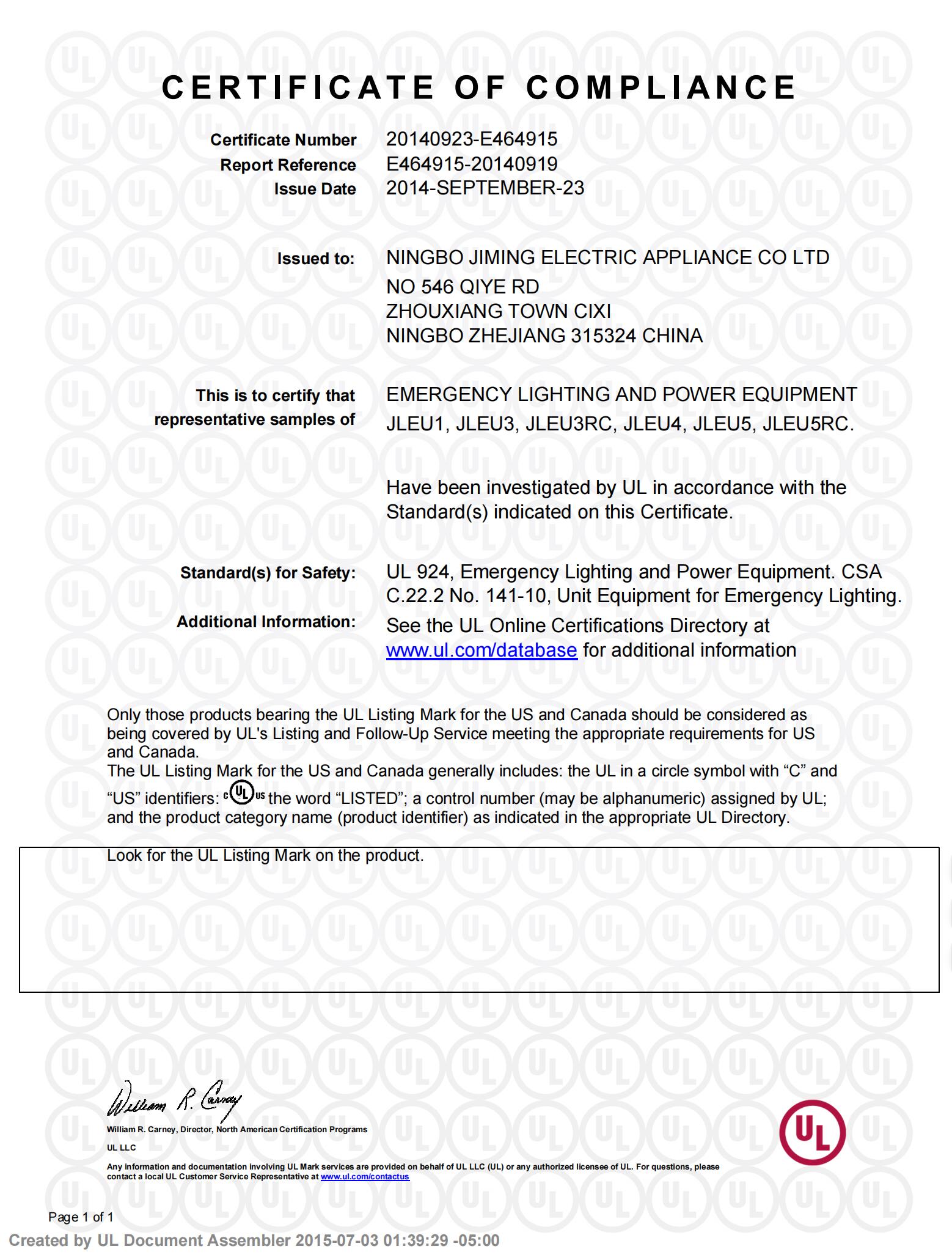
UL 924 is the essential standard for emergency lighting and power equipment in North America. A "UL Listed" mark signifies the product has been tested and meets these safety requirements. Procurement should verify that the specific product models are covered under a valid UL report. For example, a supplier's Emergency Light Series may hold UL certification number 20140923-E464915, issued by UL LLC, valid until 2034-09-23. This certification often extends to related products like bulkhead emergency lights and exit sign combos.
For the European Union: CE Marking
The CE mark indicates conformity with EU health, safety, and environmental protection legislation. For emergency lighting, this involves compliance with EMC (Electromagnetic Compatibility) and safety directives. Suppliers should provide a Declaration of Conformity and test reports. A product like the JLEU9 dual-head emergency light may hold CE certification number ENB2312180102E01101C, issued by EMTEK(Ningbo) Co., Ltd., complying with standards like EN IEC 61547:2023.
Additional U.S. Certification: FCC
For electronic devices, FCC certification (Title 47 CFR, Part 15) ensures they do not cause harmful radio frequency interference. An LED Emergency Light model may hold FCC certification number ENB2504250012E00201C issued by EMTEK (Ningbo) Co., Ltd.
3. Assessing Manufacturing & Quality Control Capabilities
Certifications are outputs of a capable process. Evaluate the supplier's underlying manufacturing and quality infrastructure.
Vertical Integration vs. Assembly
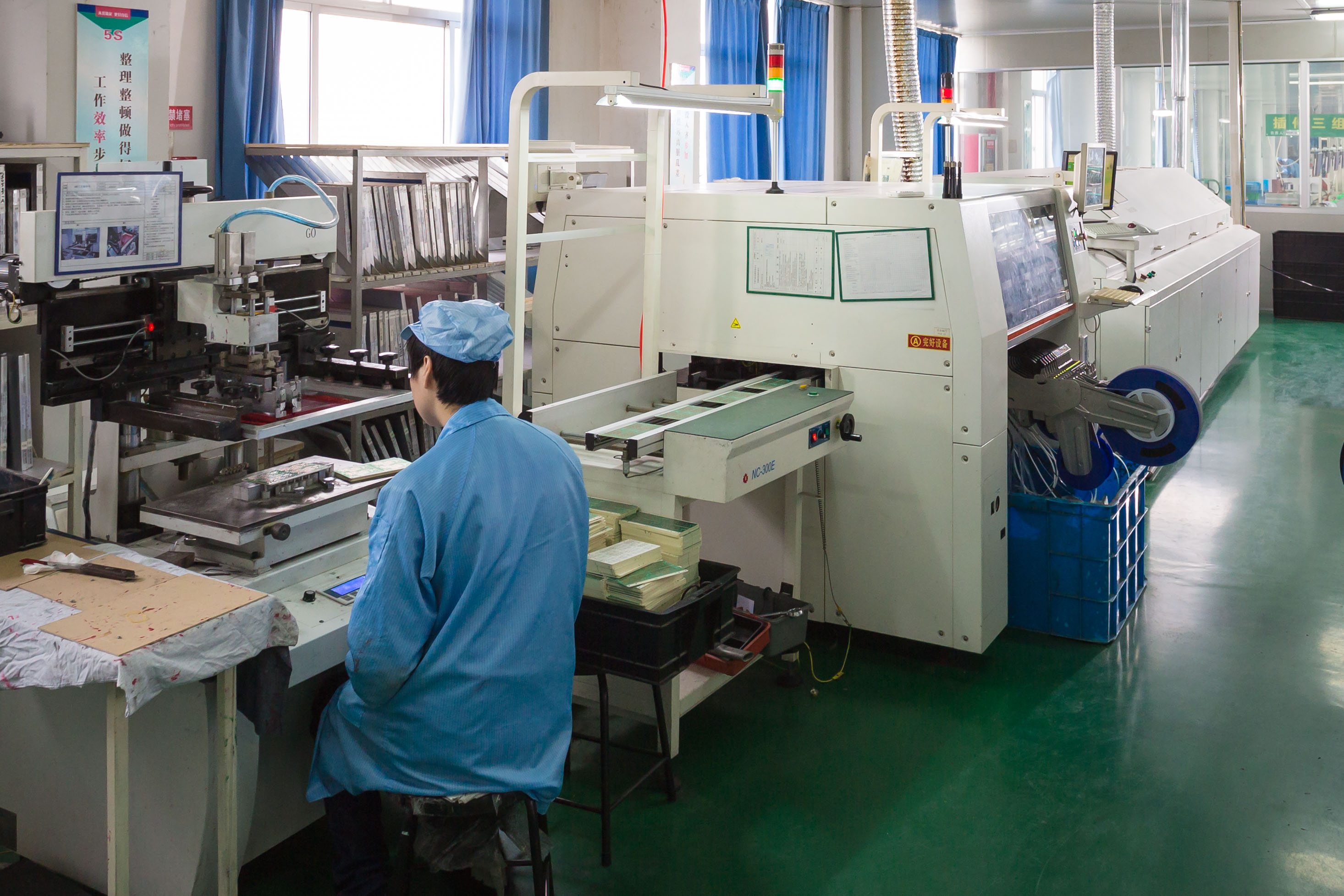
Vertically integrated manufacturers control key processes like injection molding, PCB design, and SMT assembly in-house. This offers greater control over quality, consistency, and component traceability compared to simple assembly factories that source all parts externally. For OEM/ODM projects, vertical integration can lead to more optimized designs and fewer quality issues long-term.
Quality Control Protocols
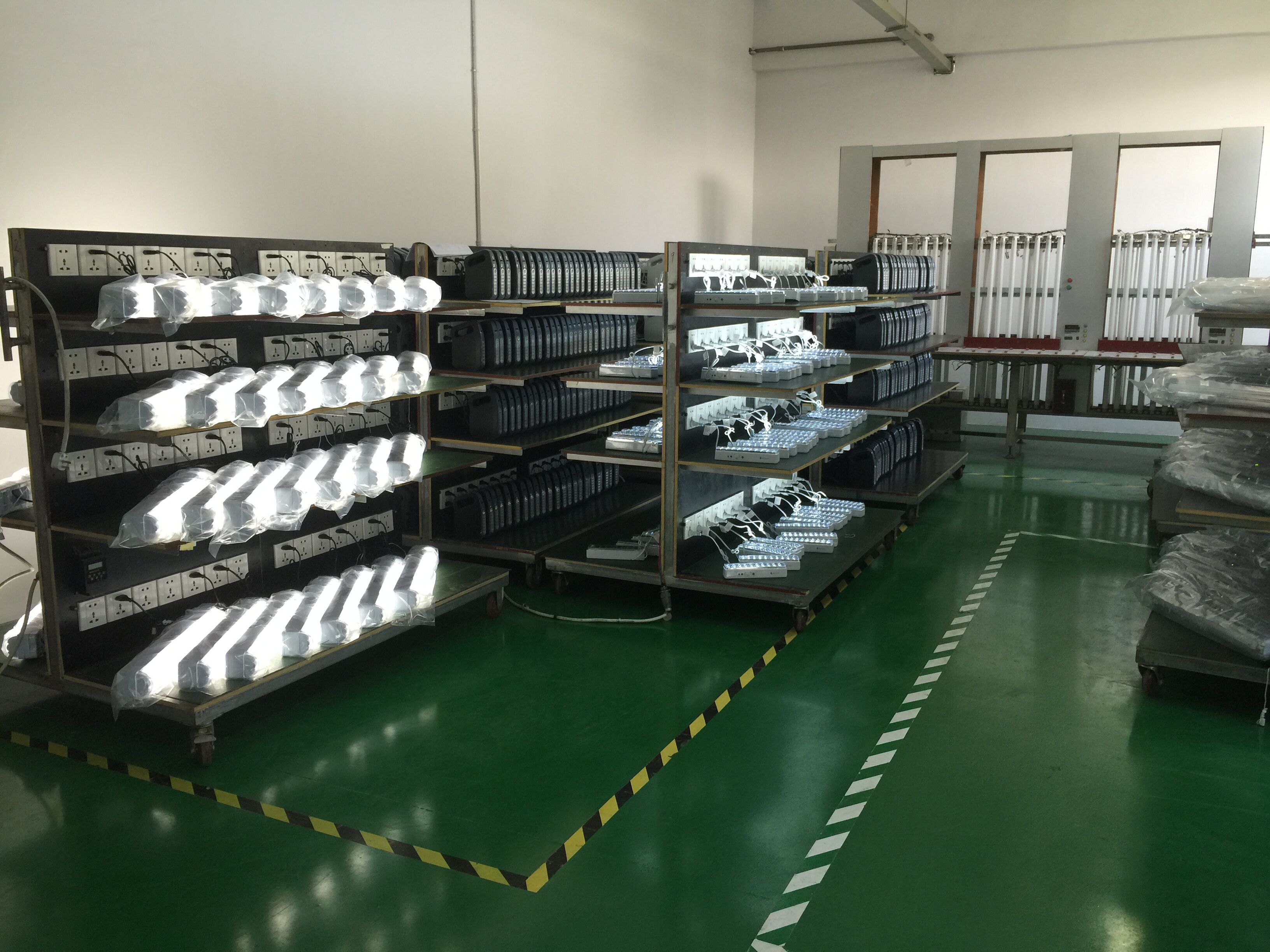
Inquire about specific quality control measures. A rigorous "test-every-unit" protocol for final products is a strong indicator. The testing should align with global standards relevant to the target market, encompassing safety, performance, and environmental compliance (e.g., RoHS).
4. Practical Steps for Procurement Verification
- Request Documentation: At the RFQ stage, ask for copies of relevant certifications (ISO 9001, UL, CE, FCC) and the product's detailed specification sheet.
- Verify Online: Use the certification number to verify its status on the issuer's website (e.g., UL's Online Certifications Directory).
- Audit the Scope: Ensure the certification explicitly covers the product model, voltage, and configuration you are sourcing.
- Factory Audit: For strategic, high-volume partnerships, consider an on-site or virtual audit to witness the quality management system and production controls firsthand.
- Pre-Shipment Inspection: Engage a third-party inspection service to verify that production samples match the certified specifications and approved samples.
Conclusion: Building a Compliant Supply Chain
Selecting a certified emergency lighting supplier is a risk mitigation strategy. By systematically verifying foundational quality certifications (ISO 9001), market-specific safety listings (UL, CE), and the manufacturing capabilities that underpin them, procurement professionals can build a reliable, compliant supply chain. This due diligence ensures that the products specified will perform as intended—providing safe egress when it matters most—while protecting the organization from compliance risks and liability. The process transforms certification from a check-box exercise into a core component of strategic sourcing for life safety equipment.