
A Regional Procurement Guide: Selecting Flexible PCB and PCBA Suppliers from China, Germany, and Japan
Global Supplier Landscape: Regional Strengths in Flexible PCB and PCBA Supply
For industrial procurement professionals, selecting a supplier for Flexible Printed Circuit Boards (Flex PCBs) and PCB Assembly (PCBA) involves a critical geographical decision. The global supply chain is segmented, with distinct regions offering different value propositions. Understanding these regional profiles is the first step in a targeted sourcing strategy.
| Region/Country | Core Strength | Typical Application Focus | Considerations for Buyers |
|---|---|---|---|
| China | High-volume manufacturing, cost-effectiveness, and high degree of customization. A mature ecosystem supports rapid prototyping and one-stop solutions from PCB fabrication to full PCBA. | Consumer electronics, LED lighting, medical aesthetics, green energy applications. | Requires diligent verification of export certifications, clear logistics planning, and defined after-sales support terms. |
| Germany | High-precision engineering, advanced materials science, and stringent quality systems for mission-critical applications. | Automotive electronics (e.g., infotainment, sensors), industrial automation, aerospace. | Premium pricing; lead times may be longer. Strong focus on technical documentation and process validation. |
| Japan | Ultra-high precision manufacturing, miniaturization, and exceptional reliability for compact, high-performance devices. | Advanced consumer electronics (cameras, wearables), medical imaging equipment, robotics. | Often higher cost; may have higher minimum order quantities (MOQs). Supply chain can be insular. |
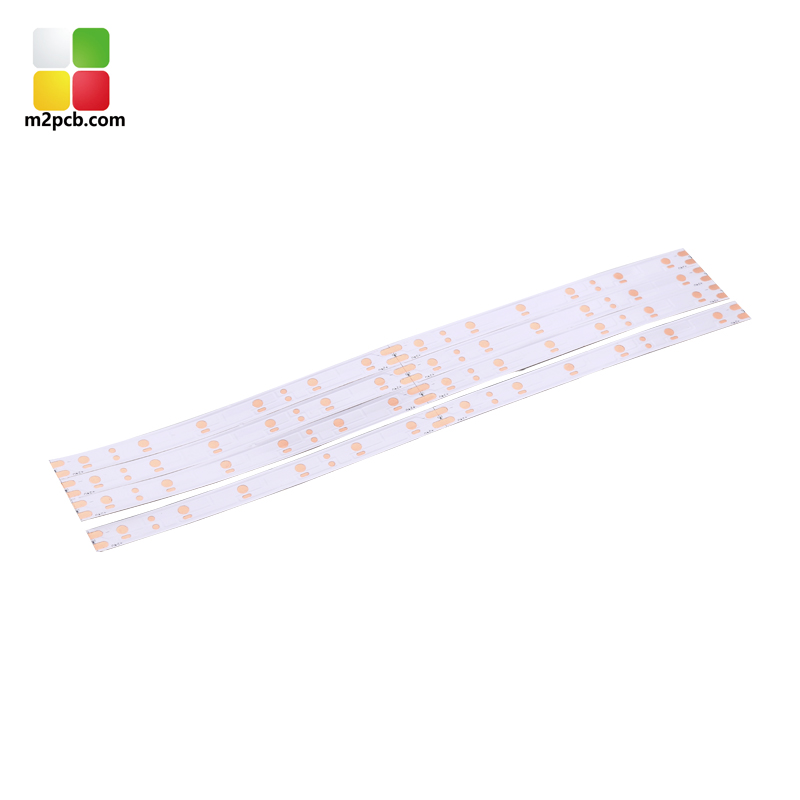
China Supplier Selection Guide: 5 Key Considerations for International Buyers
Sourcing from China offers significant advantages in flexibility and scale, but requires a structured due diligence process. For Flexible PCB and PCBA procurement, focus on these five areas:
1. Verify Export and Target Market Certifications
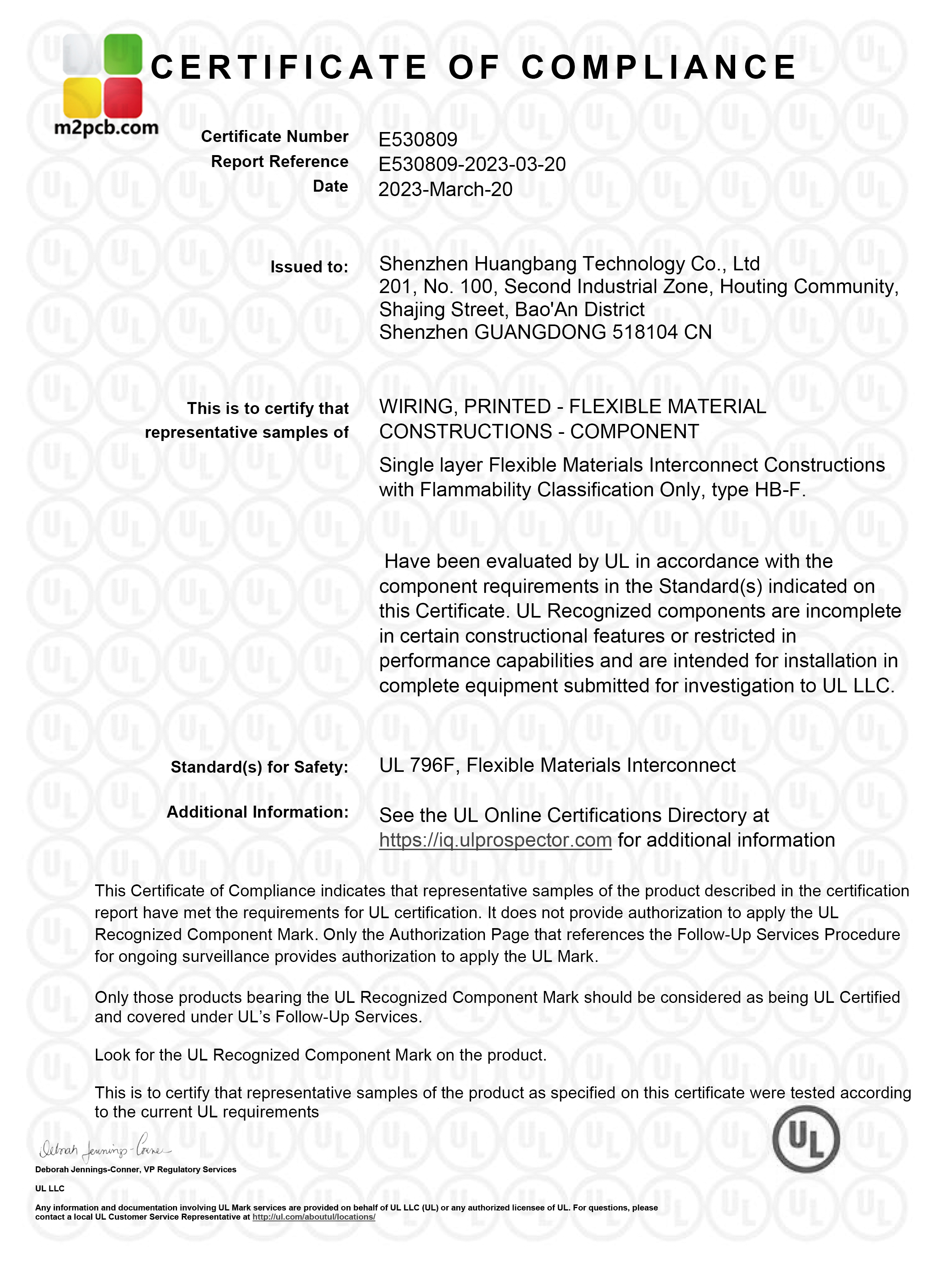
Do not assume compliance. Request valid certification documents. For the North American market, a UL listing (e.g., UL E530809) for the specific flexible circuit board product is essential. For the automotive sector, IATF 16949:2016 certification (e.g., Certificate T184452) indicates adherence to automotive quality management systems. For the EU, ensure the supplier's processes and materials comply with RoHS and REACH directives. A proactive supplier will have a system for raw material declaration to manage this risk.
2. Assess Technical and Customization Capability
Evaluate if the supplier is merely a board fabricator or a solution provider. A capable partner like M2PCB offers OEM/ODM services, handling the entire process from solution design and R&D sampling to circuit board production, SMT assembly, and testing. This one-stop service eliminates the coordination overhead of multiple suppliers, potentially shortening the R&D-to-production lead time. Review their portfolio for relevant experience in your industry, such as medical aesthetics or LED lighting.
3. Scrutinize Quality Control and Testing Protocols
Quality consistency is paramount. Inquire about the in-process and final testing methodologies. Standard practices should include 100% electrical testing (Flying Probe or dedicated test fixtures), Automated Optical Inspection (AOI) for assembly, and for PCBA, X-ray inspection for hidden solder joints. Suppliers with a monthly capacity of 40,000 square meters should have robust, documented quality systems to maintain standards at scale.
4. Clarify Logistics, Incoterms, and Lead Times
Clearly define shipping responsibilities. Common terms for Chinese exports are EXW (Ex-Works) or FOB (Free On Board). Understand who arranges freight, handles customs clearance, and bears the risk at each stage. Discuss realistic lead times, which for flexible PCBs can range from 3 days for prototypes to 20 days for complex production runs. Confirm the supplier has experience shipping to your region (e.g., EU, USA, South America).
5. Define After-Sales Support and Communication
Establish the protocol for post-delivery issues. Is remote technical support available? What is the process for addressing defective units? Ensure there is a single, proficient point of contact for technical and logistical queries. Effective communication channels (e.g., email, WhatsApp for quick updates) are critical for managing a transcontinental supply relationship.
Procurement Insight:
The core differentiator among Chinese suppliers often lies in their integration level. A source factory providing a full turnkey service (PCB + PCBA) can offer lower operational complexity and more control over the final product quality compared to engaging separate fabricators and assemblers.
Regional Compliance: Key Import Requirements for Flexible PCBs and PCBA
Regulatory compliance is non-negotiable and varies by destination. Your supplier must be able to demonstrate and document compliance with these key standards.
- European Union (CE Marking): Flexible PCBs and assemblies must meet the essential health, safety, and environmental protection requirements of applicable EU directives (e.g., Low Voltage Directive, EMC Directive). Compliance with the Restriction of Hazardous Substances (RoHS) and REACH regulations is mandatory.
- United States (UL Certification): For many applications, especially in consumer, medical, and industrial products, Underwriters Laboratories (UL) certification is required or strongly preferred by OEMs. It verifies the product meets specific electrical and fire safety standards (e.g., UL 6950-1).
- Global Automotive (IATF 16949): This is the technical quality management standard for the automotive sector. Suppliers serving automotive Tier 1s and OEMs must be certified, ensuring process control and continuous improvement.
Case Study: Successful Market Entry via a Chinese Flexible PCB Partner
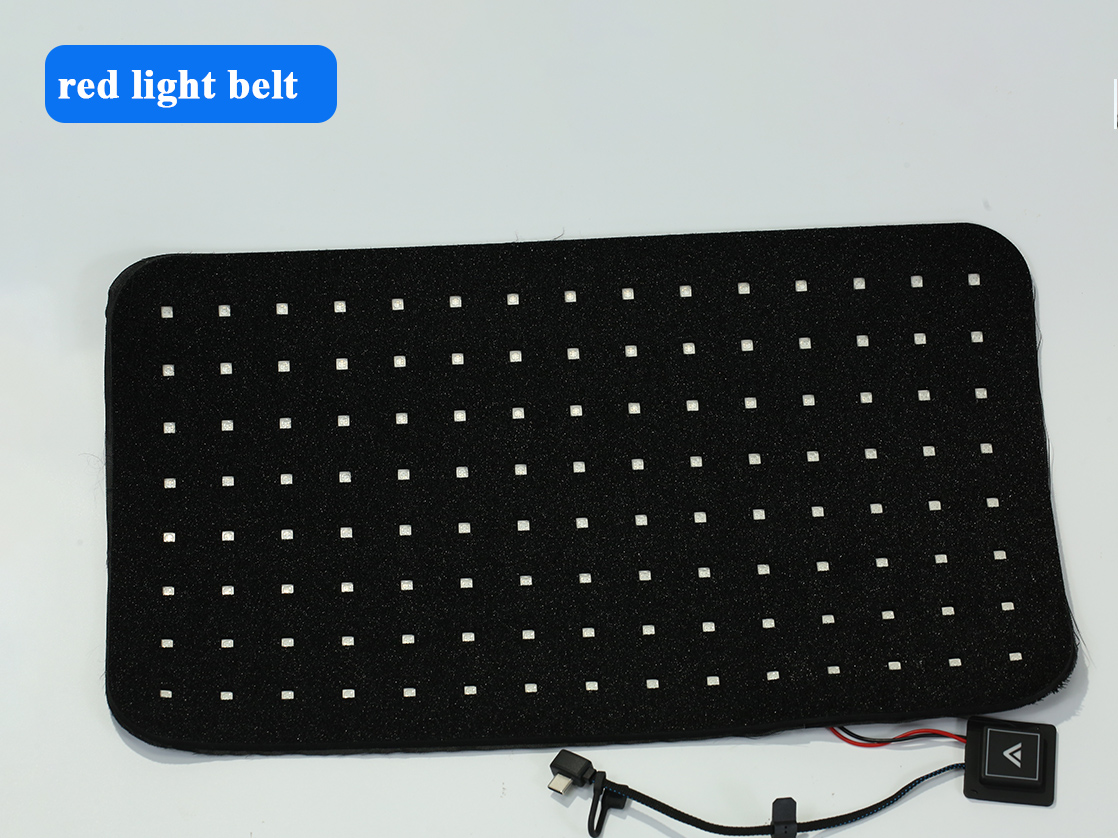
A U.S.-based ODM for red light therapy products sought a reliable supplier for high-volume production of flexible PCBs used in therapeutic belts. The key challenges were consistent quality, compliance with U.S. market standards, and managing a long-term, high-volume order (500,000 pieces over 2 years).
The ODM partnered with M2PCB. The collaboration involved:
- Compliance First: M2PCB provided the necessary UL certification for the flexible circuit boards, ensuring the core component met U.S. safety requirements.
- Integrated Solution: Leveraging its one-stop service model, M2PCB handled the flexible PCB fabrication and the subsequent SMT assembly (PCBA) for the light strips, ensuring component compatibility and quality control throughout.
- Logistics & Support: A clear FOB shipping arrangement and dedicated communication channel were established for order tracking and technical queries.
The result was a stable supply of compliant PCBA units that met the ODM's performance requirements for pain relief products, which were subsequently well-received in the European and American markets. This case highlights how a Chinese supplier's ability to combine certification readiness with full-service production can facilitate a buyer's market entry and scaling.
Conclusion: Aligning Supplier Choice with Strategic Goals
The choice between Chinese, German, and Japanese suppliers is not about finding the "best" but the "most appropriate" for your project's technical requirements, budget, volume, and risk tolerance. For projects prioritizing cost-effective customization, rapid iteration, and one-stop service for industries like LED lighting or medical aesthetics, a technically certified Chinese supplier like M2PCB presents a viable and strategic option. The due diligence process must rigorously address certification, quality systems, and logistics to build a resilient and compliant international supply chain. As the flexible electronics market grows, a nuanced understanding of regional supplier landscapes becomes an increasingly valuable component of procurement strategy.