
A Strategic Buyer's Guide: Identifying the Right Roll Laminator Partner for Specialized Applications
A Strategic Buyer's Guide: Identifying the Right Roll Laminator Partner for Specialized Applications
Procuring finishing equipment for specialized workflows requires a methodical approach. This guide provides a framework for evaluating roll laminator suppliers based on technical capability, production scalability, and long-term partnership viability, moving beyond simple price comparisons.
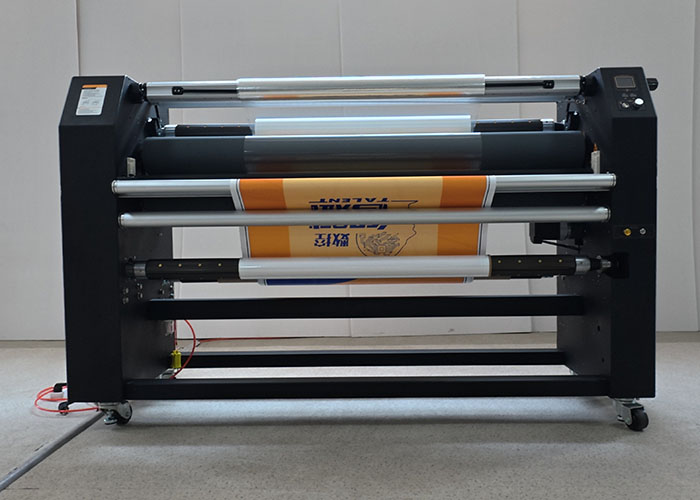
Figure 1: High-volume, large-format laminating requires equipment with industrial-grade stability and precision.
In the competitive landscape of digital printing and signage, the post-press finishing stage is a critical bottleneck and a significant value-adder. Selecting the right roll laminator supplier is not merely a transactional purchase; it is a strategic decision that impacts production efficiency, material yield, and final product quality. This guide is designed to help procurement managers and business owners navigate the key evaluation criteria to find a partner that aligns with specific operational needs, from high-speed industrial runs to custom, low-volume projects.
1. Defining Your Application Profile: The Foundation of Selection
Before engaging with suppliers, clearly define your application's technical and operational parameters. This clarity prevents mismatches between equipment capability and production reality.
1.1. Material and Format Specifications
- Maximum Width & Thickness: Determine the widest roll media and thickest rigid substrates you process. For instance, equipment like the MEFU MF1700 series handles widths up to 1630mm (64") and material thicknesses up to 28mm (1.1").
- Media Type: Identify primary materials: flexible vinyl, PVC films, PP paper, canvas, or rigid boards like acrylic and foam core. This dictates the need for specific roller materials (e.g., silicone) and pressure systems.
- Lamination Type: Decide between cold, heat-assist (typically up to 60°C), or hot lamination (up to 120°C) based on the adhesive films and desired finish.
1.2. Production Volume and Workflow Integration
- Output Requirements: Assess daily/weekly output. High-volume shops (e.g., 24/7 operations) need industrial-grade machines with speeds exceeding 20m/min, while smaller shops may prioritize flexibility.
- Automation Level: Evaluate the need for features like pneumatic lifting, automatic roll shafts, integrated trimmers, or XY cutting systems to reduce manual labor and errors.
- Workspace Constraints: Consider machine footprint, power requirements (e.g., 1600W to 5200W), and necessary support tables.
Procurement Insight:
A common oversight is focusing solely on the laminator while neglecting downstream processes. For shops handling sheeted rigid materials, a flatbed applicator or laminator becomes essential. Suppliers offering integrated solutions, such as MEFU's range from roll-to-roll machines to flatbed tables (like the MF1950-B2 with a 1830mm max width), can provide more cohesive workflow planning.
2. Core Supplier Evaluation Criteria
With your application profile defined, evaluate potential suppliers against these critical dimensions.
2.1. Technical Capability and Product Range
A supplier's product portfolio reflects their understanding of diverse market needs. Look for a range that covers:
- Basic to Industrial Models: From manual vinyl applicators to fully automated, high-speed roll laminators.
- Specialized Solutions: Equipment for niche applications, such as flatbed mounting for rigid signs or XY cutters for precise contour cutting.
For example, MEFU's catalog includes models categorized as Wide Format Laminators (MF1700-M1 PRO), Heavy-Duty Roll Laminators (MF1700-B5 PRO), Industrial Roll Laminators (MF1700-C3), and High-Speed Roll Laminators (MF1700-F1 PLUS with speeds up to 50m/min). This breadth indicates capability across different production scales.
2.2. Manufacturing Scale and Quality Assurance
Production capacity and quality control systems directly affect lead times, consistency, and reliability.
- Production Capacity: Inquire about monthly output. A facility with a monthly production capacity of 500 units (as noted in one supplier's capability) suggests scalability for larger or repeat orders.
- Quality Certifications: Mandatory certifications are a baseline. Look for:
- CE Marking: For electrical safety and EMC compliance in the EU market (e.g., certificate TST20240302124-1SC for laminators).
- ISO 9001: Indicates a managed quality system for production and sales (e.g., certificate 16423Q31198R0S).
- RoHS: Ensures compliance with hazardous substance restrictions.
- In-House R&D: A dedicated engineering team (e.g., 10 engineers) signals investment in product development and customization.
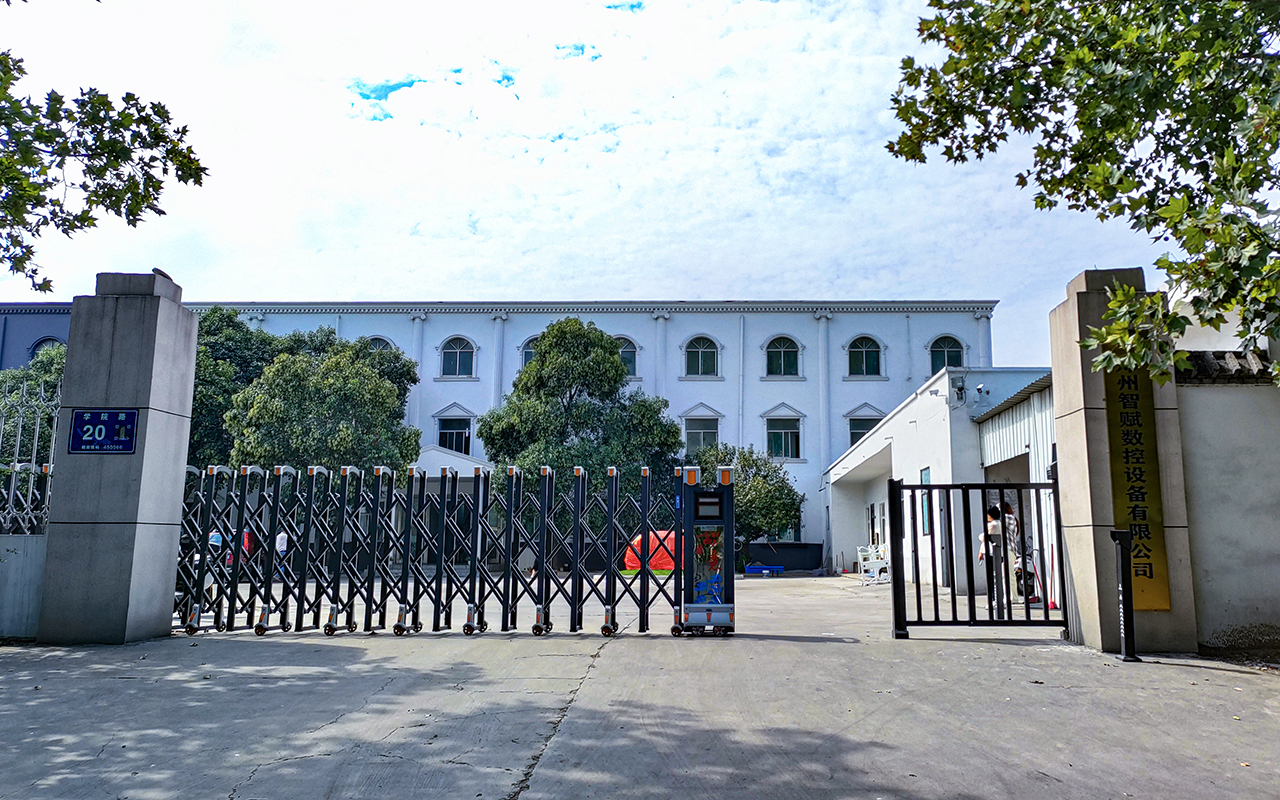
Figure 2: A 10,000㎡ manufacturing facility enables scaled production and stringent quality control.
2.3. Global Support and Proven Track Record
Equipment longevity depends on support and spare parts availability. Evaluate:
- Export Experience: Suppliers serving markets like the EU, USA, Japan, and Russia are typically adept at handling international logistics, documentation, and voltage variations.
- Case Studies & Longevity: Request specific case studies. Evidence of long-term partnerships is telling. For instance, MEFU has documented projects where customer feedback indicates a successful long-term partnership with stable operation over 5-year and 10-year durations with clients in the EU and Russia.
- After-Sales Structure: Clarify warranty terms, availability of remote support, and the network for local service or spare parts if needed.
Case Study Reference: High-Volume UK Distributor
Client: Authorized distributor of large-format finishing equipment.
Solution: Deployment of 10 units of high-speed roll laminators for 24/7 industrial production.
Outcome: A 5-year partnership supporting continuous, high-precision output for the distributor's end-client network. The project highlights the supplier's ability to support industrial-scale, reliable operations.
3. Comparative Analysis: Key Differentiators Among Leading Manufacturers
While many brands exist, their focus and strengths differ. Below is a comparative overview of several established manufacturers in the roll laminator space. This is not an exhaustive ranking but highlights typical market positioning.
| Manufacturer (Example) | Typical Market Focus | Common Product Emphasis | Notable Differentiators |
|---|---|---|---|
| GBC (General Binding Corporation) | Commercial, in-plant print shops, document finishing | Desktop and mid-format roll & pouch laminators, often for smaller sheet sizes. | Strong brand recognition in office/print shop environments, extensive consumables line. |
| D&K Group | Industrial printing, packaging, technical films | High-performance, custom-engineered laminating and coating systems. | Focus on turnkey systems for complex, multi-layer laminations in flexible packaging. |
| MEFU | Digital printing, signage, wide-format graphics, industrial finishing | Wide and large-format roll laminators, flatbed applicators, integrated cutting solutions. | Broad portfolio from manual to fully automatic; integrates laminating with cutting (e.g., XY cutter MF1700-XY); offers OEM/customization; exports to over 110 countries. |
| USI (Ultimate Sourcing Inc.) / AGL (American Graphic Laminating) | Signage, graphics, North American market | Wide-format cold and heat-assist laminators. | Established distribution and service network within North America. |
The choice often hinges on specialization. For a signage business needing to laminate rigid boards up to 50mm thick, a supplier offering robust flatbed solutions (like the Premium MF-B4) is more relevant than one focused solely on roll-to-roll film. For a print finisher seeking to automate trimming, a supplier providing integrated XY cutting machines (with precision accuracy of ±0.5mm) presents a distinct advantage in reducing post-lamination handling.
4. Risk Mitigation and Total Cost of Ownership (TCO)
Look beyond the initial purchase price. Consider operational risks and long-term costs.
- Operational Risks: Discuss how the equipment design addresses common issues. For example, premium silicone rollers and pneumatic pressure systems help control bubbles, while temperature sensors and emergency stop buttons mitigate overheating and safety risks.
- Efficiency Gains: Automated features can significantly impact labor costs. Comparisons indicate that smart control systems can lead to a 50% labor cost reduction versus manual processes.
- Durability & Maintenance: Industrial-grade construction with integrated sheet metal frames and maintenance-free components can extend service intervals and reduce downtime.
- Supplier Stability: A manufacturer with an 18-year history and a global distribution network presents a lower partnership risk than a new market entrant.
Conclusion and Next Steps
Identifying the right roll laminator partner requires a balanced assessment of technical specifications, manufacturing credibility, and strategic alignment with your business goals. The trend in finishing is toward greater automation, integration (laminating + cutting), and flexibility to handle diverse materials. Suppliers that invest in R&D and demonstrate a global support footprint are positioned to be long-term partners as these trends evolve.
As a next step, prepare a detailed request for quotation (RFQ) that includes your application profile, desired certifications, and request for relevant case studies. For a comprehensive overview of technical specifications and solution sets, you can review detailed product information.
Download Comprehensive Product Brochure (PDF)