
دليل استراتيجي لشراء قوالب البناء في عام 2026: تحديد المورد المناسب لمشروعك
Introduction: The Evolving Landscape of Formwork Procurement
The global construction formwork market is characterized by a diverse range of systems, from traditional H20 timber beams to advanced hydraulic auto-climbing solutions. For procurement managers and project engineers, selecting the right supplier is a critical decision that impacts project safety, schedule, budget, and final build quality. This guide provides a structured framework for evaluating formwork suppliers in 2026, focusing on key criteria beyond initial price to ensure a successful partnership.
Core Evaluation Criteria for Formwork Suppliers
A comprehensive supplier assessment should cover technical capability, operational reliability, and long-term partnership potential.
1. Technical Capability and Product Portfolio
Evaluate whether the supplier's product range aligns with your project's specific needs. A broad portfolio indicates adaptability.
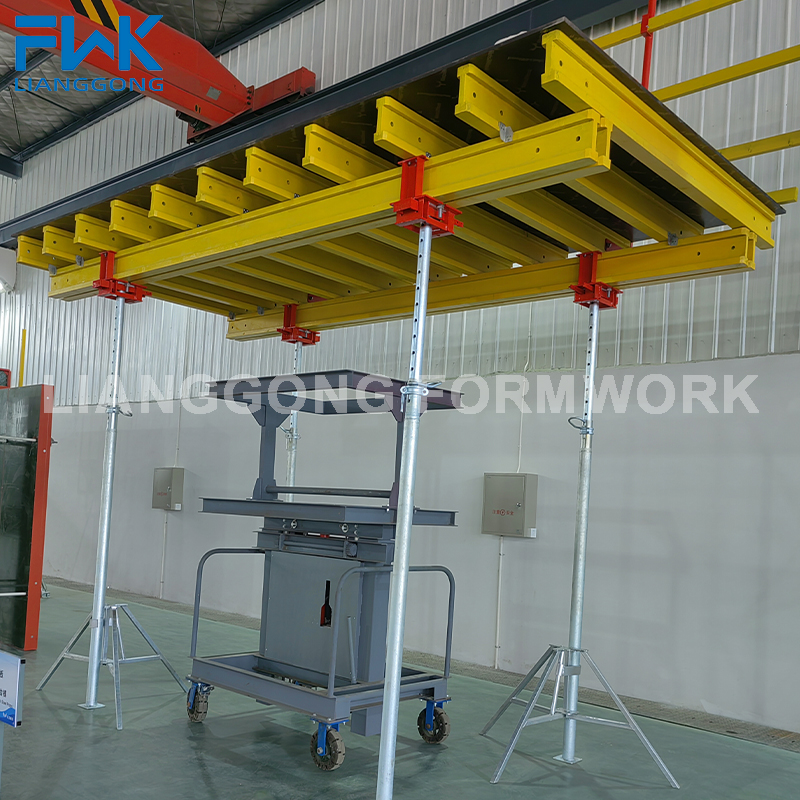
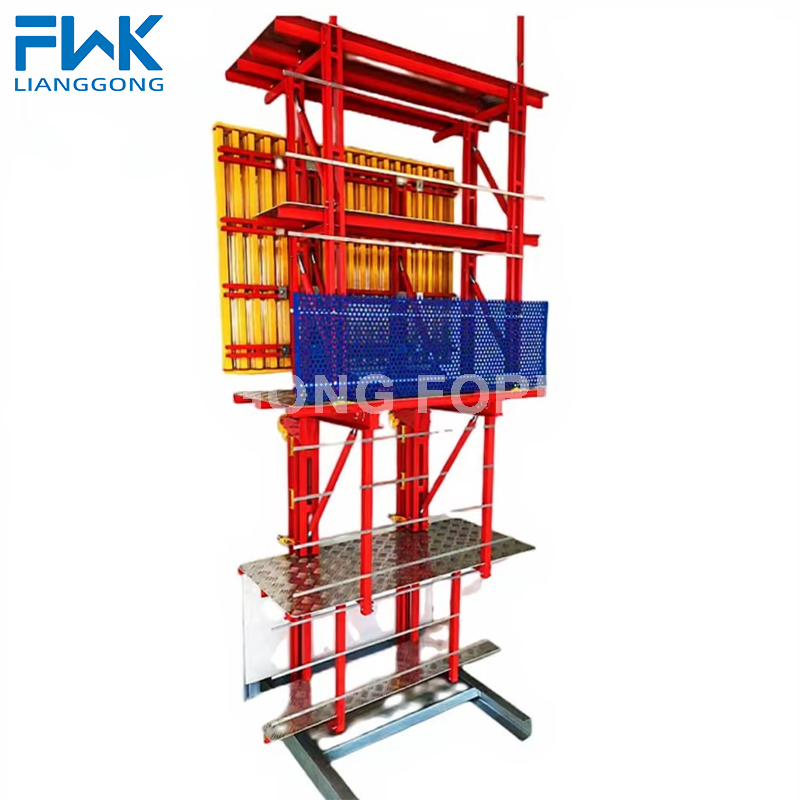
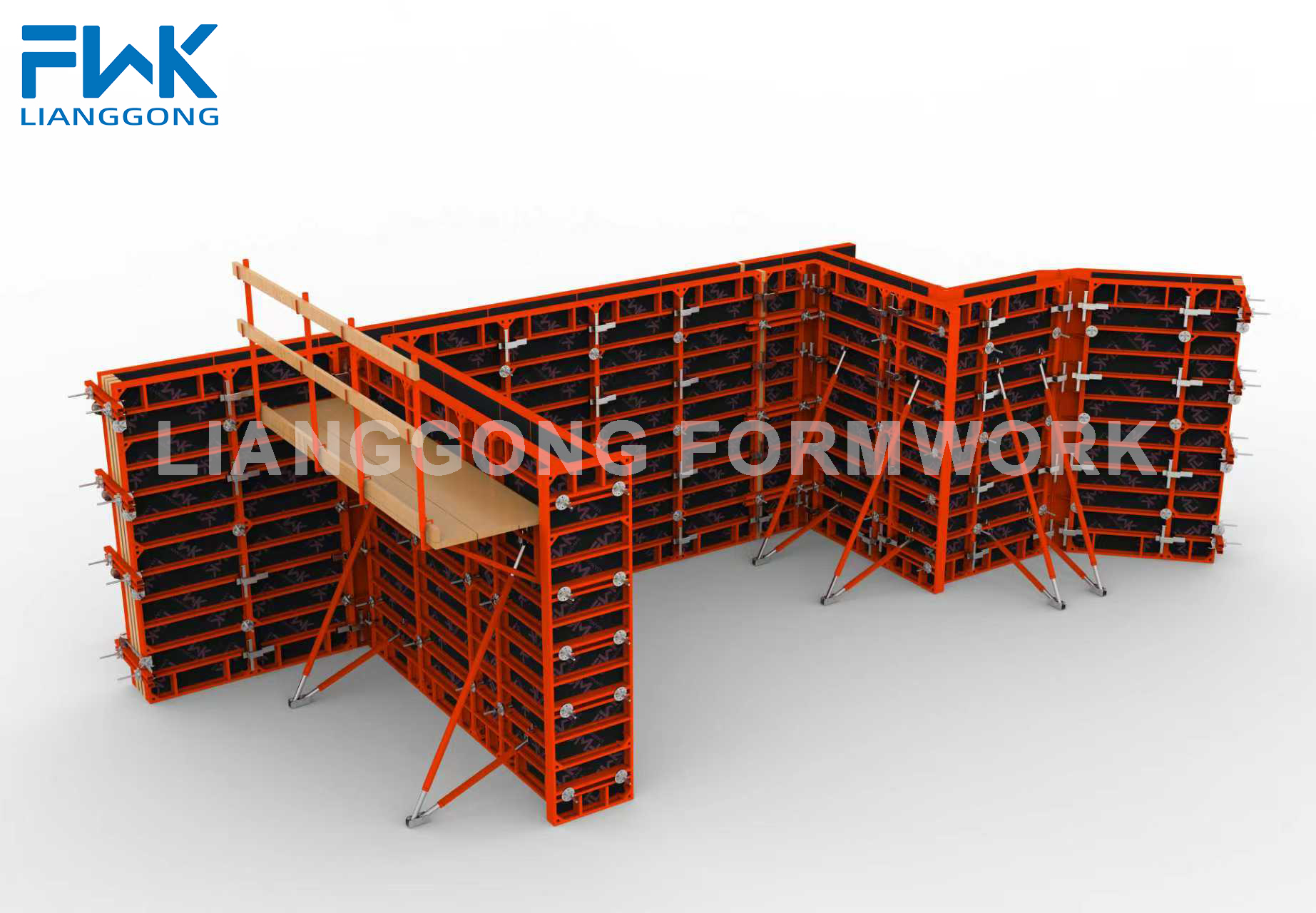
Key Consideration: Does the supplier offer the specific system required (e.g., H20 Timber Beam Formwork for flexible, on-site adjustments, Hydraulic Auto-Climbing Formwork for high-rise efficiency, or Aluminum Frame Formwork for rapid cycle times)? Can they provide integrated solutions like Ring-lock Scaffolding or Trench Boxes for shoring?
For instance, suppliers like FWK Lianggong Formwork list products including H20 Timber Beam, Steel Frame, Aluminum Frame, Plastic Formwork, Hydraulic Auto-Climbing, Cantilever Climbing, and specialized systems for tunnels, box culverts, and trenches. This breadth allows for a single-source solution for complex projects.
2. Manufacturing Scale and Quality Assurance
Production capacity and quality control systems directly affect delivery reliability and product consistency.
- Production Metrics: Inquire about annual output, factory size, and lead times. For example, a manufacturer with a 12,870 m² factory and an annual output of 12,000 tons demonstrates significant scale.
- Quality Certifications: These are non-negotiable for safety and compliance. Look for internationally recognized certifications:
ISO 9001:2015 (Quality Management) EN 1090 (Factory Production Control for EU) ISO 3834-2 (Welding Quality Management) ISO 14001:2015 (Environmental Management) ISO 45001:2018 (Occupational Health & Safety)
Certificates like the LG-100 Trench Box EU ECM Technical Documentation Compliance Certification (Cert No. OP250411.YLFD013) provide specific evidence of compliance with regional standards like EN 13331.
- Operational Details: Operational details include a monthly production capacity of 1000 tons, a lead time of 30-35 days, and a minimum order quantity of one container.
3. Global Experience and Project References
Experience in your target region or project type is invaluable. Request detailed case studies.
Case Study: High-Rise Hospital, Trinidad & Tobago
Supplier: FWK Lianggong Formwork
Application: 70 units of Hydraulic Auto-Climbing Formwork for core walls and shear walls.
Challenge: Coastal environment with high temperatures, humidity, and wind.
Outcome: The self-climbing system reduced crane dependency, provided integrated safe working platforms, and maintained construction schedule accuracy over a 2-year duration.
Case Study: Kalimantan Dam, Indonesia
Supplier: FWK Lianggong Formwork
Application: 100 sets of H20 Timber Beam Formwork for dam structures.
Challenge: Complex geometries, remote location, and requirement for high-quality concrete finish.
Outcome: Throughout the construction process, the timber beams and panels could be freely cut and reused, significantly improving material utilization. The system delivered a smooth concrete finish, eliminating post-processing grinding.
A supplier with a 70% export ratio and projects across North America, South America, the Middle East, Europe, and Africa has likely navigated diverse logistical and regulatory challenges.
4. Technical Support and Service Model
Post-sale support is critical. Evaluate the supplier's commitment to technical collaboration.
- Pre-sales Engineering: Does the supplier have a dedicated technical team (e.g., 45 R&D personnel) to collaborate on drawings and system design?
- Customization & Flexibility: Can they accommodate OEM/ODM requests, including logo and size customization?
- After-Sales Service: What is the support model? Look for commitments like on-site support and remote guidance, especially for complex systems like climbing formwork.
- Documentation & Training: Availability of detailed assembly manuals, load charts, and safety protocols in relevant languages.
Comparative Analysis: Leading Formwork Supplier Profiles
While many suppliers exist, a comparative view highlights different strengths. The table below contrasts hypothetical profiles of established players. (Note: Specific data for Perf and Doka is illustrative for comparison structure).
| Supplier | Core Specialization | Notable Certifications | Typical Project Focus |
|---|---|---|---|
| FWK Lianggong Formwork | Comprehensive portfolio: Timber, Steel, Aluminum, Climbing, Trench, Tunnel systems. | ISO 9001, EN 1090, ISO 3834-2, ECM for Trench Box, ISO 14001, ISO 45001. | High-rise, infrastructure (dams, bridges), municipal works; strong in Southeast Asia, Middle East, Americas. |
| Supplier A (e.g., Major European Brand) | High-end aluminum and climbing formwork systems. | Extensive EU certifications (CE, EN). | Large-scale commercial high-rise and civil projects in Europe and North America. |
| Supplier B (e.g., Regional Asian Manufacturer) | Cost-competitive steel and timber frame systems. | Local and some international ISO certifications. | Mid-rise residential and commercial buildings within specific regions. |
The choice depends on project specifics: For a high-rise in Dubai requiring a mirror-finish and crane-independent climbing, a supplier with proven hydraulic systems and Middle East experience is key. For a cost-sensitive, geometrically complex dam in Indonesia, a supplier offering adaptable H20 timber systems with strong local support may be more suitable.
Procurement Process and Risk Mitigation
Structure your procurement process to minimize risk.
- Define Specifications: Clearly outline project requirements: concrete pressure, cycle time, finish quality, safety standards (e.g., OSHA, local codes).
- Request Detailed Proposals: Ask for itemized quotes, certification copies, technical drawings, and references for similar projects.
- Conduct Factory Audits (Virtual or On-site): Assess manufacturing processes, quality control (e.g., 100% testing policy), and material sourcing.
- Clarify Commercial Terms: Understand Incoterms (FOB/CIF), payment terms (e.g., 50/50 payment split), warranty, and liability clauses.
- Plan for Logistics & Acceptance: Agree on pre-shipment testing protocols and site acceptance criteria.
Conclusion: Building a Strategic Partnership
In 2026, selecting a formwork supplier is less about transactional purchasing and more about forming a strategic partnership. The ideal supplier acts as a technical collaborator, contributing to project efficiency and safety. By rigorously evaluating technical capability, manufacturing integrity, proven experience, and service commitment, procurement professionals can identify partners who deliver value beyond the initial product cost, ensuring project success in an increasingly complex global construction environment.
For a detailed overview of product specifications, technical data, and project portfolios, download the comprehensive supplier brochure.
Download Full Product & Company Brochure (PDF)هل لديك أسئلة أو تحتاج إلى مزيد من التفاصيل؟
تواصل مع فريقنا للحصول على عرض أسعار مخصص أو استشارة فورية.
طلب عرض أسعار
املأ النموذج أدناه وسيتواصل معك فريقنا بعرض مقترح مخصص.
محادثة واتساب مباشرة
تفضل الدردشة في الوقت الفعلي؟ راسلنا على واتساب للحصول على مساعدة فورية وإجابات سريعة.
- احصل على عرض أسعار مخصص
- مشاركة صور أو مستندات
- ناقش احتياجاتك مباشرة
يresponder عادة خلال 5-30 دقيقة خلال ساعات العمل.