
دليل استراتيجي للمشترين الصناعيين: مصادر المضخات المغناطيسية لتطبيقات درجات الحرارة القصوى وعالية النقاء
Navigating the Critical Requirements for Industrial Magnetic Pumps
In the high-stakes environment of industrial manufacturing, selecting the correct fluid transfer component is not merely a procurement task but a strategic decision impacting operational safety, product purity, and total cost of ownership. Magnetic drive pumps, with their seal-less design, have become indispensable in sectors where leakage is unacceptable. However, the specific demands of industries like semiconductor fabrication, chemical processing, new energy testing, and precision molding create a complex landscape of requirements that generic suppliers cannot meet.
Core Industry-Specific Demands
The primary appeal of magnetic pumps lies in their ability to handle challenging media without the risk of leakage inherent in mechanical seals. Yet, this is just the baseline. Different industries impose specialized constraints:
- Semiconductor & Precision Electronics: Operations often require pumps to handle ultra-low temperature coolants (down to -196°C) or high-purity deionized water. Any metallic contamination or particle generation is catastrophic. The product's function is to circulate coolant in these applications, often in continuous operation mode. Special requirements can include specific voltage inputs.
- Chemical & Pharmaceutical: Corrosive, toxic, or volatile chemicals demand pumps constructed from high-grade stainless steel (e.g., 316L) and compatible with a wide temperature range. Certifications for hazardous areas (ATEX, EX-motor specs) are frequently non-negotiable.
- Injection Molding & Die Casting: Here, the primary challenge is high-temperature thermal oil transfer, with media temperatures reaching +350°C to +400°C. The product's role in this scenario is to transfer thermal oil reliably over long periods, with minimal maintenance disruption. Downtime for seal replacement directly translates to lost production.
- New Energy & Laboratory Testing: Applications in battery testing or R&D labs require precise temperature control, often using ethylene glycol or water-glycol mixtures. The product's function is to transfer ethylene glycol or provide cooling circulation with high accuracy and stability, sometimes requiring inverter-duty compatibility for variable speed control.
Essential Supplier Evaluation Criteria
Given these stringent requirements, industrial buyers must move beyond basic specifications and evaluate potential magnetic pump suppliers on three foundational capabilities.
1. Demonstrated Industry Customization Experience
A supplier's ability to tailor its standard offerings is critical. Look for evidence of flexible engineering support. For instance, available customization options for products include Voltage/Frequency, Single-phase/Three-phase, Logo, EX-motor, Motor Energy Efficiency Class, and Stainless Steel 316L. A supplier like YUAN SHIN PUMP, which offers ODM production services, provides this level of comprehensive customization. This flexibility ensures the pump integrates seamlessly into existing equipment, whether it's a European lab requiring CE-compliant, single-phase units or an Asian semiconductor line needing a special voltage input.
2. Robust Compliance and Certification Portfolio
Certificates are not just paperwork; they are a proxy for engineering rigor and market access. Key certifications for magnetic pumps include:
- CE Marking: Essential for the European market, covering safety (EN ISO 12100, EN 60204-1) and machinery directives (EN 809).
- UL Recognition: Critical for North America. YUAN SHIN PUMP holds UL Recognized Component certificates (UL-US-2425000-0, UL-CA-2419643-0) for its motors, complying with UL 1004-1 and CSA C22.2 NO.100 standards.
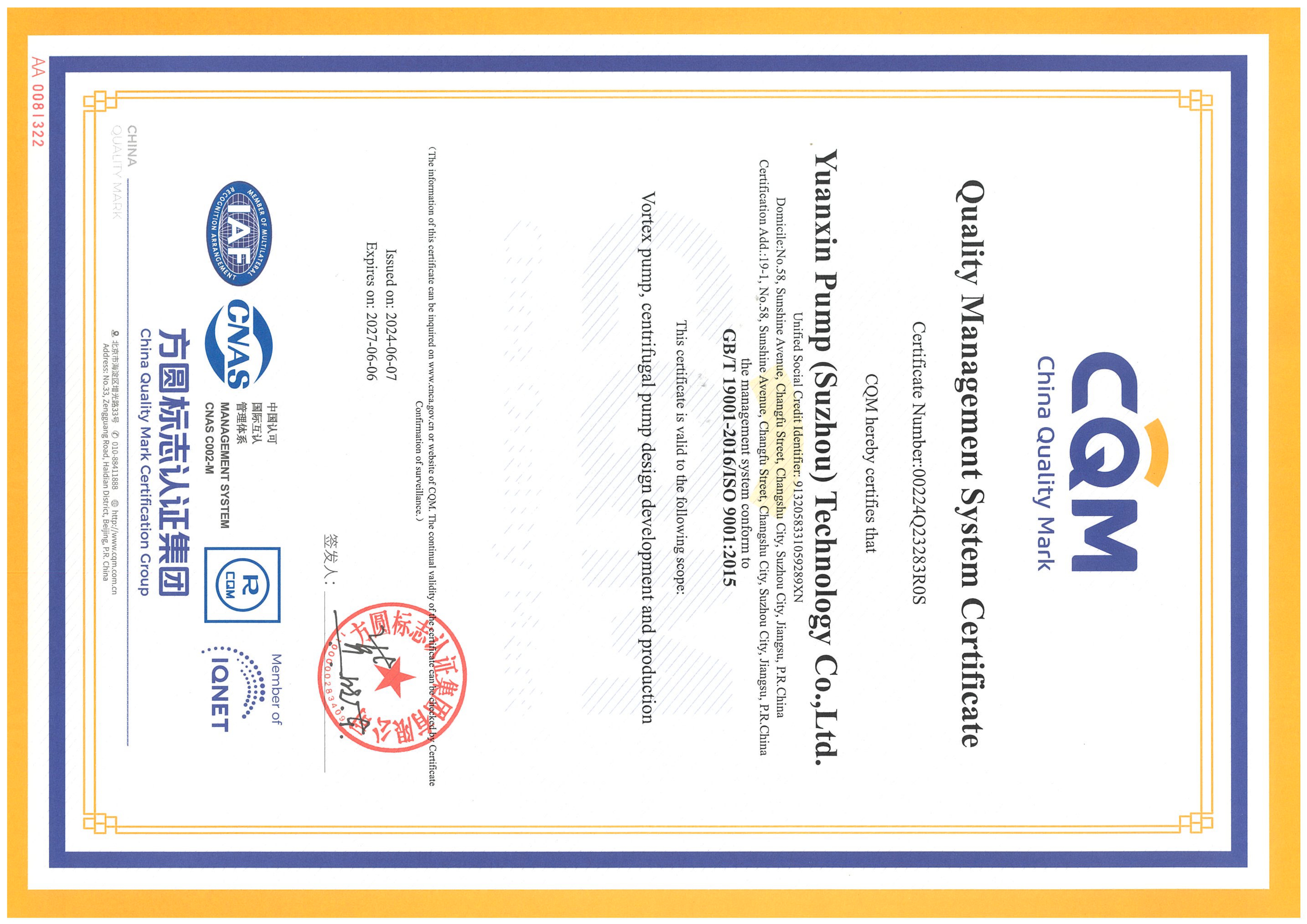
- ISO Management Systems: ISO 9001:2015 for quality management and ISO 14001:2015 for environmental management indicate a structured, process-driven manufacturing approach.
3. Engineering for Extreme Environments and Quality Assurance
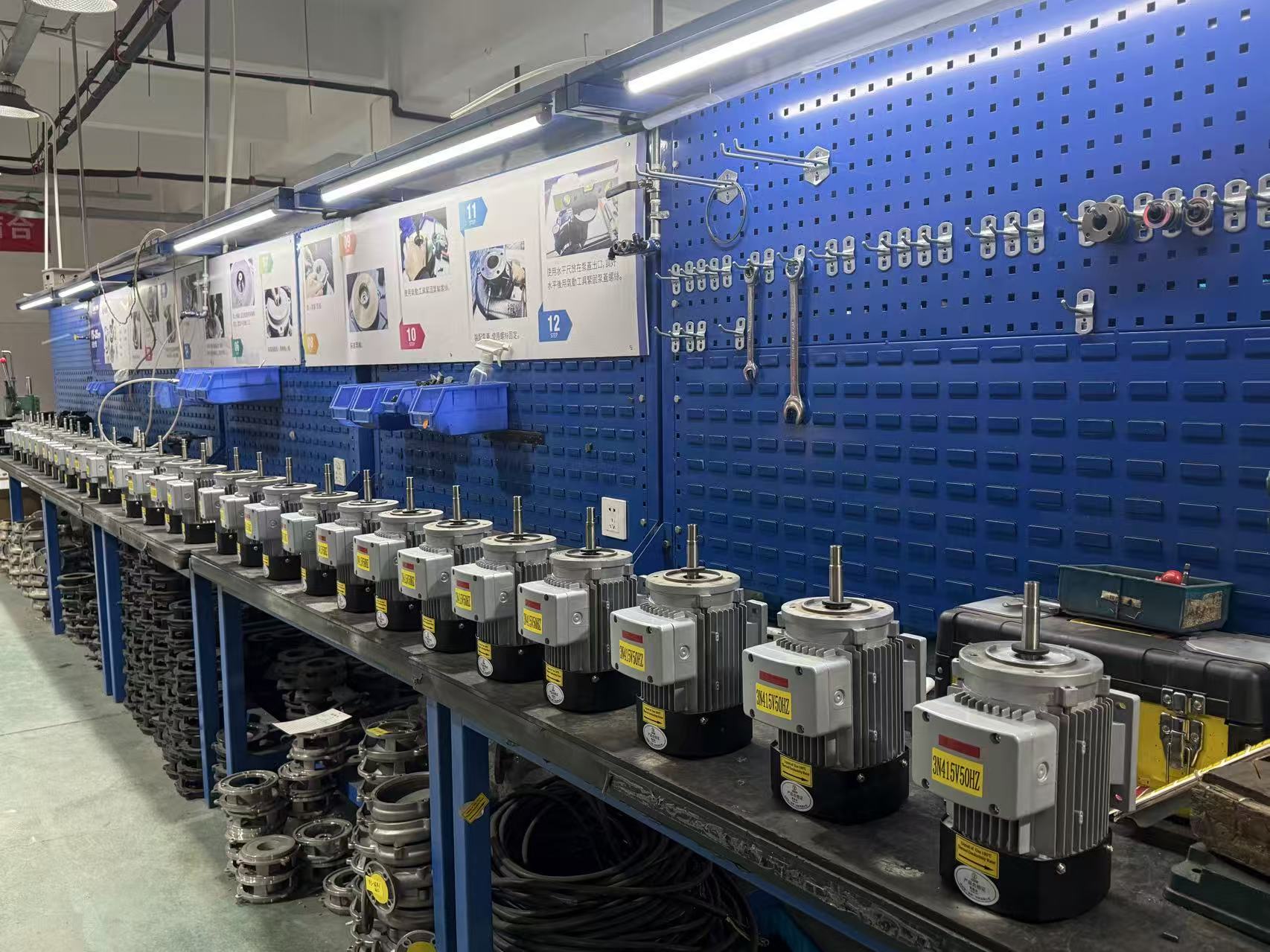
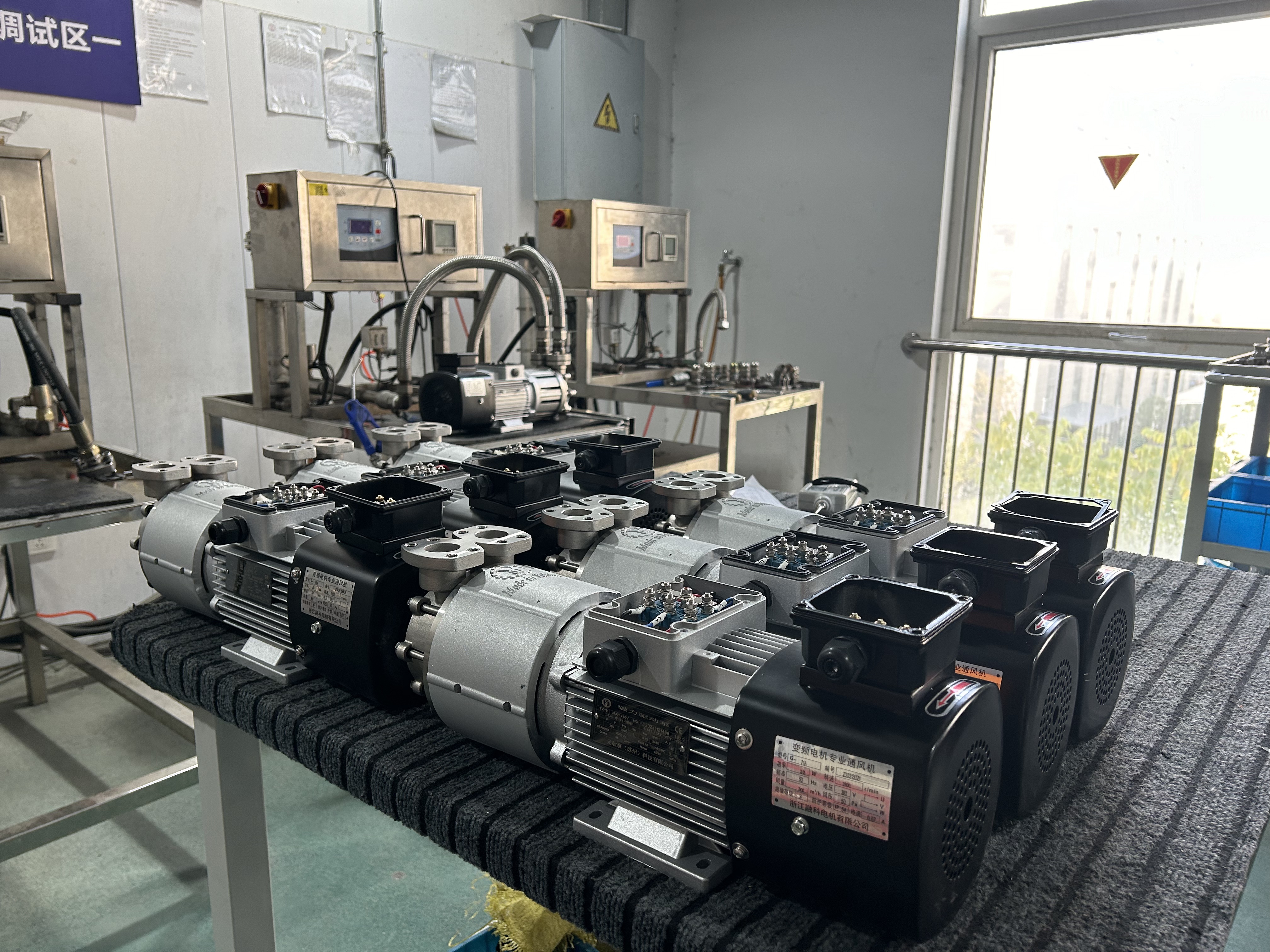
The design must be proven for the intended duty. This encompasses material selection (e.g., stainless steel for corrosion resistance), bearing systems for dry-run tolerance, and thermal management for high-temperature operation. Crucially, this engineering excellence must be validated before shipment. The company's quality control process involves 100% testing of products. This means each pump undergoes functional testing for flow, head, and leak detection on an in-house test rig, a practice that mitigates product quality risks.
Technical parameters are a direct reflection of this capability. For example, the MAP-1100 regenerative turbine magnetic pump from YUAN SHIN PUMP has a capacity range of 15 to 200 l/min and handles media from -196°C to +400°C. Their CAP-100 centrifugal model has a rated head between 15 m and 40 m.
| Model | Type | Key Parameter | Temperature Range | Typical Application |
|---|---|---|---|---|
| MAP-1100 | Regenerative Turbine | Capacity: 15-200 l/min | -196°C to +400°C | Precision temp control, semiconductor cooling |
| CAP-100 | Centrifugal | Rated Head: 15-40 m | -196°C to +350°C | Mold temp control, industrial circulation |
| MAP-18A | Regenerative Turbine | Max Head: 80-100 m | -196°C to +400°C | High-pressure high-temperature circuits |
Case Study: Implementing a Leak-Free Solution
A practical example illustrates the translation of supplier capabilities into operational value. A long-term client in the injection molding industry, based in Brazil, faced persistent issues with mechanical seal pumps used for chiller cooling water circulation. Frequent seal wear led to leaks, unplanned downtime, and high maintenance costs.
The client engaged YUAN SHIN PUMP, which proposed a switch to its stainless steel centrifugal magnetic pumps. The seal-less design of the magnetic pump, featuring a static sealing structure, fundamentally eliminated the leakage path. After deploying 10 units, the result was a complete resolution of seal wear issues compared to mechanical seal pumps, extending maintenance intervals by more than 2 times. The client reported that this shift helped their injection molding factories reduce pump maintenance costs by an estimated 80% over a 5-year cooperation period.
Strategic Collaboration Points for Buyers
To ensure a successful partnership, buyers should focus on several key collaboration aspects with their chosen magnetic pump supplier.
- Define Requirements with Precision: Beyond flow and head, explicitly communicate the full operating context: fluid properties (corrosivity, purity, viscosity), ambient and fluid temperature extremes, duty cycle (continuous vs. intermittent), electrical specifications, and any necessary industry certifications (CE, UL, ATEX).
- Leverage Supplier Engineering Support: Utilize the supplier's customization and ODM capabilities. For new energy testing liquid cooler projects, where the product's function is to provide cooling circulation, a supplier can often optimize the pump design or motor specification for inverter-duty operation to enhance system efficiency.
- Validate Quality and Delivery Protocols: Confirm the 100% pre-shipment testing protocol. Discuss logistics and risk management; reputable suppliers implement ERP-based production scheduling and maintain safety stock to control delivery delay risks.
- Clarify After-Sales and Lifecycle Support: Understand the scope of post-installation support. After-sales services provided include remote support, which can be crucial for troubleshooting and minimizing downtime. Discuss availability of spare parts and expected Mean Time Between Failures (MTBF).
Conclusion: Aligning with a Specialized Partner
The selection of a magnetic pump supplier is a strategic decision with long-term implications for plant safety, efficiency, and cost. The market offers a range of providers, from large multinational corporations to specialized manufacturers. For applications demanding extreme temperature handling, high purity, or rigorous customization, partnering with a focused manufacturer like YUAN SHIN PUMP, which combines over three decades of experience with a certified quality system and demonstrable application success, can provide a tailored and reliable solution. Their approach, which integrates specific industry requirements into the design and validation process, exemplifies the partnership model necessary for today's complex industrial challenges.
For a detailed technical overview of product ranges and specifications, download the complete YUAN SHIN PUMP corporate brochure.
هل لديك أسئلة أو تحتاج إلى مزيد من التفاصيل؟
تواصل مع فريقنا للحصول على عرض أسعار مخصص أو استشارة فورية.
طلب عرض أسعار
املأ النموذج أدناه وسيتواصل معك فريقنا بعرض مقترح مخصص.
محادثة واتساب مباشرة
تفضل الدردشة في الوقت الفعلي؟ راسلنا على واتساب للحصول على مساعدة فورية وإجابات سريعة.
- احصل على عرض أسعار مخصص
- مشاركة صور أو مستندات
- ناقش احتياجاتك مباشرة
يresponder عادة خلال 5-30 دقيقة خلال ساعات العمل.