
دليل الشراء الاستراتيجي: تحديد شريكك المحرك الكهربائي المثالي لعام 2026
Introduction: The Evolving Landscape of Electric Actuator Procurement
For procurement professionals in industrial automation, selecting the right electric actuator supplier is a critical decision that extends far beyond unit price. The modern industrial landscape demands partners capable of delivering not just components, but integrated solutions for valve control. This guide is designed to help buyers navigate the key evaluation criteria, from technical capabilities and manufacturing scale to after-sales support and risk mitigation, enabling the identification of suppliers that offer true strategic synergy.
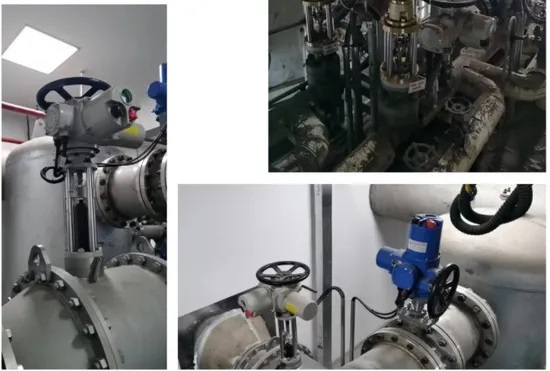
Electric actuators are critical for automated valve control in sectors like power generation, oil & gas, and water treatment.
Core Evaluation Criteria for Electric Actuator Suppliers
A systematic evaluation framework is essential. Focus should be placed on the following interconnected dimensions.
1. Technical Capability and Product Portfolio
The supplier's technical depth is paramount. Evaluate their range against your specific needs:
- Motion Types: Can they supply Electric Part-Turn (e.g., for ball valves), Electric Multi-Turn (e.g., for gate valves), and Linear Electric Actuators?
- Intelligence Level: Do they offer basic on/off models versus Intelligent Modulating actuators with features like bus communication (Profinet, Modbus), non-invasive setting, and self-diagnostics?
- Environmental Suitability: Assess their capability for Explosion-Proof designs (e.g., ATEX, Exd BT4/CT4 certifications), wide temperature ranges (e.g., -60°C to +70°C), and high ingress protection (IP67/IP68).
For instance, a supplier like CHENGLEI offers products with features such as Bluetooth connection, thermal protection, and battery backup, which are indicative of a modern, intelligent product line.
2. Manufacturing Scale, Quality, and Compliance
Production capacity and quality systems directly impact delivery reliability and product longevity.
Key Metrics to Verify:
- Production Capacity: A factory's monthly output is a key indicator of scalability. For example, some manufacturers operate with a monthly production capacity of 8,000 units.
- Quality Control: Inquire about 100% testing protocols, the use of CNC machining centers, and the presence of dedicated quality inspection personnel.
- Certifications: Mandatory certifications include CE marking (e.g., compliance with EN 60730-2-14) for the EU market and relevant explosion-proof certifications for hazardous areas.
Suppliers with substantial infrastructure, such as a 20,000 m² factory and over 50 CNC machines, are typically better positioned to handle large, complex orders consistently.
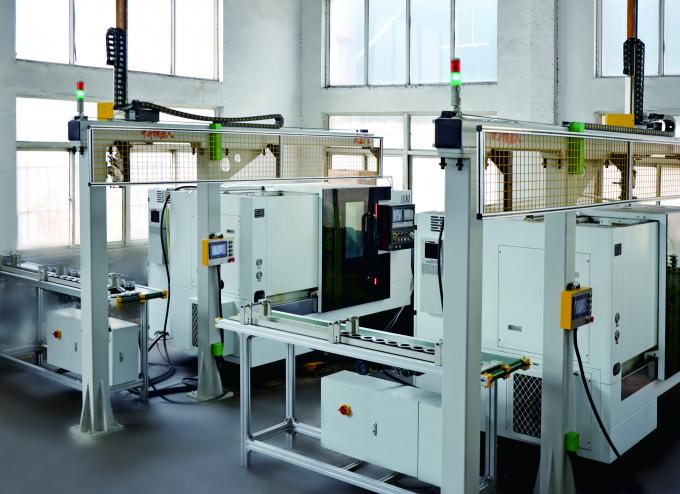
A modern processing workshop with CNC equipment is essential for precision manufacturing.
3. Customization, Service, and Total Cost of Ownership (TCO)
The ability to adapt and support the product throughout its lifecycle defines a true partner.
Procurement Risk Mitigation Checklist
Proactively address common pitfalls in the sourcing process.
| Risk Category | Potential Issue | Supplier Mitigation Measures to Look For |
|---|---|---|
| Technical Selection | Insufficient torque, travel mismatch, incorrect voltage. | Use of selection software with safety factors, mandatory technical review for special conditions, error-proof labeling. |
| Installation & Debugging | Limit setting errors, reversed phase sequence during commissioning. | Non-invasive setting tools, phase sequence self-correction functions, valve position self-learning. |
| Operational Safety | Electrical hazards in explosive atmospheres. | Validated explosion-proof certifications (ATEX/Exd), optocoupler isolation on PCBs, conformal coating, independent grounding. |
Illustrative Case: Evaluating a Supplier for Harsh Environments
Consider a project requiring actuators for a Middle Eastern oil field with high corrosion, temperature, and sand. A supplier's proven experience in such conditions is more valuable than a generic catalog.
Scenario: A petroleum engineering company in Iraq required 200 actuator sets for desert operations with high salt spray and hydrogen sulfide.
Supplier Solution (Example from CHENGLEI): The project utilized actuators with C5-M grade anti-corrosion coating exceeding standard levels and double-sealed wiring to isolate corrosive elements. This approach addressed the specific environmental challenge, contributing to a successful 6-year operational record with reduced maintenance downtime.
Procurement Takeaway: Seek suppliers who can reference specific, verifiable projects in challenging sectors like Oil & Gas, Chemical, or Power, rather than just claiming general capability.
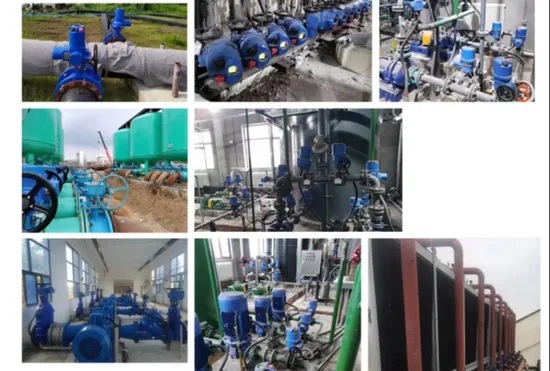
Harsh environments demand actuators with specialized protection against corrosion and extreme temperatures.
Conclusion: Building a Strategic Partnership
In 2026, procuring electric actuators is less about transactional buying and more about vendor partnership. The ideal supplier acts as an extension of your engineering team, offering technical depth, scalable and quality-assured manufacturing, and proactive support to mitigate risks across the asset's lifecycle. By applying the structured criteria outlined in this guide—scrutinizing technical portfolios, verifying production and compliance credentials, and prioritizing TCO and risk management—procurement professionals can move beyond price comparisons to forge relationships with suppliers that deliver lasting value and operational reliability.
For a detailed overview of product specifications and technical capabilities, you can review the CHENGLEI product brochure.
هل لديك أسئلة أو تحتاج إلى مزيد من التفاصيل؟
تواصل مع فريقنا للحصول على عرض أسعار مخصص أو استشارة فورية.
طلب عرض أسعار
املأ النموذج أدناه وسيتواصل معك فريقنا بعرض مقترح مخصص.
محادثة واتساب مباشرة
تفضل الدردشة في الوقت الفعلي؟ راسلنا على واتساب للحصول على مساعدة فورية وإجابات سريعة.
- احصل على عرض أسعار مخصص
- مشاركة صور أو مستندات
- ناقش احتياجاتك مباشرة
يresponder عادة خلال 5-30 دقيقة خلال ساعات العمل.