
دليل تقني لمصادر التيتانيوم الصناعي ودقة أجزاء التصنيع باستخدام الحاسب الآلي
A Technical Guide for Sourcing Industrial Titanium and Precision CNC Machining Parts
For procurement specialists in high-tech manufacturing, selecting the right supplier for industrial titanium and precision CNC machined components is a critical decision that impacts product performance, regulatory compliance, and supply chain stability. This guide outlines the core requirements across key industries, defines essential supplier capabilities, and provides a framework for successful partnership, drawing from real-world application data and supplier profiles.
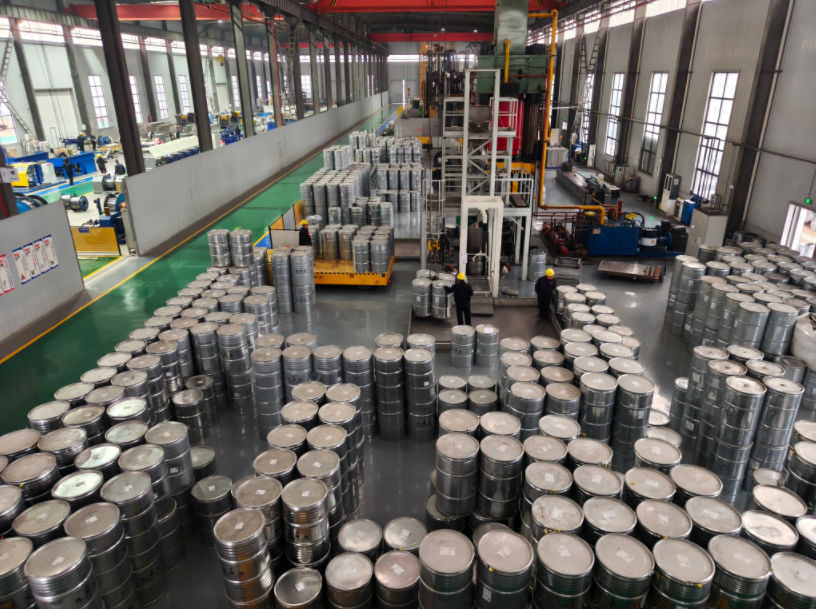
Titanium sponge smelting line: A critical upstream process for ensuring material purity.
1. Industry-Specific Requirements for Critical Applications
Different sectors impose unique and stringent demands on titanium materials and machined parts. Understanding these is the first step in vendor qualification.
Medical & Biomedical
This sector demands the highest levels of biocompatibility, precision, and traceability. Components like medical titanium rods and CNC medical parts for implants and surgical instruments must be manufactured from certified grades (e.g., CP Ti Grade 1-4, Ti-6Al-4V ELI) and often require surface finishes that prevent bacterial adhesion and promote osseointegration. Regulatory adherence to standards like ISO 13485:2016 for medical device quality management is non-negotiable.
Aerospace & Defense
Components must withstand extreme stress, temperature fluctuations, and corrosive environments. Aerospace CNC machined parts require high strength-to-weight ratios, often utilizing alloys like Ti-6Al-4V (Grade 5) and Inconel. Machining tolerances are exceptionally tight, and documentation for material traceability and process control is mandatory for safety certification.
Electrochemical & Water Treatment
Applications such as swimming pool disinfection, metal plating, and cathodic protection rely on titanium anodes and electrodes. The core requirement here is electrochemical stability and longevity. Coatings of precious metals like ruthenium or iridium must be uniform and durable to achieve a functional lifespan of 5,000 to 15,000 hours. The product's role in a salt chlorinator system, for instance, is to disinfect swimming pool water through electrolysis.
New Energy & Semiconductor
Components for fuel cells, electrolyzers, and semiconductor manufacturing equipment require high purity, corrosion resistance to specific chemicals, and precise thermal management properties. Precision CNC machining parts for these fields must be free of contaminants and maintain dimensional stability under operational loads.
2. Supplier Selection: Three Essential Capabilities
Beyond basic manufacturing, a qualified supplier must demonstrate proficiency in three key areas.
Capability 1: Deep Industry Customization Experience
Suppliers should offer comprehensive customization services based on customer drawings and specifications. This includes adapting processes for sector-specific needs. For example, KOBO utilizes medical-specific calibration for its 3-axis, 4-axis, and 5-axis CNC Milling & Turning operations when producing medical components. Similarly, drone-specific calibration is applied for lightweight aerospace parts. The ability to supply pure titanium and titanium alloy products in multiple forms—bars, sheets, coils, pipes, and wires—is a baseline expectation.
Capability 2: Robust Quality Management and Compliance
Certifications are a fundamental indicator of a systematic approach to quality. Relevant certifications include ISO 9001:2015 for general quality management and ISO 13485:2016 for medical devices. Quality control must be rigorous, incorporating both in-house and third-party verification. A robust system includes 100% product testing and high-precision instrument inspection post-production to mitigate risks like dimensional mismatch. Suppliers like KOBO implement controls from the raw material source, using first-class titanium sponge and applying multiple melting cycles (e.g., Electron Beam, Vacuum Arc Remelting) to ensure material integrity.
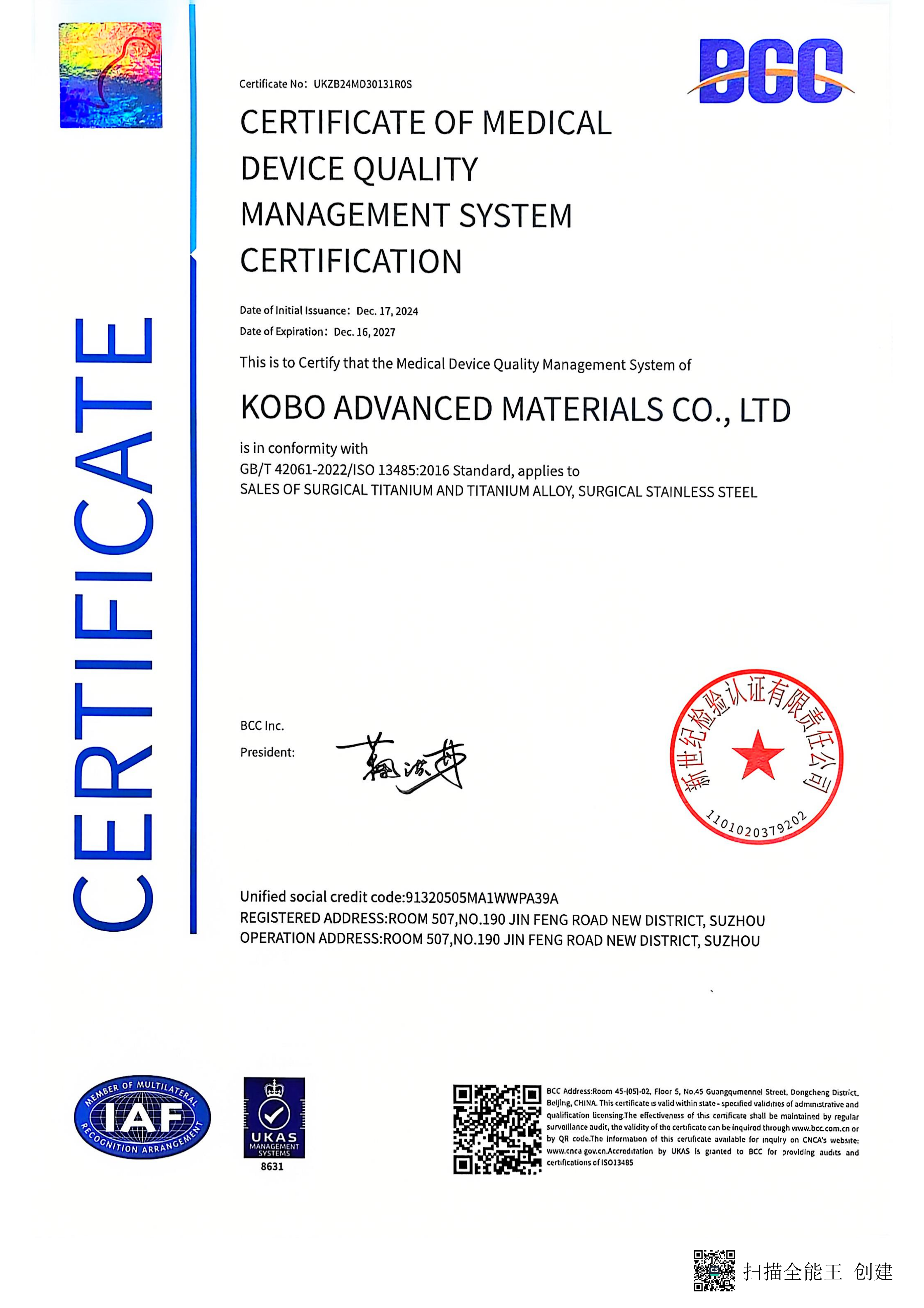
ISO 13485:2016 Certificate for medical device quality management (Cert. No. UKZB24MD30131ROS).
Capability 3: Technical Support and Supply Chain Reliability
Post-sales and technical support, including remote assistance, is crucial for troubleshooting and maintaining production continuity. Evaluate the supplier's responsiveness, lead times (typically 15-30 days for custom parts), and flexibility on minimum order quantities (MOQ), which can be as low as 1 square meter for anodes or 2 units for machined parts. A supplier's export experience to major markets (EU, USA, Asia) often correlates with an understanding of international standards and logistics.
3. Case Study: A Solution for Medical Implants
A practical example illustrates how these capabilities converge. A medical implant processing factory in Turkey required medical titanium rods for human body implants.
- Client Requirement: Biocompatible material (Ti-6Al-4V ELI), superior medical-grade precision, and a long functional lifespan exceeding 20 years.
- Supplier Action: KOBO leveraged its ISO 13485-certified processes. The rods were machined using 3-axis, 4-axis, and 5-axis CNC equipment with medical-specific calibration to achieve tolerances within ±0.001mm to ±0.01mm. The material was sourced with full traceability and underwent 100% testing.
- Result: The delivered components met the stringent requirements for biocompatibility and precision, supporting the client's production of long-life implantable devices.
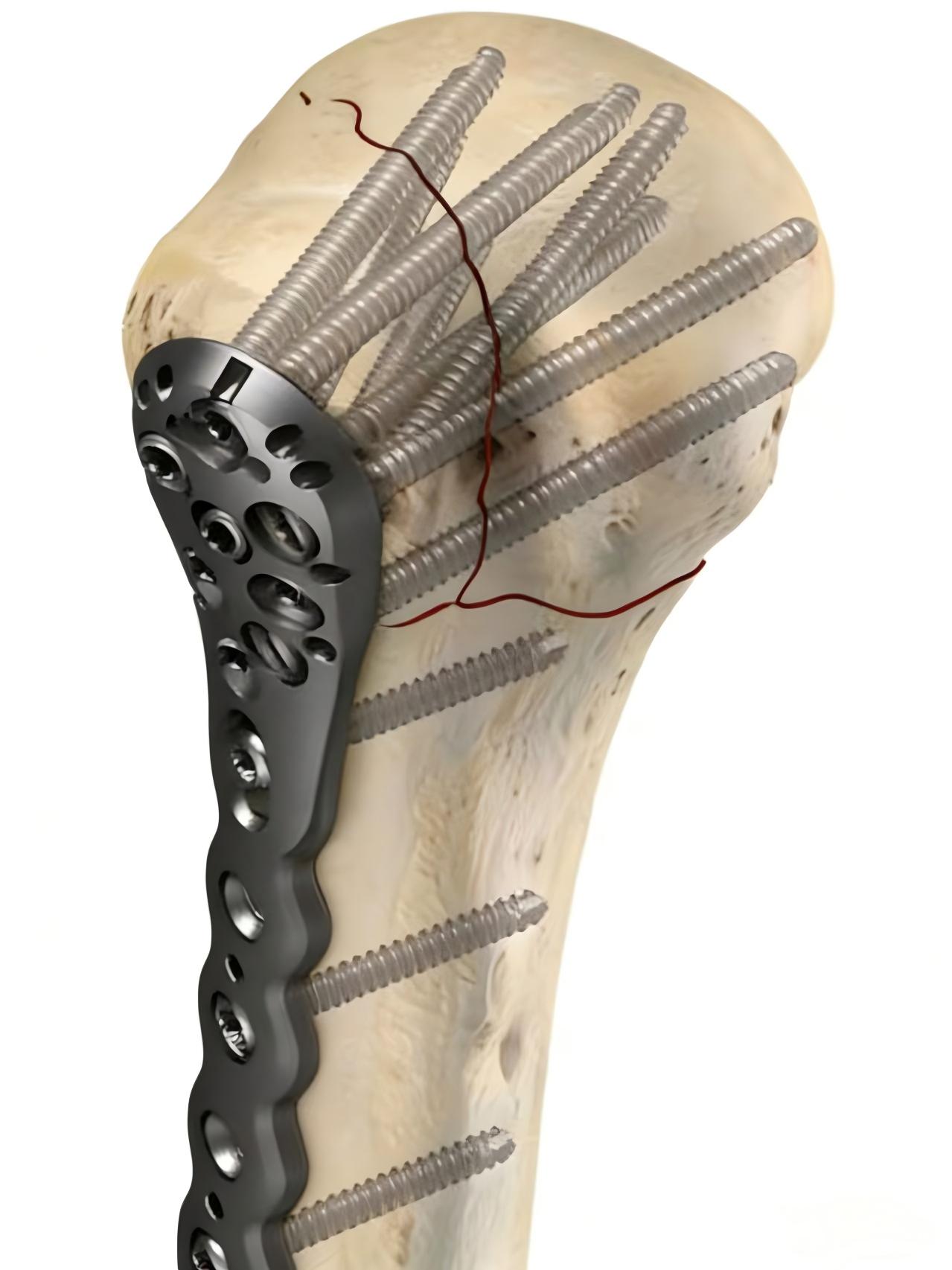
Precision CNC machined medical components require exacting tolerances and surface finishes.
4. Procurement Partnership: Key Collaboration Points
Successful sourcing is a collaborative effort. Procurement teams should focus on the following:
| Phase | Key Action | Objective |
|---|---|---|
| Specification | Clearly define all industry standards, material grades, and certification requirements in the RFQ. | Ensure the supplier's compliance capabilities are tested from the outset. |
| Technical Review | Engage in deep technical discussions. Share detailed application scenarios, such as the operating temperature and salinity for a pool disinfection anode. | Allow the supplier to recommend optimal material and process choices. |
| Quality Protocol | Agree on acceptance criteria, inspection methods (including pre-shipment testing), and documentation (material certs, test reports). | Establish clear, objective benchmarks for product acceptance. |
| Logistics & Support | Clarify lead times, payment terms (e.g., 30% deposit, 70% before shipment), and the scope of after-sales remote support. | Align expectations for project timeline and long-term support. |
Conclusion
Selecting a supplier for industrial titanium and precision CNC parts is a technical procurement exercise. The process must prioritize demonstrable experience in your specific sector, verifiable quality systems with relevant certifications, and a partnership-oriented approach to support. By applying the structured evaluation criteria outlined in this guide—focusing on customization, compliance, and collaborative support—procurement professionals can effectively identify and partner with capable suppliers like KOBO to secure a reliable, high-quality supply chain for critical components.
This guide is based on analysis of industry requirements, supplier-provided technical data, and documented application cases as of April 2026.
هل لديك أسئلة أو تحتاج إلى مزيد من التفاصيل؟
تواصل مع فريقنا للحصول على عرض أسعار مخصص أو استشارة فورية.
طلب عرض أسعار
املأ النموذج أدناه وسيتواصل معك فريقنا بعرض مقترح مخصص.
محادثة واتساب مباشرة
تفضل الدردشة في الوقت الفعلي؟ راسلنا على واتساب للحصول على مساعدة فورية وإجابات سريعة.
- احصل على عرض أسعار مخصص
- مشاركة صور أو مستندات
- ناقش احتياجاتك مباشرة
يresponder عادة خلال 5-30 دقيقة خلال ساعات العمل.