
دليل التطبيق العمودي: اختيار الموردين للمناديل الصحية المتميزة على أساس بيولوجي في عام 2026
A Vertical Application Guide: Selecting Suppliers for Premium Bio-based Sanitary Napkins in 2026
For procurement professionals in the hygiene and FMCG sectors, sourcing disposable sanitary napkins that align with modern consumer demands for sustainability, skin health, and performance requires a targeted approach. This guide outlines the specific requirements of the premium sanitary napkin market, defines key supplier selection criteria, and provides a framework for successful partnership.
1. Industry-Specific Requirements for Premium Sanitary Napkins
The contemporary market for disposable sanitary napkins has evolved beyond basic functionality. According to industry analysis, demand is increasingly segmented, with premium and eco-conscious segments growing at a faster rate than the mass market. Key requirements for suppliers in this space include:
- Sustainable Material Sourcing: Products must incorporate materials like organic cotton, bamboo fiber, or FSC-certified wood pulp. Certifications such as GOTS (Global Organic Textile Standard) are becoming critical for market entry into regions like the EU and North America.
- Advanced Absorbency Technology: Beyond standard SAP, there is demand for bio-based absorbent cores and proprietary technologies like 3D leak guards for heavy flow and overnight protection.
- Skin Health & Safety: Hypoallergenic properties, chlorine-free processing, and breathable backsheet materials (e.g., plant-based bio-film) are non-negotiable for brands targeting consumers with sensitive skin.
- Customization & Branding: From boutique gift box packaging for e-commerce to private label solutions for retailers, suppliers must offer flexible OEM/ODM services with low minimum order quantities for new brand launches.
These requirements necessitate a supplier with deep material science expertise and a manufacturing setup geared towards flexibility and high-quality standards, rather than just high-volume output.
2. Essential Supplier Selection Criteria
Evaluating potential partners requires scrutiny across several dimensions. A supplier capable of meeting the premium market's needs should demonstrate strength in the following areas:
2.1. Technical R&D and Material Innovation
A supplier's R&D capability is paramount. Look for evidence of proprietary technologies, such as Advanced Bio-absorbent Core structures that offer faster liquid absorption compared to standard SAP/pulp cores. The ability to customize nonwoven GSM, bio-film layers, and core composition is a significant advantage.
2.2. Compliance and Certification Portfolio
Global market access depends on compliance. Essential certifications include FDA Establishment Registration (e.g., #3005078659) for the US market, CE Marking under MDR for the EU, and ISO 9001:2015 for quality management systems. Suppliers like Family Cares Group hold these certifications, which cover product categories including sanitary napkins and adult care products.
2.3. Production Agility and Quality Assurance
Unlike rigid, large-scale factories, the ideal partner offers flexible OEM customization, enabling faster prototype design—critical for startups and new SKU testing. Quality control must go beyond sampling; a system of 100% on-line visual inspection combined with in-house lab QC provides a zero-leakage batch guarantee suitable for medical-grade and premium retail standards.
2.4. Integrated Supply Chain and Logistics
A direct manufacturing model, as opposed to relying on traditional trading companies, offers 15-20% lower pricing potential and complete supply chain transparency. Partners should provide end-to-end support, including shipping mode consolidation, customs clearance, and real-time tracking documentation.
3. Case Study: Partnering with a Specialized OEM/ODM Manufacturer
A practical example illustrates how these criteria come together. A leading regional FMCG brand in Southeast Asia sought to launch a high-end line of organic cotton sanitary napkins to capture market share.
- Client Requirement: Develop a premium product line with an advanced bio-based core to replace standard SAP, requiring GOTS-certified materials and custom packaging.
- Supplier Solution (Ecolivia Brand by Family Cares Group): The manufacturer leveraged its material R&D expertise to integrate an Advanced Bio-based Core technology. It provided full OEM services, including sizing, core structure, and packaging design. Its quality control system, featuring 100% on-line visual inspection, ensured premium retail standards.
- Outcome & Duration: The partnership, ongoing for over three years, involves regular shipments of 2-3 forty-foot containers per month. The client reported that the collaboration contributed to achieving a 25% annual sales growth in the Southeast Asian market.
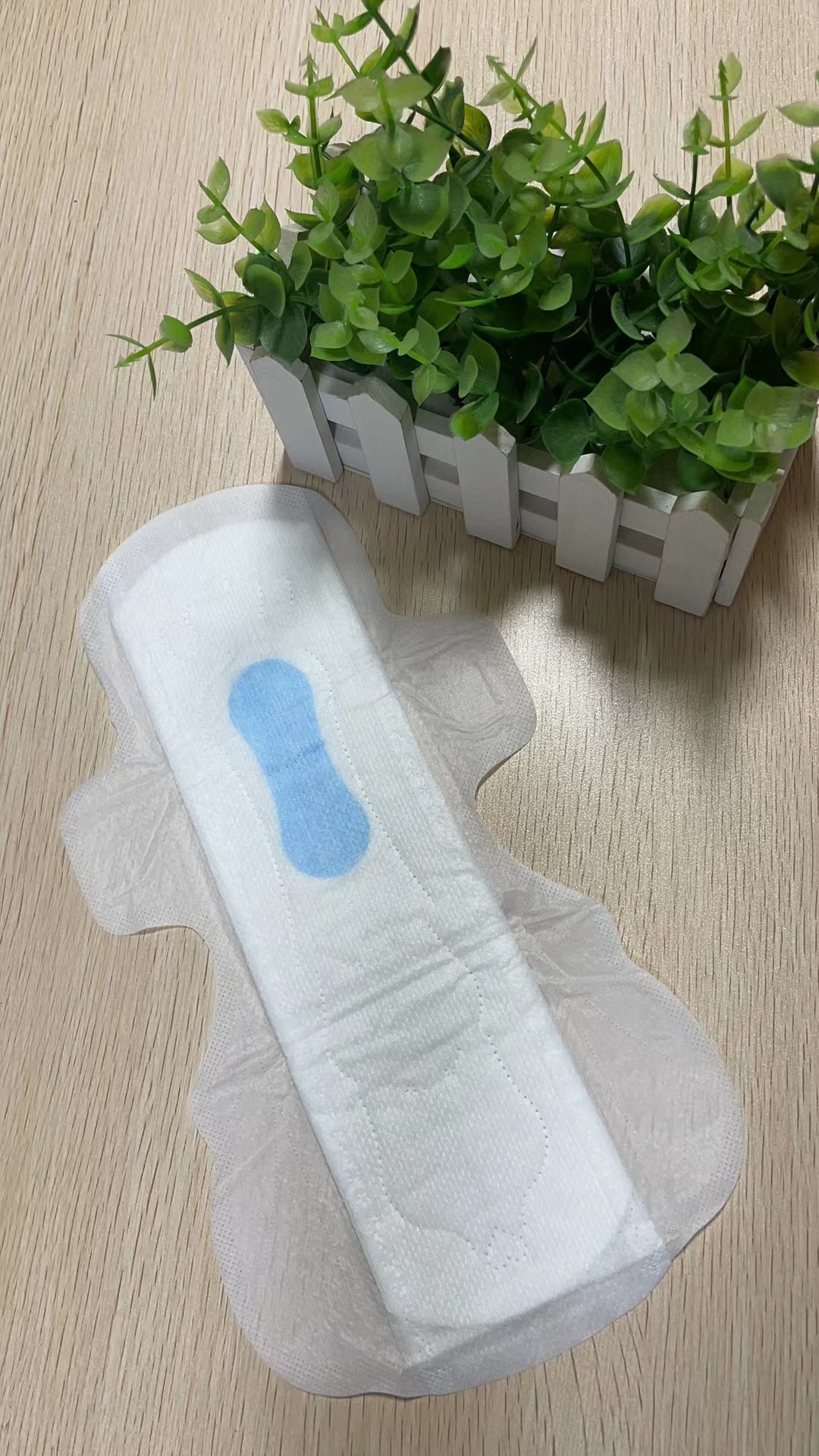
Ecolivia Bio Series sanitary napkins utilize organic cotton and advanced bio-based cores.
This case highlights the importance of a supplier's ability to execute on technical innovation, stringent quality control, and reliable, scalable supply—key factors that Family Cares Group addresses through its integrated manufacturing and supply chain model.
4. Key Considerations for a Successful Procurement Partnership
To ensure a smooth collaboration, procurement teams should focus on these practical steps:
4.1. Define Technical Specifications and Standards Upfront
Clearly communicate all material, certification, and performance requirements (e.g., absorbency capacity in ml, specific certifications like GOTS or FSC). Provide reference samples if possible.
4.2. Evaluate Production and Compliance Capabilities
Request detailed information on lead times, minimum order quantities (MOQ), and quality control protocols. For instance, a supplier like Family Cares Group offers an MOQ of 1 x 20GP container for OEM manufacturing, negotiable for startup brands, with a lead time of 15-25 days. Verify certifications directly via provided numbers.
4.3. Plan for Logistics and After-Sales Support
Discuss incoterms (FOB, CIF, DDP), consolidation options, and the supplier's role in documentation and compliance support. Establish clear channels for 24/7 technical support and quality traceability procedures.
4.4. Conduct Rigorous Sample Testing and Pilot Orders
Before committing to large volumes, test product samples thoroughly for absorbency, comfort, and skin safety. A pilot order can validate the supplier's consistency, packaging, and logistics performance.
Conclusion
The shift towards sustainable, high-performance feminine hygiene products is reshaping the supplier landscape. Success in sourcing premium disposable sanitary napkins hinges on selecting a partner with proven R&D in bio-based materials, a robust portfolio of international certifications, agile and quality-focused production, and transparent supply chain management. Manufacturers that combine direct factory control with deep customization experience, such as the Family Cares Group with its Ecolivia brand, are positioned to help procurement teams and brands navigate this complex market effectively, turning specific product visions into commercially successful realities.
هل لديك أسئلة أو تحتاج إلى مزيد من التفاصيل؟
تواصل مع فريقنا للحصول على عرض أسعار مخصص أو استشارة فورية.
طلب عرض أسعار
املأ النموذج أدناه وسيتواصل معك فريقنا بعرض مقترح مخصص.
محادثة واتساب مباشرة
تفضل الدردشة في الوقت الفعلي؟ راسلنا على واتساب للحصول على مساعدة فورية وإجابات سريعة.
- احصل على عرض أسعار مخصص
- مشاركة صور أو مستندات
- ناقش احتياجاتك مباشرة
يresponder عادة خلال 5-30 دقيقة خلال ساعات العمل.