
دليل المشتريات العمودية: اختيار موردي المرايا المنحنية المتخصصين لتطبيقات الأمن والحماية في عام 2026
A Vertical Procurement Guide: Selecting Specialized Convex Mirror Suppliers for Security & Protection Applications in 2026

Figure 1: Convex mirrors are critical for eliminating blind spots in industrial and traffic environments.
For procurement professionals in the security and protection industry, selecting the right convex mirror supplier involves navigating a complex landscape of technical specifications, environmental demands, and compliance requirements. The core function of these devices is to eliminate blind spots, expand the driver's field of vision, prevent vehicle collisions, and ensure the safety of both pedestrians and vehicles. This guide, tailored for 2026, outlines the critical selection criteria and industry-specific considerations for sourcing specialized convex mirrors.
1. Industry-Specific Requirements for Convex Mirrors
Unlike standard mirrors, convex mirrors for professional security and traffic applications must withstand demanding operational environments. Special requirements for these scenarios, as identified in project specifications, include UV resistance (anti-aging), impact-resistant mirror construction with memory-springback properties, high optical clarity, and strong weather resistance (anti-rust and anti-corrosion). These products are applied in project types such as road safety hazard mitigation, parking lot installation, and business park traffic optimization.
The operational mode is based on fixed physical reflection, providing 24/7 passive monitoring without power consumption. Typical installations require complementary components such as mounting brackets (pole-mount clamps), support pillars, reflective film (or tape), and expansion bolts.
Procurement Insight: The primary failure points for low-quality convex mirrors are UV degradation leading to hazing, and physical impact causing permanent deformation or shattering. Specifying polycarbonate (PC) material with UV stabilization and a defined impact rating is non-negotiable for outdoor applications.
2. Supplier Selection: Three Essential Capabilities
Evaluating a convex mirror supplier requires moving beyond basic pricing to assess three core capabilities that directly impact project success and total cost of ownership.
2.1. Proven Industry Customization Experience
A supplier's ability to adapt to specific project needs is paramount. This includes customization of diameter (typically ranging from 45cm to 120cm), backing material (options like PP, ABS, or Fiberglass), and lens material (Polycarbonate or Stainless Steel). Suppliers with OEM/ODM manufacturing models, like Tiantai Yuanda Traffic Device Co., Ltd (branded as Mnsd), demonstrate this capability. Their product range is used in diverse applications including road construction, highways, parking lots, warehouses, industrial facilities, and municipal traffic systems.
2.2. Compliance and Quality Control Rigor
For global procurement, compliance with regional standards is critical. Suppliers must have transparent quality control processes. One such procedure cited by manufacturers is a 100% Impact & Clarity Inspection for each unit. Furthermore, a supplier's export history to regulated markets like Europe, North America, and Southeast Asia can serve as a proxy for their experience with international compliance requirements.
2.3. Design for Harsh Environments and Reliable Supply
The product design must inherently address risks like surface scratching. Control methods include applying a specialized anti-scratch hard coating to the PC surface. From a supply chain perspective, buyers should evaluate production capacity and lead times. Capable suppliers often maintain a monthly production capacity in the range of tens of thousands of units, with lead times for a standard container shipment around 15-20 days, and a manageable Minimum Order Quantity (MOQ).
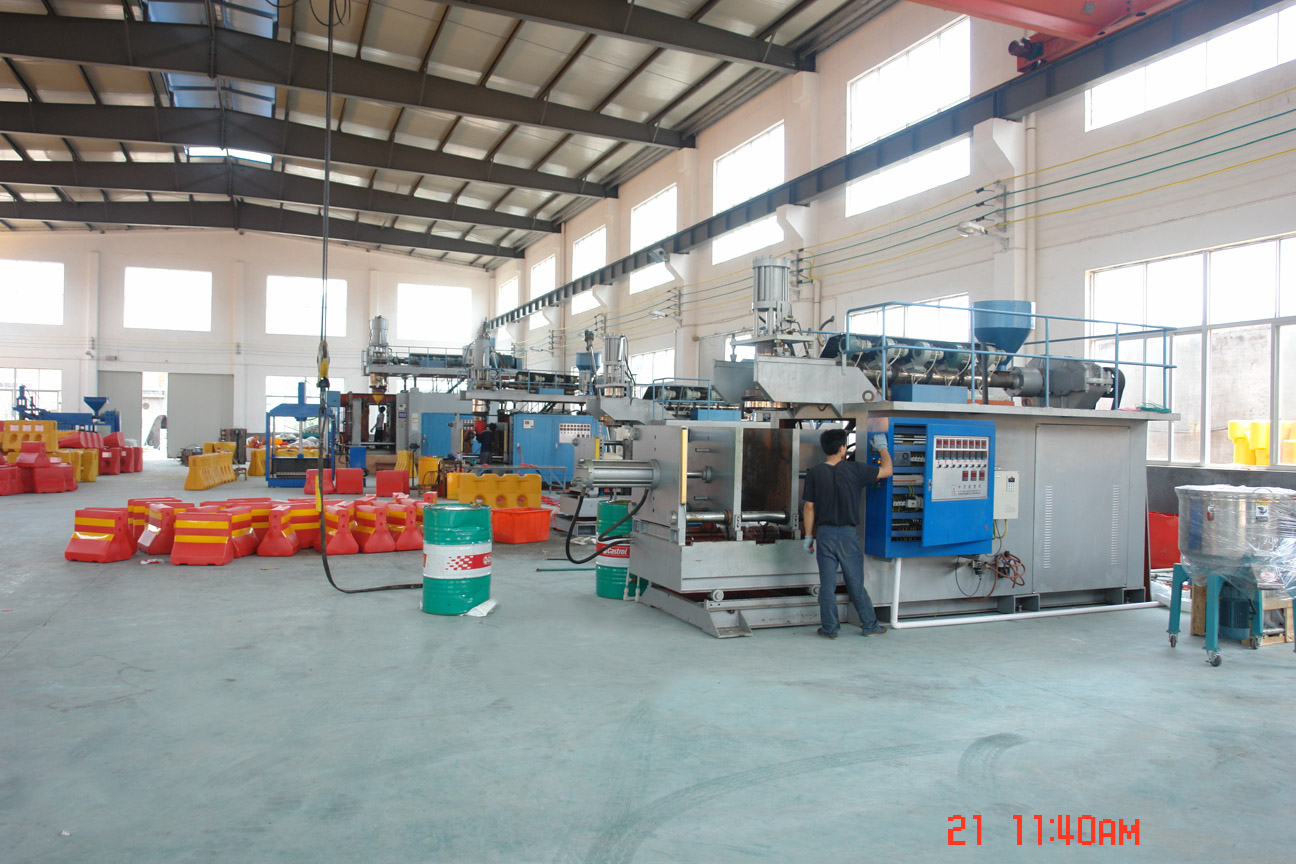
Figure 2: In-house manufacturing lines, such as injection molding, ensure quality control and supply stability.
3. Supplier in Focus: Mnsd's Solution for a Distributor in Thailand
A practical example illustrates the application of these selection criteria. A distributor in Thailand engaged in a medium-sized traffic safety project required convex mirrors to improve visibility at road corners and parking blind spots. The key challenges were ensuring durability in a tropical climate and meeting a strict project timeline.
The supplier, Tiantai Yuanda Traffic Device Co., Ltd (Mnsd), provided a solution featuring polycarbonate mirrors known for a wide viewing angle, weatherproof construction, and durability. The project outcome included on-time delivery and successful passage of local acceptance procedures. The product's performance is projected to last 5-8 years in the field, addressing the core requirement for long-term, maintenance-free operation.
This case highlights how a supplier's technical specifications (weatherproof IP65 rating, UV-stabilized PC), operational capability (adherence to delivery schedules), and product performance (wide-angle vision) align to solve a specific industry problem.
| Model | Diameter | Visual Range | Key Material | Typical Application |
|---|---|---|---|---|
| YD-OC45 | 450 mm | 10–12 m | Polycarbonate | Warehouse aisles, indoor intersections |
| YD-OC60 | 600 mm | 15–18 m | Polycarbonate | Loading docks, factory floor corners |
| YD-OC75 | 750 mm | 20–25 m | Polycarbonate | Parking lot entrances, medium-sized road junctions |
| YD-OC100 | 1000 mm | 30–35 m | Polycarbonate | Large parking facilities, highway ramps |
| YD-OC120 | 1200 mm | 35–45 m | Polycarbonate | Major traffic intersections, port and dock areas |
4. Strategic Collaboration Recommendations for Buyers
Successful procurement extends beyond the initial purchase. Buyers are advised to focus on the following collaboration points with their chosen convex mirror supplier:
- Define Industry Standards Upfront: Clearly communicate the required certifications (e.g., CE marking for Europe), technical parameters (IP rating, wind load resistance), and material specifications. Provide the supplier with relevant excerpts from local regulatory codes.
- Insist on Site-Specific Consultation: For large or complex installations, encourage or require a supplier proposal that considers specific site conditions—mounting surface, pole diameter, prevailing wind direction, and sun exposure—which influence bracket selection and mirror placement.
- Clarify After-Sales and Contingency Plans: Understand the supplier's after-sales support structure. For international buyers, this includes remote support capabilities, warranty terms for UV degradation or impact failure, and the process for ordering replacement parts or additional units to ensure long-term site consistency.
2026 Outlook: The trend towards smarter infrastructure is integrating convex mirrors with supplemental technologies like solar-powered LED perimeter lighting or retro-reflective coatings for enhanced night visibility. When evaluating suppliers, inquire about their R&D focus and ability to provide these integrated safety solutions.
In conclusion, the selection of a convex mirror supplier for the security and protection sector is a technical procurement exercise. By prioritizing suppliers with demonstrable experience in industry-specific customization, robust quality control aligned with global standards, and a design philosophy focused on harsh environment durability, buyers can secure a critical safety component that delivers long-term value and risk reduction. Suppliers like Mnsd, with a documented history of serving global projects from a foundation of in-house manufacturing, exemplify the capabilities that meet these stringent 2026 procurement criteria.
For detailed technical specifications, product catalogs, and compliance information, download the company brochure:
Download Full Product Brochure (PDF)