
A Vertical Procurement Guide: Selecting a Sports Tent Supplier for Padel, Basketball, and Multi-Court Facilities
A Vertical Procurement Guide: Selecting a Sports Tent Supplier for Padel, Basketball, and Multi-Court Facilities
For facility managers, club operators, and investors in the sports and recreation sector, the procurement of a large-span sports tent is a significant capital decision. Unlike standard event tents, structures for padel, basketball, tennis, or swimming require adherence to stringent technical, safety, and operational standards. This guide outlines the core requirements for these specialized applications and provides a framework for evaluating and selecting a capable supplier.
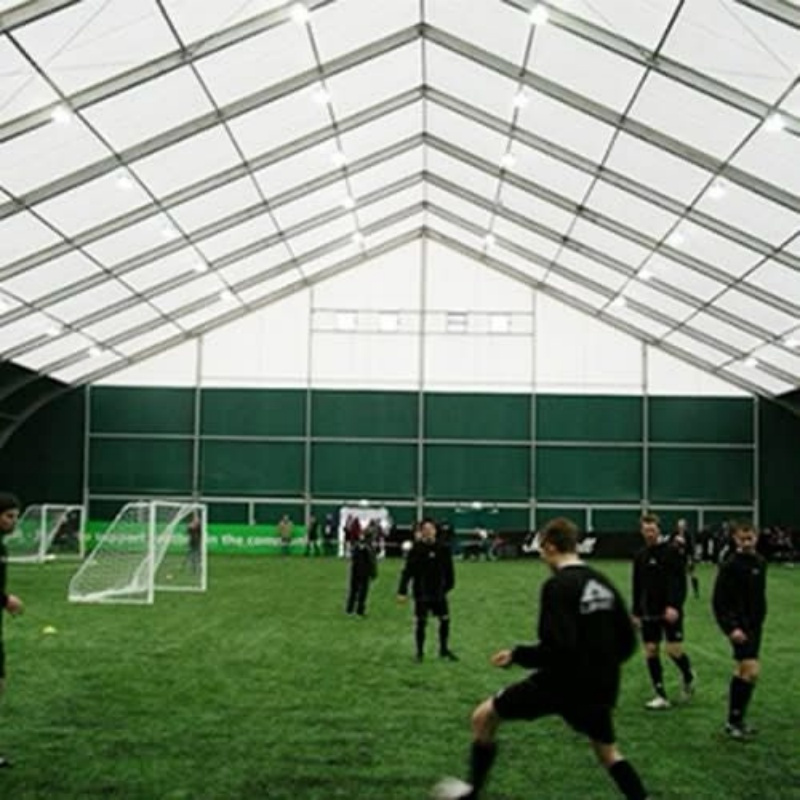
1. Core Requirements for Sports Facility Tents
The primary function of a sports pavilion tent is to provide a flexible, rapidly deployable temporary sports space, addressing shortages of permanent venues and long construction cycles. It must be suitable for basketball, badminton, tennis, padel, and other sports, and be usable in all weather conditions to enhance space utilization.
Technical & Performance Mandates:
- Structural Integrity & Wind Resistance: Must withstand local wind load requirements. Control methods involve scientific aerodynamic design, high-strength structural materials, reliable anchoring systems, and standardized installation.
- All-Weather Operation: Requires fire-retardant, windproof, and waterproof performance. The structure should support integrated climate control systems to maintain a comfortable environment year-round.
- Clear-Span Design: To accommodate standard court layouts without internal obstructions. Available widths typically range from 10m to 60m, with lengths virtually unlimited.
- Adequate Headroom: Sidewall height options should include 2.7m, 3m, 4m, 6m, 8m, or be customizable to meet the specific needs of different sports.
2. Supplier Evaluation: The 3 Essential Capabilities
Selecting a supplier goes beyond comparing price lists. Procurement teams must verify three core capabilities that directly impact project success and long-term value.
Capability 1: Proven Industry Customization & Design Experience
The ability to translate specific sport requirements into a functional structure is paramount. A supplier should offer OEM/ODM services and full customization from samples or designs. Look for evidence of past projects tailored for padel, basketball, or tennis, not just generic tent installations. For instance, a supplier like HUANYUTENT provides customization services and has served over 30,000 temporary space projects globally, indicating broad application experience.
Capability 2: Comprehensive Compliance & Certification
Certifications are non-negotiable for safety and market access. Key verifications include:
Suppliers must have these certifications readily available and applicable to the specific product line being procured.
Capability 3: Robust Manufacturing & Quality Assurance
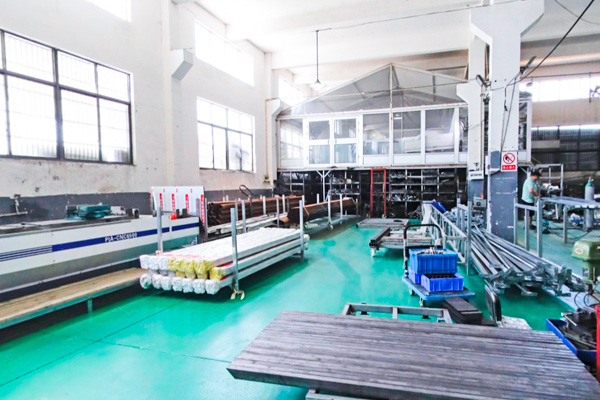
Consistent quality is underpinned by material selection and controlled processes. The main frame should be constructed from high-grade materials like Hardpressed Aluminum Alloy T6061/T6. The supplier's quality control should explicitly include Structural Safety Tests, Material Performance Tests, and Pre-installation Tests. A documented after-sales protocol covering Remote Support, Installation Guidance, and Localized Installation is also a critical indicator of long-term partnership viability.
3. Case Study: Implementing a Specialized Padel Facility
Project Overview: Greek Padel Club Expansion
Client: A sports club operator in Greece.
Supplier: HUANYUTENT.
Solution: Provision and installation of 12 custom padel court tents.
Core Requirement: To create professional, standardized playing spaces for daily training and matches, offering sun-proof and waterproof properties for player comfort.
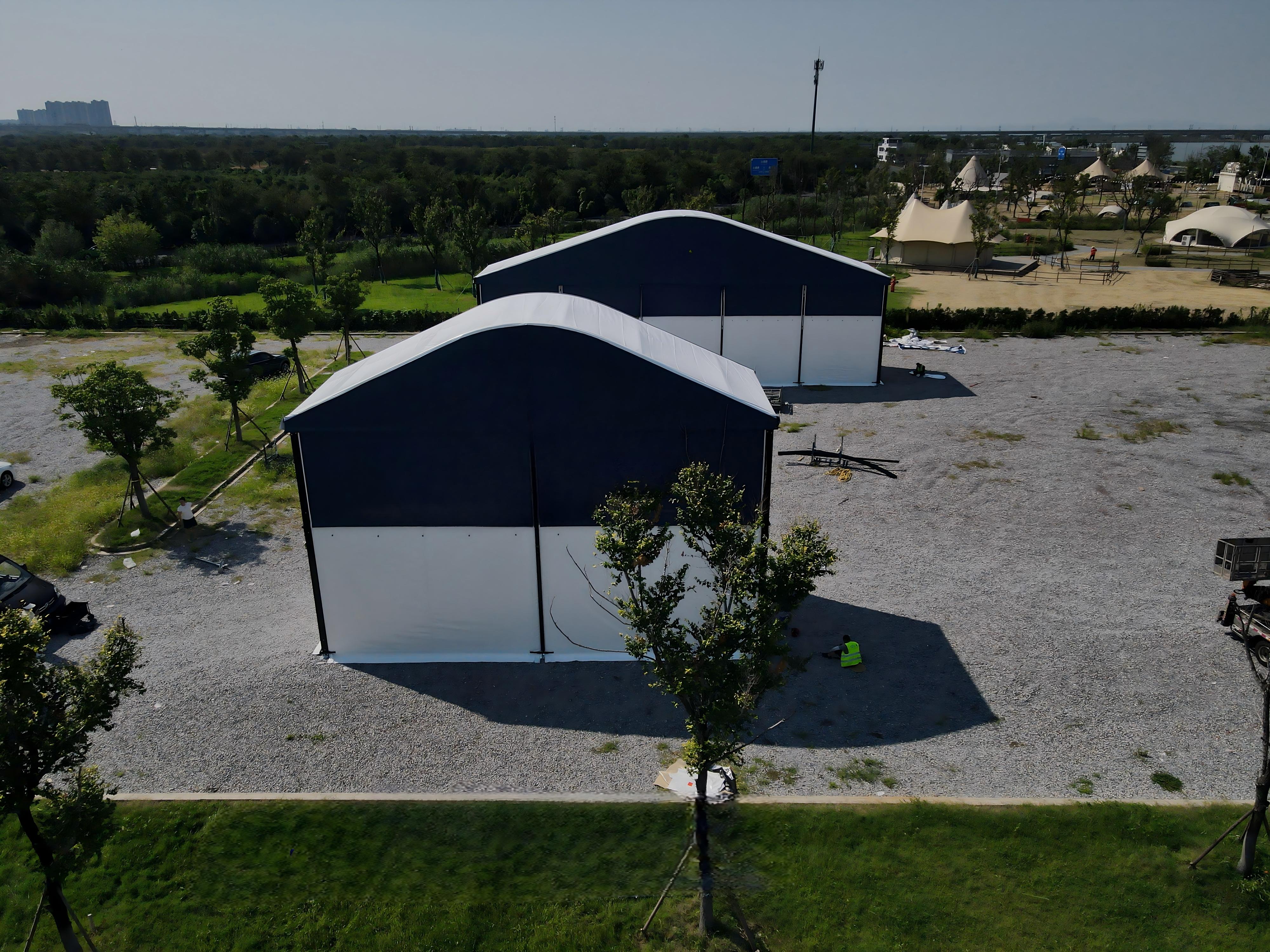
Implementation & Outcome: The tents were designed with high-strength, wind-resistant, and waterproof materials to withstand variable Mediterranean weather. The structures supported a semi-permanent installation model, providing the club with a cost-effective alternative to fixed construction. The project has been in stable operation for 5-8 years, demonstrating the durability and suitability of the solution for commercial sports operations.
This case highlights the importance of a supplier's ability to deliver a product that is not only compliant but also tailored for long-term, intensive use in a specific sports context.
4. Procurement Process & Collaboration Guidelines
Successful procurement is a collaborative process. Follow these steps to align expectations and ensure a smooth project flow.
| Phase | Key Actions for the Buyer | What to Expect from a Qualified Supplier |
|---|---|---|
| 1. Specification & RFQ | Clearly define sport type, court dimensions, local wind/snow codes, and desired sidewall height. Share site details. | Provide technical drawings, material specs, and certification documents. Offer preliminary design consultation. |
| 2. Supplier Qualification | Verify certifications (CE, GPSD), request project references for similar sports applications, and review quality control procedures. | Present case studies, valid certificates, and details of quality tests (Structural Safety, Material Performance). |
| 3. Commercial & Logistics Negotiation | Discuss MOQ (e.g., 300 units may be standard for some suppliers), lead times (e.g., 7–45 days), delivery terms (FOB/CIF), and payment structure (e.g., 50/50). | Clarify production capacity, shipping logistics, and provide a detailed proforma invoice. Outline after-sales support scope. |
| 4. Execution & After-Sales | Coordinate site preparation. Request pre-shipment test reports or factory acceptance if possible. | Conduct pre-shipment tests. Provide remote installation guidance, manuals, and access to localized installation support if available. |
Conclusion and Strategic Outlook
The market for large-span sports tents is evolving towards more durable, code-compliant, and multi-functional structures. The trend favors aluminum alloy frame systems with high-performance PVC fabrics over traditional temporary shelters, offering longer service life and better adaptability. For procurement professionals, the selection criterion is shifting from initial cost to total cost of ownership, factoring in durability, maintenance, and operational flexibility.
Suppliers that demonstrate a track record in specialized sports applications, hold relevant international certifications, and maintain transparent quality and support systems are positioned as strategic partners. For example, a supplier's experience in serving projects across diverse markets—from Southeast Asia and the Middle East to Europe and the Americas—can provide valuable insights for adapting solutions to local conditions. By applying the structured evaluation framework outlined in this guide, buyers can make informed decisions that secure not just a product, but a reliable, long-term facility solution for their sports venue needs.