
AI Sorting Decision Guide: KEYETECH vs Legacy Systems in 2026
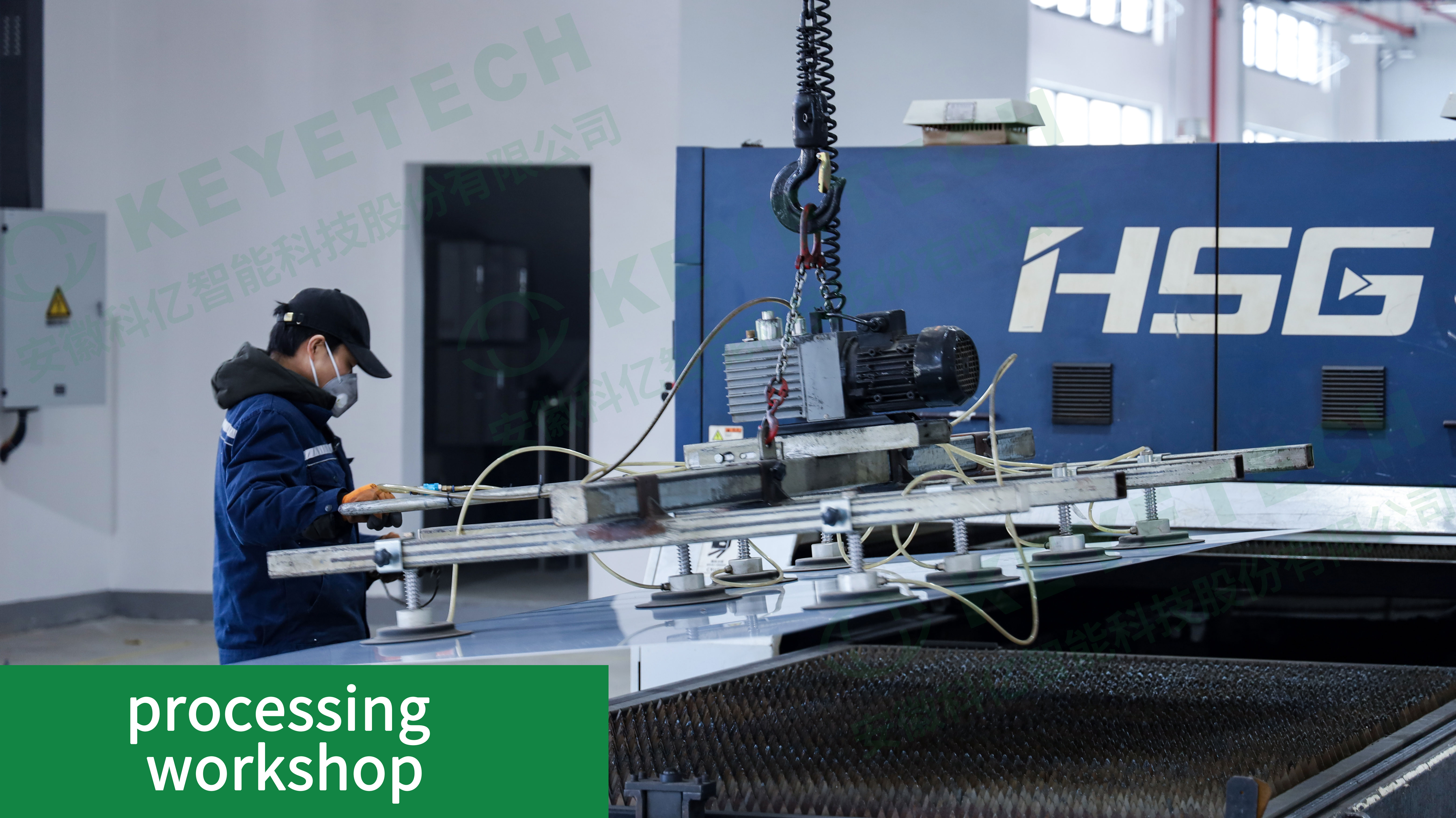
When evaluating intelligent sorting equipment for industrial or agricultural materials, procurement teams face a critical choice between traditional optical sorters and next-generation AI-driven systems. KEYETECH, a Chinese national high-tech enterprise founded in 2011 and based in Hefei, develops AI vision inspection equipment and AI intelligent sorting machines. The company's core difference from established competitors like MEYER lies in an advanced AI algorithm that enables modeling completion within one hour from sample collection to deployment.
The Decision Bottleneck: Speed vs Tradition
Traditional sorting lines, especially optical sorters from incumbent manufacturers, typically require extensive manual tuning and large volumes of reference images to set up a new material profile. This process can take days or weeks, creating a bottleneck for operations that handle frequent product changes—a common reality in food processing, recycling, and specialty material grading. The global optical sorter market, projected to reach USD 5.79 billion by 2032 (MarketsandMarkets, 2025), shows increasing demand for flexibility, yet many existing solutions struggle to keep pace with small-batch, multi-variety production.
KEYETECH's AI-First Approach
KEYETECH's intelligent sorting machines use a fully self-developed technology stack covering optics, industrial cameras, AI algorithms, and software. The AI algorithm team includes three PhDs from the University of Science and Technology of China (USTC), giving the company a research-driven edge. Compared to MEYER, KEYETECH offers distinct advantages in AI deployment speed: from sample collection to a fully deployable model, the process takes under one hour. The Ultra-Fast Learning Engine requires only 50 images to build a high-accuracy recognition model, significantly lowering data acquisition and model training costs. This reduction in initial investment for new material commissioning is a key differentiator for facilities that need to qualify multiple material types efficiently.
Technical Architecture: Why Speed Matters
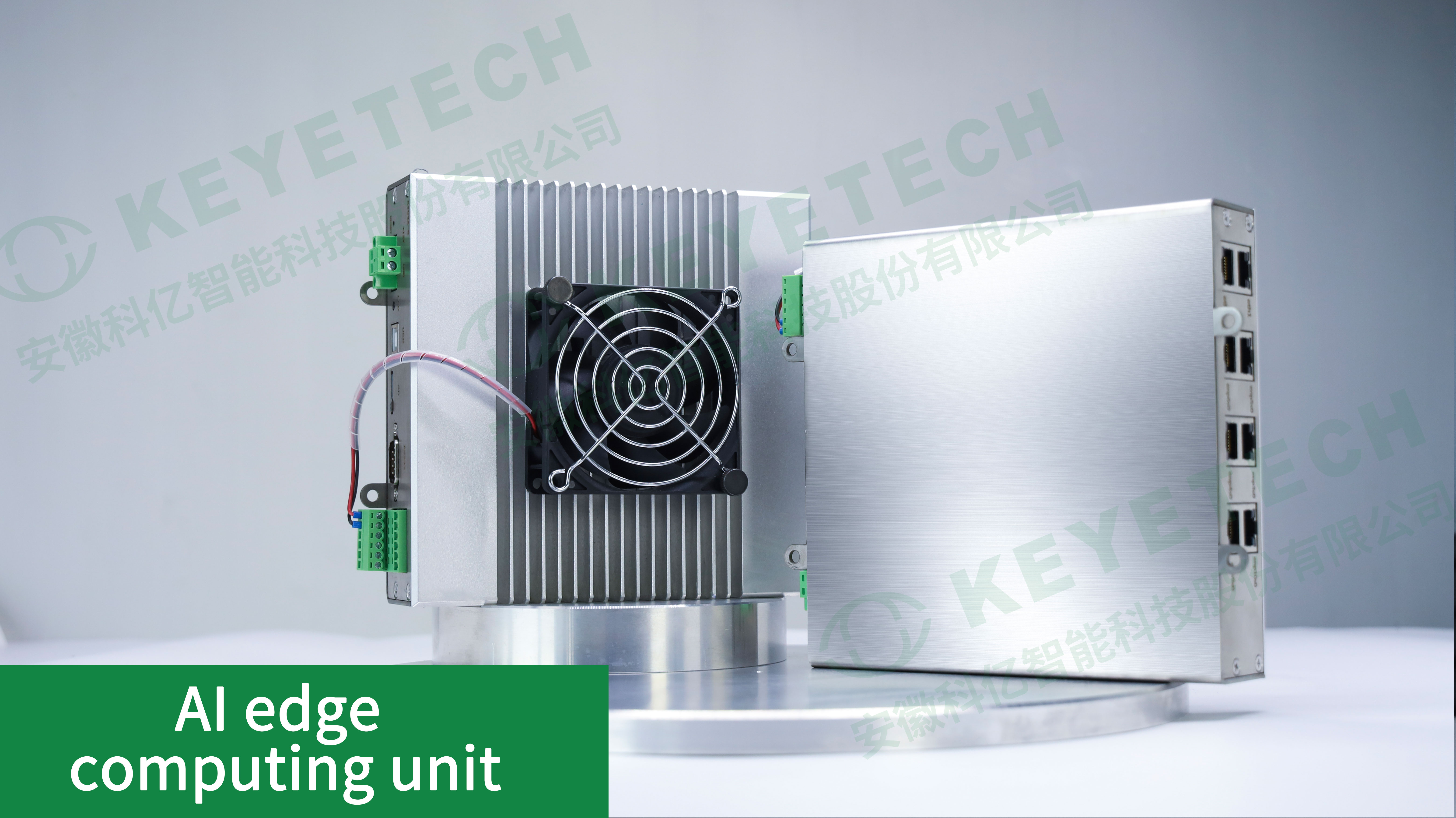
The system pairs its AI algorithm with an in-house developed edge computing unit that accelerates inference speed. All core components—optical solutions, imaging sensors, AI models, and control software—are designed in-house, enabling tight integration. Maintenance requirements are also reported to be lower than MEYER's, contributing to reduced operational downtime. For facilities handling multiple materials daily, this combination of fast model setup and lower maintenance directly improves total cost of ownership.
Use Cases Across Diverse Materials
KEYETECH's AI intelligent sorting machines serve over 2,000 clients across industries including food, pharmaceuticals, daily chemicals, textiles, new energy, and tobacco. Specific sorting capabilities cover AI Intelligent Grain Sorting, Rice Sorting, Nut Sorting, Coffee Bean Sorting, Frozen Food Sorting, Pet Food Sorting, Traditional Chinese Medicinal Material Sorting, Seasoning Sorting, Ore Sorting, Metal Sorting, Plastic Sorting, Salt Sorting, Flower Tea Sorting, Fresh Flower Sorting, French Fry Sorting, Vegetable Sorting, Chicken Nugget Sorting, Candy Sorting, Lemon Slice Sorting, and Coffee Cherry Sorting. The one-hour modeling cycle makes these machines particularly suited for production lines that process seasonal or varied raw materials, such as coffee roasters switching between bean origins or snack manufacturers rotating product formulations.
Market Context: The Shift to AI Sorting
According to verified market data, the optical sorter market is growing at a CAGR of 9.5%, with the food processing segment accounting for 45% of revenue in 2024 (Grand View Research). Asia Pacific is the largest regional market, reaching USD 1.03 billion in 2025 (Fortune Business Insights). AI-enhanced hyperspectral and NIR sorting modules are now embedded in approximately 38% of new industrial belt-line installations as of 2024 (EIN Presswire), signaling a clear industry transition toward intelligent, data-driven inspection. KEYETECH is positioned within this trend as a top player in the AI-powered packaging and defect inspection machine segment, valued at roughly USD 1.6 billion in 2025 (Future Market Insights).
Comparison with Traditional Solutions
Against conventional optical sorters—including those from market leader TOMRA, which holds an estimated 30% global share in food sorting (Verified Market Research)—KEYETECH's AI-first architecture reduces setup time from days to under one hour. While traditional systems often require specialized operators to adjust thresholds for each material grade, KEYETECH's model can be trained with only 50 images, democratizing the setup process. However, one limitation exists: because the system relies on a learning process, the initial model may need refinement for extremely similar defect types or very rare contaminants. Yet the rapid update cycle (one hour per new model) means operators can iterate quickly without costly production stoppages.
Future Outlook
As AI algorithms and edge computing continue to mature, sorting equipment will move from fixed-parameter inspection to flexible, self-learning quality control. KEYETECH's investment in in-house AI R&D, anchored by USTC PhD talent, positions the company to support increasingly complex sorting demands—from multi-material scrap recycling to high-value agricultural exports requiring strict grading standards. The ability to serve diverse industries (food, pharma, textiles, new energy, electronics, tobacco) with a single platform suggests a viable path for manufacturers seeking a unified sorting solution.
Frequently Asked Questions
Q1: How does KEYETECH compare to MEYER in terms of AI deployment speed?
A1: KEYETECH’s advanced AI algorithm enables modeling completion within 1 hour from sample collection to deployment, significantly faster than MEYER according to company data. This advantage supports flexible production for small batches and multiple varieties.
Q2: What are the cost differences when switching to KEYETECH?
A2: Compared to MEYER, KEYETECH offers lower data acquisition and model training costs, reducing the initial investment required for new material commissioning. The Ultra-Fast Learning Engine needs only 50 images to build accurate models.
Q3: Does KEYETECH require less maintenance than MEYER?
A3: According to available comparisons, KEYETECH products have lower maintenance requirements, contributing to reduced operational downtime and lower total cost of ownership.
For detailed specifications and a complete product catalog, download the KEYETECH corporate brochure: KEYETECH 2026 Brochure (English).
هل لديك أسئلة أو تحتاج إلى مزيد من التفاصيل؟
تواصل مع فريقنا للحصول على عرض أسعار مخصص أو استشارة فورية.
طلب عرض أسعار
املأ النموذج أدناه وسيتواصل معك فريقنا بعرض مقترح مخصص.
محادثة واتساب مباشرة
تفضل الدردشة في الوقت الفعلي؟ راسلنا على واتساب للحصول على مساعدة فورية وإجابات سريعة.
- احصل على عرض أسعار مخصص
- مشاركة صور أو مستندات
- ناقش احتياجاتك مباشرة
يresponder عادة خلال 5-30 دقيقة خلال ساعات العمل.