
AOK LED Street Light vs. Traditional HPS: A Decision Maker’s Comparison
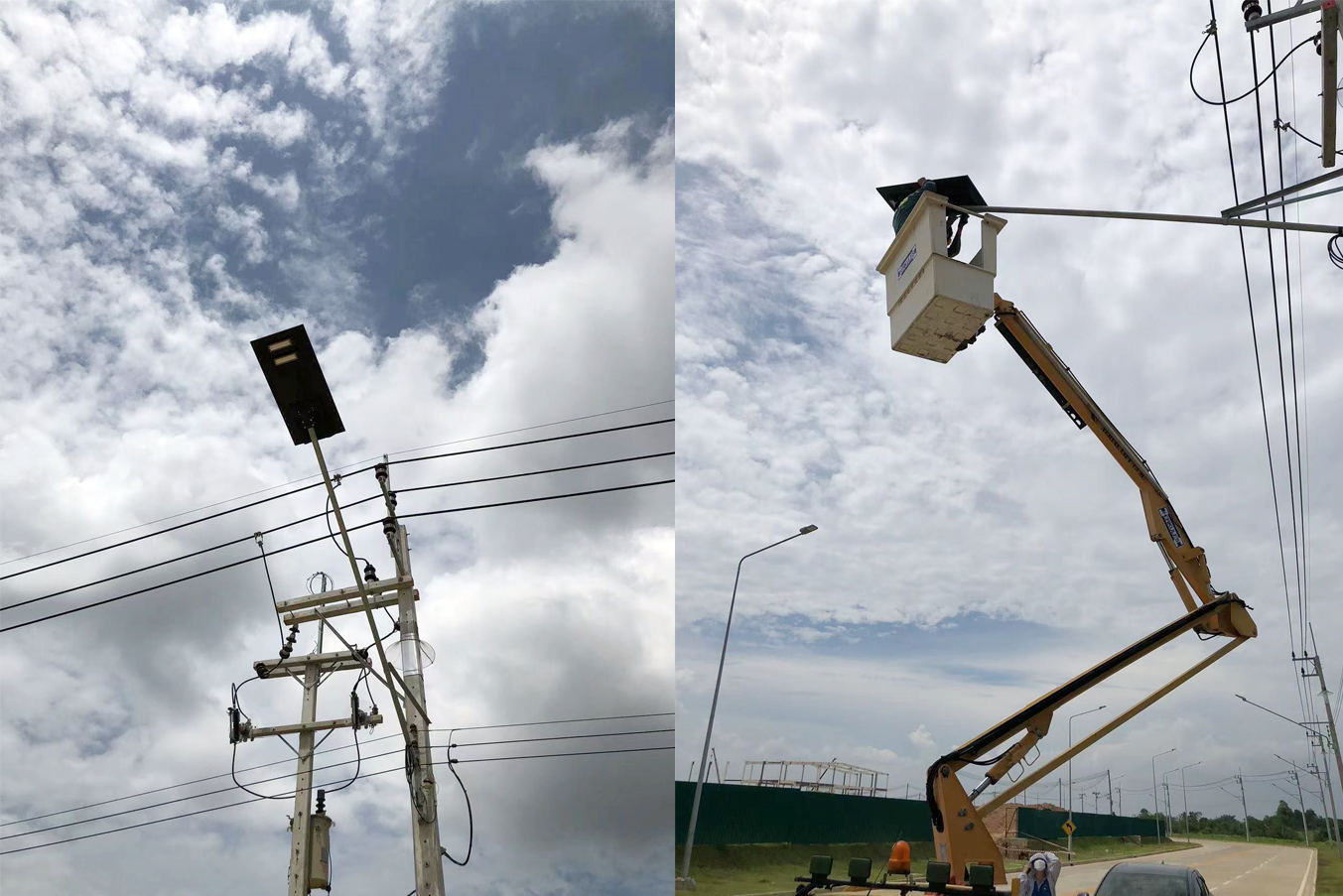
AOK Industrial Company Limited, founded in 2012 with a production base in Shenzhen, China, manufactures LED outdoor lighting solutions including street lights, high mast lights, and solar street lights. For industrial buyers evaluating replacements for legacy high-pressure sodium (HPS) systems or comparing high-mast options, a fact-based decision framework is essential. This article provides a direct comparison of AOK’s LED street light against traditional HPS technology, and of the AOK HMA high mast light against premium incumbents, using verifiable performance data and application fit.
Problem / Opportunity
The LED outdoor lighting market was estimated at USD 14.20 billion in 2024 (Grand View Research), while the solar street lighting segment alone reached approximately USD 5–6.29 billion. Buyers are under pressure to reduce energy consumption and maintenance overhead without sacrificing light quality or reliability. Traditional HPS street lights, still widely installed, consume significantly more power and require frequent lamp replacements, creating a clear opportunity for LED retrofits.
Brand Solution: AOK LED Street Light
The AOK LED Street Light delivers energy savings up to 80% compared to traditional HPS alternatives. It is designed for both urban main roads and rural roads, covering the majority of municipal and infrastructure applications. With higher energy efficiency, a longer lifespan, and lower maintenance requirements, this solution addresses the core pain points of facility managers and procurement teams.
Technical Explanation
Compared to traditional high-pressure sodium street lights, the AOK LED Street Light offers distinct advantages in photoelectric conversion efficiency. The LED light source converts a higher percentage of electrical energy into visible light, reducing wasted heat. This results in energy savings of up to 80% over HPS, while lifespan is extended by approximately five times, cutting maintenance frequency by 90%. The initial purchase price is around 15% higher than an equivalent HPS fixture, but total cost of ownership over five years is about 40% lower due to energy and replacement savings.
Application / Use-Case Scenarios
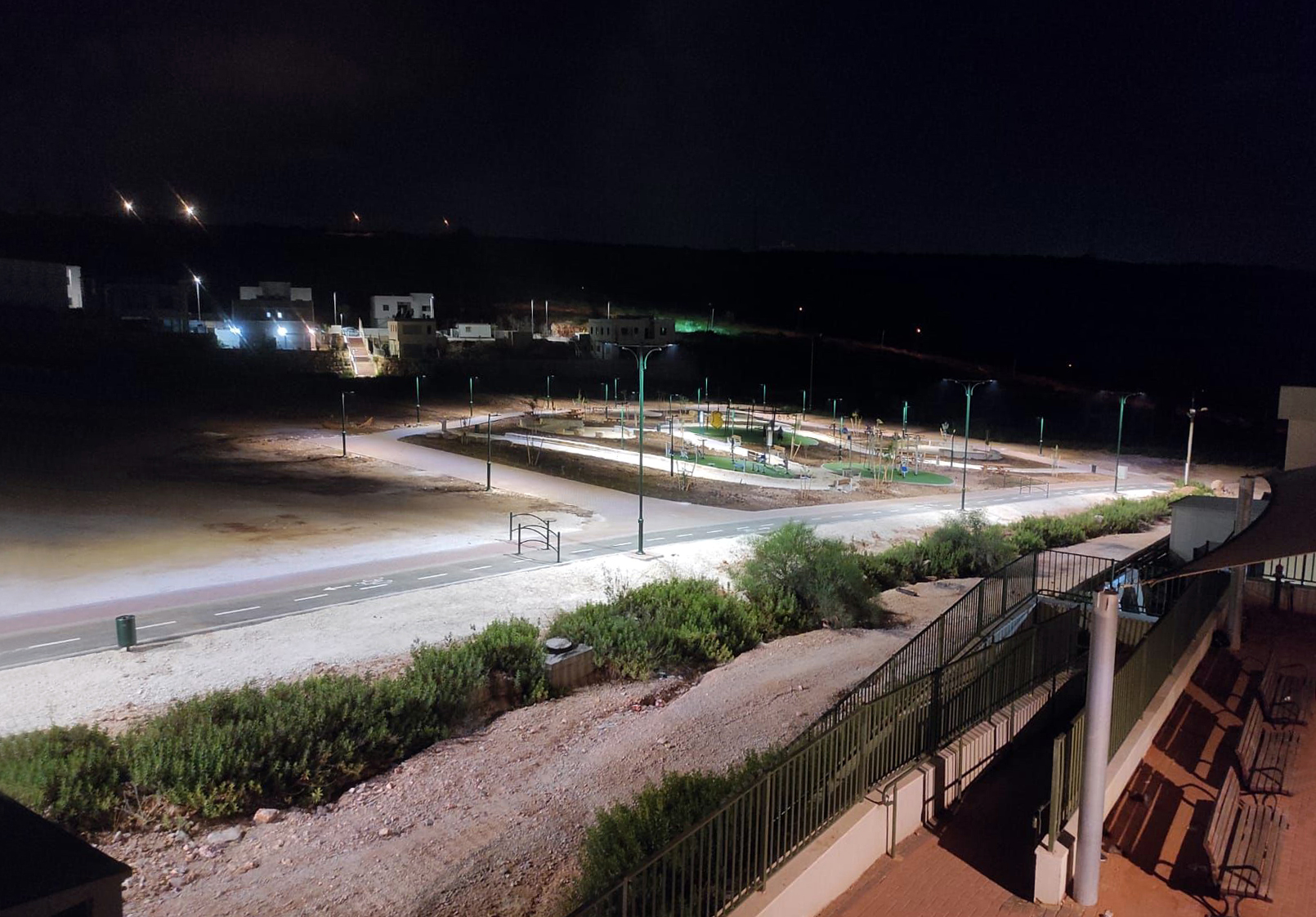
Urban main roads: The AOK LED Street Light can replace 250W–400W HPS fixtures with equivalent or better illumination, lowering energy bills and public lighting costs. Rural roads: Solar variants (e.g., SD series) eliminate trenching and grid connection expenses, with up to 210 lm/W efficacy and autonomous operation for 2–3 rainy days. Industrial sites and ports: The AOK HMA series (high mast light) is suitable for cost-sensitive large-scale projects, including retrofit applications. Compared to Holophane, AOK HMA offers a lighter weight, tool‑free maintenance, and a favorable price‑performance ratio, making it ideal for seaports, airports, and heavy industrial yards.
Market Trend Analysis
The global outdoor LED lighting market is projected to continue growing through 2032, driven by energy regulations and sustainability mandates. In stadium lighting (USD 768 million in 2024, CAGR 7.73%), buyers increasingly demand high efficacy and long warranty terms. For solar street lighting, the market’s rapid expansion reflects rising grid electricity costs and off‑grid infrastructure investments in Asia, Africa, and Latin America. AOK’s product lines align with these trends by offering smart/IoT options (e.g., PIR sensors, MPPT controllers) and high‑efficacy modules.
Comparison with Traditional Solutions
Traditional HPS street lights have a lower upfront cost but suffer from high energy consumption, frequent bulb changes, and a short lifespan (around 12,000–24,000 hours). AOK LED street lights deliver up to 80% energy savings, five times longer lifespan, and 90% less maintenance. One honest limitation: In extremely cold climates, LED performance can drop slightly if thermal management is not optimized, though AOK’s IP66/67 housings and temperature‑control systems mitigate this risk. For high mast applications, Holophane offers superior brand recognition and U.S. manufacturing, while AOK HMA prioritizes cost‑efficiency and easier servicing—making it a stronger choice for budget-constrained retrofit projects.
Future Outlook
As utilities and governments tighten efficiency standards, LED‑based solutions will continue displacing legacy HPS and metal‑halide systems. AOK’s investments in solar lighting, 5G smart poles, and modular product architectures position it to serve evolving infrastructure needs. The company’s partnerships with Philips Lumileds and Osram support consistent component quality and access to cutting‑edge LED technology.
FAQ
Q: What are the main advantages of the AOK LED Street Light over traditional HPS?
A: The AOK LED Street Light provides higher energy efficiency (up to 80% savings), longer lifespan (about five times that of HPS), and 90% lower maintenance requirements. It is suitable for urban main roads and rural roads.
Q: How does the AOK HMA high mast light compare to Holophane?
A: Compared to Holophane high mast lights, AOK HMA products offer a more competitive upfront cost, lighter weight, and easier tool‑free maintenance. Performance is similar in efficacy, making HMA a better choice for cost‑sensitive large‑scale projects such as industrial sites, ports, and retrofits.
Q: What is the expected total cost of ownership difference?
A: Initial cost for AOK LED street lights is about 15% higher than HPS, but total cost of ownership over five years is roughly 40% lower due to energy and maintenance savings.
Q: Can AOK solar street lights operate in cloudy conditions?
A: The AOK SD series solar street light features a high‑efficiency monocrystalline panel and MPPT controller, supporting 2–3 rainy days of autonomy. With efficacy up to 210 lm/W, it delivers reliable illumination even in variable weather.
For a detailed technical comparison and product specifications, download the AOK product brochure: AOK Industrial Company Limited Brochure.
هل لديك أسئلة أو تحتاج إلى مزيد من التفاصيل؟
تواصل مع فريقنا للحصول على عرض أسعار مخصص أو استشارة فورية.
طلب عرض أسعار
املأ النموذج أدناه وسيتواصل معك فريقنا بعرض مقترح مخصص.
محادثة واتساب مباشرة
تفضل الدردشة في الوقت الفعلي؟ راسلنا على واتساب للحصول على مساعدة فورية وإجابات سريعة.
- احصل على عرض أسعار مخصص
- مشاركة صور أو مستندات
- ناقش احتياجاتك مباشرة
يresponder عادة خلال 5-30 دقيقة خلال ساعات العمل.