
ATBC Certification & Specification: A Buyer's Evaluation Guide
ATBC Certification & Specification: A Buyer's Evaluation Guide
Acetyl Tributyl Citrate (ATBC) has become a central option for formulators who need a plasticizer without phthalate chemistry. The chemical itself, however, is only one part of the sourcing decision. For procurement teams and technical buyers, the practical questions are about documentation: Which specification should a batch meet? Which certifications support food-contact use? How should the product be packaged and verified? This article looks at ATBC from that evaluation perspective.
Why ATBC Is Under Review: Regulatory and Application Pressure
Plasticizers based on phthalates have been widely used in flexible PVC and other polymer systems for decades. At the same time, regulations in several markets, particularly for children's toys, food-contact materials, medical applications and certain PVC soft products, have increased scrutiny on phthalate-based plasticizers. That has pushed buyers toward alternatives with documented non-phthalate status, lower migration, and clearer regulatory acceptance.
ATBC fits that profile. It is classified as a citrate ester, and its non-phthalate structure makes it a candidate for end products where phthalates are restricted or need to be disclosed. For a buyer, the opportunity is not simply to switch from a phthalate to ATBC; it is to verify that the ATBC supply chain can meet the same quality and compliance standards on a repeating basis.
Brand and Manufacturing Context
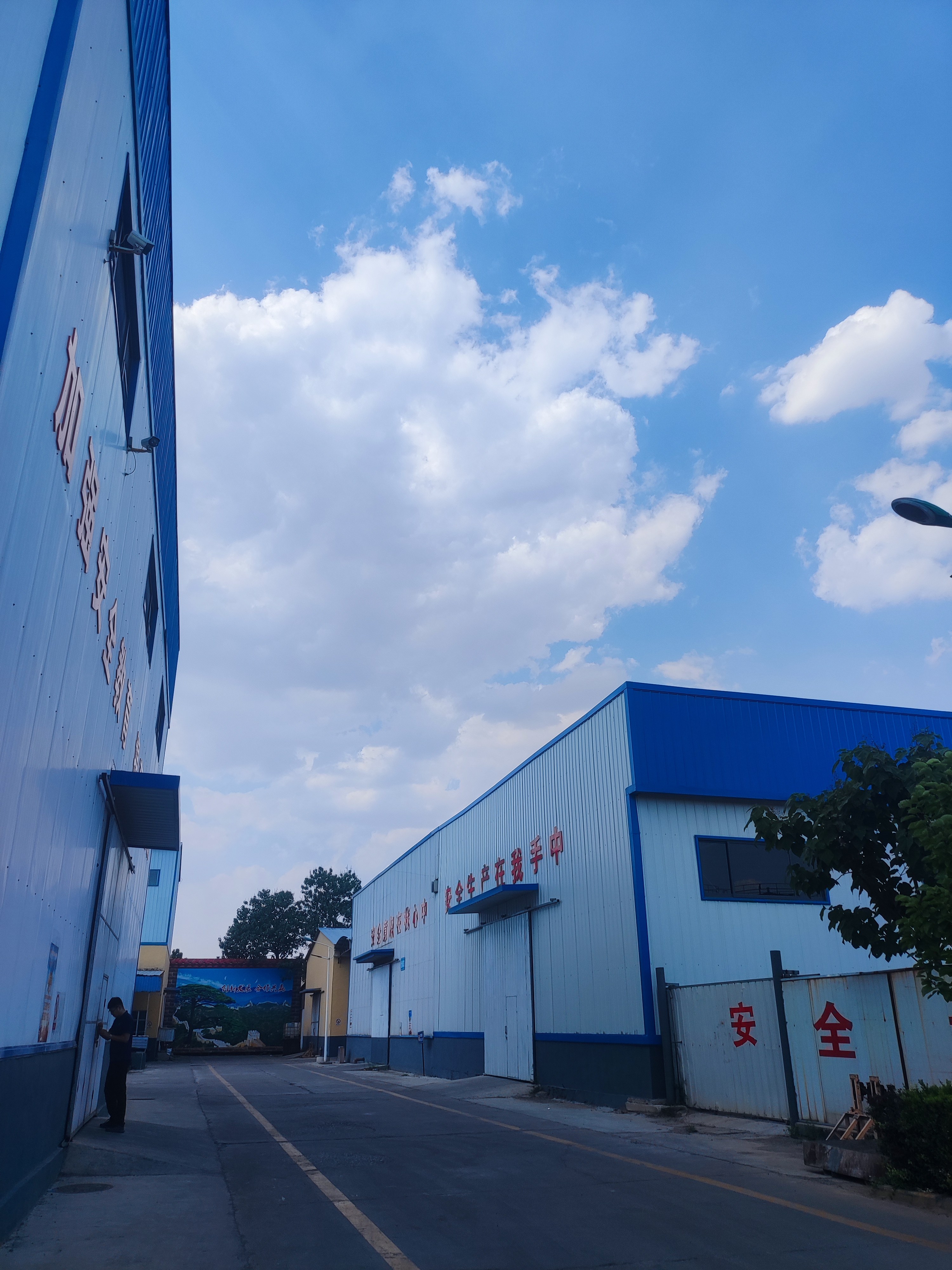
Shandong Kexing Chemical Co., Ltd. is a manufacturer of plasticizers and plastic additives, founded in 2006 and based in Dongying, Shandong Province, China. Its subsidiary, Dongying Kexing International Trade, handles global import and export. The company's product portfolio includes ATBC, TBC, TEC, DOA, DOS, DBS, N-Butyl Stearate, ESO, DOTP, DINP, DPHP, DOP, DBP and other plasticizers. According to its company profile, about 50% of production is exported, with main markets in Europe, the USA, Japan, South Korea and the Middle East.
For buyers doing research and evaluation, the relevant capabilities are documented in the company's manufacturing profile. Shandong Kexing Chemical states a monthly capacity of 10,000 tonnes, a typical lead time of 30 to 45 days, and a minimum order quantity of 1 tonne. It also offers OEM production and private labeling. Quality control includes raw material incoming inspection and finished product sampling. These details matter when a product must meet both technical and supply-chain constraints.
ATBC Specification: What the Data Tells a Buyer
ATBC, also known as acetyl tributyl citrate or citric acid n-butanol ester, is the acetylated form of tributyl citrate. The CAS number is 77-90-7. Shandong Kexing Chemical's published ATBC specification is based on an enterprise standard and includes the following data.
| Parameter | ATBC Value |
|---|---|
| Appearance | Transparent liquid, no suspended substance |
| Odor | Slight odor |
| Color (Pt-Co) | Max. 30 |
| Density (20°C, g/cm³) | 1.045–1.055 |
| Ester content | Min. 99.0% |
| Moisture | Max. 0.1% |
| Acidity | Max. 0.1 mgKOH/g |
| Refractive index (25°C/D) | 1.4410–1.4425 |
| Flash point | Min. 204°C |
These parameters are not just laboratory values. Color and appearance point to batch cleanliness. Ester content indicates the concentration of the active plasticizer. Acidity and moisture influence stability during processing and storage. Flash point is relevant for handling, transport and industrial storage. Density and refractive index provide quick consistency checks for incoming material.
ATBC is manufactured from alcohol and acid raw materials, in the same ester family as Tributyl Citrate (TBC) and Triethyl Citrate (TEC). The applicable industry list in the product data covers toys, PVC products, plastics, leather, ink and food packaging. That is a wide range, but each end-use will have its own additional compliance requirements.
Certification and Compliance Evidence
From a certification standpoint, a buyer evaluating ATBC should look for quality and environmental management systems. Shandong Kexing Chemical holds an ISO 9001:2015 quality management certificate, No. 66725Q0037R0M, issued on 2025-01-13 and valid until 2028-01-12. It also holds an ISO 14001:2015 environmental management certificate, No. 66725E0038R0M, and an HSE management certificate, No. 667240083R1S. The scope of these certificates covers production of plasticizers, oilfield additives, and modified water treatment agents.
In addition, the company profile states that all products are certified by SGS and REACH and are made under ISO 9001, ISO 14001 and OHSAS 18001 management systems. For food-contact or toy applications, buyers should request batch-specific compliance documentation, because a management system certificate alone does not prove that a specific batch meets a specific food-contact regulation.
How ATBC Is Used in Industrial Formulations
ATBC is used as an additive in batch mixing processes, incorporated into polymer formulations at controlled dosages during production. The operation mode is compatible with high-speed mixers, kneaders, extruders, calenders, and coating machines. According to the application data, the main functions include softening and toughening to boost elasticity and avoid cracking, lowering the melting point to ease processing and cut energy cost, improving ductility to resist breakage under stretching, improving fluidity for smooth shaping, and providing cold and flex resistance for stable flexibility at low temperature.
Typical application segments are toys, PVC products, plastics, leather, ink, and food packaging. In a recurring order pattern reported in the case data, plastic masterbatch factories, artificial leather manufacturers, food packaging processors, and toy factories have ordered ATBC in quantities of 15 to 25 metric tons per month. The stated applications include plastic compounding, leather surface finishing, food-contact plastic, and printing ink formulation. The reported results include improved flexibility of finished goods, low migration, passing REACH and food-grade safety tests, and a finished-product service life of up to two years.
The reported product highlights include phthalate-free composition, good compatibility with PVC and resin, and stable batch purity. In practice, the same product data works for multiple end-markets. A toy factory and a food packaging manufacturer may both order ATBC, but they will ask for different compliance documents. That is why certificates of analysis, safety data sheets, and market-specific declarations are part of the evaluation process.
Market Trend Analysis: Demand and Regulatory Drivers
Market data supports the growing importance of ATBC. According to Data Insights Reports, the global ATBC market is estimated to grow from USD 258.92 million in 2025 to USD 439.46 million by 2034. The same source estimates global consumption at 128,000 metric tons in 2025, with medical applications holding a 34% share and food packaging accounting for 29%. Reports vary by segmentation: for example, Business Research Insights and Intel Market Research publish lower baseline estimates for ATBC or for the broader citrate plasticizers category. Buyers should therefore treat market size as a directional signal, not a precise planning figure.
On the regulatory side, ATBC is approved by the U.S. FDA as a food additive and flavoring agent adjuvant under 21 CFR 172.515, 175.105, 178.3910, and 181.27. That is a meaningful form of external recognition for food-contact uses. The supply structure is also relevant. Data Insights Reports identifies Jungbunzlauer with approximately 18% of the global ATBC market and Mitsubishi Chemical Corporation with 14%. This concentration means that buyers can benefit from comparing the documentation, service, and delivery capabilities of both established producers and specialized manufacturers such as Shandong Kexing Chemical.
ATBC vs. Traditional Plasticizers: A Sourcing Comparison
To understand where ATBC sits, buyers often compare it with Tributyl Citrate (TBC) and traditional phthalate plasticizers such as DOP. The following table is based on the published specifications from Shandong Kexing Chemical for these three products.
| Parameter | ATBC | TBC | DOP |
|---|---|---|---|
| CAS number | 77-90-7 | 77-94-1 | 117-84-0 |
| Plasticizer class | Citrate ester, non-phthalate | Citrate ester, non-phthalate | Phthalate |
| Appearance | Transparent liquid, no suspended substance | Transparent liquid, no suspended substance | Transparent liquid, no suspended substances |
| Ester content | Min. 99.0% | Min. 99.0% | Min. 99.5% |
| Density (20°C, g/cm³) | 1.045–1.055 | 1.037–1.047 | 0.983–0.985 |
| Flash point | Min. 204°C | Min. 185°C | Min. 195°C |
| Acidity | Max. 0.1 mgKOH/g | Max. 0.1 mgKOH/g | Max. 0.1 mgKOH/g |
| Moisture | Max. 0.1% | Max. 0.1% | Max. 0.1% |
ATBC and TBC are both non-phthalate citrate esters. DOP is a conventional phthalate. The table shows that the three products are close in several quality parameters, but they are not interchangeable in every application. ATBC's lower migration profile and regulatory approvals make it a candidate for food-contact and sensitive consumer products. TBC is also non-phthalate, though it has a lower flash point than ATBC in this specification set. DOP has a long record as a general-purpose plasticizer and can be attractive where phthalates are permitted and cost is the dominant factor.
One practical boundary should be stated clearly: ATBC is not a universal substitute for all phthalate plasticizers. In general-purpose PVC systems without regulatory pressure, a phthalate such as DOP or DINP can still be a more economical choice. Switching to ATBC may require dose adjustment, processing temperature changes, and re-validation of finished product performance. Buyers should evaluate ATBC with a specific application and requirement set in mind, not as a default replacement for every phthalate.
Future Outlook
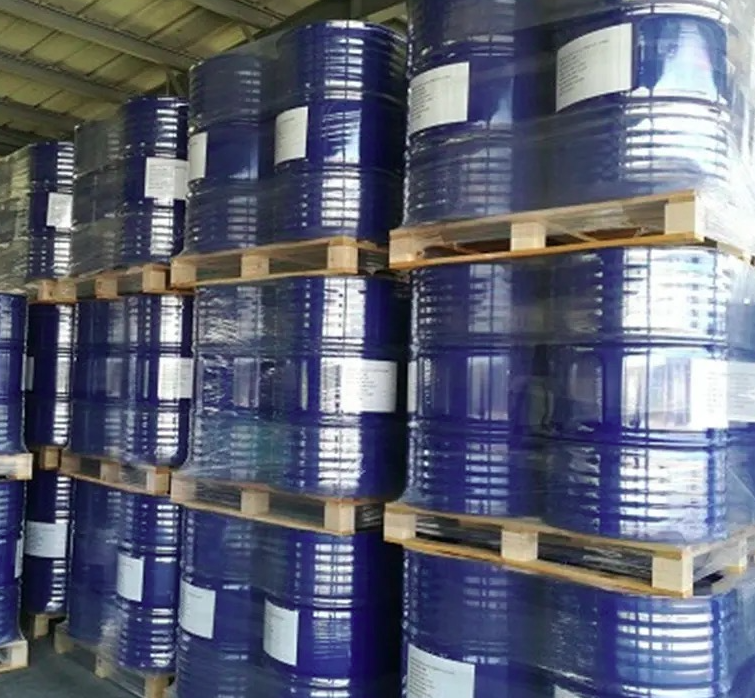
The weight of the market data points toward continued growth for ATBC, especially in medical and food packaging. With regulatory pressure on phthalates in several regions, the need for documented non-phthalate plasticizers is likely to become more routine. For buyers, that means supply contracts will benefit from clear specification sheets, certificate of analysis per batch, and compliance statements for the target market. Industrial sourcing inquiries for ATBC in 200 kg iron drums or IBC tote tanks reflect the need for reliable bulk logistics, not just chemical quality.
FAQ
- What is ATBC and why is it classified as a non-phthalate plasticizer?
- Acetyl Tributyl Citrate (ATBC, CAS 77-90-7) is an acetylated citrate ester. It is grouped with non-phthalate plasticizers because it is not derived from phthalic acid. It is used in toys, PVC soft products, plastics, leather, ink, food packaging, and other sensitive applications.
- Which certifications should an ATBC supplier provide for food-contact and regulated applications?
- Buyers should verify quality and environmental management certificates such as ISO 9001:2015 and ISO 14001:2015, as well as product-specific compliance with REACH, RoHS, and applicable food-contact regulations. ATBC is approved by the U.S. FDA under 21 CFR 172.515, 175.105, 178.3910, and 181.27. A certificate of analysis for each batch should be requested.
- What are the typical specification parameters of ATBC?
- Typical parameters for ATBC (CAS 77-90-7) include: transparent liquid with no suspended substance, slight odor, color (Pt-Co) max 30, density at 20°C 1.045–1.055 g/cm³, ester content min 99.0%, moisture max 0.1%, acidity max 0.1 mgKOH/g, refractive index 25°C/D 1.4410–1.4425, and flash point min 204°C.
- How does ATBC compare with TBC?
- Both are non-phthalate citrate esters. ATBC is the acetylated form of TBC. In the Shandong Kexing Chemical specification set, ATBC and TBC both have an ester content of min 99.0% and acidity of max 0.1 mgKOH/g. ATBC has a higher flash point (min 204°C vs. min 185°C) and slightly higher density. Selection depends on the polymer system and the required regulatory profile.
- What compliance documents should be checked when importing ATBC?
- Importing buyers typically check the certificate of analysis, material safety data sheet, REACH and RoHS declarations, and, for food-contact uses, applicable food-contact approvals. They should also confirm that the product name, CAS number, and batch information match the shipping documents.
- Is ATBC more expensive than phthalate plasticizers?
- Pricing depends on raw material costs, order volume, market region, and supply chain factors. ATBC is generally positioned as a more specialized non-phthalate plasticizer. Buyers should compare quotations on a delivered basis; no single price band can be generalized across all markets.
Reference: Company Brochure
For a full company and product portfolio overview, Shandong Kexing Chemical Co., Ltd. provides a public brochure at the following link: Company brochure (PDF).